

원하는 크기와 액자로 주문 제작되는, 작가들이 직접 캔버스에 손으로 그린 유화 작품입니다. ( Switch to Print Switch to Digital Image)





























작품의 원본 비율을 유지하는 미리 설정된 크기 중에서 선택하세요.

특정 프레임이나 공간에 맞도록 직접 크기를 입력할 수 있습니다. 선택하신 크기가 원본 이미지의 비율과 일치하지 않는 경우, 작품을 자르거나 추가적인 손으로 그린 요소를 사용하여 그림을 확장합니다. 제작 시작 전 승인을 위해 디지털 목업을 보내드립니다.
화면 미리 보기는 실제 자르기 또는 확장을 반영하지 않습니다. 최종 구성은 목업을 통해서만 정확하게 확인하실 수 있습니다.
맞춤 크기 제작도 가능하지만, 원본 비율을 유지하기 위해 사전 정의된 목록에서 크기를 선택하시는 것을 권장합니다.

Presentation at the Temple
복제본 크기
In the quiet, sacred halls of Andrea Mantegna’s Presentation at the Temple, time seems to suspend itself, inviting the viewer into a world where the divine meets the rediscovered grandeur of classical antiquity. Completed around 1460, this masterpiece is far more than a mere illustration of a biblical event; it is a profound dialogue between faith and the archaeological spirit of the Early Renaissance. As one gazes upon the serene tableau of Mary presenting the infant Jesus to the temple elders, there is an immediate sense of being transported to a moment where the weight of history and the lightness of grace converge. Mantegna, a painter whose very soul was forged in the study of Roman ruins, does not simply paint a scene; he reconstructs a lost era, breathing life into stone-like figures and architectural majesty that resonate with an almost tactile reality.
The true brilliance of this work lies in Mantegna’s revolutionary command of linear perspective, a technique that fundamentally reshaped the trajectory of Western art. Through a meticulous application of mathematical order, he creates an illusion of depth so profound that the temple walls seem to recede into an infinite, sacred space. This is not merely a stylistic flourish but a reflection of the humanist conviction that the natural and divine worlds are governed by a singular, harmonious logic. The figures themselves possess a remarkable sculptural quality, appearing as if carved from fine marble rather than rendered in tempera. Their heavy, dignified forms and the sharp, clear light that defines their features lend the composition a monumental presence, making it an ideal centerpiece for any collection that seeks to evoke strength, stability, and intellectual depth.
Beyond its technical prowess, the painting is a tapestry of subtle, evocative symbolism designed to stir the spirit. Every object placed within the frame serves a higher purpose: a book representing the permanence of divine law, a bowl signifying the virtue of humility, and delicate vases that whisper of purity and grace. For the discerning collector or interior designer, these elements offer a rich layer of narrative depth, allowing the artwork to act as a focal point of contemplation within a sophisticated space. To possess a reproduction of such a piece is to invite a sense of timelessness into one's surroundings—a way to anchor a modern room with the profound dignity of the Italian Renaissance and the enduring beauty of Mantegna’s visionary hand.

1431 - 1506 , 이탈리아
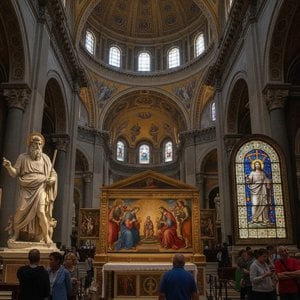
Explore the profound beauty of sacred art through a curated journey of masterpieces. From Renaissance iconography to Baroque drama, discover how history's greatest artists captured the divine presence in timeless works of spiritual transcendence.
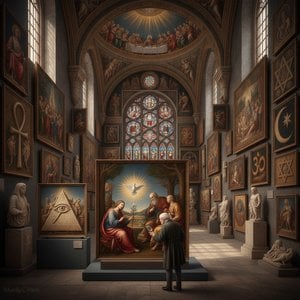
Explore the profound power of religious symbolism in art history. From Renaissance masterpieces to sacred iconography, uncover the hidden meanings behind divine details in a deep dive into classical art excellence.
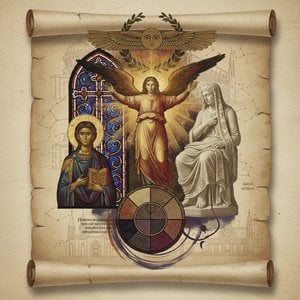
Explore the profound impact of spiritual themes in fine art. From Renaissance iconography to Baroque drama, discover how sacred symbolism and divine visions have shaped art history through a scholarly and reflective lens.

Immerse yourself in the sacred grandeur of Baroque church interiors. Explore museum-quality, hand-painted oil reproductions and bespoke religious art commissions. From breathtaking frescoes to dramatic altarpieces, we bring historical majesty to your luxury space with unmatched expertise.

 미리보기
미리보기
 공유하기
공유하기 공유하기
공유하기
 상세 정보
상세 정보

 다운로드
다운로드
 유사 작품
유사 작품 X-레이
X-레이 슬라이드 쇼
 Stats
Stats

 더 보기
더 보기









 유리 옵션은 110cm 미만 크기에서만 선택 가능합니다.


