

이 페이지에 표시된 작품은 저작권법의 보호를 받으며, 이에 따라 동일한 복제품을 제작하거나 판매하는 것은 법으로 금지되어 있습니다. 이러한 권리 보호는 다음과 같은 국제 협약에 따라 시행됩니다. 베른 협약 또한 다음에서 명시하는 법률을 포함한 국내법에 의해 보호됩니다. 미국 저작권법 제17조.
이 방식은 저작권 보호를 받는 예술 작품을 복제하거나 그대로 재현하는 것이 아니기에 저작권 규정을 완벽히 준수합니다. 대신, 이는 창의적인 재해석의 과정을 거칩니다. 즉, 원작에서 영감을 받되 원작과 동일하지 않은 새로운 회화 작품을 의미합니다.
빠른 제작과 다양한 마감 옵션을 제공하는 박물관 수준의 지클레이 및 캔버스 프린트. ( 수작업 채색 복제본 주문하기 디지털 이미지로 전환)





























작품의 원본 비율을 그대로 유지하는 프리셋 사이즈 중에서 선택해 보세요.

액자나 벽면 크기에 맞춰 필요한 가로와 세로 길이를 입력해 주세요. 프린트는 원본 이미지보다 크게 제작할 수 없으며 오직 자르는 것만 가능하므로, 비율이 다른 사이즈를 선택할 경우 이미지의 일부가 잘려 나갈 수 있습니다. 인쇄 작업에 들어가기 전, 최종 확인을 위해 디지털 목업을 보내드립니다. 이 페이지에 표시된 이미지는 실제 잘리는 영역을 나타내지 않으며, 오직 목업을 통해서만 정확한 확인이 가능합니다.
Panic
복제본 크기
André Masson's "Panic," created in 1955, isn’t merely a painting; it’s an excavation. A visceral plunge into the turbulent depths of the human psyche, rendered with a frenetic energy that both unsettles and compels. This etching, executed on paper, captures a moment suspended between chaos and control, reflecting the anxieties simmering beneath the surface of post-war Europe – a period Masson himself deeply inhabited through his pioneering work in Surrealism and Automatism.
The composition immediately assaults the senses. A dominant teal background—a shade suggestive of both twilight and unease—is fractured by swirling, violently intertwined lines in shades of purple and magenta. These aren’t neat, controlled strokes; they are a deliberate act of disruption, mirroring the feeling of being overwhelmed by internal turmoil. The lack of a clear focal point forces the viewer's eye to dart across the surface, mimicking the restless, fragmented experience of panic itself. The overall effect is less about depicting a specific scene and more about conveying an intense emotional state – a raw, unfiltered expression of anxiety.
Masson’s technique—Automatism—was central to his artistic practice. Rejecting the constraints of rational thought and deliberate planning, he sought to tap into the unconscious mind through spontaneous action. In “Panic,” this manifests as a seemingly chaotic outpouring of lines, yet beneath the surface lies a carefully orchestrated process. Masson would often begin with sand drawings, allowing the subconscious to dictate the initial forms, then translate these images onto paper using various tools – in this case, etching techniques—to create the final image. This method aimed to bypass conscious control and reveal hidden emotions and associations.
The influence of Surrealism is undeniable, but Masson’s approach extends beyond simple dream imagery. He was deeply interested in primal emotions, exploring themes of violence, eroticism, and metamorphosis – all powerfully represented within the swirling forms of “Panic.” The piece echoes the work of artists like André Breton and Joan Miró, yet possesses a uniquely personal intensity, reflecting Masson's own struggles with psychological turmoil.
The imagery within "Panic" is rich in symbolic potential. The tangled lines can be interpreted as representing repressed emotions struggling to surface, a visual manifestation of internal conflict. The use of dark teal and vibrant purples and magentas creates a dramatic contrast, suggesting a battle between opposing forces – perhaps order versus chaos, reason versus instinct. Some viewers have noted the resemblance to organic forms—twisted limbs or distorted figures—suggesting a sense of fragmentation and loss of control.
Interestingly, Masson’s work frequently engaged with themes of violence, reflecting anxieties prevalent in post-war Europe. The piece can be seen as an exploration of the destructive potential within the human psyche – a warning against succumbing to overwhelming fear and losing oneself in the chaos of internal struggle. The title itself—"Panic"—underscores this central theme, encapsulating the feeling of being trapped within one’s own anxieties.
“Panic” stands as a powerful testament to André Masson’s innovative approach to art. It’s not a comfortable piece; it demands engagement and invites introspection. His exploration of Automatism, combined with his unflinching portrayal of psychological turmoil, cemented his place as a key figure in the Surrealist movement and beyond. Reproductions of this work continue to resonate today, offering a glimpse into the complexities of the human experience – a reminder that beneath the surface of everyday life, there often lies a turbulent landscape of anxieties and unresolved emotions.
Dramatic 분위기를 자아내는 "Panic"은(는) Living Room에 추천합니다.
앙드레 마송의 "Panic"의 Panoramic 형식은 Living Room에 추천합니다. 작품의 형식과 공간의 조화는 복제화 배치에 중요한 가이드가 됩니다.
1955년에 제작된 "Panic"은(는) 앙드레 마송의 예술 활동기 중 Surrealist Automatic Drawing에 속합니다.

1896년 프랑스 발라니쉬르테랭에서 태어난 앙드레 마송은 20세기 미술의 흐름을 뒤흔든 선구적인 화가였습니다. 그의 작품 세계는 초현실주의의 깊이를 탐구하며, 무의식의 영역을 시각적으로 구현하는 데 집중했습니다. 어린 시절 브뤼셀 왕립미술원에서 Constant Montald에게 미술 교육을 받으며 기본적인 기틀을 다진 마송은 곧 현대 미술 운동에 관심을 보이기 시작했고, 초기 작품에서는 입체주의의 영향을 엿볼 수 있습니다.
1920년대 파리에서 마송은 초현실주의 운동의 핵심 인물로 떠오릅니다. 그는 의식적인 통제를 벗어나 무의식이 이끄는 대로 작품을 창작하는 자동기술법(automatic drawing)에 몰두했습니다. 펜과 잉크를 사용하여 자유롭게 선을 그어 나가는 과정에서 마송은 내면의 깊숙한 감정과 상상을 표현하고자 했습니다. 안토냉 아르토, 미셸 레리스, 호안 미로, 조르주 바타유, 장 뒤뷔페, 조르주 말킨 등 당대의 저명한 예술가들과 교류하며 활발한 예술 공동체를 형성했습니다. 그의 작품은 종종 격렬하거나 에로틱한 주제를 다루며, 전통적인 미술의 관습에서 벗어나는 대담함을 보여주었습니다. 특히 모래와 접착제를 캔버스에 던져 독특한 질감을 만들어내는 실험적인 기법은 마송만의 독창성을 드러냈습니다.
1920년대 말, 마송은 초현실주의에서 벗어나 안드레 데랭과 같은 화가들의 영향을 받아 보다 구조적인 스타일을 발전시켰습니다. 그의 풍경화는 이러한 변화를 잘 보여줍니다. 제2차 세계 대전 중에는 나치 정권으로부터 ‘퇴폐 미술’로 낙인찍히기도 했지만, 변리안 프라이의 도움으로 미국으로 망명하여 잭슨 폴록과 같은 미국의 추상 표현주의 화가들에게 큰 영향을 미쳤습니다. 전쟁 후 프랑스로 돌아온 마송은 에익스-앙-프로방스에 정착하여 자연을 소재로 한 풍경화를 주로 그렸으며, 보다 사실적인 경향을 보였습니다.
앙드레 마송의 초현실주의와 자동기술법에 대한 선구적인 시도는 미술계에 깊은 유산을 남겼습니다. 그의 작품은 입체주의에서 추상 표현주의에 이르기까지 다양한 예술 운동에 영향을 미쳤으며, 현대 미술사에서 중요한 위치를 차지하고 있습니다. 특히 무의식의 이미지를 탐구하고 혁신적인 기법을 실험하는 그의 시도는 오늘날에도 많은 예술가들에게 영감을 주고 있습니다. Beyond, Landscape with Rocks, The metamorphosis of the lovers, Pygmalion과 같은 대표작들은 마송의 예술적 깊이와 독창성을 보여주는 증거입니다.

1896 - 1987 , 프랑스

Explore the profound psychological depth of Expressionist portraiture. From Munch to Schiele, discover how distorted forms and visceral brushstrokes unmask raw human emotion in this definitive guide for art enthusiasts and collectors.
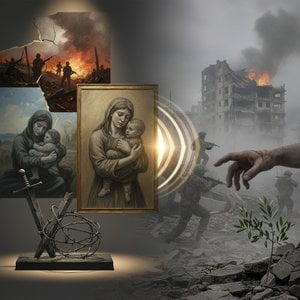
Explore a profound collection of historical war art. From visceral realism to poignant depictions of human resilience, discover museum-quality oil reproductions and expert insights for the discerning collector seeking to preserve history's most powerful echoes.

Explore the profound psychology of Surrealist landscapes and dream imagery. Decode the secrets of Dali and Magritte with our expert guide.

Master the complexities of Salvador Dalí’s genius. Explore an expert analysis of the Paranoiac-Critical Method and the profound symbolism within his Surrealist masterpieces for the discerning art collector.
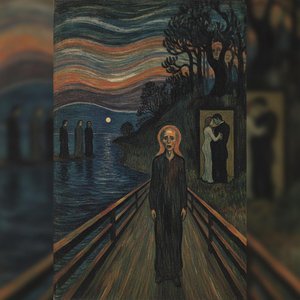
Journey through the raw emotion of Expressionism with our curated guide to Edvard Munch's top 25 masterpieces. Explore the stories behind his most iconic works and find museum-quality art reproductions for your collection. Discover all masterpieces on WahooArt.com.
 미리보기
미리보기
 공유하기
공유하기 공유하기
공유하기
 상세 정보
상세 정보 가이드 보기

 다운로드
다운로드
 유사 작품 더 보기
 X-레이
X-레이 슬라이드 쇼 보기
 질의응답
질의응답
 통계 정보
통계 정보


 더 보기
더 보기









 유리 옵션은 110cm 미만 크기에서만 선택 가능합니다.


