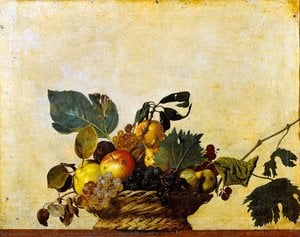
Oil On CanvasWallArtCubism
 1912Modern
 33.0 x 46.0 cm
빠른 제작과 다양한 마감 옵션을 제공하는 박물관 품질의 지클레이 또는 캔버스 프린트. ( 손으로 그린 그림 구매 디지털 이미지로 전환)





























작품의 원본 비율을 유지하는 미리 설정된 크기 중에서 선택하세요.

특정 프레임이나 공간에 맞춰 직접 치수를 입력하실 수 있습니다. 선택하신 사이즈가 원본 이미지의 비율과 일치하지 않을 경우, 작품을 크롭(자르기)하거나 이미지를 대칭 또는 단색 채우기로 확장하여 제작합니다. 제작 시작 전, 최종 확인을 위해 디지털 목업이 전송됩니다.
화면상의 미리보기는 실제 크롭이나 확장 상태를 반영하지 않으므로, 최종 구도는 오직 목업을 통해서만 정확하게 확인하실 수 있습니다.
맞춤 사이즈 제작도 가능하지만, 원본 비율을 유지하기 위해서는 사전 정의된 목록에서 치수를 선택하시는 것을 권장합니다.

Still LIfe with Chicken
복제본 크기
In the realm of early 20th-century modernism, few works capture the exuberant energy of a changing era quite like André Lhote’s Still Life with Chicken. Painted in 1912, this captivating oil on canvas serves as a masterful window into a moment where the traditional boundaries of still life were being radically redefined. At first glance, the viewer is greeted by a bountiful arrangement—a basket overflowing with the earthy textures of apples, oranges, and carrots, accented by the verdant presence of broccoli. Yet, beneath this seemingly simple domestic scene lies a sophisticated exploration of structure and vitality. The composition is intentionally busy, a deliberate dance of shapes that pulls the eye across the canvas, ensuring that no corner remains unvisited by the artist's spirited gaze.
Lhote’s technique in this piece is nothing short of transformative. Moving away from the delicate, photographic realism of previous centuries, he employs bold, confident brushstrokes that imbue every element with a sense of rhythmic movement. The textures of the fruit are not merely depicted; they are sculpted through layers of pigment, creating a tactile experience that feels almost palpable. This approach allows the colors to vibrate against one another—the bright citrus oranges clashing harmoniously with the deep, grounded tones of the vegetables. It is this interplay of light and heavy application that gives the painting its unmistakable pulse, making it a piece that feels alive even as it captures a frozen moment in time.
To understand the profound impact of Still Life with Chicken, one must look to the historical crucible in which it was forged. André Lhote was a pivotal figure in the evolution of French modernism, acting as a bridge between the wild, emotive distortions of Fauvism and the structured, intellectual fragmentation of Cubism. In this work, we see the DNA of both movements. The vivid, unapologetic palette recalls the Fauvist passion for color as an emotional force, while the way Lhote organizes the objects—breaking them into intersecting planes and geometric essences—points directly toward the Cubist revolution led by his contemporary, Pablo Picasso.
The inclusion of the chicken, lying near the bottom right corner, adds a layer of poignant realism to the avant-garde experimentation. It grounds the abstracting tendencies of the composition, providing a narrative weight that speaks to the cycle of life and the rustic beauty of the everyday. For the collector or interior designer, this painting offers a rare duality: it possesses the intellectual depth required for a serious art collection, yet its warmth and vibrant energy make it an incredibly versatile piece for sophisticated decor. It is a work that does not merely sit on a wall; it commands the atmosphere of a room, inviting conversation and evoking the spirited dawn of modern art.


1885 - 1962

Explore the profound beauty of fruit arrangement masterpieces. From Dutch Golden Age opulence to Baroque chiaroscuro, discover the art history, symbolism, and timeless elegance of classical still life paintings for the discerning collector.

Embark on a sophisticated journey through art history with our exploration of still life masterpieces. Discover the profound symbolism behind classical paintings of drinks and fruit, curated for the true connoisseur seeking timeless elegance and academic depth.

Explore the profound evolution of Cubist still life, from Cézanne's structural foundations to the fragmented brilliance of Braque and Léger. Discover how geometric abstraction redefined reality through a sophisticated lens of form, color, and modern artistic mastery.
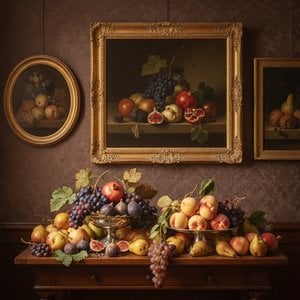
Discover the profound beauty of fruit still life paintings. Explore the rich symbolism, Baroque mastery, and timeless allure of nature's bounty through an art-historical lens, perfect for collectors and enthusiasts of classical fine art.


 미리보기
미리보기
 공유하기
공유하기 공유하기
공유하기
 상세 정보
상세 정보

 다운로드
다운로드
 유사 작품
유사 작품 X-레이
X-레이 슬라이드 쇼
 통계 정보
통계 정보 더 보기
더 보기









 유리 옵션은 110cm 미만 크기에서만 선택 가능합니다.