
 Oil On CanvasWallArtFauvism
 1927
1927 18.0 x 42.0 cm
 애슈몰린 미술관
빠른 제작과 다양한 마감 옵션을 제공하는 박물관 품질의 지클레이 또는 캔버스 프린트. ( 손으로 그린 그림 구매 디지털 이미지로 전환)





























작품의 원본 비율을 유지하는 미리 설정된 크기 중에서 선택하세요.

특정 프레임이나 공간에 맞춰 직접 치수를 입력하실 수 있습니다. 선택하신 사이즈가 원본 이미지의 비율과 일치하지 않을 경우, 작품을 크롭(자르기)하거나 이미지를 대칭 또는 단색 채우기로 확장하여 제작합니다. 제작 시작 전, 최종 확인을 위해 디지털 목업이 전송됩니다.
화면상의 미리보기는 실제 크롭이나 확장 상태를 반영하지 않으므로, 최종 구도는 오직 목업을 통해서만 정확하게 확인하실 수 있습니다.
맞춤 사이즈 제작도 가능하지만, 원본 비율을 유지하기 위해서는 사전 정의된 목록에서 치수를 선택하시는 것을 권장합니다.

Still Life with Plums
복제본 크기
André Derain’s “Still Life with Plums,” painted in 1927, isn't merely a depiction of fruit; it’s a vibrant explosion of color and emotion, a quintessential example of the artist’s pivotal role in establishing the Fauvist movement. This intimate scene, housed within the Ashmolean Museum of Art and Archaeology in Oxford, invites us into a world where reality is filtered through the passionate lens of subjective experience – a core tenet of Derain's artistic philosophy.
The painting immediately assaults the senses with its audacious palette. Gone are the muted tones of academic realism; instead, we encounter a riot of blues, greens, yellows, and reds, applied with thick, impasto strokes that practically vibrate off the canvas. The plums themselves aren’t rendered in their natural hues but rather as pools of intense violet and crimson, radiating an almost luminous quality. The white plate, acting as a stark counterpoint to this chromatic fervor, provides a grounding element, yet even here, Derain employs a bold, unmodulated application of paint, preventing it from becoming merely a neutral surface.
Derain’s journey towards Fauvism began in the late 1890s, largely through his association with Henri Matisse. Initially, he experimented with landscapes, capturing the light and atmosphere of the French countryside. However, it was a trip to Spain in 1897 that proved transformative, exposing him to the vibrant colors of Iberian art and sparking an interest in using color not to represent reality but to express feeling. This shift is powerfully evident in “Still Life with Plums,” where color becomes the primary subject matter – a deliberate rejection of traditional representation in favor of pure emotional impact.
The painting’s composition, too, reflects this radical departure. The objects are arranged somewhat haphazardly, creating a sense of immediacy and spontaneity. There's no attempt to impose a rigid structure or create a balanced visual harmony; instead, the eye is drawn across the canvas by the sheer intensity of color and texture. This deliberate lack of formal control was characteristic of Fauvist painting – an embrace of instinct and intuition over meticulous planning.
Derain’s technique in “Still Life with Plums” is characterized by loose, expressive brushwork. He applied the paint directly to the canvas using a palette knife, creating thick, textured surfaces that seem almost sculptural. These impasto strokes not only contribute to the painting's visual dynamism but also create a tactile quality, inviting the viewer to engage with the artwork on a sensory level. The use of oil paints allows for rich color saturation and layering, further enhancing the painting’s intensity.
Interestingly, Derain’s style evolved considerably throughout his career. Initially influenced by Impressionism and Post-Impressionism, he gradually moved towards a more abstract approach, culminating in his Fauvist period. “Still Life with Plums” represents a crucial transitional phase, showcasing the artist's early experiments with bold color and expressive brushwork while retaining elements of his earlier training.
While superficially a simple depiction of fruit, "Still Life with Plums" resonates with deeper symbolic meanings. The plums themselves can be interpreted as symbols of abundance, fertility, or even mortality – their vibrant color and fleeting beauty suggesting the ephemeral nature of life. The white plate, often associated with purity and innocence, is juxtaposed against the intense colors of the fruit, creating a tension that speaks to the complexities of human experience.
Ultimately, André Derain’s “Still Life with Plums” transcends its subject matter to become a powerful expression of emotion and artistic vision. It's a testament to the artist’s willingness to challenge conventions and explore the expressive potential of color, solidifying his place as one of the most influential figures in the history of modern art. A reproduction captures only a fraction of this vibrant energy, but it remains a compelling window into the world of a truly revolutionary painter.


1880 - 1954 , 프랑스
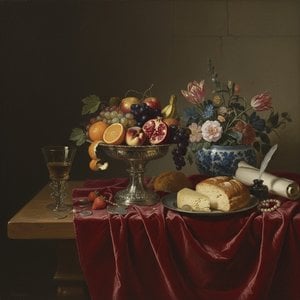
Embark on a sophisticated journey through the history of still life art. From Dutch Golden Age masterpieces to Baroque opulence, explore the profound symbolism and timeless beauty of the world's most exquisite table compositions.

Explore the vibrant revolution of Fauvism. Discover how masters like Matisse liberated color to redefine modern art. Dive into an expert-led journey through the 'Wild Beasts' movement and learn how to bring this bold, expressive energy into your personal collection.
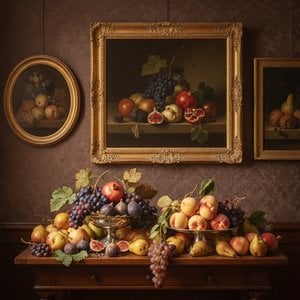
Discover the profound beauty of fruit still life paintings. Explore the rich symbolism, Baroque mastery, and timeless allure of nature's bounty through an art-historical lens, perfect for collectors and enthusiasts of classical fine art.

Explore the vibrant world of Fauvism with our expert guide. Discover how Matisse and Derain revolutionized art through bold colors and expressive strokes. Perfect for classic art enthusiasts seeking to deepen their passion for modern masterpieces.

Embark on a sophisticated journey through art history with our exploration of still life masterpieces. Discover the profound symbolism behind classical paintings of drinks and fruit, curated for the true connoisseur seeking timeless elegance and academic depth.


 미리보기
미리보기
 공유하기
공유하기 공유하기
공유하기
 상세 정보
상세 정보 가이드 보기

 다운로드
다운로드
 유사 작품
유사 작품 X-레이
X-레이 슬라이드 쇼
 통계 정보
통계 정보 더 보기
더 보기









 유리 옵션은 110cm 미만 크기에서만 선택 가능합니다.


