


빠른 제작과 다양한 마감 옵션을 제공하는 박물관 수준의 지클레이 및 캔버스 프린트. ( 수작업 채색 복제본 주문하기 디지털 이미지로 전환)





























작품의 원본 비율을 그대로 유지하는 프리셋 사이즈 중에서 선택해 보세요.

액자나 벽면 크기에 맞춰 필요한 가로와 세로 길이를 입력해 주세요. 프린트는 원본 이미지보다 크게 제작할 수 없으며 오직 자르는 것만 가능하므로, 비율이 다른 사이즈를 선택할 경우 이미지의 일부가 잘려 나갈 수 있습니다. 인쇄 작업에 들어가기 전, 최종 확인을 위해 디지털 목업을 보내드립니다. 이 페이지에 표시된 이미지는 실제 잘리는 영역을 나타내지 않으며, 오직 목업을 통해서만 정확한 확인이 가능합니다.
Tree and Houses
복제본 크기
In the quietude of Amedeo Modigliani’s 1919 masterpiece, Tree and Houses, viewers are invited into a realm where nature and human architecture exist in a delicate, poignant dialogue. The painting presents a serene yet subtly melancholic scene, centered around a solitary tree that stands with striking prominence against the backdrop of two buildings. This composition does more than merely depict a landscape; it establishes a profound tension between the organic resilience of the natural world and the static permanence of human habitation. As one gazes upon the canvas, the juxtaposition invites deep contemplation on themes of isolation, connection, and the quiet endurance of life amidst the structures we build around ourselves.
Modigliani’s distinctive hand is unmistakable in every stroke, characterized by a style that eschews academic realism in favor of expressive distortion. Influenced by the burgeoning movements of Cubism and Surrealism, the artist utilizes elongated forms and simplified shapes to prioritize emotional truth over precise anatomical or architectural accuracy. The technique employed in this oil on canvas demonstrates a masterful command of texture and tone. Through deliberate and controlled brushwork, Modigliani creates a surface that feels tactile and alive. His palette is intentionally muted, relying on a sophisticated harmony of greens, browns, and ochres to cultivate an atmosphere of quiet, introspective thought.
Beyond its visual charm, Tree and Houses is rich with symbolic weight. The tree serves as a powerful emblem of life, growth, and enduring beauty, acting as a vibrant counterpoint to the rigid, unyielding solidity of the buildings. Yet, there is an undeniable sense of vulnerability in its solitary presence; it stands alone, evoking feelings of longing that were so central to Modigliani’s own existence. This emotional depth is further layered by the subtle inclusion of figures scattered throughout the scene. These individuals, some clustered in conversation and others drifting in isolation, infuse the landscape with a pulse of human activity, reminding us that even within moments of profound solitude, we are part of a larger, breathing tapestry of life.
To understand this work is to understand the era from which it emerged. Created in 1919, the painting reflects the turbulent spirit of the post-World War I period—a time marked by widespread disillusionment and a radical shift in artistic sensibilities. As the world struggled to find its footing after unprecedented horror, artists like Modigliani sought new languages of expression to capture the fragmented human experience. For collectors and interior designers alike, this piece offers more than just aesthetic elegance; it provides a window into a pivotal moment in art history. A high-quality reproduction of this work brings a sense of historical gravity and soulful sophistication to any space, serving as a timeless focal point that continues to whisper stories of beauty, loss, and the enduring human spirit.
"Tree and Houses"의 채도는 Subtle Color이며, 색채 강도는 Balanced입니다.
모딜리아니의 "Tree and Houses"은(는) Modern 시대의 작품으로, 이 시기는 해당 작품의 역사적 배경을 잘 보여줍니다.
모딜리아니의 "Tree and Houses"은(는) Romantic한 분위기 속에서 landscape, architecture, human figure, trees, urban scene, quietude, melancholy을(를) 묘사합니다. 작품의 주제와 분위기가 어우러져 하나의 완성된 세계를 보여줍니다.
아메데오 모디글리아니(Amedeo Modigliani, 1884-1920)는 20세기 초 파리 화단에서 독특한 개성을 드러낸 이탈리아 출신의 화가이자 조각가입니다. 그의 작품은 길게 늘어진 인물과 섬세하게 표현된 눈, 그리고 어딘가 모르게 슬픔이 깃든 분위기로 유명하며, 오늘날까지도 많은 사랑을 받고 있습니다. 모디글리아니의 삶은 예술적 천재성과 비극적인 고독이 뒤섞인 채 전개되었고, 그의 작품들은 이러한 삶의 흔적을 고스란히 담아내고 있습니다.
1884년 이탈리아 리보르노에서 유대인 가정에서 태어난 모디글리아니는 어린 시절부터 병약했습니다. 폐렴과 결핵으로 수차례 생사를 헤매면서, 그는 세상의 아름다움과 덧없음을 더욱 깊이 느끼게 되었을 것입니다. 가족의 경제적 어려움 속에서도 어머니와 할아버지로부터 니체, 보들레르, 랭보 등 당대 지성인들의 사상을 접하며 예술적 감수성을 키워나갔습니다. 리보르노에서 미술 교육을 받은 후, 그는 1906년 파리로 건너가 본격적인 예술 활동을 시작했습니다.
파리는 당시 유럽 예술의 중심지였고, 모디글리아니는 이곳에서 피카소, 브랑쿠시 등 당대 최고의 화가들과 교류하며 영감을 얻었습니다. 초기에는 입체주의에 심취하기도 했지만, 곧 자신만의 독자적인 스타일을 구축하기 위해 노력했습니다. 그는 아프리카 조각과 고대 로마네스크 양식의 영향을 받아 인물의 형태를 길게 늘리고 단순화하는 기법을 발전시켰습니다. 특히 그의 초상화는 길고 가느다란 목, 둥글고 커다란 눈, 그리고 어딘가 모르게 슬픔이 느껴지는 표정으로 특징지어집니다. 이러한 표현은 인물의 내면 심리를 섬세하게 포착하며 보는 이의 마음을 사로잡습니다.
모디글리아니는 또한 조각에도 몰두하여 인간 형태를 추상적으로 단순화한 작품들을 제작했습니다. 그의 조각들은 브랑쿠시의 영향을 받았지만, 더욱 유기적이고 부드러운 곡선으로 표현되어 독자적인 매력을 지닙니다. 그러나 당시 파리 미술계에서는 그의 작품이 난해하고 기괴하다는 평가를 받으며 큰 호응을 얻지 못했습니다.
예술적 성공과는 달리 모디글리아니의 삶은 경제적인 어려움과 건강 악화로 가득했습니다. 그는 종종 굶주림에 시달렸고, 결핵으로 인해 고통받았습니다. 1917년, 젊은 화가 잔 에뷔트른(Jeanne Hébuterne)과 사랑에 빠졌지만, 그들의 관계는 비극적인 운명을 맞이합니다. 잔은 모디글리아니의 모델이자 뮤즈였으며, 그의 작품에서 가장 아름다운 초상화들을 탄생시켰습니다. 그러나 1920년, 잔은 임신한 채 스스로 목숨을 끊었고, 모디글리아니는 슬픔에 잠긴 채 얼마 뒤 결핵으로 세상을 떠났습니다.
모디글리아니가 생전에 큰 성공을 거두지 못했지만, 그의 죽음 이후 그의 작품은 점차 재평가를 받기 시작했습니다. 20세기 미술사에서 중요한 위치를 차지하게 되었고, 오늘날에는 세계적인 명성을 얻고 있습니다. 그의 초상화는 인간의 내면 심리를 섬세하게 포착하고 있으며, 슬픔과 아름다움이 공존하는 독특한 분위기를 자아냅니다. 모디글리아니의 작품은 단순함 속에 담긴 깊은 사유와 예술적 진실을 보여주는 대표적인 사례로 평가받고 있습니다.

1884 - 1920 , 이탈리아
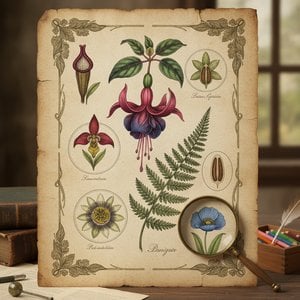
Discover the exquisite world of Victorian botanical art. Explore the intersection of scientific precision and luxury aesthetics through masterfully curated floral illustrations and hand-painted oil reproductions for discerning collectors and fine interiors.

Discover the breathtaking botanical world of Marianne North. Explore her vibrant Victorian oil paintings of exotic landscapes, from Brazil to Jamaica, through an expert art-historical lens. Perfect for classic art enthusiasts and collectors of fine natural history art.

Explore the exquisite intersection of science and art in botanical illustration. Discover the history, technical mastery, and timeless beauty of scientific floral studies from Renaissance masters to modern collectors.
 미리보기
미리보기
 공유하기
공유하기 공유하기
공유하기
 상세 정보
상세 정보 가이드 보기

 다운로드
다운로드
 유사 작품 더 보기
 X-레이
X-레이 슬라이드 쇼 보기
 질의응답
질의응답
 통계 정보
통계 정보

 더 보기
더 보기









 유리 옵션은 110cm 미만 크기에서만 선택 가능합니다.


