


 Acrylic On CanvasWallArtEarly Modernism
 1917
1917 73.0 x 116.0 cm




























작품의 원본 비율을 유지하는 미리 설정된 크기 중에서 선택하세요.

특정 프레임이나 공간에 맞도록 직접 크기를 입력할 수 있습니다. 선택하신 크기가 원본 이미지의 비율과 일치하지 않는 경우, 작품을 자르거나 추가적인 손으로 그린 요소를 사용하여 그림을 확장합니다. 제작 시작 전 승인을 위해 디지털 목업을 보내드립니다.
화면 미리 보기는 실제 자르기 또는 확장을 반영하지 않습니다. 최종 구성은 목업을 통해서만 정확하게 확인하실 수 있습니다.
맞춤 크기 제작도 가능하지만, 원본 비율을 유지하기 위해 사전 정의된 목록에서 크기를 선택하시는 것을 권장합니다.

Nude with Necklace
복제본 크기
Amedeo Modigliani's "Nude with Necklace," painted in 1917, is not merely a depiction of a reclining woman; it’s an intimate glimpse into the soul of a troubled genius. This oil on canvas, measuring 73 x 116 cm, captures a moment of profound stillness – a pregnant pause suspended within a world of melancholic beauty. The painting immediately draws the eye to the central figure, a young woman lying on her side in bed, her hand gently resting upon her face, suggesting either sleep or deep contemplation. Her posture is one of serene vulnerability, radiating an aura of quiet introspection that speaks volumes despite the lack of overt narrative.
Modigliani’s signature style—characterized by elongated forms and strikingly expressive eyes—is powerfully evident here. The woman's face, a hallmark of his work, possesses a subtly distorted elegance, her features stretched and refined to an almost ethereal quality. The neck, particularly, is elongated, contributing to the overall sense of heightened emotion and vulnerability. This deliberate manipulation of form isn’t simply stylistic; it serves to amplify the emotional weight of the scene, hinting at the underlying anxieties and longings that permeated Modigliani's life.
To fully appreciate “Nude with Necklace,” one must understand the artist’s personal circumstances. Painted in 1917, during a period marked by illness and emotional turmoil, the work reflects the pervasive sense of melancholy that defined Modigliani's artistic output. Born in Livorno, Italy, in 1884, he endured a childhood plagued by recurring bouts of sickness – pleurisy and typhoid fever—which undoubtedly shaped his sensitivity and perhaps fueled an awareness of mortality. His family’s financial instability further compounded these challenges, adding layers of hardship to his already complex existence.
The painting was created during a pivotal period in Modigliani's life, marked by his relationship with Jeanne Hébuterne, a young art student who became both muse and tragic companion. Their connection, though intense, was tragically short-lived, culminating in her suicide just months after Modigliani’s own death from tuberculosis. This personal tragedy undoubtedly casts a shadow over the work, imbuing it with an undercurrent of poignant sorrow.
Beyond the figure itself, several elements contribute to the painting's evocative power. The presence of the necklace—a simple yet elegant adornment—adds a layer of subtle detail, suggesting both beauty and perhaps a hint of fragility or ornamentation. It’s a small object that draws attention to the woman’s décolletage, further emphasizing her vulnerability. The background figures, though indistinct, serve as anchors within the composition, grounding the scene in a domestic setting while simultaneously reinforcing the sense of intimacy.
Notably, Modigliani's use of color is restrained and deliberate. The palette leans towards muted tones—soft browns, creams, and subtle blues—creating an atmosphere of quiet contemplation rather than vibrant drama. This subdued approach allows the elongated forms and expressive eyes to take center stage, drawing the viewer into the woman’s internal world.
"Nude with Necklace" stands as a testament to Modigliani's extraordinary talent and his ability to capture profound emotion through deceptively simple forms. It is a hauntingly beautiful work that continues to resonate with viewers today, offering a glimpse into the life and mind of one of art history’s most enigmatic figures. A reproduction of this captivating painting brings its quiet intensity and melancholic grace directly into your space, serving as a poignant reminder of Modigliani's enduring legacy.
아메데오 모디글리아니(Amedeo Modigliani, 1884-1920)는 20세기 초 파리 화단에서 독특한 개성을 드러낸 이탈리아 출신의 화가이자 조각가입니다. 그의 작품은 길게 늘어진 인물과 섬세하게 표현된 눈, 그리고 어딘가 모르게 슬픔이 깃든 분위기로 유명하며, 오늘날까지도 많은 사랑을 받고 있습니다. 모디글리아니의 삶은 예술적 천재성과 비극적인 고독이 뒤섞인 채 전개되었고, 그의 작품들은 이러한 삶의 흔적을 고스란히 담아내고 있습니다.
1884년 이탈리아 리보르노에서 유대인 가정에서 태어난 모디글리아니는 어린 시절부터 병약했습니다. 폐렴과 결핵으로 수차례 생사를 헤매면서, 그는 세상의 아름다움과 덧없음을 더욱 깊이 느끼게 되었을 것입니다. 가족의 경제적 어려움 속에서도 어머니와 할아버지로부터 니체, 보들레르, 랭보 등 당대 지성인들의 사상을 접하며 예술적 감수성을 키워나갔습니다. 리보르노에서 미술 교육을 받은 후, 그는 1906년 파리로 건너가 본격적인 예술 활동을 시작했습니다.
파리는 당시 유럽 예술의 중심지였고, 모디글리아니는 이곳에서 피카소, 브랑쿠시 등 당대 최고의 화가들과 교류하며 영감을 얻었습니다. 초기에는 입체주의에 심취하기도 했지만, 곧 자신만의 독자적인 스타일을 구축하기 위해 노력했습니다. 그는 아프리카 조각과 고대 로마네스크 양식의 영향을 받아 인물의 형태를 길게 늘리고 단순화하는 기법을 발전시켰습니다. 특히 그의 초상화는 길고 가느다란 목, 둥글고 커다란 눈, 그리고 어딘가 모르게 슬픔이 느껴지는 표정으로 특징지어집니다. 이러한 표현은 인물의 내면 심리를 섬세하게 포착하며 보는 이의 마음을 사로잡습니다.
모디글리아니는 또한 조각에도 몰두하여 인간 형태를 추상적으로 단순화한 작품들을 제작했습니다. 그의 조각들은 브랑쿠시의 영향을 받았지만, 더욱 유기적이고 부드러운 곡선으로 표현되어 독자적인 매력을 지닙니다. 그러나 당시 파리 미술계에서는 그의 작품이 난해하고 기괴하다는 평가를 받으며 큰 호응을 얻지 못했습니다.
예술적 성공과는 달리 모디글리아니의 삶은 경제적인 어려움과 건강 악화로 가득했습니다. 그는 종종 굶주림에 시달렸고, 결핵으로 인해 고통받았습니다. 1917년, 젊은 화가 잔 에뷔트른(Jeanne Hébuterne)과 사랑에 빠졌지만, 그들의 관계는 비극적인 운명을 맞이합니다. 잔은 모디글리아니의 모델이자 뮤즈였으며, 그의 작품에서 가장 아름다운 초상화들을 탄생시켰습니다. 그러나 1920년, 잔은 임신한 채 스스로 목숨을 끊었고, 모디글리아니는 슬픔에 잠긴 채 얼마 뒤 결핵으로 세상을 떠났습니다.
모디글리아니가 생전에 큰 성공을 거두지 못했지만, 그의 죽음 이후 그의 작품은 점차 재평가를 받기 시작했습니다. 20세기 미술사에서 중요한 위치를 차지하게 되었고, 오늘날에는 세계적인 명성을 얻고 있습니다. 그의 초상화는 인간의 내면 심리를 섬세하게 포착하고 있으며, 슬픔과 아름다움이 공존하는 독특한 분위기를 자아냅니다. 모디글리아니의 작품은 단순함 속에 담긴 깊은 사유와 예술적 진실을 보여주는 대표적인 사례로 평가받고 있습니다.

1884 - 1920 , 이탈리아

Discover the breathtaking allure of Art Deco. Explore the era's iconic geometry, legendary designers like Erté, and timeless glamour. Perfect for discerning collectors seeking to infuse their spaces with sophisticated modernist elegance and historical prestige.
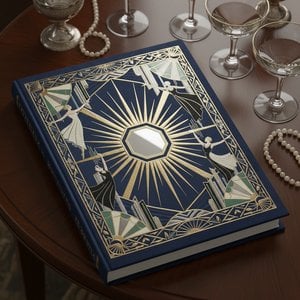
Discover the allure of Art Deco through a curated guide to its most iconic masterpieces. Explore the elegance of Erté and the innovation of Jean Dunand, perfect for collectors seeking timeless glamour and sophisticated design inspiration.
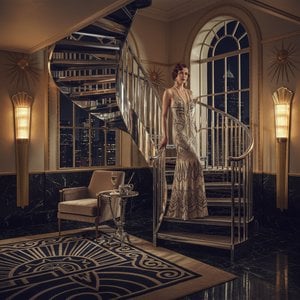
Discover the allure of Art Deco style with our expert guide to luxury interiors. Explore iconic influences from Erté to Jean Dunand and learn to curate a sophisticated space filled with timeless glamour and geometric elegance.

Discover the unparalleled elegance of Art Deco through the lens of Erté. Explore a masterclass in linear precision, theatrical costume design, and high-fashion illustration that continues to define modern luxury and sophisticated interior aesthetics.
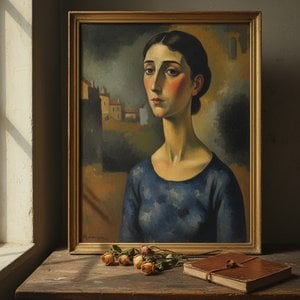
Delve into the haunting beauty of Amedeo Modigliani's portraits. Explore the intersection of Expressionism and Modernism through an expert analysis of his iconic elongated forms, melancholic gazes, and profound influence on art history.


 미리보기
미리보기
 프린트 구매
 공유하기
공유하기 공유하기
공유하기
 상세 정보
상세 정보

 다운로드
다운로드
 유사 작품
유사 작품 X-레이
X-레이 슬라이드 쇼
 더 보기
더 보기









 유리 옵션은 110cm 미만 크기에서만 선택 가능합니다.


