
 Oil On CanvasWallArtExpressionist Portraiture
 1919Early Medieval
 100.0 x 64.0 cm
 Museu de Arte
빠른 제작과 다양한 마감 옵션을 제공하는 박물관 품질의 지클레이 또는 캔버스 프린트. ( 손으로 그린 그림 구매 디지털 이미지로 전환)





























작품의 원본 비율을 유지하는 미리 설정된 크기 중에서 선택하세요.

특정 프레임이나 공간에 맞춰 직접 치수를 입력하실 수 있습니다. 선택하신 사이즈가 원본 이미지의 비율과 일치하지 않을 경우, 작품을 크롭(자르기)하거나 이미지를 대칭 또는 단색 채우기로 확장하여 제작합니다. 제작 시작 전, 최종 확인을 위해 디지털 목업이 전송됩니다.
화면상의 미리보기는 실제 크롭이나 확장 상태를 반영하지 않으므로, 최종 구도는 오직 목업을 통해서만 정확하게 확인하실 수 있습니다.
맞춤 사이즈 제작도 가능하지만, 원본 비율을 유지하기 위해서는 사전 정의된 목록에서 치수를 선택하시는 것을 권장합니다.

Leopold Zborowski
복제본 크기
Amedeo Modigliani's 1919 portrait, *Leopold Zborowski*, is more than just a likeness; it’s a distilled essence of the artist’s signature style – a haunting blend of elegance and profound sadness. Housed within the Museo de Arte in São Paulo, Brazil, this oil on canvas offers a glimpse into the world of a man shrouded in mystery and a period defined by artistic upheaval. The painting immediately draws the eye to its subject: a distinguished gentleman with a carefully cultivated beard and mustache, impeccably dressed in a suit and tie, seated with an air of quiet contemplation. Yet, it’s not merely a portrait of appearance; Modigliani masterfully captures something deeper – a sense of underlying melancholy that resonates long after the initial viewing.
Modigliani's distinctive style is instantly recognizable through his elongated forms and simplified shapes. In *Leopold Zborowski*, this manifests in the subtly stretched features of the subject, particularly the nose and jawline, a hallmark of his artistic vocabulary. The color palette is deliberately restrained – muted browns, grays, and ochres dominate, creating an atmosphere of subdued intensity. This isn’t a vibrant celebration of life; rather, it's a quiet meditation on its transience. Notice how Modigliani employs broken brushstrokes, layering colors to create depth and texture while simultaneously suggesting a sense of fragility and impermanence. The background figures, rendered with less detail, serve not as distractions but as subtle anchors within the composition, reinforcing the focus on the central subject’s introspective gaze.
Painted in 1919, *Leopold Zborowski* firmly places itself within the burgeoning movement of Expressionism. This wasn't simply a stylistic choice for Modigliani; it reflected a broader cultural shift—a rejection of academic realism in favor of conveying subjective emotions and experiences. The painting’s emotional intensity aligns with the core tenets of Expressionism, prioritizing feeling over objective representation. Crucially, *Leopold Zborowski* was commissioned by Leopold Zborowski himself, a wealthy Polish art collector and dealer who played a pivotal role in fostering the careers of many avant-garde artists, including Modigliani. The painting is thus inextricably linked to this influential circle, offering a rare insight into the social dynamics and artistic patronage of the time. Zborowski’s own enigmatic personality undoubtedly informed the portrait's mood.
While seemingly straightforward, *Leopold Zborowski* is rich in subtle symbolism. The subject’s attire – a suit and tie – suggests an important social occasion, perhaps a business meeting or a formal gathering. However, his expression conveys a sense of detachment, as if he's observing the world from a distance. The background figures, though small, could represent the complexities of relationships and the fleeting nature of human connection. The overall composition feels deliberately unbalanced, mirroring the emotional weight of the subject’s internal state. It is a portrait that speaks volumes without uttering a single word, inviting viewers to contemplate the unspoken anxieties and longings of its sitter.
WahooArt offers meticulously crafted hand-painted reproductions of *Leopold Zborowski*, allowing you to experience Modigliani’s masterpiece in exquisite detail. Each reproduction captures not only the visual elements but also the emotional depth and atmospheric quality of the original painting. Whether displayed in a grand salon or a quiet study, this artwork will serve as a constant reminder of Modigliani's profound artistic vision – a testament to beauty, melancholy, and the enduring power of art to evoke emotion.

아메데오 모디글리아니(Amedeo Modigliani, 1884-1920)는 20세기 초 파리 화단에서 독특한 개성을 드러낸 이탈리아 출신의 화가이자 조각가입니다. 그의 작품은 길게 늘어진 인물과 섬세하게 표현된 눈, 그리고 어딘가 모르게 슬픔이 깃든 분위기로 유명하며, 오늘날까지도 많은 사랑을 받고 있습니다. 모디글리아니의 삶은 예술적 천재성과 비극적인 고독이 뒤섞인 채 전개되었고, 그의 작품들은 이러한 삶의 흔적을 고스란히 담아내고 있습니다.
1884년 이탈리아 리보르노에서 유대인 가정에서 태어난 모디글리아니는 어린 시절부터 병약했습니다. 폐렴과 결핵으로 수차례 생사를 헤매면서, 그는 세상의 아름다움과 덧없음을 더욱 깊이 느끼게 되었을 것입니다. 가족의 경제적 어려움 속에서도 어머니와 할아버지로부터 니체, 보들레르, 랭보 등 당대 지성인들의 사상을 접하며 예술적 감수성을 키워나갔습니다. 리보르노에서 미술 교육을 받은 후, 그는 1906년 파리로 건너가 본격적인 예술 활동을 시작했습니다.
파리는 당시 유럽 예술의 중심지였고, 모디글리아니는 이곳에서 피카소, 브랑쿠시 등 당대 최고의 화가들과 교류하며 영감을 얻었습니다. 초기에는 입체주의에 심취하기도 했지만, 곧 자신만의 독자적인 스타일을 구축하기 위해 노력했습니다. 그는 아프리카 조각과 고대 로마네스크 양식의 영향을 받아 인물의 형태를 길게 늘리고 단순화하는 기법을 발전시켰습니다. 특히 그의 초상화는 길고 가느다란 목, 둥글고 커다란 눈, 그리고 어딘가 모르게 슬픔이 느껴지는 표정으로 특징지어집니다. 이러한 표현은 인물의 내면 심리를 섬세하게 포착하며 보는 이의 마음을 사로잡습니다.
모디글리아니는 또한 조각에도 몰두하여 인간 형태를 추상적으로 단순화한 작품들을 제작했습니다. 그의 조각들은 브랑쿠시의 영향을 받았지만, 더욱 유기적이고 부드러운 곡선으로 표현되어 독자적인 매력을 지닙니다. 그러나 당시 파리 미술계에서는 그의 작품이 난해하고 기괴하다는 평가를 받으며 큰 호응을 얻지 못했습니다.
예술적 성공과는 달리 모디글리아니의 삶은 경제적인 어려움과 건강 악화로 가득했습니다. 그는 종종 굶주림에 시달렸고, 결핵으로 인해 고통받았습니다. 1917년, 젊은 화가 잔 에뷔트른(Jeanne Hébuterne)과 사랑에 빠졌지만, 그들의 관계는 비극적인 운명을 맞이합니다. 잔은 모디글리아니의 모델이자 뮤즈였으며, 그의 작품에서 가장 아름다운 초상화들을 탄생시켰습니다. 그러나 1920년, 잔은 임신한 채 스스로 목숨을 끊었고, 모디글리아니는 슬픔에 잠긴 채 얼마 뒤 결핵으로 세상을 떠났습니다.
모디글리아니가 생전에 큰 성공을 거두지 못했지만, 그의 죽음 이후 그의 작품은 점차 재평가를 받기 시작했습니다. 20세기 미술사에서 중요한 위치를 차지하게 되었고, 오늘날에는 세계적인 명성을 얻고 있습니다. 그의 초상화는 인간의 내면 심리를 섬세하게 포착하고 있으며, 슬픔과 아름다움이 공존하는 독특한 분위기를 자아냅니다. 모디글리아니의 작품은 단순함 속에 담긴 깊은 사유와 예술적 진실을 보여주는 대표적인 사례로 평가받고 있습니다.

1884 - 1920 , 이탈리아
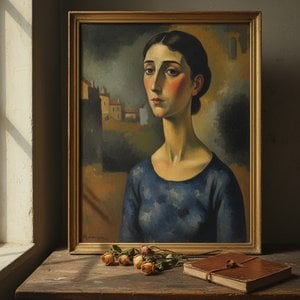
Delve into the haunting beauty of Amedeo Modigliani's portraits. Explore the intersection of Expressionism and Modernism through an expert analysis of his iconic elongated forms, melancholic gazes, and profound influence on art history.


 미리보기
미리보기
 공유하기
공유하기 공유하기
공유하기
 상세 정보
상세 정보 가이드 보기

 다운로드
다운로드
 유사 작품
유사 작품 X-레이
X-레이 슬라이드 쇼
 통계 정보
통계 정보 더 보기
더 보기









 유리 옵션은 110cm 미만 크기에서만 선택 가능합니다.


