

빠른 제작과 다양한 마감 옵션을 선택할 수 있는 박물관 수준의 지클레이 및 캔버스 프린트. ( 수작업 채색 복제본 주문하기 디지털 이미지 판매 채널로 전환)





























작품의 원본 비율을 그대로 유지하는 프리셋 사이즈 중에서 선택해 보세요.

액자나 벽면 크기에 맞춰 필요한 가로와 세로 길이를 입력해 주세요. 프린트는 원본 이미지보다 크게 제작할 수 없으며 오직 자르는 것만 가능하므로, 비율이 다른 사이즈를 선택할 경우 이미지의 일부가 잘려 나갈 수 있습니다. 인쇄 작업에 들어가기 전, 최종 확인을 위해 디지털 목업을 보내드립니다. 이 페이지에 표시된 이미지는 실제 잘리는 영역을 나타내지 않으며, 오직 목업을 통해서만 정확한 확인이 가능합니다.
Frans Hellens
복제본 규격
In the quiet, evocative realm of early 20th-century portraiture, few works capture the profound weight of human introspection quite like Amedeo Modigliani’s 1919 masterpiece, “Man with Glasses.” This painting is far more than a mere likeness; it is an intimate encounter with a solitary soul. The subject, rendered in a striking profile that has become a hallmark of the artist's oeuvre, gazes outward with an expression that oscillates between quiet contemplation and a deep-seated, haunting sadness. By centering the man’s head within the frame, Modigliani strips away the distractions of the external world, forcing the viewer into a direct, almost uncomfortably personal confrontation with the subject's psychological state.
The technique employed in this piece reveals a masterful command of disegno, where the precision of line and form takes precedence over mere decorative flourish. Modigliani utilizes subtle, masterful shading to sculpt the contours of the man’s face, lending a remarkable sense of three-dimensional realism to his otherwise stylized features. The elongated neck and streamlined facial structure are quintessential Modigliani, yet they are grounded by a meticulous observation of anatomy. This delicate balance between abstraction and realism creates a tension that keeps the eye moving, searching for meaning within the smooth, deliberate strokes of the brush.
Created during Modigliani’s formative years in Paris, this portrait emerged at a time when the art world was being radically reshaped by Cubism and Futurism. While his contemporaries were deconstructing reality into geometric fragments, Modigliani chose a different path, looking backward to the emotional depth of Symbolism while forging a modern, singular identity. The inclusion of eyeglasses in this portrait serves as a profound symbolic device; they are not merely an accessory but a window into the subject's intellect and his inward-looking nature. Through these lenses, we witness a man caught in the throes of an era defined by post-war anxiety and the search for individual truth.
The emotional resonance of the work is amplified by its muted, earthy palette. Dominated by rich browns, warm ochres, and soft shadows, the color scheme evokes a sense of timelessness and somber dignity. The blurred, indistinct background further isolates the figure, creating a vacuum of space that emphasizes his solitude. For the collector or the admirer, this painting offers a window into the artist's own struggles with illness and disillusionment, making the "Man with Glasses" a universal emblem of the human condition—a testament to the beauty found within sorrow.
For the discerning interior designer or art enthusiast, “Man with Glasses” offers unparalleled decorative potential. Its sophisticated and understated aesthetic makes it a versatile centerpiece for a variety of high-end environments. The painting’s neutral tones allow it to harmonize seamlessly with contemporary minimalist decor, mid-century modern furniture, or even more classical, traditional settings. It provides a focal point that invites conversation without overwhelming the room, acting as a quiet anchor of intellectual depth.
Integrating a high-quality reproduction of this work into a living space brings with it an atmosphere of cultured refinement. Whether placed in a sunlit study or a moody, dimly lit gallery wall, the portrait’s ability to evoke emotion ensures that it remains a living part of the home's narrative. It is an investment in mood and meaning, offering anyone who views it a moment of stillness and a profound connection to the enduring legacy of Amedeo Modigliani.
모딜리아니의 "Frans Hellens"의 색채는 Softly Mixed Palette 조화를 보여줍니다. 조화란 색상들이 서로 어떻게 어우러지는지를 의미합니다.
모딜리아니의 "Frans Hellens"의 디지털 이미지는 다음의 디지털 이미지 페이지에서 구매하실 수 있습니다: 고해상도 디지털 이미지 다운로드.
모딜리아니의 "Frans Hellens"의 미리보기를 작품의 미리보기 페이지에서 확인하실 수 있습니다.
아메데오 모디글리아니(Amedeo Modigliani, 1884-1920)는 20세기 초 파리 화단에서 독특한 개성을 드러낸 이탈리아 출신의 화가이자 조각가입니다. 그의 작품은 길게 늘어진 인물과 섬세하게 표현된 눈, 그리고 어딘가 모르게 슬픔이 깃든 분위기로 유명하며, 오늘날까지도 많은 사랑을 받고 있습니다. 모디글리아니의 삶은 예술적 천재성과 비극적인 고독이 뒤섞인 채 전개되었고, 그의 작품들은 이러한 삶의 흔적을 고스란히 담아내고 있습니다.
1884년 이탈리아 리보르노에서 유대인 가정에서 태어난 모디글리아니는 어린 시절부터 병약했습니다. 폐렴과 결핵으로 수차례 생사를 헤매면서, 그는 세상의 아름다움과 덧없음을 더욱 깊이 느끼게 되었을 것입니다. 가족의 경제적 어려움 속에서도 어머니와 할아버지로부터 니체, 보들레르, 랭보 등 당대 지성인들의 사상을 접하며 예술적 감수성을 키워나갔습니다. 리보르노에서 미술 교육을 받은 후, 그는 1906년 파리로 건너가 본격적인 예술 활동을 시작했습니다.
파리는 당시 유럽 예술의 중심지였고, 모디글리아니는 이곳에서 피카소, 브랑쿠시 등 당대 최고의 화가들과 교류하며 영감을 얻었습니다. 초기에는 입체주의에 심취하기도 했지만, 곧 자신만의 독자적인 스타일을 구축하기 위해 노력했습니다. 그는 아프리카 조각과 고대 로마네스크 양식의 영향을 받아 인물의 형태를 길게 늘리고 단순화하는 기법을 발전시켰습니다. 특히 그의 초상화는 길고 가느다란 목, 둥글고 커다란 눈, 그리고 어딘가 모르게 슬픔이 느껴지는 표정으로 특징지어집니다. 이러한 표현은 인물의 내면 심리를 섬세하게 포착하며 보는 이의 마음을 사로잡습니다.
모디글리아니는 또한 조각에도 몰두하여 인간 형태를 추상적으로 단순화한 작품들을 제작했습니다. 그의 조각들은 브랑쿠시의 영향을 받았지만, 더욱 유기적이고 부드러운 곡선으로 표현되어 독자적인 매력을 지닙니다. 그러나 당시 파리 미술계에서는 그의 작품이 난해하고 기괴하다는 평가를 받으며 큰 호응을 얻지 못했습니다.
예술적 성공과는 달리 모디글리아니의 삶은 경제적인 어려움과 건강 악화로 가득했습니다. 그는 종종 굶주림에 시달렸고, 결핵으로 인해 고통받았습니다. 1917년, 젊은 화가 잔 에뷔트른(Jeanne Hébuterne)과 사랑에 빠졌지만, 그들의 관계는 비극적인 운명을 맞이합니다. 잔은 모디글리아니의 모델이자 뮤즈였으며, 그의 작품에서 가장 아름다운 초상화들을 탄생시켰습니다. 그러나 1920년, 잔은 임신한 채 스스로 목숨을 끊었고, 모디글리아니는 슬픔에 잠긴 채 얼마 뒤 결핵으로 세상을 떠났습니다.
모디글리아니가 생전에 큰 성공을 거두지 못했지만, 그의 죽음 이후 그의 작품은 점차 재평가를 받기 시작했습니다. 20세기 미술사에서 중요한 위치를 차지하게 되었고, 오늘날에는 세계적인 명성을 얻고 있습니다. 그의 초상화는 인간의 내면 심리를 섬세하게 포착하고 있으며, 슬픔과 아름다움이 공존하는 독특한 분위기를 자아냅니다. 모디글리아니의 작품은 단순함 속에 담긴 깊은 사유와 예술적 진실을 보여주는 대표적인 사례로 평가받고 있습니다.

1884 - 1920 , 이탈리아

Discover the breathtaking allure of Art Deco. Explore the era's iconic geometry, legendary designers like Erté, and timeless glamour. Perfect for discerning collectors seeking to infuse their spaces with sophisticated modernist elegance and historical prestige.
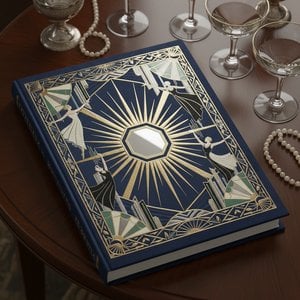
Discover the allure of Art Deco through a curated guide to its most iconic masterpieces. Explore the elegance of Erté and the innovation of Jean Dunand, perfect for collectors seeking timeless glamour and sophisticated design inspiration.

Discover the unparalleled elegance of Art Deco through the lens of Erté. Explore a masterclass in linear precision, theatrical costume design, and high-fashion illustration that continues to define modern luxury and sophisticated interior aesthetics.
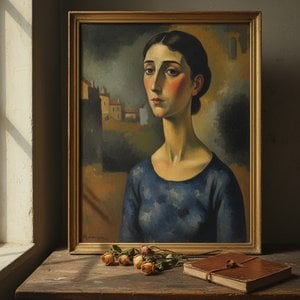
Delve into the haunting beauty of Amedeo Modigliani's portraits. Explore the intersection of Expressionism and Modernism through an expert analysis of his iconic elongated forms, melancholic gazes, and profound influence on art history.
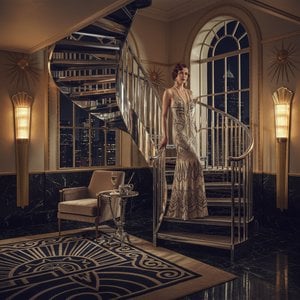
Discover the allure of Art Deco style with our expert guide to luxury interiors. Explore iconic influences from Erté to Jean Dunand and learn to curate a sophisticated space filled with timeless glamour and geometric elegance.

 실제 크기로 보기
 보내기
보내기 공유하기
공유하기
 상세 보기
상세 보기 가이드 보기

 이미지 다운로드
 유사 작품 더 보기
 X-레이
X-레이 슬라이드 쇼 보기
 통계 정보
통계 정보

 상세 보기
상세 보기









 유리 옵션은 110cm 미만 크기에서만 선택 가능합니다.


