
빠른 제작과 다양한 마감 옵션을 제공하는 박물관 품질의 지클레이 또는 캔버스 프린트. ( 손으로 그린 그림 구매 디지털 이미지로 전환)





























작품의 원본 비율을 유지하는 미리 설정된 크기 중에서 선택하세요.

특정 프레임이나 공간에 맞춰 직접 치수를 입력하실 수 있습니다. 선택하신 사이즈가 원본 이미지의 비율과 일치하지 않을 경우, 작품을 크롭(자르기)하거나 이미지를 대칭 또는 단색 채우기로 확장하여 제작합니다. 제작 시작 전, 최종 확인을 위해 디지털 목업이 전송됩니다.
화면상의 미리보기는 실제 크롭이나 확장 상태를 반영하지 않으므로, 최종 구도는 오직 목업을 통해서만 정확하게 확인하실 수 있습니다.
맞춤 사이즈 제작도 가능하지만, 원본 비율을 유지하기 위해서는 사전 정의된 목록에서 치수를 선택하시는 것을 권장합니다.

Female head
복제본 크기
This captivating image, meticulously rendered as a hand-painted reproduction of Amedeo Modigliani's “Female Head,” offers more than just a visual representation; it invites us into the shadowed world of one of modern art’s most poignant figures. The photograph itself—a carefully staged corner within an art gallery—immediately establishes a sense of reverence, mirroring the quiet contemplation that Modigliani sought to evoke in his work. The deep charcoal tones of the walls and floor create a dramatic backdrop, highlighting the luminous frames surrounding the paintings and drawing our eye towards the subjects themselves – a testament to the artist’s deliberate use of light and space.
Modigliani's “Female Head,” created around 1908, stands as a pivotal work in his early career. It embodies the nascent stages of his signature style: elongated forms, subtly distorted features, and an underlying current of melancholy that would become hallmarks of his oeuvre. The piece isn’t merely a portrait; it's a distilled essence of human emotion—a suggestion of longing, vulnerability, and perhaps even a touch of despair. The influence of antiquity is palpable – echoes of Egyptian sculpture and classical ideals are subtly interwoven with the artist’s own innovative approach.
Examining the photograph reveals Modigliani's masterful technique, evident in the meticulous detail of the frame and the subtle variations within the painted surfaces. The use of strong vertical lines created by the frames anchors the composition while diagonal lines introduced by the corner perspective add a dynamic tension. The placement of the single red chair – slightly out of focus – serves as a deliberate compositional element, inviting the viewer to imagine themselves in this space, engaging with the artwork on a personal level. The varying colors within the paintings—blues and whites, browns and yellows, pinks and tans—suggest a rich tapestry of artistic influences and experimentation.
The photograph’s realistic style effectively captures the texture of the frames – hinting at ornate detailing – and the implied textures of the painted surfaces themselves. It's a deliberate choice that emphasizes the physicality of the artwork, reminding us that these are tangible objects created through painstaking labor. The lighting, focused and dramatic, highlights the contours of the faces within the paintings, imbuing them with an almost ethereal quality.
Beyond its formal elements, “Female Head” is laden with symbolic weight. The darkened environment surrounding the artwork contributes to a sense of intimacy and reverence, encouraging quiet contemplation. The isolated figure within the frame speaks to themes of loneliness, introspection, and perhaps even unfulfilled desire – sentiments that were deeply intertwined with Modigliani’s own life. His personal struggles—illness, financial hardship, and a tragically short-lived romance with Jeanne Hébuterne— undoubtedly informed his artistic vision.
The photograph itself, presented within an art gallery setting, reinforces this symbolic dimension. It suggests that the artwork is not merely an object of aesthetic appreciation but also a conduit to deeper emotional understanding. The red chair, a solitary presence in the foreground, symbolizes a moment of quiet observation—a space for reflection and connection with the artist’s vision.
WahooArt's hand-painted reproduction captures not only the visual details of Modigliani’s “Female Head” but also its inherent emotional power. Each brushstroke is meticulously recreated, ensuring that the artwork retains its original depth and nuance. This piece offers a unique opportunity to bring this iconic work into your home or office—a testament to Modigliani's enduring legacy and a window into the soul of a tragically beautiful artist. The 5 x 25 cm size makes it ideal for display on shelves, desks, or as part of a curated art collection. It’s more than just a print; it’s an experience.

아메데오 모디글리아니(Amedeo Modigliani, 1884-1920)는 20세기 초 파리 화단에서 독특한 개성을 드러낸 이탈리아 출신의 화가이자 조각가입니다. 그의 작품은 길게 늘어진 인물과 섬세하게 표현된 눈, 그리고 어딘가 모르게 슬픔이 깃든 분위기로 유명하며, 오늘날까지도 많은 사랑을 받고 있습니다. 모디글리아니의 삶은 예술적 천재성과 비극적인 고독이 뒤섞인 채 전개되었고, 그의 작품들은 이러한 삶의 흔적을 고스란히 담아내고 있습니다.
1884년 이탈리아 리보르노에서 유대인 가정에서 태어난 모디글리아니는 어린 시절부터 병약했습니다. 폐렴과 결핵으로 수차례 생사를 헤매면서, 그는 세상의 아름다움과 덧없음을 더욱 깊이 느끼게 되었을 것입니다. 가족의 경제적 어려움 속에서도 어머니와 할아버지로부터 니체, 보들레르, 랭보 등 당대 지성인들의 사상을 접하며 예술적 감수성을 키워나갔습니다. 리보르노에서 미술 교육을 받은 후, 그는 1906년 파리로 건너가 본격적인 예술 활동을 시작했습니다.
파리는 당시 유럽 예술의 중심지였고, 모디글리아니는 이곳에서 피카소, 브랑쿠시 등 당대 최고의 화가들과 교류하며 영감을 얻었습니다. 초기에는 입체주의에 심취하기도 했지만, 곧 자신만의 독자적인 스타일을 구축하기 위해 노력했습니다. 그는 아프리카 조각과 고대 로마네스크 양식의 영향을 받아 인물의 형태를 길게 늘리고 단순화하는 기법을 발전시켰습니다. 특히 그의 초상화는 길고 가느다란 목, 둥글고 커다란 눈, 그리고 어딘가 모르게 슬픔이 느껴지는 표정으로 특징지어집니다. 이러한 표현은 인물의 내면 심리를 섬세하게 포착하며 보는 이의 마음을 사로잡습니다.
모디글리아니는 또한 조각에도 몰두하여 인간 형태를 추상적으로 단순화한 작품들을 제작했습니다. 그의 조각들은 브랑쿠시의 영향을 받았지만, 더욱 유기적이고 부드러운 곡선으로 표현되어 독자적인 매력을 지닙니다. 그러나 당시 파리 미술계에서는 그의 작품이 난해하고 기괴하다는 평가를 받으며 큰 호응을 얻지 못했습니다.
예술적 성공과는 달리 모디글리아니의 삶은 경제적인 어려움과 건강 악화로 가득했습니다. 그는 종종 굶주림에 시달렸고, 결핵으로 인해 고통받았습니다. 1917년, 젊은 화가 잔 에뷔트른(Jeanne Hébuterne)과 사랑에 빠졌지만, 그들의 관계는 비극적인 운명을 맞이합니다. 잔은 모디글리아니의 모델이자 뮤즈였으며, 그의 작품에서 가장 아름다운 초상화들을 탄생시켰습니다. 그러나 1920년, 잔은 임신한 채 스스로 목숨을 끊었고, 모디글리아니는 슬픔에 잠긴 채 얼마 뒤 결핵으로 세상을 떠났습니다.
모디글리아니가 생전에 큰 성공을 거두지 못했지만, 그의 죽음 이후 그의 작품은 점차 재평가를 받기 시작했습니다. 20세기 미술사에서 중요한 위치를 차지하게 되었고, 오늘날에는 세계적인 명성을 얻고 있습니다. 그의 초상화는 인간의 내면 심리를 섬세하게 포착하고 있으며, 슬픔과 아름다움이 공존하는 독특한 분위기를 자아냅니다. 모디글리아니의 작품은 단순함 속에 담긴 깊은 사유와 예술적 진실을 보여주는 대표적인 사례로 평가받고 있습니다.

1884 - 1920 , 이탈리아

Discover the profound beauty of Modigliani-style art. Explore the elegance of elongated forms and soulful portraits through our expert curation of hand-painted oil reproductions and museum-quality prints designed for the sophisticated collector.
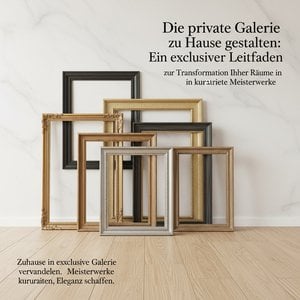
Master the art of private curation with our expert guide on designing a museum-quality home gallery. Learn professional techniques for lighting, spatial composition, and integrating bespoke masterpieces to elevate your estate into a sophisticated sanctuary of fine art.

Elevate your gallery's prestige with WahooArt.com’s elite white-label art fulfillment. We offer bespoke B2B branding, custom oil reproductions, and seamless global logistics designed for professionals seeking unparalleled excellence in fine art distribution.
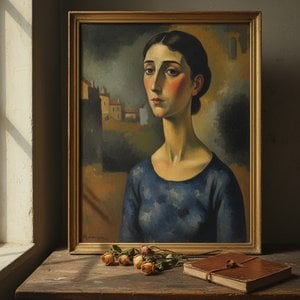
Delve into the haunting beauty of Amedeo Modigliani's portraits. Explore the intersection of Expressionism and Modernism through an expert analysis of his iconic elongated forms, melancholic gazes, and profound influence on art history.


 미리보기
미리보기
 공유하기
공유하기 공유하기
공유하기
 상세 정보
상세 정보

 다운로드
다운로드
 유사 작품
유사 작품 X-레이
X-레이 슬라이드 쇼
 통계 정보
통계 정보


 더 보기
더 보기









 유리 옵션은 110cm 미만 크기에서만 선택 가능합니다.


