
빠른 제작과 다양한 마감 옵션을 제공하는 박물관 품질의 지클레이 또는 캔버스 프린트. ( 손으로 그린 그림 구매 디지털 이미지로 전환)





























작품의 원본 비율을 유지하는 미리 설정된 크기 중에서 선택하세요.

특정 프레임이나 공간에 맞춰 직접 치수를 입력하실 수 있습니다. 선택하신 사이즈가 원본 이미지의 비율과 일치하지 않을 경우, 작품을 크롭(자르기)하거나 이미지를 대칭 또는 단색 채우기로 확장하여 제작합니다. 제작 시작 전, 최종 확인을 위해 디지털 목업이 전송됩니다.
화면상의 미리보기는 실제 크롭이나 확장 상태를 반영하지 않으므로, 최종 구도는 오직 목업을 통해서만 정확하게 확인하실 수 있습니다.
맞춤 사이즈 제작도 가능하지만, 원본 비율을 유지하기 위해서는 사전 정의된 목록에서 치수를 선택하시는 것을 권장합니다.

Elena Povolozky
복제본 크기
Amedeo Modigliani's 1917 portrait of Elena Povolozky is more than just a likeness; it’s a distilled essence of Parisian artistic life, a poignant meditation on beauty, longing, and the fleeting nature of connection. The painting captures not merely a woman’s appearance but her spirit – a subtle sadness that resonates deeply within the viewer long after the initial glance. It's a work steeped in the atmosphere of pre-war Montparnasse, a vibrant hub where artistic ambition mingled with bohemian eccentricity, and where Modigliani himself found both inspiration and struggle.
The portrait’s genesis is intertwined with the lives of its subjects. Elena Povolozky, a Russian émigré artist and gallery owner, was a vital figure in the Parisian art scene, generously supporting Modigliani and Soutine amidst their own challenges. Their shared patronage formed a reciprocal bond—Modigliani gifting her this intimate portrait as a token of his appreciation, likely executed within his own studio. This exchange speaks volumes about the collaborative spirit of the era, where artists nurtured one another’s careers and found solace in mutual support. The story behind the painting elevates it beyond a simple artistic exercise; it becomes a miniature drama of friendship and gratitude.
Modigliani's masterful technique is immediately apparent in the portrait’s elongated forms and carefully modulated colors. He eschews sharp, defined edges, instead favoring flowing lines that subtly suggest volume and shape. The face is rendered with broad planes of color – blues, browns, and creams – creating a sense of plasticity reminiscent of Cézanne's influence. This deliberate simplification, characteristic of Modigliani’s style, draws attention to the essential features of the subject while simultaneously conveying an underlying emotional depth. Notice how the neck, elongated and gracefully curved, mirrors the overall composition, contributing to the painting’s dreamlike quality.
The muted palette contributes significantly to the portrait's melancholic mood. It’s a deliberate choice, reflecting the prevailing atmosphere of post-Impressionism and foreshadowing the darker tones often found in Modigliani’s later works. The subtle shifts in tone – particularly around the eyes and mouth – create an illusion of depth and movement, drawing the viewer into Elena Povolozky's gaze.
Elena Povolozky’s expression is undeniably wistful. Her almond-shaped eyes, a hallmark of Modigliani’s style, hold a quiet sadness that speaks to the complexities of her life as an artist navigating a foreign land. The elongated neck, a recurring motif in his portraits, isn't merely a stylistic choice; it symbolizes vulnerability and introspection – a visual representation of the emotional weight she carries. The vertical inscription of “ELENA” on the left side adds another layer to this symbolism, anchoring her identity within the frame while simultaneously hinting at her artistic profession.
Beyond personal sorrow, the portrait can be interpreted as an emblem of the era’s broader anxieties. The shadow of war loomed over Europe in 1917, and Modigliani's work often grappled with themes of isolation, loss, and the fragility of beauty. Elena Povolozky embodies this sentiment – a woman caught between worlds, striving for recognition while confronting the inevitable uncertainties of life.
“Elena Povolozky” is a quintessential Modigliani portrait, capturing not just a physical likeness but also the artist’s profound understanding of human emotion. Its enduring appeal lies in its ability to evoke a sense of quiet contemplation and melancholic beauty. Reproductions offer an exceptional opportunity to bring this evocative work into any setting, allowing viewers to experience firsthand the artistry and emotional depth that define Modigliani's legacy. The painting’s timeless quality makes it a compelling addition to both private collections and commercial spaces, serving as a poignant reminder of the complexities of human connection and the enduring power of art.

아메데오 모디글리아니(Amedeo Modigliani, 1884-1920)는 20세기 초 파리 화단에서 독특한 개성을 드러낸 이탈리아 출신의 화가이자 조각가입니다. 그의 작품은 길게 늘어진 인물과 섬세하게 표현된 눈, 그리고 어딘가 모르게 슬픔이 깃든 분위기로 유명하며, 오늘날까지도 많은 사랑을 받고 있습니다. 모디글리아니의 삶은 예술적 천재성과 비극적인 고독이 뒤섞인 채 전개되었고, 그의 작품들은 이러한 삶의 흔적을 고스란히 담아내고 있습니다.
1884년 이탈리아 리보르노에서 유대인 가정에서 태어난 모디글리아니는 어린 시절부터 병약했습니다. 폐렴과 결핵으로 수차례 생사를 헤매면서, 그는 세상의 아름다움과 덧없음을 더욱 깊이 느끼게 되었을 것입니다. 가족의 경제적 어려움 속에서도 어머니와 할아버지로부터 니체, 보들레르, 랭보 등 당대 지성인들의 사상을 접하며 예술적 감수성을 키워나갔습니다. 리보르노에서 미술 교육을 받은 후, 그는 1906년 파리로 건너가 본격적인 예술 활동을 시작했습니다.
파리는 당시 유럽 예술의 중심지였고, 모디글리아니는 이곳에서 피카소, 브랑쿠시 등 당대 최고의 화가들과 교류하며 영감을 얻었습니다. 초기에는 입체주의에 심취하기도 했지만, 곧 자신만의 독자적인 스타일을 구축하기 위해 노력했습니다. 그는 아프리카 조각과 고대 로마네스크 양식의 영향을 받아 인물의 형태를 길게 늘리고 단순화하는 기법을 발전시켰습니다. 특히 그의 초상화는 길고 가느다란 목, 둥글고 커다란 눈, 그리고 어딘가 모르게 슬픔이 느껴지는 표정으로 특징지어집니다. 이러한 표현은 인물의 내면 심리를 섬세하게 포착하며 보는 이의 마음을 사로잡습니다.
모디글리아니는 또한 조각에도 몰두하여 인간 형태를 추상적으로 단순화한 작품들을 제작했습니다. 그의 조각들은 브랑쿠시의 영향을 받았지만, 더욱 유기적이고 부드러운 곡선으로 표현되어 독자적인 매력을 지닙니다. 그러나 당시 파리 미술계에서는 그의 작품이 난해하고 기괴하다는 평가를 받으며 큰 호응을 얻지 못했습니다.
예술적 성공과는 달리 모디글리아니의 삶은 경제적인 어려움과 건강 악화로 가득했습니다. 그는 종종 굶주림에 시달렸고, 결핵으로 인해 고통받았습니다. 1917년, 젊은 화가 잔 에뷔트른(Jeanne Hébuterne)과 사랑에 빠졌지만, 그들의 관계는 비극적인 운명을 맞이합니다. 잔은 모디글리아니의 모델이자 뮤즈였으며, 그의 작품에서 가장 아름다운 초상화들을 탄생시켰습니다. 그러나 1920년, 잔은 임신한 채 스스로 목숨을 끊었고, 모디글리아니는 슬픔에 잠긴 채 얼마 뒤 결핵으로 세상을 떠났습니다.
모디글리아니가 생전에 큰 성공을 거두지 못했지만, 그의 죽음 이후 그의 작품은 점차 재평가를 받기 시작했습니다. 20세기 미술사에서 중요한 위치를 차지하게 되었고, 오늘날에는 세계적인 명성을 얻고 있습니다. 그의 초상화는 인간의 내면 심리를 섬세하게 포착하고 있으며, 슬픔과 아름다움이 공존하는 독특한 분위기를 자아냅니다. 모디글리아니의 작품은 단순함 속에 담긴 깊은 사유와 예술적 진실을 보여주는 대표적인 사례로 평가받고 있습니다.

1884 - 1920 , 이탈리아
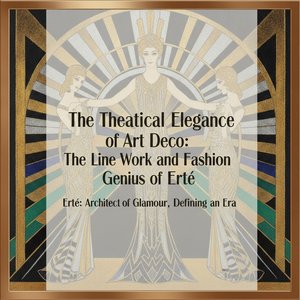
Discover the unparalleled elegance of Art Deco through the lens of Erté. Explore a masterclass in linear precision, theatrical costume design, and high-fashion illustration that continues to define modern luxury and sophisticated interior aesthetics.
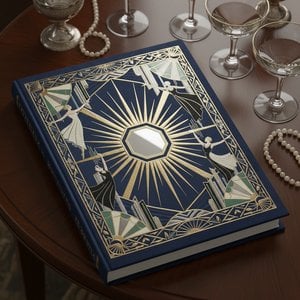
Discover the allure of Art Deco through a curated guide to its most iconic masterpieces. Explore the elegance of Erté and the innovation of Jean Dunand, perfect for collectors seeking timeless glamour and sophisticated design inspiration.

Discover the profound beauty of Modigliani-style art. Explore the elegance of elongated forms and soulful portraits through our expert curation of hand-painted oil reproductions and museum-quality prints designed for the sophisticated collector.
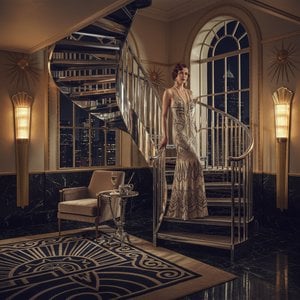
Discover the allure of Art Deco style with our expert guide to luxury interiors. Explore iconic influences from Erté to Jean Dunand and learn to curate a sophisticated space filled with timeless glamour and geometric elegance.

Discover the breathtaking allure of Art Deco. Explore the era's iconic geometry, legendary designers like Erté, and timeless glamour. Perfect for discerning collectors seeking to infuse their spaces with sophisticated modernist elegance and historical prestige.


 미리보기
미리보기
 공유하기
공유하기 공유하기
공유하기
 상세 정보
상세 정보 Guide
Guide

 다운로드
다운로드
 유사 작품
유사 작품 X-레이
X-레이 슬라이드 쇼
 통계 정보
통계 정보

 더 보기
더 보기









 유리 옵션은 110cm 미만 크기에서만 선택 가능합니다.


