

 LithographArt Nouveau
 189719th Century
 44.0 x 66.0 cm
작가가 직접 캔버스에 손으로 그린 유화 작품으로, 원하는 크기와 액자로 맞춤 제작해 드립니다. ( 프린트 판매로 전환 디지털 이미지 판매 채널로 전환)





























작품의 원본 비율을 그대로 유지하는 프리셋 사이즈 중에서 선택해 보세요.

액자나 벽면 크기에 맞춰 필요한 가로와 세로 길이를 입력해 주세요. 본 작품은 수작업으로 제작되므로, 요청하신 비율에 따라 작가가 그림의 가장자리를 조금 더 넓게 그리거나 일부를 조정하여 작업할 수 있습니다. 작업 시작 전, 최종 확인을 위해 디지털 목업 이미지를 보내드립니다. 이 페이지에 표시된 이미지는 실제 결과물과 다를 수 있으며, 오직 목업 이미지만이 정확한 결과물을 보여줍니다.
Fruit litho
복제본 규격
This exquisite 1897 lithograph by Alphonse Maria Mucha, measuring 44 x 66 cm, offers a captivating glimpse into the heart of Art Nouveau. More than just a depiction of fruit, it's an embodiment of the movement’s core tenets – a celebration of natural forms, flowing lines, and a profound sense of romanticism. The painting portrays a woman, elegantly dressed in a vibrant green gown, surrounded by a profusion of apples. These aren’t merely scattered objects; they are carefully arranged to create a visual symphony of color and texture, dominated by rich reds, oranges, yellows, and greens that evoke the bounty of autumn and the idealized beauty Mucha so often sought to capture.
Born in Brno, Czech Republic, in 1860, Alphonse Maria Mucha’s artistic journey began with a traditional education at the Academy of Fine Arts in Prague. However, he quickly recognized the limitations of academic constraints, seeking instead to forge his own path. His relocation to Paris in 1887 proved pivotal, allowing him to immerse himself within the burgeoning Parisian art scene and ultimately develop his signature Art Nouveau style. Mucha’s work was frequently commissioned for posters and decorative panels, reflecting a desire to integrate art into everyday life – a key principle of the movement. His studio became a hub for talented artisans, including illustrators and designers, contributing to the widespread dissemination of his aesthetic.
Mucha’s technique is immediately recognizable through its fluid lines and meticulous attention to detail. The lithograph showcases a masterful use of shading and texture, creating an almost tactile quality within the image. Notice how the apples themselves are rendered with a delicate realism, yet possess an inherent sense of movement – a hallmark of Art Nouveau's fascination with natural forms in motion. The woman’s pose is deliberately graceful, echoing the flowing drapery so characteristic of Mucha’s work and reflecting the influence of artists like Pierre-Auguste Renoir. The bowl of fruit isn’t simply a still life; it represents abundance, fertility, and perhaps even a subtle allusion to classical themes of plenty – frequently explored in Art Nouveau.
Created in 1897, ‘Fruit Litho’ sits squarely within the peak of Mucha's artistic prominence. This period coincided with the success of his 'Salon des Cent' exhibition in 1898, which catapulted him to international fame and solidified his reputation as a leading figure in Art Nouveau. The piece reflects the broader cultural trends of the late 19th century – a reaction against industrialization and a renewed interest in decorative arts and craftsmanship. It’s a testament to Mucha's ability to synthesize classical influences with modern sensibilities, creating an image that is both timelessly beautiful and deeply rooted in its historical context. This lithograph offers a tangible connection to a pivotal moment in art history, inviting viewers to experience the elegance and enchantment of Alphonse Maria Mucha’s vision.
"Fruit litho"은(는) 19th Century 시대의 작품입니다.
알폰스 무하의 반복되는 주제에는 czech art nouveau influence, idealized feminine beauty, symbolic fruit imagery, salon des cent style, recurring female figures가 포함되어 있으며, "Fruit litho"은 fruit abundance, woman figure, art nouveau style, color palette, mucha artwork, still life scene, idealized woman에 초점을 맞추고 있습니다.
알폰스 무하의 "Fruit litho"은(는) 1897년에 제작되었으며 Art Nouveau에 속합니다.

1860 - 1939 , 체코 공화국

Explore the profound beauty of fruit arrangement masterpieces. From Dutch Golden Age opulence to Baroque chiaroscuro, discover the art history, symbolism, and timeless elegance of classical still life paintings for the discerning collector.
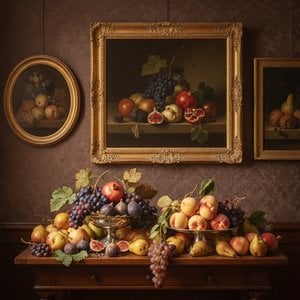
Discover the profound beauty of fruit still life paintings. Explore the rich symbolism, Baroque mastery, and timeless allure of nature's bounty through an art-historical lens, perfect for collectors and enthusiasts of classical fine art.

Embark on a scholarly journey through the alchemy of lithography. This definitive guide offers collectors profound insights into the chemical mastery of stone and ink, the medium's historical legacy, and essential expertise for acquiring rare, museum-quality prints with absolute confidence.

Discover the enchanting world of Art Nouveau. Explore the flowing lines of Alphonse Mucha and learn how to integrate these timeless, organic masterpieces into your collection with expert guidance on fine art appreciation and preservation.

Discover the exquisite world of Art Nouveau. Explore the elegant fusion of nature and design through architectural masterpieces, organic forms, and the legendary masters of the Belle Époque. Immerse yourself in a journey of timeless sophistication and ornamental beauty.

 실제 크기로 보기
 보내기
보내기 공유하기
공유하기
 상세 보기
상세 보기 가이드 보기

 이미지 다운로드
 유사 작품 더 보기
 X-레이
X-레이 슬라이드 쇼 보기
 통계 정보
통계 정보 상세 보기
상세 보기









 유리 옵션은 110cm 미만 크기에서만 선택 가능합니다.


