


x

작품의 원본 비율을 유지하는 미리 설정된 크기 중에서 선택하세요.

특정 프레임이나 공간에 맞춰 직접 치수를 입력하실 수 있습니다. 선택하신 사이즈가 원본 이미지의 비율과 일치하지 않을 경우, 작품을 크롭(자르기)하거나 이미지를 대칭 또는 단색 채우기로 확장하여 제작합니다. 제작 시작 전, 최종 확인을 위해 디지털 목업이 전송됩니다.
화면상의 미리보기는 실제 크롭이나 확장 상태를 반영하지 않으므로, 최종 구도는 오직 목업을 통해서만 정확하게 확인하실 수 있습니다.
맞춤 사이즈 제작도 가능하지만, 원본 비율을 유지하기 위해서는 사전 정의된 목록에서 치수를 선택하시는 것을 권장합니다.

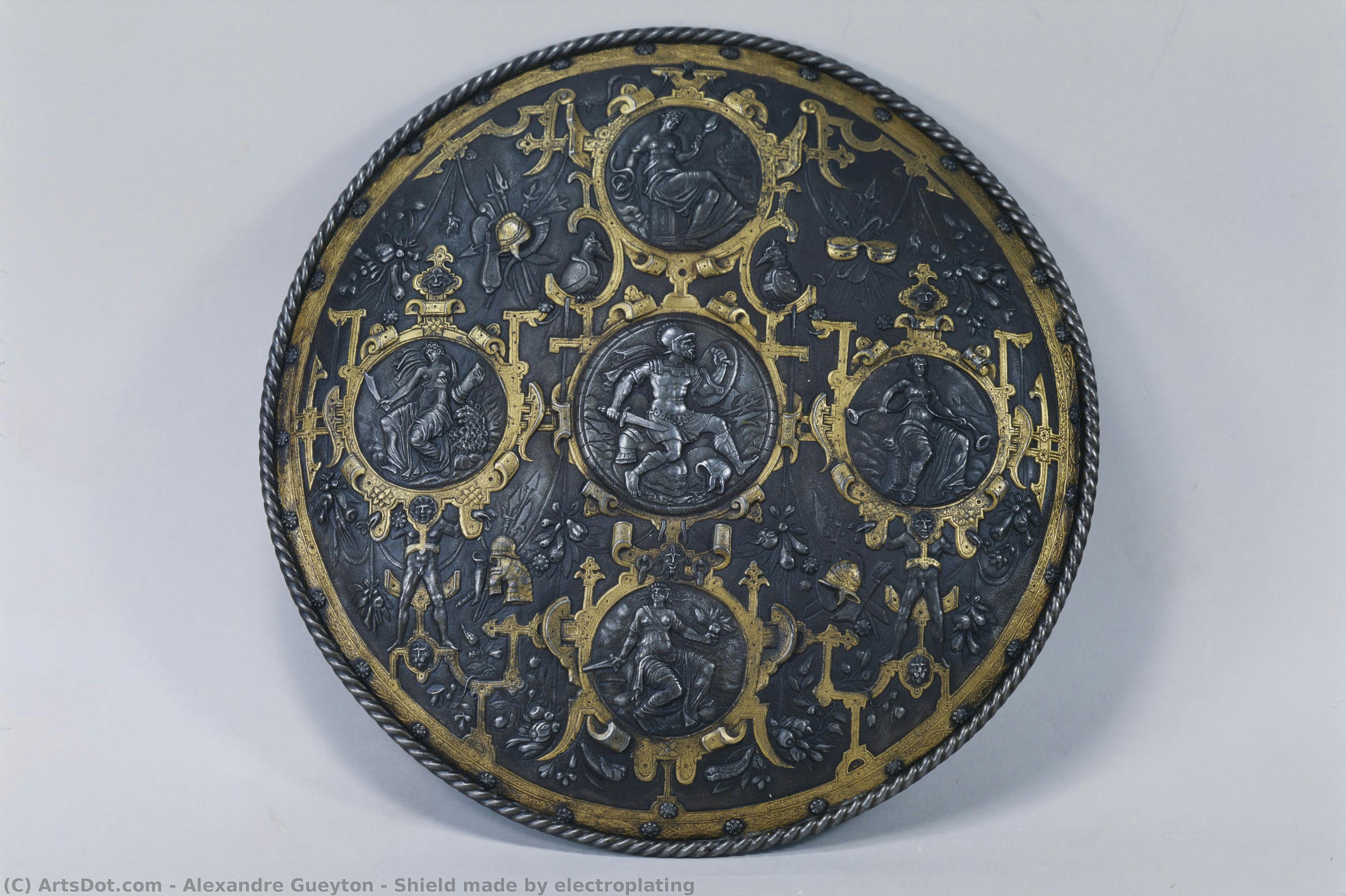
Shield made by electroplating
복제본 크기
Born in New Haven, Connecticut, in 1818, Thomas Prichard Rossiter’s artistic journey was one of constant evolution, marked by a deep engagement with both European artistic traditions and the burgeoning landscape painting scene within America. Initially trained under John Boyd and Nathaniel Jocelyn, his early work reflected a classical sensibility, honed through study at Hopkins School. However, it wasn't until his extended sojourn in Europe – beginning in 1838 and culminating in a six-year period in Rome from 1846 onward – that Rossiter truly found his voice, absorbing the grandeur of Italian art while simultaneously developing a distinctly American perspective.
Rossiter’s time in Italy proved transformative. He immersed himself in the works of masters like Raphael and Michelangelo, meticulously studying their techniques and compositions. This exposure profoundly influenced his later style, particularly evident in his meticulous detail and carefully constructed narratives. Yet, unlike many of his contemporaries who simply replicated Italian aesthetics, Rossiter skillfully integrated these influences with a growing awareness of the American landscape – specifically, the dramatic vistas of the Catskill Mountains and the Hudson River Valley. His decision to remain in Italy for an extended period signaled a deliberate choice to cultivate his artistic skills before returning to the United States, a strategic move that would ultimately shape his career.
Rossiter’s return to New York City in 1851 coincided with the rise of the Hudson River School, a movement characterized by its romanticized depictions of American wilderness. While not always considered a founding member in the strictest sense, Rossiter undoubtedly played a significant role in shaping its aesthetic and thematic concerns. His paintings frequently explored themes of history, mythology, and the relationship between humanity and nature – subjects that resonated deeply with the School’s broader vision.
His work during this period is particularly noteworthy for its historical commissions. He was commissioned to paint scenes from early American history, including portraits of Washington and his cabinet, demonstrating a commitment to documenting and celebrating the nation's founding figures. These works weren’t merely straightforward depictions; they were carefully constructed narratives imbued with patriotic sentiment and a sense of national identity. The meticulous detail in these paintings—the textures of clothing, the expressions on faces, the atmospheric effects of light and shadow—reflect his dedication to realism and his ability to capture the essence of his subjects.
Rossiter’s artistic style is characterized by a remarkable blend of technical skill and expressive power. He was a master of composition, employing carefully balanced arrangements and dramatic perspectives to draw the viewer's eye into the scene. His use of color was particularly noteworthy—he favored rich, saturated hues that evoked the grandeur and drama of the American landscape. Rossiter’s brushwork is generally smooth and controlled, yet he skillfully employed subtle variations in tone and texture to create a sense of depth and atmosphere.
He demonstrated an impressive ability to capture the nuances of light and shadow, creating a palpable sense of realism. His landscapes are not simply representations of nature; they are imbued with emotion and meaning. Rossiter’s meticulous attention to detail—from the individual strands of grass to the folds in a garment—contributed significantly to the overall impact of his paintings.
Thomas Prichard Rossiter's career spanned several decades, during which he established himself as one of America’s leading landscape painters. His work played a crucial role in shaping the visual language of the Hudson River School, influencing generations of artists who followed. His paintings continue to be admired for their technical skill, historical significance, and evocative power.
Beyond his artistic achievements, Rossiter's life reflects the broader cultural shifts occurring in America during the 19th century—the nation’s growing sense of identity, its embrace of democratic ideals, and its fascination with the wilderness. His paintings serve as a valuable window into this transformative era, offering insights into the values, beliefs, and aspirations of a rapidly changing society. He died in Cold Spring, New York, in 1871, leaving behind a substantial body of work that remains a testament to his artistic talent and enduring legacy.

1818 - 1862 , France


최신 미술 뉴스, 특별 혜택 및 인테리어 아이디어를 가장 먼저 만나보세요.
프로젝트에 대해 알려주시면 저희 미술 전문가들이 맞춤형 아트 제안 3가지를 전달해 드립니다.
당신만을 위한 맞춤형 옵션 3가지를 무료로 추천해 드립니다!
 작품 구매하기
 공유하기
공유하기 공유하기
공유하기
 상세 정보
상세 정보

 다운로드
다운로드
 유사 작품
유사 작품 X-레이
X-레이 슬라이드 쇼

 더 보기
더 보기






































 유리 옵션은 110cm 미만 크기에서만 선택 가능합니다.


