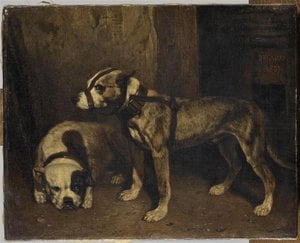
빠른 제작과 다양한 마감 옵션을 제공하는 박물관 품질의 지클레이 또는 캔버스 프린트. ( 손으로 그린 그림 구매 디지털 이미지로 전환)





























작품의 원본 비율을 유지하는 미리 설정된 크기 중에서 선택하세요.

특정 프레임이나 공간에 맞춰 직접 치수를 입력하실 수 있습니다. 선택하신 사이즈가 원본 이미지의 비율과 일치하지 않을 경우, 작품을 크롭(자르기)하거나 이미지를 대칭 또는 단색 채우기로 확장하여 제작합니다. 제작 시작 전, 최종 확인을 위해 디지털 목업이 전송됩니다.
화면상의 미리보기는 실제 크롭이나 확장 상태를 반영하지 않으므로, 최종 구도는 오직 목업을 통해서만 정확하게 확인하실 수 있습니다.
맞춤 사이즈 제작도 가능하지만, 원본 비율을 유지하기 위해서는 사전 정의된 목록에서 치수를 선택하시는 것을 권장합니다.

MENDIANT COMPTANT SA RECETTE
복제본 크기
Alexandre Gabriel Decamps (1803-1860) stands as a pivotal figure in 19th-century French painting, a trailblazer who irrevocably altered the artistic landscape with his bold embrace of Orientalism. Unlike contemporaries preoccupied with idealized grandeur, Decamps possessed an unwavering dedication to meticulous observation and dramatic composition—qualities that propelled him to the forefront of École de peinture française and cemented his legacy as one of the era’s most distinctive voices.
Born in Paris amidst a burgeoning intellectual fervor, Decamps embarked on a transformative journey eastward, immersing himself in the vibrant cultures and landscapes of Persia and Egypt. This firsthand experience profoundly influenced his artistic sensibilities, shaping his style into an unparalleled fusion of realism and romanticism—a stylistic hallmark that distinguishes him from many of his peers.
“Mendiant Comptant Sa Recette,” painted in 1833, exemplifies Decamps’ signature approach to genre painting. The artwork depicts a poignant tableau of poverty and contemplation—a weathered stone wall serving as backdrop for an elderly beggar seated with unwavering focus on writing or calculating something on a small piece of paper held delicately in his hand. Beside him stands a young child, gazing upon the scene with inquisitive curiosity.
Decamps’ masterful technique employs visible brushstrokes to convey textural richness—the rough-hewn surface of the wall mirroring the worn fabric of the beggar's clothing and capturing the subtle nuances of skin tones. The muted color palette—dominated by browns, ochres, and greens—reflects the somber mood of the scene while subtly hinting at resilience amidst hardship.
Decamps’ artistic vision aligns seamlessly with the tenets of Romantic Realism. Rejecting academic conventions that favored idealized representations, he championed a commitment to portraying everyday life with unflinching honesty—a stylistic choice underscored by his meticulous attention to detail and dramatic use of light and shadow. Influenced by luminaries like Delacroix and Ingres, Decamps nevertheless forged an independent path, prioritizing emotional resonance alongside artistic accuracy.
The painting’s composition centers around the beggar figure, positioned slightly off-center to create visual balance—a deliberate gesture that underscores his importance as a subject of contemplation. Atmospheric perspective is subtly employed, deepening the sense of depth and enhancing the overall impression of tranquility. Decamps skillfully utilizes glazing techniques to achieve nuanced color variations, adding luminosity and capturing the ethereal quality of light.
"Mendiant Comptant Sa Recette" transcends mere depiction; it speaks volumes about human dignity and perseverance. The beggar’s posture embodies quiet contemplation—a deliberate effort to improve one's circumstances—while the child’s presence symbolizes hope for the future, innocence observing hardship. Decamps’ masterful rendering of these elements evokes a profound sense of empathy and invites viewers to contemplate themes of social justice and spiritual reflection.
This artwork remains a testament to Decamps’ enduring influence on French art history—a captivating glimpse into a bygone era characterized by intellectual curiosity, artistic innovation, and an unwavering fascination with the exotic allure of distant lands.


1803 - 1860 , 프랑스

Master the use of Realism in professional interiors. This expert guide explores 19th-century masterpieces, offering procurement managers and designers technical insights into selecting authentic, hand-painted oil reproductions for high-end hotel and corporate projects.
Explore the rich history of genre painting! Discover Dutch Masters & European artists who captured everyday life with stunning realism. Learn about symbolism, techniques & lasting influence.

Explore 10 defining masterpieces of Romantic Realism! Discover Courbet, Millet & Daumier's powerful paintings—capturing emotion and social realities. Find museum-quality reproductions for your home at WahooArt.com.

Explore the captivating world of Alexandre Gabriel Decamps, a pioneer of Romanticism and Orientalism. Discover his bold style, satirical masterpieces like 'The Experts,' and lasting impact on 19th-century art history.

단테 가브리엘 로세티의 시대를 초월하는 걸작 25선을 만나보세요. 프레라파엘리트 운동의 정수를 담은 그림 속 아름다움과 상징을 탐험하고, WahooArt에서 고품질 미술 작품으로 공간에 예술적인 감성을 더하세요. 지금 바로 컬렉션을 확인하세요!


 미리보기
미리보기
 공유하기
공유하기 공유하기
공유하기
 상세 정보
상세 정보

 다운로드
다운로드
 유사 작품
유사 작품 X-레이
X-레이 슬라이드 쇼
 통계 정보
통계 정보

 더 보기
더 보기









 유리 옵션은 110cm 미만 크기에서만 선택 가능합니다.