
 Tempera On PanelEarly Renaissance
 1447
1447 167.0 x 137.0 cm
 우피치 미술관
빠른 제작과 다양한 마감 옵션을 제공하는 박물관 품질의 지클레이 또는 캔버스 프린트. ( 손으로 그린 그림 구매 디지털 이미지로 전환)





























작품의 원본 비율을 유지하는 미리 설정된 크기 중에서 선택하세요.

특정 프레임이나 공간에 맞춰 직접 치수를 입력하실 수 있습니다. 선택하신 사이즈가 원본 이미지의 비율과 일치하지 않을 경우, 작품을 크롭(자르기)하거나 이미지를 대칭 또는 단색 채우기로 확장하여 제작합니다. 제작 시작 전, 최종 확인을 위해 디지털 목업이 전송됩니다.
화면상의 미리보기는 실제 크롭이나 확장 상태를 반영하지 않으므로, 최종 구도는 오직 목업을 통해서만 정확하게 확인하실 수 있습니다.
맞춤 사이즈 제작도 가능하지만, 원본 비율을 유지하기 위해서는 사전 정의된 목록에서 치수를 선택하시는 것을 권장합니다.

Annunciation
복제본 크기
Alessio Baldovinetti’s “Annunciation,” painted in 1447, offers a captivating window into the heart of early Florentine Renaissance art and religious devotion. This exquisite work, measuring 167 x 137 cm, transcends a simple depiction of a biblical event; it embodies the burgeoning humanist ideals and artistic innovations that defined the era. The scene portrays the pivotal moment when the Archangel Gabriel announces to Mary that she will conceive and bear the son of God. Baldovinetti masterfully captures this sacred encounter within an opulent interior setting, showcasing both his technical prowess and deep understanding of religious symbolism.
Baldovinetti’s style is firmly rooted in the Florentine tradition, characterized by a refined use of clear, almost sharp lines and meticulous attention to detail. This painting exemplifies this approach, with each element rendered with remarkable precision – from the delicate folds of Mary's garments to the intricate patterns adorning the room. The artist employs tempera on panel, a common medium for Renaissance paintings, allowing for vibrant colors and fine detailing. Noticeable is Baldovinetti’s attempt at perspective; he creates a sense of depth by setting the scene under a portico, cleverly using the tops of trees visible above the surrounding wall to establish a background plane. This demonstrates an early exploration of linear perspective, a key development in Renaissance art that aimed to create more realistic and immersive depictions of space.
Beyond its technical brilliance, “Annunciation” is rich in symbolic meaning. The red wall behind Mary and Gabriel serves as a powerful backdrop, often associated with royalty and divine power. The potted plants scattered throughout the room symbolize fertility and new life, foreshadowing the miraculous conception. While traditional depictions of the Annunciation portray Mary with an expression of surprise or awe, Baldovinetti presents her in a more restrained pose, almost ritualistic – a subtle departure that reflects the evolving artistic sensibilities of the time. The presence of two angels in the background reinforces the divine nature of the event and acts as witnesses to this momentous occasion. The composition itself is carefully balanced, drawing the viewer's eye to the central interaction between Mary and Gabriel, emphasizing the gravity and sanctity of their exchange.
Painted during a period of significant artistic and intellectual flourishing in Florence, “Annunciation” reflects the city’s growing patronage of the arts and its embrace of humanist ideals. Baldovinetti's work stands as a testament to the era's fascination with classical antiquity and its pursuit of realism and naturalism in art. Though biographical details about Baldovinetti remain scarce, his artistic contributions are undeniable. He was known for his experimental approach to materials and techniques, constantly seeking ways to improve the durability and vibrancy of his paintings. While some of these experiments proved unsuccessful – as noted by Vasari regarding his use of egg yolk varnish – they demonstrate a spirit of innovation that characterized the Renaissance artist. “Annunciation” remains a cherished example of Florentine Renaissance art, admired for its beauty, technical skill, and profound spiritual message.


1425 - 1499 , 이탈리아

Explore the profound emotive power of hands in art history. From Dürer’s anatomical precision to Van Gogh’s expressive gestures, discover how masterworks capture human touch and connection through timeless oil paintings and fine art studies.

Embark on a sophisticated journey through Italian Baroque art. Discover the dramatic interplay of light and emotion in Caravaggio’s masterpieces and explore how to bring this timeless grandeur into your collection with expert art insights.
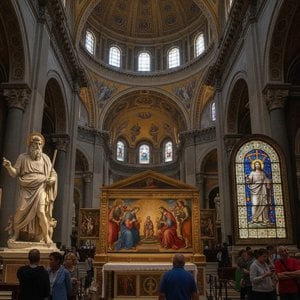
Explore the profound beauty of sacred art through a curated journey of masterpieces. From Renaissance iconography to Baroque drama, discover how history's greatest artists captured the divine presence in timeless works of spiritual transcendence.

Explore the profound power of religious symbolism in art history. From Renaissance masterpieces to sacred iconography, uncover the hidden meanings behind divine details in a deep dive into classical art excellence.
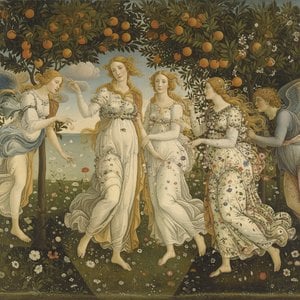
Explore the ethereal beauty of Sandro Botticelli's masterpieces. Delve into the profound symbolism, mythological grace, and technical mastery that define the Italian Renaissance through an expert art-historical lens.


 미리보기
미리보기
 공유하기
공유하기 공유하기
공유하기
 상세 정보
상세 정보 가이드 보기

 다운로드
다운로드
 유사 작품
유사 작품 X-레이
X-레이 슬라이드 쇼
 통계 정보
통계 정보 더 보기
더 보기









 유리 옵션은 110cm 미만 크기에서만 선택 가능합니다.


