
 Oil On CanvasWallArtBaroque
 1720
1720 158.0 x 211.0 cm
 에르미타주 박물관
빠른 제작과 다양한 마감 옵션을 제공하는 박물관 품질의 지클레이 또는 캔버스 프린트. ( 손으로 그린 그림 구매 디지털 이미지로 전환)





























작품의 원본 비율을 유지하는 미리 설정된 크기 중에서 선택하세요.

특정 프레임이나 공간에 맞춰 직접 치수를 입력하실 수 있습니다. 선택하신 사이즈가 원본 이미지의 비율과 일치하지 않을 경우, 작품을 크롭(자르기)하거나 이미지를 대칭 또는 단색 채우기로 확장하여 제작합니다. 제작 시작 전, 최종 확인을 위해 디지털 목업이 전송됩니다.
화면상의 미리보기는 실제 크롭이나 확장 상태를 반영하지 않으므로, 최종 구도는 오직 목업을 통해서만 정확하게 확인하실 수 있습니다.
맞춤 사이즈 제작도 가능하지만, 원본 비율을 유지하기 위해서는 사전 정의된 목록에서 치수를 선택하시는 것을 권장합니다.

The Seashore
복제본 크기
Alessandro Magnasco's "The Seashore," painted in 1720, isn’t merely a depiction of a rugged coastline; it’s an immersion into a world steeped in melancholy and profound observation. More than just a landscape, this work is a carefully constructed tableau of human existence against the relentless power of nature – a testament to Magnasco's unique ability to capture not just what he saw, but the very *feeling* of being present within that scene. The painting immediately draws the viewer in with its dramatic chiaroscuro, where pools of dark shadow wrestle with bursts of light, creating an atmosphere thick with both foreboding and a strange, haunting beauty.
Magnasco’s style, particularly during this period, is often described as intensely personal and somewhat unsettling. He wasn't interested in idealized landscapes or heroic narratives; instead, he favored scenes of quiet desperation – solitary figures huddled against the elements, weathered buildings clinging precariously to cliffsides, and a pervasive sense of isolation. “The Seashore” embodies this perfectly. The small village nestled amongst the rocks isn’t a vibrant hub of activity, but rather a collection of humble dwellings, suggesting a life lived in close proximity to hardship and uncertainty. The artist masterfully uses color – predominantly earthy tones of ochre, brown, and slate gray – punctuated by the cool blues and greens of the sea – to evoke a sense of timelessness and quiet endurance.
Examining Magnasco’s technique reveals a remarkable control over light and shadow. He employs a rapid, almost frenetic brushstroke, creating a dynamic surface that seems to shimmer with movement. The waves are not rendered as smooth, idealized forms; they crash against the rocks with an implied violence, their foam rendered in quick, broken strokes of white and gray. This technique isn’t simply about realism; it's about conveying *feeling* – the raw energy of the sea, the vulnerability of the coastline, and the precariousness of human existence within this vast landscape.
The composition itself is carefully considered. The diagonal thrust of the cliffs creates a sense of instability, while the small village provides a focal point for the eye, drawing us into the scene. Magnasco’s use of perspective is subtly distorted, adding to the painting's unsettling atmosphere and suggesting that we are not simply observing a landscape; we are being invited to step *into* it.
Magnasco’s life was deeply intertwined with the artistic traditions of Genoa, where he was born and spent much of his career. His work reflects a fascination with the city's maritime history and its complex relationship with the sea – a source of both prosperity and peril. The painting can be interpreted as a meditation on this duality, capturing the beauty and danger inherent in the natural world. It’s also worth noting that Magnasco often depicted scenes of poverty and hardship, reflecting the social realities of his time.
Interestingly, Magnasco's work was initially met with mixed reactions. While some critics praised his innovative style and emotional intensity, others found it unsettling and unconventional. His tendency to portray subjects in a dark and ambiguous light – often depicting figures in states of vulnerability or despair – set him apart from the more conventional landscape painters of his era. Despite this initial resistance, Magnasco’s work gradually gained recognition for its originality and power.
Reproducing "The Seashore" in a high-quality oil painting captures the essence of Magnasco's vision. Each brushstroke, each subtle shift in color, is meticulously recreated, allowing you to experience the same sense of atmosphere and emotion that captivated viewers centuries ago. Whether displayed in a grand salon or a cozy study, this artwork will serve as a constant reminder of the beauty and fragility of the natural world – and the enduring power of human observation.

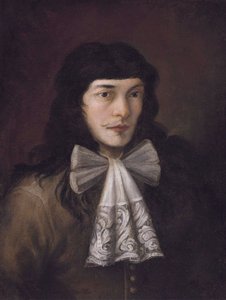
1667 - 1749 , 이탈리아

Elevate your collection with the dramatic grandeur of Baroque oil masterpieces. WahooArt offers exquisite, hand-painted reproductions of the Great Masters, featuring authentic chiaroscuro and premium textures. Discover bespoke artistry and expert consultation for elite collectors worldwide.

Embark on a visual journey through Italy's most iconic landscapes and Renaissance masterpieces. Discover the profound beauty of classical art, from Venetian altarpieces to serene countryside vistas, curated for the discerning art enthusiast and collector.

Embark on a sophisticated journey through Italian Baroque art. Discover the dramatic interplay of light and emotion in Caravaggio’s masterpieces and explore how to bring this timeless grandeur into your collection with expert art insights.


 미리보기
미리보기
 공유하기
공유하기 공유하기
공유하기
 상세 정보
상세 정보

 다운로드
다운로드
 유사 작품
유사 작품 X-레이
X-레이 슬라이드 쇼
 통계 정보
통계 정보 더 보기
더 보기









 유리 옵션은 110cm 미만 크기에서만 선택 가능합니다.


