
원하는 크기와 액자로 주문 제작되는, 작가들이 직접 캔버스에 손으로 그린 유화 작품입니다. ( 프린트 판매로 전환 디지털 이미지로 전환)





























작품의 원본 비율을 유지하는 미리 설정된 크기 중에서 선택하세요.

특정 프레임이나 공간에 맞도록 직접 크기를 입력할 수 있습니다. 선택하신 크기가 원본 이미지의 비율과 일치하지 않는 경우, 작품을 자르거나 추가적인 손으로 그린 요소를 사용하여 그림을 확장합니다. 제작 시작 전 승인을 위해 디지털 목업을 보내드립니다.
화면 미리 보기는 실제 자르기 또는 확장을 반영하지 않습니다. 최종 구성은 목업을 통해서만 정확하게 확인하실 수 있습니다.
맞춤 크기 제작도 가능하지만, 원본 비율을 유지하기 위해 사전 정의된 목록에서 크기를 선택하시는 것을 권장합니다.

Virgin and Child Before a Landscape
복제본 크기
Albrecht Dürer’s “Virgin and Child Before a Landscape” is more than simply a depiction of the Madonna and Child; it’s a profound meditation on faith, family, and the sublime beauty of the natural world. Executed in the characteristic monochrome style that defined his mature work, this painting embodies the spirit of the Early Renaissance, showcasing Dürer's mastery of observation, meticulous technique, and deeply considered symbolism. The scene unfolds with an almost unnerving serenity – Mary, seated gracefully on a draped cloth, holds her infant son with tender devotion, while Jesus reaches out with a small hand, inviting connection and wonder. The landscape behind them isn’t merely a backdrop; it's an integral part of the narrative, suggesting a world ripe for exploration and divine intervention.
Dürer’s skill is immediately apparent in the painting’s remarkably detailed execution. Created using oil paints on a wood panel, the artwork demonstrates his mastery of layering techniques – a hallmark of Renaissance art. Thin glazes were meticulously applied over a gesso ground, building up subtle tonal variations that create an astonishing sense of depth and volume. The rendering of drapery is particularly noteworthy; each fold and ripple appears to move with the slightest breeze, achieved through careful observation and precise hatching. The use of diffused lighting further enhances this three-dimensional effect, casting soft shadows that define the figures’ forms and contribute to the overall atmosphere of quiet contemplation. This painstaking process reflects Dürer's dedication to anatomical accuracy and his desire to capture the essence of reality with unparalleled realism.
The composition of “Virgin and Child” is laden with symbolic meaning, deeply rooted in Christian iconography. The Virgin Mary represents purity, grace, and divine motherhood – central tenets of the Catholic faith. Jesus, as the infant Christ, embodies salvation and redemption. The landscape itself holds significance; it’s often interpreted as a representation of Paradise, a realm of eternal beauty and tranquility. The rolling hills and body of water evoke notions of fertility and abundance, while the trees symbolize life and growth. Dürer's deliberate choice to depict the scene in monochrome – a rarity for his time – intensifies the spiritual impact, stripping away worldly distractions and focusing solely on the divine relationship between Mary and her son.
Completed during a pivotal period in Dürer’s career, “Virgin and Child Before a Landscape” exemplifies his innovative approach to art. His work bridged the gap between Gothic and Renaissance styles, incorporating elements of both while forging a distinctly German aesthetic. This painting showcases his profound understanding of perspective – creating a convincing sense of recession into the landscape background – and his commitment to capturing the nuances of human emotion. It’s a testament to Dürer's genius that this seemingly simple depiction continues to resonate with viewers centuries later, offering a timeless reflection on faith, family, and the enduring power of beauty.


1471 - 1528 , 이탈리아

Embark on a profound journey through art history with our exploration of the most iconic depictions of the Virgin Mary. Discover the divine grace, symbolism, and masterful techniques found in Renaissance masterpieces and sacred iconography.

Explore the profound beauty of Marian iconography through an art historian's lens. Discover iconic masterpieces by Raphael and Renaissance masters, celebrating the divine grace and timeless elegance of the Virgin Mary in classical fine art.

Elevate your most cherished memories with WahooArt’s bespoke service. We transform your personal photos into breathtaking, hand-painted black & white oil masterpieces. Experience museum-quality craftsmanship and timeless elegance for your private collection. Discover the art of legacy.
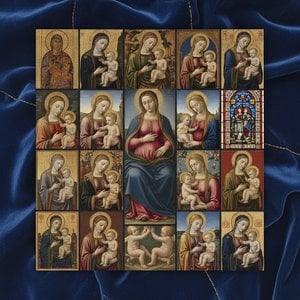
Embark on a sophisticated journey through art history with our curated guide to the most iconic Madonna and Child masterpieces. Discover the profound beauty, theological depth, and enduring legacy of these sacred Renaissance treasures.


 미리보기
미리보기
 공유하기
공유하기 공유하기
공유하기
 상세 정보
상세 정보 가이드 보기

 다운로드
다운로드
 유사 작품
유사 작품 X-레이
X-레이 슬라이드 쇼
 통계 정보
통계 정보

 더 보기
더 보기









 유리 옵션은 110cm 미만 크기에서만 선택 가능합니다.


