
 EngravingWallArtNorthern Renaissance
 1498Renaissance
 191.0 x 124.0 cm
 슈타틸리체 무제엔
원하는 크기와 액자로 주문 제작되는, 작가들이 직접 캔버스에 손으로 그린 유화 작품입니다. ( 프린트 판매로 전환 디지털 이미지로 전환)





























작품의 원본 비율을 유지하는 미리 설정된 크기 중에서 선택하세요.

특정 프레임이나 공간에 맞도록 직접 크기를 입력할 수 있습니다. 선택하신 크기가 원본 이미지의 비율과 일치하지 않는 경우, 작품을 자르거나 추가적인 손으로 그린 요소를 사용하여 그림을 확장합니다. 제작 시작 전 승인을 위해 디지털 목업을 보내드립니다.
화면 미리 보기는 실제 자르기 또는 확장을 반영하지 않습니다. 최종 구성은 목업을 통해서만 정확하게 확인하실 수 있습니다.
맞춤 크기 제작도 가능하지만, 원본 비율을 유지하기 위해 사전 정의된 목록에서 크기를 선택하시는 것을 권장합니다.

The Madonna with the Monkey
복제본 크기
In the quiet, meticulous lines of Albrecht Dürer’s 1498 engraving, The Madonna with the Monkey, we encounter a profound intersection of the celestial and the terrestrial. This monochrome masterpiece serves as a breathtaking window into the Northern Renaissance, capturing a moment of tender intimacy between the Virgin Mary and the Christ Child. At first glance, the scene presents the classic motif of religious piety, yet Dürer’s genius lies in his ability to disrupt the conventional serenity of such icons. Beside the seated Madonna, a curious monkey perches, introducing an unexpected element that breathes life and complexity into the composition. This juxtaposition was far from whimsical; in the symbolic language of the Renaissance, monkeys often represented folly or the temptations of the flesh, prompting the viewer to contemplate moral dilemmas alongside spiritual devotion.
The emotional impact of the work is found in its delicate balance between the sacred and the earthly. There is a palpable softness in the way the Madonna cradles her infant son, a warmth that transcends the starkness of the black and white medium. As your eyes wander through the intricate landscape, you are invited into a deeply textured world where every etched stroke breathes life into the scene. The presence of the monkey serves as a grounding force, a reminder of the chaotic natural world existing alongside the divine, creating a narrative depth that continues to intrigue scholars and captivate art lovers centuries after its creation.
To behold this work is to witness the pinnacle of printmaking artistry. Executed through the demanding technique of engraving on paper, Dürer’s method exemplifies an unwavering commitment to realism. Using a burin tool, the artist painstakingly incised fine lines into a copper plate, a process that required immense precision and patience. The resulting image relies entirely on the density of these lines to create a sense of light, shadow, and volume. Through the masterful use of hatching and cross-hatching, Dürer achieves remarkable tonal variation, rendering the soft folds of fabric, the delicate features of the infant, and even the coarse texture of the monkey's fur with startling clarity.
The composition is a masterclass in linear perspective. While the Madonna and Child remain the central focus, Dürer expertly guides the viewer’s gaze toward the background, where a stylized landscape unfolds. A distant building, reminiscent of a watchtower or small castle, emerges through layers of fine linework, establishing a sense of immense depth. This deliberate arrangement does more than just create space; it invites a meditative journey, leading the eye from the intimate foreground into a wider, atmospheric world. For collectors and interior designers, this intricate detail offers a sophisticated visual texture that can serve as a profound focal point in any curated space.
Albrecht Dürer remains a towering figure of the German Renaissance, an architect of the artistic eye who bridged the gap between Northern meticulousness and Italian intellectual grace. The Madonna with the Monkey is not merely a historical artifact; it is a living piece of history that embodies the era's fascination with observation and symbolism. For those seeking to bring a sense of intellectual depth and classical elegance to their surroundings, a high-quality reproduction of this engraving offers an unparalleled opportunity. It provides a window into a period of unprecedented creative flourishing, offering a sophisticated aesthetic that complements both traditional and contemporary interiors.
Whether you are an art enthusiast drawn to the technical rigor of the Northern Renaissance or a designer looking for a piece that sparks conversation through its layered symbolism, this work stands as a testament to the enduring power of fine art. The interplay of light, the complexity of the narrative, and the sheer mastery of the medium ensure that Dürer’s vision remains as potent and evocative today as it was in 1498.


1471 - 1528 , 이탈리아

Journey through history with 10 legendary engravings that redefined art. From Dürer to the masters of intaglio, explore the stories behind these timeless masterpieces. Find museum-quality reproductions and decor inspiration at WahooArt.com. Discover all masterpieces on WahooArt.com
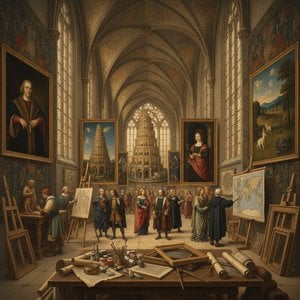
Step into the intricate world of the Northern Renaissance. Explore 10 legendary masterpieces, from Van Eyck to Dürer, and uncover the stories behind their timeless beauty. Find museum-quality art reproductions for exquisite home decor at WahooArt.com. Discover all masterpieces on WahooArt.com.
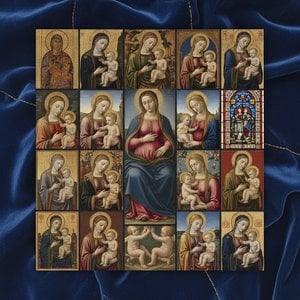
Embark on a sophisticated journey through art history with our curated guide to the most iconic Madonna and Child masterpieces. Discover the profound beauty, theological depth, and enduring legacy of these sacred Renaissance treasures.


 미리보기
미리보기
 공유하기
공유하기 공유하기
공유하기
 상세 정보
상세 정보 가이드 보기

 다운로드
다운로드
 유사 작품
유사 작품 X-레이
X-레이 슬라이드 쇼
 통계 정보
통계 정보 더 보기
더 보기









 유리 옵션은 110cm 미만 크기에서만 선택 가능합니다.


