x

 WatercolorWallArtNorthern Renaissance
 1506Renaissance
 225.0 x 287.0 cm
 대영박물관
대영박물관작품의 원본 비율을 유지하는 미리 설정된 크기 중에서 선택하세요.

특정 프레임이나 공간에 맞춰 직접 치수를 입력하실 수 있습니다. 선택하신 사이즈가 원본 이미지의 비율과 일치하지 않을 경우, 작품을 크롭(자르기)하거나 이미지를 대칭 또는 단색 채우기로 확장하여 제작합니다. 제작 시작 전, 최종 확인을 위해 디지털 목업이 전송됩니다.
화면상의 미리보기는 실제 크롭이나 확장 상태를 반영하지 않으므로, 최종 구도는 오직 목업을 통해서만 정확하게 확인하실 수 있습니다.
맞춤 사이즈 제작도 가능하지만, 원본 비율을 유지하기 위해서는 사전 정의된 목록에서 치수를 선택하시는 것을 권장합니다.

Quarry
복제본 크기
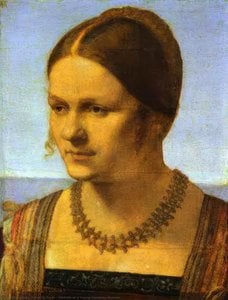
Albrecht Dürer’s Quarry, created in 1506, is more than just a landscape sketch; it's a profound exploration of observation, technique, and the natural world. This watercolor painting, measuring 225 x 287 cm and residing within the British Museum, exemplifies Dürer’s mastery of his craft and provides valuable insight into his artistic process.
The artwork depicts a rugged cliff face, meticulously rendered with an almost geological precision. The composition is dominated by the verticality of the rock formations, emphasizing their imposing scale and inherent strength. Dürer doesn't present a panoramic vista; instead, he focuses on a specific section of the quarry, isolating it as the central subject. A solitary figure is subtly included within the scene, likely an observer or explorer, adding a sense of human presence amidst the grandeur of nature. The absence of other elements allows for a concentrated study of the rock's texture and structure.
Quarry is classified under the Northern Renaissance style, characterized by its realism and attention to detail. Dürer’s use of watercolor is particularly noteworthy. He demonstrates an exceptional command of the medium, employing a range of techniques from precise miniature painting to broad washes of color. The palette primarily consists of brown tones, but Dürer skillfully manipulates these hues to create a remarkable spectrum of nuances. The artist uses cross-hatching and shading extensively to define contours and build volume, creating an illusion of depth and three-dimensionality on the flat surface of the paper. This wasn't merely about depicting the subject; it was a deliberate experiment in pushing the boundaries of watercolor’s capabilities.
Created during a period of burgeoning scientific inquiry, Quarry reflects the Renaissance interest in understanding the natural world through observation. Dürer's meticulous rendering suggests a desire to accurately document geological formations, aligning with the era's growing emphasis on empirical study. Symbolically, the cliff face represents resilience, endurance, and the enduring power of nature – qualities that resonated deeply within the context of 16th-century Europe. The solitary figure hints at humanity’s relationship with the natural world, a sense of awe and perhaps even vulnerability in the face of such monumental forces.
Despite its seemingly straightforward subject matter, Quarry evokes a profound sense of quiet contemplation. The painting's meticulous detail invites viewers to appreciate the beauty inherent in natural formations often overlooked. Dürer’s technical skill combined with his keen observational eye creates an artwork that is both intellectually stimulating and emotionally resonant. It stands as a testament to his artistic genius and continues to inspire artists and art enthusiasts centuries later, demonstrating the enduring power of observation and masterful technique.

1471 - 1528 , 이탈리아

Explore the artistic innovation of the German Renaissance! Discover Dürer, the Danube School & Reformation art. Learn about techniques, materials & lasting influence. Find museum-quality reproductions at WahooArt.

Explore the life & art of Albrecht Dürer, a pivotal German Renaissance master. Discover his groundbreaking printmaking techniques, iconic self-portraits, and lasting influence on Western art history. A deep dive into innovation & symbolism.

Explore the groundbreaking art of Albrecht Altdorfer, a pioneer of the Northern Renaissance's Danube School. Discover his innovative landscapes, spiritual symbolism & lasting influence on German painting.

Explore the Northern Renaissance! Discover Jan van Eyck's innovations, religious shifts, & key artists of this influential period. Expert analysis and insights into Early Netherlandish painting at WahooArt.

Explore the life & art of Jacopo Bassano, a Venetian master renowned for his vibrant colorism and innovative religious scenes. Discover his family legacy & enduring influence on Renaissance painting with WahooArt.


최신 미술 뉴스, 특별 혜택 및 인테리어 아이디어를 가장 먼저 만나보세요.
프로젝트에 대해 알려주시면 저희 미술 전문가들이 맞춤형 아트 제안 3가지를 전달해 드립니다.
당신만을 위한 맞춤형 옵션 3가지를 무료로 추천해 드립니다!

 작품 구매하기
 공유하기
공유하기 공유하기
공유하기
 Details

 다운로드
다운로드
 유사 작품
유사 작품 X-Ray
X-Ray 슬라이드 쇼
 더 알아보기





































 유리 옵션은 110cm 미만 크기에서만 선택 가능합니다.