
x


빠른 제작과 다양한 마감 옵션을 제공하는 박물관 품질의 지클레이 또는 캔버스 프린트. ( 손으로 그린 그림 구매 이미지 구매)





























작품의 원본 비율을 유지하는 미리 설정된 크기 중에서 선택하세요.

특정 프레임이나 공간에 맞춰 직접 치수를 입력하실 수 있습니다. 선택하신 사이즈가 원본 이미지의 비율과 일치하지 않을 경우, 작품을 크롭(자르기)하거나 이미지를 대칭 또는 단색 채우기로 확장하여 제작합니다. 제작 시작 전, 최종 확인을 위해 디지털 목업이 전송됩니다.
화면상의 미리보기는 실제 크롭이나 확장 상태를 반영하지 않으므로, 최종 구도는 오직 목업을 통해서만 정확하게 확인하실 수 있습니다.
맞춤 사이즈 제작도 가능하지만, 원본 비율을 유지하기 위해서는 사전 정의된 목록에서 치수를 선택하시는 것을 권장합니다.

Christ
복제본 크기
Albrecht Dürer’s “Christ,” a monochrome woodcut or engraving, isn’t merely a depiction of a biblical event; it’s a profound meditation on sacrifice, grief, and the enduring power of faith. Executed around 1508, this artwork, born from the heart of the Northern Renaissance in Nuremberg, possesses an arresting immediacy that draws the viewer into the solemn scene of Christ's entombment. The sheer technical mastery evident in every meticulously carved line speaks to Dürer’s unparalleled skill and his deep understanding of both artistic principles and the emotional weight of the subject matter.
Dürer's work firmly places him within the context of the Northern Renaissance, a movement characterized by its emphasis on meticulous detail, realistic representation, and a fascination with storytelling. Unlike the Italian Renaissance, which focused heavily on classical ideals and vibrant color palettes, the Northern Renaissance prioritized observation and precise execution. Dürer’s “Christ” exemplifies this approach, showcasing his profound understanding of human anatomy, perspective, and the expressive potential of line.
The scene itself is deeply rooted in Christian iconography. The entombment of Christ represents a pivotal moment in the faith – the culmination of his suffering and sacrifice. It’s a visual representation of hope amidst despair, offering a poignant reminder of humanity's capacity for compassion and redemption. Dürer’s ability to translate this complex theological narrative into a visually compelling image is a testament to his artistic genius.
Beyond its technical brilliance, “Christ” is laden with symbolic meaning. The downward movement of Christ's body – the very act of being lowered into the tomb – symbolizes his descent into death, but also foreshadows his resurrection. The surrounding figures, rendered in varying states of grief and reverence, amplify this emotional weight. Their expressions convey a profound sense of sorrow, highlighting the universal human experience of loss and mourning.
The stark monochrome palette further enhances the artwork’s emotional impact. It strips away any distractions, forcing the viewer to confront the raw reality of the scene. The shadows cast by the figures create a dramatic atmosphere, intensifying the feeling of solemnity and reverence.
Dürer's “Christ” remains a powerful testament to his artistic vision and technical skill. Its enduring appeal lies not only in its meticulous detail but also in its profound emotional resonance. A hand-painted reproduction offers an unparalleled opportunity to experience the full impact of this masterpiece, bringing its beauty and symbolism into your home or studio. This artwork is more than just an image; it’s a window into the soul of the Northern Renaissance – a period defined by innovation, artistry, and a deep engagement with the human condition.


1471 - 1528 , 이탈리아

Master the nuances of Giclée printing with our expert guide. Discover how pigment-based inks and museum-grade substrates create fade-resistant, high-fidelity art reproductions designed for discerning collectors seeking unparalleled quality and longevity.
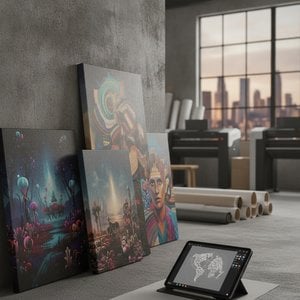
당신의 예술적 영감을 전 세계로 확장하세요. WahooArt는 재고 부담 없는 프리미엄 지클리(Giclée) 프린트 솔루션을 통해 인플루언서와 작가들에게 글로벌 비즈니스 기회를 제공합니다. 박물관급 품질의 파인 아트 프린팅과 투명한 물류 시스템으로 당신의 작품을 시대를 초월한 예술적 유산으로 완성해 드립니다.


최신 미술 뉴스, 특별 혜택 및 인테리어 아이디어를 가장 먼저 만나보세요.
프로젝트에 대해 알려주시면 저희 미술 전문가들이 맞춤형 아트 제안 3가지를 전달해 드립니다.
당신만을 위한 맞춤형 옵션 3가지를 무료로 추천해 드립니다!


 미리보기
미리보기
 공유하기
공유하기 공유하기
공유하기
 상세 정보
상세 정보

 다운로드
다운로드
 유사 작품
유사 작품 X-레이
X-레이 슬라이드 쇼

 더 보기
더 보기









 유리 옵션은 110cm 미만 크기에서만 선택 가능합니다.


