
x


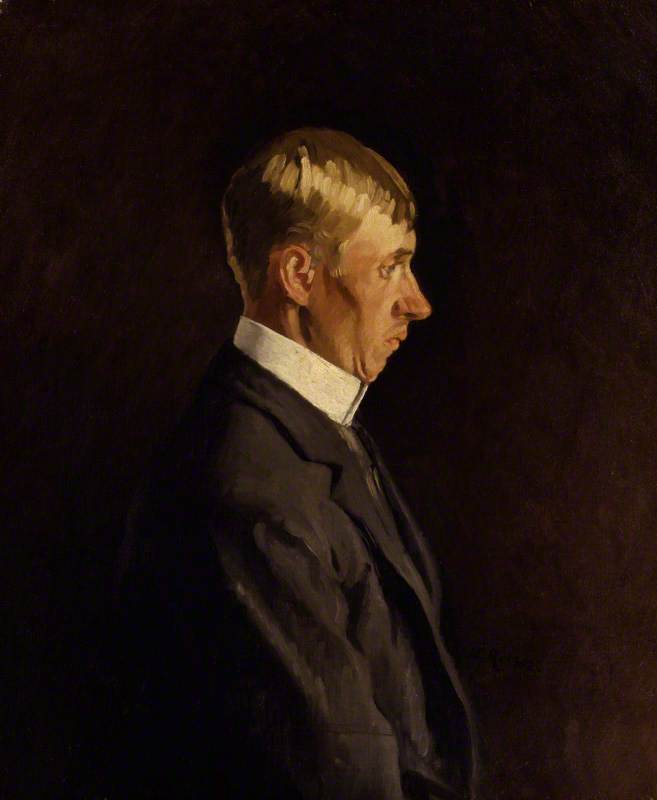
 1902
1902 43.0 x 35.0 cm
빠른 제작과 다양한 마감 옵션을 제공하는 박물관 품질의 지클레이 또는 캔버스 프린트. ( 손으로 그린 그림 구매 이미지 구매)
작품의 원본 비율을 유지하는 미리 설정된 크기 중에서 선택하세요.

특정 프레임이나 공간에 맞춰 직접 치수를 입력하실 수 있습니다. 선택하신 사이즈가 원본 이미지의 비율과 일치하지 않을 경우, 작품을 크롭(자르기)하거나 이미지를 대칭 또는 단색 채우기로 확장하여 제작합니다. 제작 시작 전, 최종 확인을 위해 디지털 목업이 전송됩니다.
화면상의 미리보기는 실제 크롭이나 확장 상태를 반영하지 않으므로, 최종 구도는 오직 목업을 통해서만 정확하게 확인하실 수 있습니다.
맞춤 사이즈 제작도 가능하지만, 원본 비율을 유지하기 위해서는 사전 정의된 목록에서 치수를 선택하시는 것을 권장합니다.

Spencer Frederick Gore
복제본 크기

In the vibrant tapestry of early twentieth-century British art, few figures possessed the multifaceted brilliance of Albert Rutherston. Born in 1881 to a German Jewish family in Bradford, Yorkshire, Rutherston’s life was shaped by a profound intersection of tradition and transformation. The son of immigrants who settled in England's textile heartland, his upbringing was steeped in the industrious spirit of the wool trade, yet his soul was irrevocably drawn toward the ethereal realms of aesthetics and design. Alongside his brothers—the esteemed painter Sir William Rothenstein and the art collector Charles Rutherston—Albert became part of a formidable artistic dynasty that would influence the British cultural landscape for decades.
His formal education at the Slade School of Art provided him with a rigorous foundation in realism, a period during which he mastered the delicate nuances of form and light. However, the rigid boundaries of representational art could not long contain his creative impulses. Around 1910, Ruther and his artistic contemporaries began to feel the pull of a new, more rhythmic aesthetic. This marked a pivotal transition in his career as he moved away from the literal toward the decorative. Embracing the burgeoning Art Deco movement, Rutherston began to experiment with bold color palettes, intricate patterns, and a streamlined elegance that would become his hallmark.
Rutherston’s genius lay in his ability to transcend the canvas, treating every medium as an opportunity for storytelling. He was not merely a painter but a true designer of worlds. His work in theatrical design remains some of his most enduring legacy; through his collaborations with the legendary Harley Granville Barker, he breathed life into the stage with opulent sets that captured the dramatic grandeur of the era. He understood that the theater was a total work of art, where scenery, light, and movement converged to create a singular emotional experience.
This mastery of space and ornament extended far beyond the footlights. Rutherston’s versatility allowed him to leave an indelible mark on various facets of visual culture:
As the decades progressed, Rutherston’s influence deepened through his roles as an educator and critic. Holding the prestigious post of Ruskin Master of Drawing at Oxford from 1929 to 1948, he played a vital role in shaping the next generation of British artists, instilling in them the same respect for craftsmanship and observation that had guided his own journey. His ability to navigate the shift from the Victorian era into the modern age allowed him to act as a bridge between the old world of meticulous detail and the new world of graphic abstraction.
Though he passed away in 1953, Rutherston’s significance remains etched in the history of the decorative arts. He was an artist who refused to be confined by a single discipline, finding beauty whether in the sweeping landscapes of a painting, the structured lines of a poster, or the dramatic shadows of a stage set. His life stands as a testament to the power of artistic evolution—a journey from the grounded reality of Bradford to the limitless possibilities of the imagination.

1881 - 1953


최신 미술 뉴스, 특별 혜택 및 인테리어 아이디어를 가장 먼저 만나보세요.
프로젝트에 대해 알려주시면 저희 미술 전문가들이 맞춤형 아트 제안 3가지를 전달해 드립니다.
당신만을 위한 맞춤형 옵션 3가지를 무료로 추천해 드립니다!

 미리보기
미리보기
 공유하기
공유하기 공유하기
공유하기
 상세 정보
상세 정보

 다운로드
다운로드
 유사 작품
유사 작품 X-레이
X-레이 슬라이드 쇼
 더 보기
더 보기






































 유리 옵션은 110cm 미만 크기에서만 선택 가능합니다.


