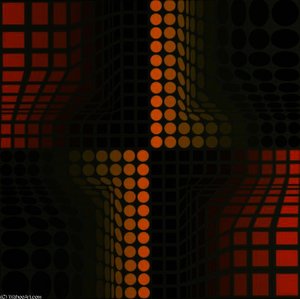
빠른 제작과 다양한 마감 옵션을 제공하는 박물관 품질의 지클레이 또는 캔버스 프린트. ( 손으로 그린 그림 구매 디지털 이미지로 전환)





























작품의 원본 비율을 유지하는 미리 설정된 크기 중에서 선택하세요.

특정 프레임이나 공간에 맞춰 직접 치수를 입력하실 수 있습니다. 선택하신 사이즈가 원본 이미지의 비율과 일치하지 않을 경우, 작품을 크롭(자르기)하거나 이미지를 대칭 또는 단색 채우기로 확장하여 제작합니다. 제작 시작 전, 최종 확인을 위해 디지털 목업이 전송됩니다.
화면상의 미리보기는 실제 크롭이나 확장 상태를 반영하지 않으므로, 최종 구도는 오직 목업을 통해서만 정확하게 확인하실 수 있습니다.
맞춤 사이즈 제작도 가능하지만, 원본 비율을 유지하기 위해서는 사전 정의된 목록에서 치수를 선택하시는 것을 권장합니다.

At the Circle
복제본 크기
In the captivating piece At the Circle, the artists Aisha Khalid and Mohammad Ali Talpur invite the viewer into a rhythmic dance of color and geometry. At first glance, the eye is immediately drawn to the central protagonist: a tennis ball rendered in striking shades of sun-drenched yellow and deep, velvety black. This is not merely a depiction of a sporting object, but a profound exploration of focus and energy. The composition centers around a mesmerizing circular motif, adorned with a constellation of yellow dots that vary in size and arrangement. These dots create a sense of kinetic movement, as if the very air surrounding the ball is vibrating with the potential of an impending serve. The interplay between the solid form of the ball and the ethereal, patterned periphery creates a visual tension that keeps the gaze perpetually moving, much like the fast-paced nature of the sport itself.
The technique employed in this work reflects a masterful command over contemporary abstraction while nodding to the meticulous precision found in the artists' heritage. The way the light seems to catch the texture of the yellow pigment suggests a tactile quality, making the central subject feel almost tangible to the viewer. By placing two smaller, less defined spheres in the upper left periphery, the artists introduce a sense of depth and spatial complexity. These secondary elements act as echoes of the main subject, suggesting a larger, unseen field of play and expanding the narrative beyond the frame. This layering of detail ensures that the painting offers new discoveries upon every subsequent viewing, rewarding the contemplative observer with subtle shifts in light and shadow.
For the discerning collector or interior designer, At the Circle serves as a brilliant focal point that injects vitality into any sophisticated space. The high-contrast palette of yellow and black is both bold and timeless, capable of anchoring a modern minimalist room or adding a pop of energetic color to a more traditional setting. Beyond its aesthetic brilliance, the painting carries an emotional resonance of focus, precision, and the joy of movement. It captures that singular moment of stillness before action—a meditative pause within a whirlwind of motion. Owning a reproduction of this work means bringing home not just a piece of art, but a fragment of captured energy, designed to inspire movement and thought in the heart of the home.

In the vibrant landscape of contemporary Pakistani art, the collaborative spirit of Aisha Khalid and Mohammad Ali Talpur emerges as a profound voice within the neo-miniature school. Their work is far more than a mere display of technical virtuosity; it is a rhythmic dance of color, geometry, and deep-seated cultural inquiry. By bridging the gap between centuries-old Indo-Persian traditions and the bold experimentation of modern abstraction, they invite viewers into a space where history and contemporary identity collide. Their practice is characterized by a meticulous attention to detail that honors the heritage of miniature painting while simultaneously deconstructing its traditional boundaries to address the complexities of the modern world.
The foundation of this artistic journey is deeply rooted in the soil of Pakistan. Aisha Khalid, born in Faisalabad, began her formal training at the prestigious National College of Arts (NCA) in Lahore. It was here that she immersed herself in the intricate, delicate techniques of miniature painting—a medium steeped in the history of the Mughal and Persian empires. This rigorous academic upbringing provided the essential vocabulary of precision and symbolic richness that would later define her career. However, it was her subsequent postgraduate studies at the Rijksakademie Amsterdam that acted as a transformative catalyst. Exposed to a vastly different cultural landscape, Khalid began to look beyond the borders of tradition, seeking ways to translate the nuanced social commentaries of her homeland into a visual language that could resonate on a global stage.
The work produced by Khalid and Talpur serves as a poignant exploration of the socio-cultural structures that shape human existence. Much of their creative output is centered on the delicate dissection of gender dynamics, patriarchy, and the nuances of cultural identity. Using recurring motifs such as curtains, burqas, and intricate floral patterns, they navigate the tension between visibility and concealment. Their paintings often act as windows into the private spheres of life, where the weight of societal expectations meets the resilience of individual agency. Through the use of Islamic geometric patterns and layered compositions, they create a sense of depth that mirrors the complexity of the human experience within deeply entrenched social frameworks.
This exploration is not limited to paper alone; the duo has expanded their artistic vocabulary to include diverse mediums that challenge the very definition of "miniature." Their repertoire encompasses:
The brilliance of Aisha Khalid and Mohammad Ali Talpur lies in their ability to maintain the soul of tradition while embracing the kinetic energy of the present. In works such as At the Circle, they demonstrate a masterful command over contemporary abstraction, using striking shades of sun-drenched yellow and deep black to explore themes of focus and vitality. They possess a unique ability to take a singular object—perhaps even something as modern as a tennis ball—and transform it into a profound study of motion and geometric rhythm. This capacity to find the universal within the specific ensures that their work remains both deeply personal and globally accessible.
As they continue to push the boundaries of the neo-miniature movement, their significance in the international art scene grows. They have successfully navigated the transition from being perceived as practitioners of an "exotic" craft to being recognized as pivotal figures in contemporary global discourse. By weaving together the precision of the past with the experimental spirit of the future, Khalid and Talpur have created a lasting legacy that challenges us to look closer, to see beyond the surface, and to find the profound beauty within the intricate patterns of our shared existence.

Pakistan
Discover the mesmerizing world of Pointillism. Explore the revolutionary techniques of Georges Seurat, the science of optical color mixing, and the enduring legacy of Neo-Impressionism in this expert guide for classical art enthusiasts.
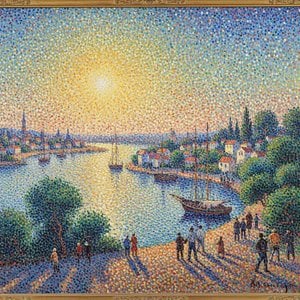
Embark on a sophisticated journey into the luminous world of Neo-Impressionism. Uncover the scientific brilliance of Pointillism, from Georges Seurat’s revolutionary color theory to the mesmerizing magic of the dot. An expert exploration for true art history enthusiasts.

Dive into the vibrant world of Ben-Day dots. Explore how Roy Lichtenstein transformed mass media imagery into high art, redefining modern aesthetics through the iconic textures of Pop Art and its enduring impact on contemporary visual culture.
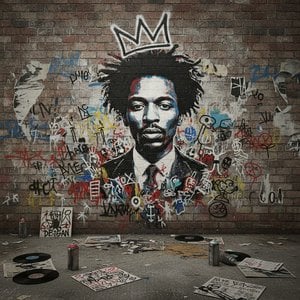
Explore the raw energy of Jean-Michel Basquiat and Neo-Expressionism. Discover how urban rebellion redefined modern art through a lens of luxury, identity, and profound emotional intensity for the discerning collector.

Explore the profound evolution of Neo-Abstract art. Discover how bold geometric forms, vibrant chromatic depth, and tactile textures redefine modern expression for the discerning collector seeking sophisticated, high-impact masterpieces for contemporary interiors.


 미리보기
미리보기
 공유하기
공유하기 공유하기
공유하기
 상세 정보
상세 정보 Guide
Guide

 다운로드
다운로드
 유사 작품
유사 작품 X-레이
X-레이 슬라이드 쇼
 통계 정보
통계 정보


 더 보기
더 보기









 유리 옵션은 110cm 미만 크기에서만 선택 가능합니다.