

 Graphite PencilWallArtMinimalism
 1962
1962 28.0 x 26.0 cm
 MoMA
MoMA이 페이지에 표시된 작품은 저작권법의 보호를 받으며, 이에 따라 동일한 복제품을 제작하거나 판매하는 것은 법으로 금지되어 있습니다. 이러한 권리 보호는 다음과 같은 국제 협약에 따라 시행됩니다. 베른 협약 또한 다음에서 명시하는 법률을 포함한 국내법에 의해 보호됩니다. 미국 저작권법 제17조.
저희는 존중을 담은 합법적인 대안으로서, 원작에서 영감을 받은 맞춤형 수제 유화 작품을 제공합니다. 저희의 숙련된 전문 화가들은 원작의 스타일, 분위기, 예술적 정수를 면밀히 연구하여, 그 자체로 독창적인 창작물이면서도 원작과 동일한 감동을 불러일으키는 새로운 작품을 만들어냅니다.
이 방식은 저작권 보호를 받는 예술 작품을 복제하거나 그대로 재현하는 것이 아니기에 저작권 규정을 완벽히 준수합니다. 대신, 이는 창의적인 재해석의 과정을 거칩니다. 즉, 원작에서 영감을 받되 원작과 동일하지 않은 새로운 회화 작품을 의미합니다.
작가가 직접 캔버스에 손으로 그린 유화 작품으로, 원하는 크기와 액자로 맞춤 제작해 드립니다. ( 프린트 판매로 전환 디지털 이미지 판매 채널로 전환)





























작품의 원본 비율을 그대로 유지하는 프리셋 사이즈 중에서 선택해 보세요.

액자나 벽면 크기에 맞춰 필요한 가로와 세로 길이를 입력해 주세요. 본 작품은 수작업으로 제작되므로, 요청하신 비율에 따라 작가가 그림의 가장자리를 조금 더 넓게 그리거나 일부를 조정하여 작업할 수 있습니다. 작업 시작 전, 최종 확인을 위해 디지털 목업 이미지를 보내드립니다. 이 페이지에 표시된 이미지는 실제 결과물과 다를 수 있으며, 오직 목업 이미지만이 정확한 결과물을 보여줍니다.
Tremolo
복제본 규격
Agnes Martin’s ‘Tremolo,’ painted in 1962, stands as an emblem of Minimalism – a movement that sought to strip away extraneous ornamentation and focus solely on fundamental geometric forms. More than just lines on paper, it's an invitation to stillness, prompting contemplation about the interplay between order and imperfection.
The artwork’s composition is dominated by a rectangular grid comprised of numerous thin, horizontal lines. These lines aren’t uniformly spaced or thick; rather, they exhibit subtle variations—a deliberate tremor or ‘tremolo,’ as suggested by the title—creating an ethereal visual effect reminiscent of distant ripples on water. This intentional irregularity disrupts any sense of rigid formality, hinting at a process rooted in organic spontaneity.
Martin’s artistic journey began in Saskatchewan, Canada, where she experienced a nomadic upbringing shaped by her father's passing early in life. This formative period instilled within her a profound appreciation for expansive landscapes and fostered an aesthetic sensibility that would permeate her subsequent work. Her formal education culminated in degrees from Western Washington University College of Education and Teachers College, Columbia University, establishing a foundation for her exploration into art and literature.
The stylistic influence of Minimalism is palpable in ‘Tremolo.’ Rejecting representational imagery, Martin prioritized geometric abstraction—specifically the grid—as a vehicle for conveying emotion and spiritual contemplation. This approach aligns with broader philosophical currents of the time, reflecting a desire to distill artistic expression to its purest essence.
Beyond its structural simplicity, ‘Tremolo’ possesses a subtle symbolic resonance. The repetitive nature of the grid can be interpreted as representing stability and control—a deliberate counterpoint to the inherent dynamism of human experience. Simultaneously, the slight variations in line thickness and spacing evoke vulnerability and imperfection, suggesting that even within meticulously crafted frameworks, traces of spontaneity remain.
Consider incorporating this artwork into interior spaces seeking tranquility and understated elegance. Its muted beige and grey palette complements neutral color schemes beautifully, creating a serene atmosphere conducive to relaxation and reflection. The textural surface adds depth without overwhelming the visual impact—a testament to Martin’s masterful technique and her enduring legacy as one of Minimalism's foremost practitioners.
Source Inspiration: MoMA Collection아그네스 마틴의 "Tremolo"의 AR 미리보기 페이지에서는 증강 현실(AR) 기술을 사용하여 호환 가능한 기기를 통해 작품이 사용자의 공간에 배치된 모습을 미리 확인할 수 있습니다.
"Tremolo"은(는) 아그네스 마틴의 예술적 생애 중 Mature Period 시기에 해당합니다. 이 분류는 해당 작품을 작가의 예술적 발전 과정과 연결해 줍니다.


1912 - 2004 , 캐나다

페르낭 레제의 최고 걸작 25선을 만나보세요. 큐비즘, 추상 미술의 거장이 그린 명작들의 탄생 비화와 예술적 의미를 탐구합니다. WahooArt에서 고품질 아트 프린트와 인테리어 액자로 공간에 예술을 더하세요. 지금 바로 컬렉션을 확인하세요!

Find serenity with 10 minimalist masterpieces! Explore Agnes Martin, Rothko & more. Discover the stories behind iconic abstract art, neutral palettes & calming designs. Museum-quality reproductions at WahooArt.com – elevate your home decor today!

A professional procurement guide for hotel designers and architects. Discover how to integrate large-scale contemporary abstract art into hospitality projects through high-volume, custom-sized oil reproductions, multi-panel layouts, and reliable global logistics.

몬드리안, 말레비치 등 거장들의 기하학적 추상 미술 명작 10선을 만나보세요. 각 작품의 예술사적 의미와 색채, 구성을 탐구하고 WahooArt.com에서 고품질 아트 프린트를 소장하세요. 지금 바로 온라인 컬렉션을 확인하세요!
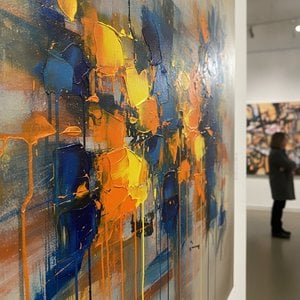
Master the high-impact world of contemporary abstraction. Discover how bold colors, textures, and modern movements like Abstract Expressionism can transform your space with premium, high-energy art curated for the design-conscious professional.

 실제 크기로 보기
 보내기
보내기 공유하기
공유하기
 상세 보기
상세 보기 가이드 보기

 이미지 다운로드
 유사 작품 더 보기
 X-레이
X-레이 슬라이드 쇼 보기
 통계 정보
통계 정보 상세 보기
상세 보기









 유리 옵션은 110cm 미만 크기에서만 선택 가능합니다.


![Abstract Composition [triptych] — Vaclav Vytlacil, Abstract Expressionism](/media/artworks/images-thumb/08/3c/083c0675045645fd42d4e6c6d63f1ced.jpg)


