

 Acrylic On CanvasWallArtMinimalist Abstract Expressionism
 1964
1964 183.0 x 183.0 cm
 MoMA
MoMA이 페이지에 표시된 작품은 저작권법의 보호를 받으며, 이에 따라 동일한 복제품을 제작하거나 판매하는 것은 법으로 금지되어 있습니다. 이러한 권리 보호는 다음과 같은 국제 협약에 따라 시행됩니다. 베른 협약 또한 다음에서 명시하는 법률을 포함한 국내법에 의해 보호됩니다. 미국 저작권법 제17조.
이 방식은 저작권 보호를 받는 예술 작품을 복제하거나 그대로 재현하는 것이 아니기에 저작권 규정을 완벽히 준수합니다. 대신, 이는 창의적인 재해석의 과정을 거칩니다. 즉, 원작에서 영감을 받되 원작과 동일하지 않은 새로운 회화 작품을 의미합니다.
빠른 제작과 다양한 마감 옵션을 선택할 수 있는 박물관 수준의 지클레이 및 캔버스 프린트. ( 수작업 채색 복제본 주문하기 디지털 이미지 판매 채널로 전환)





























작품의 원본 비율을 그대로 유지하는 프리셋 사이즈 중에서 선택해 보세요.

Type the width and the height you need, to fit your frame or your wall. A print can only be cut, never made bigger than the picture, so a size with a different shape loses a part of the image. We send you a digital mockup to approve before we print anything. The picture shown on this page does not show the real cut — only the mockup does.
The Tree
복제본 규격
Agnes Martin's "The Tree," painted in 1964, isn’t a painting that shouts for attention; rather, it invites a slow, deliberate engagement. Measuring a substantial 183 x 183 cm, this work embodies the core tenets of Minimalist art – reduction to essential forms, an embrace of objectivity, and a profound exploration of space and perception. It's a piece that speaks volumes through its silence, offering a meditative experience for the viewer as much as it does a visual one.
The artwork’s foundation lies in a deceptively simple arrangement: horizontal lines, rendered in subtle variations of pale grey and white, stretch across the canvas. These aren't perfectly aligned or uniformly thick; instead, they possess a gentle irregularity, a slight wobble that imbues the composition with an organic quality despite its geometric structure. This deliberate imperfection is key to Martin’s approach – she sought to capture the essence of feeling rather than precise representation. The technique employed appears to be meticulous layering of thin paint, likely acrylic or oil, creating a surface that feels both smooth and subtly textured, hinting at the artist's hand in shaping this serene landscape.
To understand “The Tree,” it’s crucial to consider Agnes Martin’s artistic journey. Born in 1912 in Mackinaw City, Canada, her early life was marked by constant relocation following the death of her father. This nomadic upbringing fostered a sense of detachment and an appreciation for vast, open spaces – qualities that would become central to her art. Martin initially pursued education in English and art, eventually finding her voice within the burgeoning Minimalist movement of the 1960s. Influenced by artists like Sol LeWitt and Donald Judd, she rejected traditional representational painting, instead focusing on the fundamental elements of line, shape, and color to evoke emotional responses.
The period surrounding 1964 was a pivotal one for Minimalist art, characterized by a desire to strip away all extraneous detail and focus solely on the inherent qualities of materials and processes. Martin’s work aligns perfectly with this ethos, offering a quiet counterpoint to the more assertive and conceptual approaches of some of her contemporaries. The grid-like structure, reminiscent of early 20th-century geometric abstraction, subtly nods to the legacy of artists like Piet Mondrian, while simultaneously forging its own distinct path.
While “The Tree” resists overt interpretation, its formal elements invite contemplation. The repetitive horizontal lines can be seen as pathways or currents – perhaps representing the passage of time, the flow of experience, or even the vastness of the landscapes that shaped Martin’s early life. The subtle variations in tone and thickness create a sense of depth, not through perspective, but through a carefully orchestrated modulation of light and shadow. This is a painting about feeling, rather than seeing; it's an invitation to lose oneself within its quiet rhythm.
Martin herself often resisted assigning specific meanings to her work, preferring that viewers find their own interpretations. The simplicity of the composition allows for a deeply personal connection – each viewer brings their own experiences and emotions to bear on this understated masterpiece. The absence of a central focal point encourages a holistic viewing experience, demanding that we engage with the entire surface of the canvas.
"The Tree" by Agnes Martin is more than just a painting; it’s an embodiment of tranquility and introspection. WahooArt offers meticulously crafted hand-painted reproductions that faithfully capture the nuances of this iconic work, ensuring that its quiet resonance can be experienced in any setting. Its minimalist aesthetic makes it exceptionally versatile, lending itself beautifully to contemporary interiors – from serene living rooms to contemplative studies. The subtle tonal variations create a calming effect, while the irregular lines add a touch of organic warmth. Investing in a reproduction of “The Tree” is an investment in a piece of art that speaks directly to the soul, offering a moment of respite and reflection in our increasingly complex world.
아그네스 마틴의 "The Tree"의 기록된 크기는 183 x 183 cm입니다. 복제화는 동일한 비율을 유지하면서 다른 크기로 주문하실 수 있습니다.
아그네스 마틴의 "The Tree"은(는) 원작 기준 183 x 183 cm 크기의 Square 구성입니다.
아그네스 마틴의 "The Tree"의 Calm한 분위기는 추천 공간인 Living Room과 완벽하게 어우러집니다.


1912 - 2004 , 캐나다

Find serenity with 10 minimalist masterpieces! Explore Agnes Martin, Rothko & more. Discover the stories behind iconic abstract art, neutral palettes & calming designs. Museum-quality reproductions at WahooArt.com – elevate your home decor today!

추상표현주의의 심장을 뛰게 한 10대 걸작을 만나보세요. 폴록, 로스코 등 거장의 작품 비하인드 스토리와 예술적 영감을 WahooArt에서! 지금 바로 미술품 컬렉션을 탐험하고, 당신의 공간에 특별한 예술적 감성을 더하세요. WahooArt.com

몬드리안, 말레비치 등 거장들의 기하학적 추상 미술 명작 10선을 만나보세요. 각 작품의 예술사적 의미와 색채, 구성을 탐구하고 WahooArt.com에서 고품질 아트 프린트를 소장하세요. 지금 바로 온라인 컬렉션을 확인하세요!
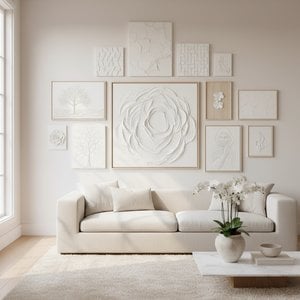
Explore 10 iconic white paintings by Monet, Whistler & Rothko! Discover the stories behind these serene masterpieces and their impact on art history. Find museum-quality reproductions for your home decor at .

Journey through Wassily Kandinsky's 25 most iconic abstract paintings. Explore his revolutionary use of color, form & spiritual expressionism. Find museum-quality Kandinsky reproductions and elevate your home decor with WahooArt.com. Discover all masterpieces on WahooArt.com!

 실제 크기로 보기
 보내기
보내기 공유하기
공유하기
 상세 보기
상세 보기 가이드 보기

 이미지 다운로드
 유사 작품 더 보기
 X-레이
X-레이 슬라이드 쇼 보기
 통계 정보
통계 정보 상세 보기
상세 보기









 유리 옵션은 110cm 미만 크기에서만 선택 가능합니다.


