

 Acrylic On CanvasWallArtMacchiaioli Movement
 1867
1867 53.0 x 82.0 cm
 Musée des impressionnismes Giverny
빠른 제작과 다양한 마감 옵션을 선택할 수 있는 박물관 수준의 지클레이 및 캔버스 프린트. ( 수작업 채색 복제본 주문하기 디지털 이미지 판매 채널로 전환)





























작품의 원본 비율을 그대로 유지하는 프리셋 사이즈 중에서 선택해 보세요.

특정 프레임이나 공간에 맞춰 직접 치수를 입력하실 수 있습니다. 선택하신 사이즈가 원본 이미지의 비율과 일치하지 않을 경우, 작품을 크롭(자르기)하거나 이미지를 대칭 또는 단색 채우기로 확장하여 제작합니다. 제작 시작 전, 최종 확인을 위해 디지털 목업이 전송됩니다.
화면상의 미리보기는 실제 크롭이나 확장 상태를 반영하지 않으므로, 최종 구도는 오직 목업을 통해서만 정확하게 확인하실 수 있습니다.
맞춤 사이즈 제작도 가능하지만, 원본 비율을 유지하기 위해서는 사전 정의된 목록에서 치수를 선택하시는 것을 권장합니다.

At Caffè Michelangiolo
복제본 규격
Adriano Giuseppe Cecioni’s “At Caffè Michelangiolo,” painted in 1867, offers more than just a depiction of a convivial gathering; it's a window into the intellectual ferment of late 19th-century Florence. This intimate scene, rendered with Cecioni’s signature macchiaioli style – characterized by loose brushwork and vibrant color – captures a moment of intense discussion within the famed Caffè Michelangiolo, a haunt frequented by artists and intellectuals eager to absorb European trends.
The painting's subject matter is deceptively simple: a group of men engaged in animated conversation around a table. However, Cecioni elevates this commonplace tableau through his masterful use of light and color. The warm hues of the room – ochres, reds, and browns – are applied with rapid, expressive strokes, creating a sense of immediacy and capturing the energy of the moment. Notice how the artist doesn't meticulously detail each face; instead, he focuses on conveying emotion and atmosphere through subtle shifts in tone and brushwork. This technique was central to the macchiaioli movement’s rejection of academic realism and their embrace of subjective perception.
Cecioni's association with the macchiaioli – “the stainists” – is crucial to understanding this work. This group, emerging in the 1860s, challenged the prevailing artistic norms of the time by prioritizing direct observation and expressive color over idealized representation. They were deeply influenced by French Impressionism but sought to develop a distinctly Italian approach, often depicting contemporary life with remarkable honesty and vitality. The Caffè Michelangiolo itself became a symbol of this movement – a place where artists debated new ideas, shared banned foreign periodicals (as documented in the Italian Arts Society’s archive), and pushed the boundaries of artistic expression.
The inclusion of details like the clock and scattered books subtly reinforces the scene's intellectual context. The clock speaks to the passage of time and the urgency of the discussion, while the books suggest a scholarly environment – a space for debate and reflection. Cecioni’s careful composition draws the viewer into this world, inviting us to imagine ourselves as silent observers of this pivotal moment in Florentine art history.
Beyond its historical significance, “At Caffè Michelangiolo” possesses a powerful emotional resonance. The figures are not presented as individual portraits but rather as representatives of a collective spirit – a shared passion for art, ideas, and the pursuit of modernity. Cecioni’s loose brushwork and vibrant colors evoke a sense of warmth, intimacy, and intellectual excitement. The painting's overall effect is one of inviting engagement, suggesting that the viewer too can participate in this lively exchange.
This hand-painted reproduction offers an exceptional opportunity to bring this captivating scene into your home or office. Measuring 53 x 82 cm, it’s a perfect size for adding a touch of artistic flair to any space. Created using traditional techniques and meticulously crafted by skilled artisans, this reproduction faithfully captures the essence of Cecioni's original masterpiece – a testament to his talent and the vibrant spirit of the macchiaioli movement.


1836 - 1886 , Italy

Embark on a sophisticated journey through Italian Baroque art. Discover the dramatic interplay of light and emotion in Caravaggio’s masterpieces and explore how to bring this timeless grandeur into your collection with expert art insights.
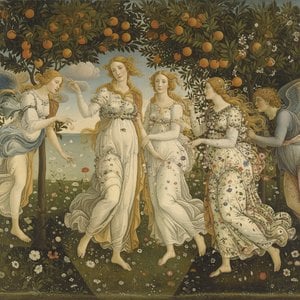
Explore the ethereal beauty of Sandro Botticelli's masterpieces. Delve into the profound symbolism, mythological grace, and technical mastery that define the Italian Renaissance through an expert art-historical lens.

Embark on a visual journey through Italy's most iconic landscapes and Renaissance masterpieces. Discover the profound beauty of classical art, from Venetian altarpieces to serene countryside vistas, curated for the discerning art enthusiast and collector.

 실제 크기로 보기
 보내기
보내기 공유하기
공유하기
 상세 보기
상세 보기 가이드 보기

 이미지 다운로드
 유사 작품 더 보기
 X-레이
X-레이 슬라이드 쇼 보기
 통계 정보
통계 정보 상세 보기
상세 보기









 유리 옵션은 110cm 미만 크기에서만 선택 가능합니다.


