
 Oil On PanelFlemish Baroque
 1638
1638 41.0 x 37.0 cm
 영국런던 에نجليزية 헤리티지
빠른 제작과 다양한 마감 옵션을 제공하는 박물관 품질의 지클레이 또는 캔버스 프린트. ( 손으로 그린 그림 구매 디지털 이미지로 전환)





























작품의 원본 비율을 유지하는 미리 설정된 크기 중에서 선택하세요.

특정 프레임이나 공간에 맞춰 직접 치수를 입력하실 수 있습니다. 선택하신 사이즈가 원본 이미지의 비율과 일치하지 않을 경우, 작품을 크롭(자르기)하거나 이미지를 대칭 또는 단색 채우기로 확장하여 제작합니다. 제작 시작 전, 최종 확인을 위해 디지털 목업이 전송됩니다.
화면상의 미리보기는 실제 크롭이나 확장 상태를 반영하지 않으므로, 최종 구도는 오직 목업을 통해서만 정확하게 확인하실 수 있습니다.
맞춤 사이즈 제작도 가능하지만, 원본 비율을 유지하기 위해서는 사전 정의된 목록에서 치수를 선택하시는 것을 권장합니다.

The Smokers
복제본 크기
Adriaen Brouwer's "The Smokers," painted around 1636, isn’t merely a depiction of men enjoying a pipe; it’s a vibrant window into the social fabric and everyday realities of 17th-century Flanders. This remarkable oil on wood panel, now residing within the hallowed halls of the Metropolitan Museum of Art in New York, captures a moment of convivial chaos—a scene brimming with life, humor, and subtle commentary on the era’s values. Brouwer, a master of genre painting, eschewed the idealized portraits favored by many of his contemporaries, instead choosing to portray the lives of ordinary people – peasants, soldiers, tavern patrons – in all their earthy glory.
The scene unfolds within a dimly lit interior, likely a tavern or communal gathering space. Five figures dominate the composition: a central man, presumably Brouwer himself, leans forward, puffing on his pipe with an expression of surprised delight; to his right, another man lies sprawled on the floor, equally absorbed in his smoking pastime. A third man is seated at a table, engaged in a game of cards, while a fourth man enters through a doorway, adding a dynamic element to the tableau. A woman stands by a window, observing the scene with a detached air—a subtle reminder of the domestic sphere and perhaps a hint of social commentary on the roles of men and women at the time. Brouwer’s masterful use of light and shadow creates a palpable sense of depth and atmosphere, drawing the viewer into this intimate slice of life.
Brouwer's technique is characterized by its remarkable realism and attention to detail. He wasn’t interested in romanticizing or idealizing his subjects; instead, he meticulously observed their postures, expressions, and clothing, rendering them with astonishing accuracy. The brushstrokes are loose and expressive, conveying a sense of movement and spontaneity. Notice the subtle variations in skin tones, the wrinkles around the eyes, and the way the smoke curls from the pipes—these details contribute to the painting’s overall sense of authenticity. Brouwer's style is often described as “tronies”—studies of facial expressions that capture fleeting emotions and psychological states. “The Smokers” exemplifies this approach, offering a glimpse into the inner lives of its subjects.
Beyond its immediate visual appeal, "The Smokers" is rich in symbolic meaning. Smoking itself was a relatively new practice in 17th-century Europe, initially associated with the upper classes and considered somewhat decadent. Brouwer’s depiction of men casually enjoying pipes challenges this perception, suggesting that even the common folk embraced this pastime. The scene also subtly critiques social hierarchies—the seated man playing cards, the lying figure on the floor—reflecting a world where status was often determined by wealth and leisure. The woman observing from the window represents the watchful eye of society, reminding us that these moments of revelry were always subject to scrutiny.
"The Smokers" remains a powerful testament to Adriaen Brouwer’s artistic genius and his ability to capture the essence of human experience. It's more than just a painting; it’s a social document, a psychological study, and a celebration of everyday life—a timeless masterpiece that continues to fascinate and inspire viewers centuries after its creation. Reproductions of this iconic work offer a remarkable opportunity to bring this vibrant scene into your home, inviting you to contemplate the complexities of human nature and the enduring appeal of simple pleasures.


1635 - 1638 , 벨기에
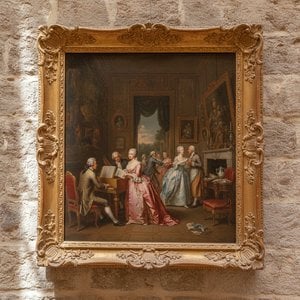
Explore the profound beauty of genre painting. From Dutch Golden Age masters to global traditions, discover how artists capture the essence of everyday life through masterful realism and timeless storytelling.


 미리보기
미리보기
 공유하기
공유하기 공유하기
공유하기
 상세 정보
상세 정보 가이드 보기

 다운로드
다운로드
 유사 작품
유사 작품 X-레이
X-레이 슬라이드 쇼
 통계 정보
통계 정보 더 보기
더 보기









 유리 옵션은 110cm 미만 크기에서만 선택 가능합니다.


