
 Oil On CanvasWallArtBaroque Genre Painting
 1631Early Modern
 33.0 x 49.0 cm
 알테 핀코테크
빠른 제작과 다양한 마감 옵션을 제공하는 박물관 품질의 지클레이 또는 캔버스 프린트. ( 손으로 그린 그림 구매 디지털 이미지로 전환)





























작품의 원본 비율을 유지하는 미리 설정된 크기 중에서 선택하세요.

특정 프레임이나 공간에 맞춰 직접 치수를 입력하실 수 있습니다. 선택하신 사이즈가 원본 이미지의 비율과 일치하지 않을 경우, 작품을 크롭(자르기)하거나 이미지를 대칭 또는 단색 채우기로 확장하여 제작합니다. 제작 시작 전, 최종 확인을 위해 디지털 목업이 전송됩니다.
화면상의 미리보기는 실제 크롭이나 확장 상태를 반영하지 않으므로, 최종 구도는 오직 목업을 통해서만 정확하게 확인하실 수 있습니다.
맞춤 사이즈 제작도 가능하지만, 원본 비율을 유지하기 위해서는 사전 정의된 목록에서 치수를 선택하시는 것을 권장합니다.

Peasants Fighting
복제본 크기
In the quiet halls of the Alte Pinakothek in Munich, there exists a window into a much louder, more turbulent era. Adriaen Brouwer’s 1631 masterpiece, Peasants Fighting, serves as a visceral time capsule, capturing the unvarnating grit of 17th-century Flemish life. Unlike the polished, idealized portraits favored by many of his contemporaries, Brouwer turned his gaze toward the shadows of the tavern and the rustic corners of the countryside. This oil on canvas work does not merely depict a brawl; it invites the viewer into a sensory experience of tension, movement, and the raw human instinct for conflict.
The composition is a masterclass in controlled chaos. At the heart of the narrative, two men are locked in a physical struggle that feels immediate and dangerously real. One figure sits precariously on a stool, his posture vulnerable and defensive, while his adversary looms over him with a raised hand, poised to strike. The kinetic energy of this moment is balanced by the presence of observers in the background—figures who stand as silent witnesses to the unfolding violence. Through this arrangement, Brouwer creates a circularity of focus that keeps the eye moving between the central struggle and the watchful, perhaps even indifferent, eyes of the onlookers.
The Artistry of Light and TextureTechnically, Peasants Fighting is a triumph of the Flemish genre tradition. Brouwer utilizes a sophisticated interplay of light and shadow, often referred to as chiaroscuro, to sculpt the figures out of the murky, rustic interior. The dim light filtering through what appears to be a humble dwelling catches the folds of coarse clothing and the rugged textures of wooden beams, lending an incredible sense of three-dimensionality to the scene. Every brushstroke contributes to the atmosphere; the artist’s ability to render the grain of old wood and the sweat-slicked skin of the combatants demonstrates a profound command over his medium.
For the discerning collector or interior designer, this painting offers more than just historical interest; it provides a profound emotional anchor. The muted, earthy palette—dominated by ochres, deep browns, and somber greys—allows the piece to integrate seamlessly into sophisticated, classical, or even modern rustic interiors. It is a work that demands attention not through garish color, but through its psychological depth and the sheer authenticity of its subject matter.
A Legacy of Human EmotionBeyond the physical brawl, there is a deeper, more symbolic layer to Brouwer’s work. He was a pioneer of genre painting, a style that finds divinity in the mundane and drama in the everyday. In Peasants Fighting, we see the exploration of human temperament—the sudden eruption of anger, the tension of anticipation, and the stoicism of those who watch life's dramas unfold from the periphery. It is this ability to capture the fleeting, often uncomfortable truths of the human condition that makes a high-quality reproduction of this work such a compelling addition to any art collection.
Owning a piece that echoes Brouwer’s spirit means bringing a sense of history and narrative weight into a living space. Whether displayed in a study or as a focal point in a grand hall, this painting serves as a reminder of the enduring power of storytelling through art, celebrating the beauty found even in the most turbulent moments of our shared existence.


1635 - 1638 , 벨기에

Explore the exquisite precision of Flemish painting. From Jan van Eyck to Robert Campin, discover the revolutionary oil techniques and rich symbolism that defined the Northern Renaissance and continue to inspire fine art collectors today.

Embark on a journey through the exquisite precision of Flemish Art. Discover the pioneering oil techniques, profound symbolism, and luminous realism that define the Northern Renaissance masters in this expert guide for art enthusiasts.

Discover the profound allure of oil on canvas. Explore the mastery of impasto textures, the science of pigment longevity, and expert guides to selecting museum-quality reproductions that elevate your collection with timeless elegance and tactile depth.
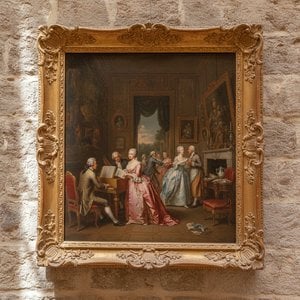
Explore the profound beauty of genre painting. From Dutch Golden Age masters to global traditions, discover how artists capture the essence of everyday life through masterful realism and timeless storytelling.


 미리보기
미리보기
 공유하기
공유하기 공유하기
공유하기
 상세 정보
상세 정보 가이드 보기

 다운로드
다운로드
 유사 작품
유사 작품 X-레이
X-레이 슬라이드 쇼
 통계 정보
통계 정보 더 보기
더 보기









 유리 옵션은 110cm 미만 크기에서만 선택 가능합니다.


