
 Oil On CanvasWallArtDutch Golden Age Painting
 Early Modern
 25.0 x 34.0 cm
 에르미타주 박물관
빠른 제작과 다양한 마감 옵션을 제공하는 박물관 품질의 지클레이 또는 캔버스 프린트. ( 손으로 그린 그림 구매 디지털 이미지로 전환)





























작품의 원본 비율을 유지하는 미리 설정된 크기 중에서 선택하세요.

특정 프레임이나 공간에 맞춰 직접 치수를 입력하실 수 있습니다. 선택하신 사이즈가 원본 이미지의 비율과 일치하지 않을 경우, 작품을 크롭(자르기)하거나 이미지를 대칭 또는 단색 채우기로 확장하여 제작합니다. 제작 시작 전, 최종 확인을 위해 디지털 목업이 전송됩니다.
화면상의 미리보기는 실제 크롭이나 확장 상태를 반영하지 않으므로, 최종 구도는 오직 목업을 통해서만 정확하게 확인하실 수 있습니다.
맞춤 사이즈 제작도 가능하지만, 원본 비율을 유지하기 위해서는 사전 정의된 목록에서 치수를 선택하시는 것을 권장합니다.

In the Tavern
복제본 크기
In the dim, amber-hued atmosphere of Adriaen Brouwer’s In the Tavern, we are not merely observers of a painting, but uninvited guests at a seventeenth-century gathering. Painted around 1635, this masterpiece serves as a profound window into the Dutch Golden Age, an era where the glitter of global trade met a burgeoning fascination with the raw, unvarnished realities of human existence. Unlike the grand, idealized portraits of nobility that dominated previous centuries, Brouwer directs our gaze toward the humble and the everyday. The scene unfolds within the smoky, intimate confines of a tavern, capturing a fleeting moment of social ritual—men engaged in the quiet, personal acts of grooming and shaving amidst the low hum of a crowded room.
The emotional resonance of the work lies in its remarkable ability to find dignity in the mundane. There is a palpable sense of warmth and conviviality, yet it is tempered by a gritty realism that refuses to look away from the textures of poverty or the shadows of a life lived on the margins. For the modern collector or interior designer, this piece offers more than just a historical document; it provides an anchor of character and depth. It evokes a sense of nostalgia for a time when the simple pleasures of companionship and routine were the very fabric of society, making it an ideal centerpiece for spaces that value storytelling, heritage, and a sophisticated, earthy aesthetic.
Technically, In the Tavern is a triumph of Baroque sensibility. Brouwer utilizes an oil-on-canvas medium to achieve a breathtakingly tactile experience. His brushwork is famously visible, far from being mere decoration; instead, these deliberate strokes breathe life into the rugged surfaces of weathered wood, coarse fabrics, and human skin. The artist employs a masterful use of chiaroscuro, where light emerges from an unseen source to dance across the faces of his subjects, casting deep, dramatic shadows that lend the composition an incredible sense of three-dimensional volume.
The color palette is a sophisticated study in earth tones—rich ochres, deep umbers, and muted reds dominate the canvas, creating a cohesive and atmospheric environment. These warm hues are punctuated by subtle highlights of white and grey, which guide the eye through the complex composition. The way light catches the edge of a shaving tool or the fold of a sleeve creates an illusionistic depth that draws the viewer into the tavern's crowded corners. This interplay of light and shadow does more than define form; it sets a mood of intimacy and quiet drama, ensuring that every time one views this reproduction, new details emerge from the gloom.
To understand Brouwer is to understand the revolution of genre painting. As a pioneer of the movement, he moved away from religious iconography to document the "lower class" with an empathetic, almost journalistic eye. In In the Tavern, the subject matter—the grooming of men, the presence of children in the periphery, and the bustling background figures—serves as a subtle commentary on the social structures of the time. He captures the essence of tronies, focusing on the expressive power of facial movements and human emotion.
For those seeking to curate an art collection that speaks to the complexity of the human condition, Brouwer’s work offers unparalleled inspiration. His ability to blend the coarse with the beautiful, and the transient with the eternal, makes In the Tavern a timeless addition to any curated environment. It is a piece that does not just decorate a wall; it invites conversation, prompts reflection, and brings the vibrant, turbulent spirit of the seventeenth century into the contemporary home.


1635 - 1638 , 벨기에
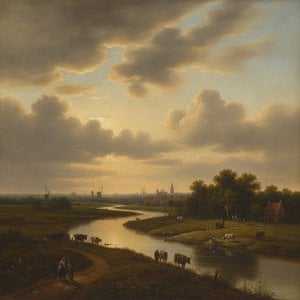
Discover the breathtaking beauty of Dutch Golden Age landscapes. Explore the mastery of light, chiaroscuro, and 17th-century realism through an expert art history lens, celebrating the enduring legacy of the Dutch Masters for discerning collectors and art lovers.

렘브란트, 베르메르의 걸작부터 할스의 인물화까지! 네덜란드 황금시대 미술의 10대 명품을 만나보세요. 예술적 깊이와 아름다움을 담은 작품들을 WahooArt에서 감상하고, 고품질 아트 프린트로 당신의 공간에 특별함을 더하세요. 지금 바로 WahooArt.com에서 모든 걸작을 발견하세요!

Explore the Dutch Golden Age of painting! Discover key artists like Vermeer & ter Borch, their innovative techniques, and the rich cultural context behind these Baroque masterpieces. Learn about collecting & appreciating this iconic art period.

Explore the dramatic mastery of the Dutch Baroque era. Discover how masters like Rembrandt used chiaroscuro to transform everyday life into timeless art. An expert guide for collectors and enthusiasts seeking to understand the profound interplay of light and shadow.

Explore the captivating world of Adriaen Brouwer, a master of Dutch Golden Age genre painting. Discover his vivid depictions of peasant life, social commentary, and lasting influence on art history. Learn more at WahooArt.


 미리보기
미리보기
 공유하기
공유하기 공유하기
공유하기
 상세 정보
상세 정보

 다운로드
다운로드
 유사 작품
유사 작품 X-레이
X-레이 슬라이드 쇼
 통계 정보
통계 정보 더 보기
더 보기









 유리 옵션은 110cm 미만 크기에서만 선택 가능합니다.


