
x































작품의 원본 비율을 유지하는 미리 설정된 크기 중에서 선택하세요.

특정 프레임이나 공간에 맞도록 직접 크기를 입력할 수 있습니다. 선택하신 크기가 원본 이미지의 비율과 일치하지 않는 경우, 작품을 자르거나 추가적인 손으로 그린 요소를 사용하여 그림을 확장합니다. 제작 시작 전 승인을 위해 디지털 목업을 보내드립니다.
화면 미리 보기는 실제 자르기 또는 확장을 반영하지 않습니다. 최종 구성은 목업을 통해서만 정확하게 확인하실 수 있습니다.
맞춤 크기 제작도 가능하지만, 원본 비율을 유지하기 위해 사전 정의된 목록에서 크기를 선택하시는 것을 권장합니다.

The Disturbance
복제본 크기
Adolph von Menzel’s “The Disturbance,” painted in 1846, isn't merely a portrait; it’s a meticulously observed slice of bourgeois life rendered with the precision and psychological depth characteristic of the German Realist movement. This intimate scene, housed within the State Art Gallery of Karlsruhe, captures a fleeting moment of domestic tension – a subtle discordance simmering beneath the veneer of polite society. The painting depicts two women seated in a dimly lit parlor, one at a piano while the other stands nearby, seemingly observing or perhaps even subtly challenging her companion’s focus. The room itself is richly detailed: a vase sits on a side table, suggesting an attempt to maintain order and elegance amidst the underlying unease, while a clock hangs above the piano, a silent reminder of the passage of time and the pressures of societal expectations.
Menzel’s genius lay not just in his technical skill – though undeniably masterful – but in his ability to distill complex human emotions into deceptively simple compositions. He was a student of observation, spending countless hours sketching everyday scenes, from bustling marketplaces to quiet moments within private homes. This dedication is evident in the incredibly detailed rendering of the women’s clothing, the textures of the furniture, and even the subtle shadows that play across their faces. The artist's use of light and shadow creates a sense of depth and realism, drawing the viewer into this intimate tableau. Notably, Menzel employed a technique known as *pointillé*, using tiny dots of paint to build up texture and create an illusion of shimmering surface detail – a hallmark of his mature style.
“The Disturbance” offers a fascinating glimpse into the social dynamics of mid-19th century Prussia. Menzel, deeply sympathetic to the Prussian monarchy and its values, frequently depicted scenes from Frederick the Great’s reign, but also sought to capture the complexities of everyday life within the kingdom. This painting reflects the growing interest in documenting the realities of bourgeois society – a shift away from idealized historical narratives towards a more nuanced portrayal of contemporary life. The scene speaks to the constraints placed upon women during this era, suggesting a subtle power dynamic and perhaps even a hint of suppressed rebellion. The quiet tension between the two figures hints at unspoken desires or unresolved conflicts, reflecting the anxieties and uncertainties of a rapidly changing society.
While seemingly straightforward, “The Disturbance” is rich in symbolic meaning. The piano, often associated with domestic harmony and refinement, becomes a focal point of discord. The woman at the instrument represents perhaps a desire for creative expression or social engagement, while her companion’s stance suggests a degree of detachment or disapproval. The muted color palette – dominated by browns, grays, and creams – reinforces the atmosphere of quiet tension and unspoken emotions. Menzel masterfully uses these visual cues to evoke a sense of melancholy and introspection, inviting viewers to contemplate the hidden currents beneath the surface of everyday life. The painting’s enduring power lies in its ability to capture a universal human experience: the subtle complexities of relationships and the ever-present undercurrent of unspoken feelings.
A faithful reproduction of “The Disturbance” brings this captivating scene into any space, offering a touch of understated elegance and intellectual depth. Available in various sizes, from compact 5x90cm prints to larger formats suitable for statement walls, these reproductions capture Menzel’s meticulous detail and evocative atmosphere. Consider framing options that complement the painting's muted tones – a simple black frame will highlight the artwork's inherent drama, while a warmer wood tone can add a touch of rustic charm. “The Disturbance” is more than just a beautiful image; it’s an invitation to engage with the complexities of human emotion and the enduring legacy of one of Germany’s greatest artists.


1815 - 1905 , 폴란드

Explore the life & work of Adolph von Menzel, a leading German Realist painter. Discover his detailed depictions of Prussian society, innovative techniques, and lasting influence on art history. Hand-painted reproductions available at WahooArt.

Explore the rich history of women in art – from iconic muses to groundbreaking artists. Discover feminist movements, global perspectives & reclaim female narratives with WahooArt.

Explore the rich history of women in art – from archetypal representations to contemporary voices challenging norms. Discover iconic artists & movements, and learn about reclaiming female narratives through painting and beyond.
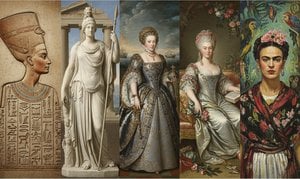
Explore the rich history of women in art – from iconic muses to groundbreaking artists. Discover feminist movements & reclaim female narratives with WahooArt. Expert insights for discerning collectors.

Explore the rich history of formal portraiture & its enduring power to capture identity and shape perception. Discover investment-worthy artworks, expert appraisals, and custom reproduction services at WahooArt.


최신 미술 뉴스, 특별 혜택 및 인테리어 아이디어를 가장 먼저 만나보세요.
프로젝트에 대해 알려주시면 저희 미술 전문가들이 맞춤형 아트 제안 3가지를 전달해 드립니다.
당신만을 위한 맞춤형 옵션 3가지를 무료로 추천해 드립니다!


 미리보기
미리보기
 프린트 구매
 공유하기
공유하기 공유하기
공유하기
 상세 정보
상세 정보

 다운로드
다운로드
 유사 작품
유사 작품 X-레이
X-레이 슬라이드 쇼


 더 보기
더 보기









 유리 옵션은 110cm 미만 크기에서만 선택 가능합니다.


