
x


 WatercolorWallArt
 187219th Century
 31.0 x 26.0 cm
 사우스오스트레일리아 미술관
빠른 제작과 다양한 마감 옵션을 제공하는 박물관 품질의 지클레이 또는 캔버스 프린트. ( 손으로 그린 그림 구매 이미지 구매)





























작품의 원본 비율을 유지하는 미리 설정된 크기 중에서 선택하세요.

특정 프레임이나 공간에 맞춰 직접 치수를 입력하실 수 있습니다. 선택하신 사이즈가 원본 이미지의 비율과 일치하지 않을 경우, 작품을 크롭(자르기)하거나 이미지를 대칭 또는 단색 채우기로 확장하여 제작합니다. 제작 시작 전, 최종 확인을 위해 디지털 목업이 전송됩니다.
화면상의 미리보기는 실제 크롭이나 확장 상태를 반영하지 않으므로, 최종 구도는 오직 목업을 통해서만 정확하게 확인하실 수 있습니다.
맞춤 사이즈 제작도 가능하지만, 원본 비율을 유지하기 위해서는 사전 정의된 목록에서 치수를 선택하시는 것을 권장합니다.

Dog chasing a kangaroo
복제본 크기

Théodore Géricault (1821 – 1874) stands as a pivotal figure in the transition from Neoclassicism to Romanticism, an artist whose turbulent life and intensely dramatic works profoundly shaped the course of French painting. Born into a family with Huguenot roots—a history of religious dissent that imbued him with a spirit of independence and social awareness—Géricault’s career was marked by both critical acclaim and persistent struggle. He wasn't simply a painter; he was an investigator, a chronicler of human suffering, and a revolutionary in his approach to subject matter and artistic technique. His legacy rests not just on individual masterpieces but on the seismic shift he instigated within the art world, challenging established conventions and paving the way for future generations of artists.
Géricault’s childhood in Paris was far from idyllic. His father, a shipowner, died when Théodore was young, leaving him and his siblings in precarious circumstances. This early loss instilled within him a deep empathy for the marginalized and a keen awareness of social injustice. He received limited formal artistic training, initially apprenticed to a painter of portraits and miniatures. However, it was his exposure to the works of Michelangelo—particularly the powerful emotion conveyed in the *Last Judgment* at St. Peter’s Basilica in Rome—that proved to be a transformative influence. This encounter ignited within him a fascination with grand narratives, dramatic scenes, and the depiction of human suffering, themes that would dominate much of his later work. The Neoclassical style, championed by Jacques-Louis David, initially exerted a strong pull, but Géricault quickly recognized its limitations—its emphasis on idealized beauty and rational order—and sought to forge a new path.
Perhaps the most iconic work in Géricault’s oeuvre, *The Raft of the Medusa* (1819-1823), is a monumental painting that encapsulates his artistic vision and political convictions. Commissioned for the Salon of 1820, it depicts the harrowing aftermath of the wreck of the French naval frigate *Medusa*, which ran aground off the coast of West Africa in 1816. The disaster was largely attributed to the incompetence of Captain Chaumareys, a royalist appointed through political connections, and the painting became a searing indictment of corruption and governmental negligence. Géricault meticulously researched the event, interviewing survivors and constructing a scale model of the raft to ensure accuracy. He deliberately eschewed the heroic narratives favored by Neoclassical painters, instead presenting a scene of abject despair, starvation, and cannibalism—a brutal depiction of human vulnerability in the face of overwhelming adversity. The painting’s raw emotion, dramatic composition, and unflinching realism shocked audiences and cemented Géricault's reputation as a radical artist.
While *The Raft of the Medusa* secured his place in art history, Géricault continued to explore themes of suffering and social injustice throughout his career. He produced a series of intensely personal and psychologically probing portraits of individuals condemned to death—criminals, political prisoners, and victims of disease—capturing their anguish, despair, and quiet dignity with remarkable sensitivity. These works, often painted *en plein air* (outdoors), were revolutionary in their approach to portraiture, moving beyond idealized representations to offer a starkly realistic portrayal of human vulnerability. His series of studies on the “maniacs” at the Salpêtrière hospital in Paris—a sprawling asylum for the mentally ill—demonstrated his commitment to documenting the lives of those marginalized by society. These paintings were not simply depictions of illness; they were profound explorations of the human psyche, revealing the hidden depths of suffering and the complexities of mental distress.
Théodore Géricault’s impact on art history is undeniable. He shattered the conventions of Neoclassicism, paving the way for Romanticism's emphasis on emotion, subjectivity, and the sublime. His willingness to tackle controversial subjects—political corruption, social injustice, and human suffering—challenged the established order and inspired a generation of artists to engage with the realities of their time. The influence of *The Raft of the Medusa* can be seen in the works of Eugène Delacroix, Gustave Courbet, and Édouard Manet, among others. Géricault’s innovative techniques—his use of dramatic lighting, dynamic composition, and expressive brushwork—also profoundly influenced subsequent generations of painters. He remains a towering figure in art history, celebrated for his artistic genius, his unwavering commitment to social justice, and his enduring legacy as a pioneer of modern painting.

1821 - 1882 , Ireland

Discover the ethereal beauty of watercolor through an art-historical lens. Master the delicate balance of light, fluidity, and pigment to capture the luminous essence of nature, inspired by the legendary techniques of the Old Masters and Impressionist greats.
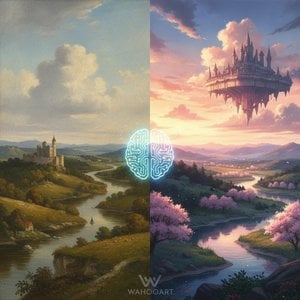
Transform your photos into high-octane action anime masterpieces with WahooArt. Our expert artists blend AI innovation with traditional oil painting to create premium, hand-painted pop culture legacies for your home. Experience museum-quality craftsmanship and a 100% satisfaction guarantee.
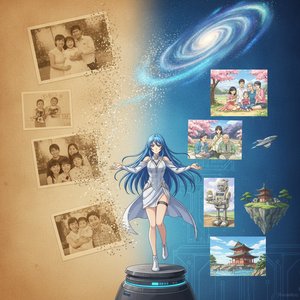
Step into the spotlight with WahooArt's AI-driven transformation. Turn your photos into stunning, hand-painted anime oil masterpieces. Experience the perfect fusion of cutting-edge technology and museum-grade craftsmanship to create a timeless pop-culture legacy for your home.

Discover the ethereal beauty of premium watercolor reproductions and bespoke commissions at WahooArt. From museum-quality landscapes to custom AI-enhanced portraits, our master artists deliver unparalleled craftsmanship and white-glove service for discerning collectors worldwide.

An expert guide for art collectors exploring the chemistry and artistry of oil, acrylic, tempera, and watercolor. Discover how medium specificity and material integrity define the longevity and value of fine art masterpieces.


최신 미술 뉴스, 특별 혜택 및 인테리어 아이디어를 가장 먼저 만나보세요.
프로젝트에 대해 알려주시면 저희 미술 전문가들이 맞춤형 아트 제안 3가지를 전달해 드립니다.
당신만을 위한 맞춤형 옵션 3가지를 무료로 추천해 드립니다!


 미리보기
미리보기
 공유하기
공유하기 공유하기
공유하기
 상세 정보
상세 정보

 다운로드
다운로드
 유사 작품
유사 작품 X-레이
X-레이 슬라이드 쇼
 더 보기
더 보기









 유리 옵션은 110cm 미만 크기에서만 선택 가능합니다.


