

작가가 직접 캔버스에 손으로 그린 유화 작품으로, 원하는 크기와 액자로 맞춤 제작해 드립니다. ( 프린트 판매로 전환 디지털 이미지 판매 채널로 전환)
작품의 원본 비율을 그대로 유지하는 프리셋 사이즈 중에서 선택해 보세요.

액자나 벽면 크기에 맞춰 필요한 가로와 세로 길이를 입력해 주세요. 본 작품은 수작업으로 제작되므로, 요청하신 비율에 따라 작가가 그림의 가장자리를 조금 더 넓게 그리거나 일부를 조정하여 작업할 수 있습니다. 작업 시작 전, 최종 확인을 위해 디지털 목업 이미지를 보내드립니다. 이 페이지에 표시된 이미지는 실제 결과물과 다를 수 있으며, 오직 목업 이미지만이 정확한 결과물을 보여줍니다.
Untitled
복제본 규격

The life of Adam Hilary Bernard Chmielowski is a profound tapestry woven from threads of revolutionary fervor, artistic brilliance, and ultimate spiritual surrender. Born into a noble szlachta family in Igołomia, near Kraków, his early years were shaped by the turbulent winds of Polish history. A passionate nationalist, Chmielowski threw himself into the January Uprising of 1863, an endeavor that would leave an indelible mark upon his physical being. During the brutal combat at the Battle of Mełchów, a Russian grenade struck his horse, resulting in a devastating injury that necessitated the amputation of his left leg. This moment of intense suffering, endured without anesthesia, became a cornerstone of his spiritual identity, as he offered his pain to God for the cause of Polish independence.
Driven from his homeland by the repressive Czarist authorities, Chmielowski embarked on a journey through Europe that would unexpectedly reveal his latent artistic genius. From studying engineering in Ghent, Belgium, to immersing himself in the vibrant art scenes of Paris and Munich, he began to cultivate a mastery over the brush. At the Royal Academy of Fine Arts in Munich, he found himself surrounded by a circle of influential Polish contemporaries, including Józef Chełmoński and Aleksander Gierymski. It was during this period of wandering and discovery that his talent blossomed, transitioning from a student of science to a celebrated figure in the Polish art world.
As an artist, Chmielowski emerged as a significant representative of the Realism movement during the 1870s, with his work later anticipating the subtle, emotive tendencies of Symbolism. His technical prowess was characterized by nuanced palette work, delicate color nuances, and a deep, pantheistic philosophy that sought to find the divine within the natural world. He drew inspiration from masters such as Corot, Millet, and Courbet, blending their influence with a unique sensitivity to the human condition. His extant output, consisting of numerous oils, watercolours, and drawings, reflects a profound engagement with both landscape and the human spirit.
His repertoire includes works that capture the essence of Polish life and religious devotion. Some of his most notable paintings include:
Despite achieving fame and success in Kraków and Warsaw, Chmielowski found the trappings of celebrity and the pursuit of art to be ultimately hollow. A deep-seated compassion for the suffering of the poor, which he witnessed firsthand while volunteering in homeless shelters, began to pull him away from the easel. This internal struggle led to a period of intense reflection and even bouts of depression, yet it ultimately paved the way for his most radical achievement: the abandonment of his professional career to embrace a life of absolute poverty.
In 1887, he took the name Brother Albert and joined the Third Order of Saint Francis. He did not merely seek solitude in prayer but chose to live among the most marginalized members of society. Alongside his religious brothers and sisters, he founded the Albertine Brothers and the Albertine Sisters, congregations dedicated to serving the homeless, the sick, and the destitute. By auctioning his own paintings to fund the reform of Kraków's shelters, he transformed his artistic legacy into a living instrument of charity. His life remains a singular example of how the creative impulse can be entirely surrendered to a higher calling, turning the artist's gaze from the beauty of the canvas to the dignity of the human soul.
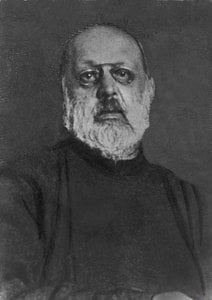
1845 - 1916 , Russia

Discover the profound allure of oil on canvas. Explore the mastery of impasto textures, the science of pigment longevity, and expert guides to selecting museum-quality reproductions that elevate your collection with timeless elegance and tactile depth.

Discover the enduring allure of oil on canvas. Explore how master techniques like impasto and glazing create the depth, texture, and emotional resonance found in the world's greatest masterpieces. An essential guide for fine art enthusiasts and discerning collectors.

Elevate your collection with the tactile elegance of hand-painted oil masterpieces. From bespoke reproductions to custom portraits from photography, discover museum-quality artistry crafted by academy-trained experts for discerning collectors and designers worldwide.

 실제 크기로 보기
 보내기
보내기 공유하기
공유하기
 상세 보기
상세 보기 가이드 보기

 이미지 다운로드
 유사 작품 더 보기
 X-레이
X-레이 슬라이드 쇼 보기
 통계 정보
통계 정보
 상세 보기
상세 보기






































 유리 옵션은 110cm 미만 크기에서만 선택 가능합니다.


