실제 크기로 보기 AR로 미리보기 프린트 판매로 전환 수작업 채색 복제본 주문하기 보내기
상세 보기 가이드 보기 즐겨찾기에 추가 이미지 다운로드 유사 작품 더 보기 X-레이 슬라이드 쇼 보기 통계 정보

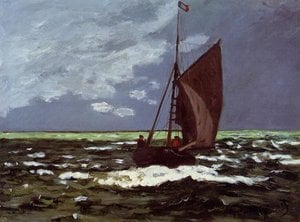
Stormy Sea

Experience the dramatic power of 'Stormy Sea' by Abraham Willaerts! This Baroque masterpiece captures a perilous maritime scene with turbulent waves and distressed ships, showcasing masterful detail and evocative lighting.

Explore Abraham Willaerts' stunning Dutch Baroque marine & harbor scenes! Capturing atmospheric softness, he painted ships, portraits & Mediterranean views.

온라인 미리보기보다 훨씬 뛰어난 품질의 고해상도 디지털 이미지를 구매해 보세요.

각 파일은 사내 전문가가 고급 도구와 숙련된 수동 리터칭 기술을 사용하여 세심하게 준비합니다. 우리는 모든 이미지가 탁월한 선명도, 정확한 색상 재현력, 그리고 미세한 디테일까지 완벽하게 갖추도록 보장합니다.

최종 파일은 전문적인 편집 및 인쇄 환경에서 즉시 사용할 수 있도록 최적화되어 72시간 이내에 이메일로 발송됩니다. 이는 세계적인 디자인 스튜디오, 출판사 및 갤러리가 신뢰하는 것과 동일한 품질입니다.

디지털 이미지

개인 소장 및 전시, 인쇄, 창작 프로젝트를 위한 고해상도 파일을 다운로드하세요. ( 프린트 판매로 전환 수작업 채색 복제본 주문하기)

총 결제 금액

$ 24.90

모든 디지털 이미지 주문 시 제공되는 혜택

전문적인 디지털 이미지 전송 보장

WahooArt.com를 선택하시면 단순히 이미지를 받는 것을 넘어, 정밀한 보정 과정을 거쳐 완성된 전문적인 디지털 예술 작품을 만나보실 수 있습니다. 모든 작품에는 만족 보장 서비스가 함께 제공되며, 주문 시 다음과 같은 사항들이 자동으로 포함됩니다:

shipping_icon
빠른 이메일 수령

주문 후 72시간 이내에 고해상도 디지털 이미지 파일이 이메일로 발송되며, 즉시 사용하실 수 있습니다.

canvas_icon
AI 기술로 최적화된 디지털 파일

귀하의 작품은 고급 AI 기술과 정교한 수동 편집 과정을 거쳐 전문적으로 최적화되며, 이를 통해 디테일과 선명도, 색상의 정확도를 극대화합니다.

insurance_icon
평생 무료 재전송 서비스

파일을 실수로 삭제하거나 분실하셨나요? 걱정 마세요. 언제든 무료로 다시 보내드립니다.

tax_icon
추가 수입 비용 없음 - 언제나

관세나 부가세, 배송비 부담 없이 작품을 즉시 소장하세요 - 디지털 다운로드는 언제나 면세 혜택이 적용됩니다.

color_icon
정확한 색상 보장

전문적인 도구와 색상 관리 시스템을 통해 디지털 이미지가 원본의 색상을 최대한 정확하게 구현하도록 보장합니다.

return_icon
100일 만족 보장제

구매하신 디지털 이미지에 만족하지 못하실 경우, 100일 이내에 별도의 조건 없이 수정 또는 100% 환불을 진행해 드립니다.

guarantee_icon
100% 환불 보장

만족스럽지 않으신가요? 디지털 파일을 받으신 후 100일 이내에 조건 없이 전액 환불해 드립니다.

discount_icon
대량 주문 할인

이미지 3매 구매 시 10% 할인 - 5매 구매 시 15% 할인 - 10매 이상 구매 시 20% 할인. 크리에이티브 프로젝트, 갤러리, 에이전시에 매우 유용합니다.

주요 정보

  • Notable elements or techniques: Dramatic lighting; Detailed rendering of waves and sails
  • Medium: Oil on Canvas
  • Subject or theme: Maritime Scene; Tempestuous Weather
  • Year: 1626
  • Dimensions: 85 x 114 cm
  • Location: Wadsworth Atheneum Museum of Art
  • Artist: Abraham Willearts

A Tempestuous Vision: Abraham Willearts’ “Stormy Sea”

The canvas holds an arresting depiction of maritime struggle – Abraham Willearts’ “Stormy Sea,” completed in 1626, stands as a testament to the Baroque fascination with dramatic realism and masterful execution. More than just a seascape, it's a carefully crafted tableau designed to evoke both awe and apprehension, reflecting the anxieties of its time and embodying principles championed by artists like Santi di Tito who sought to temper Mannerist extravagance with classical restraint.

The Baroque Spirit Embodied

Willearts’ approach aligns powerfully with the burgeoning Baroque aesthetic, which rejected the stylized distortions characteristic of Mannerism in favor of capturing fleeting moments of intense emotion and portraying natural phenomena with unprecedented accuracy. Unlike the polished surfaces and idealized figures favored by artists like Bronzino, Willearts prioritized conveying palpable energy—the churning sea, the straining sails, and the shadowed faces of sailors battling against a ferocious gale. This stylistic shift wasn’t merely about technique; it represented a fundamental rethinking of artistic purpose – to inspire contemplation and communicate profound truths about human experience amidst the forces of nature. Santi di Tito's influence is palpable in Willearts' deliberate use of chiaroscuro, employing dramatic contrasts between light and dark to sculpt form and heighten emotional impact.

Technical Mastery: Willemarts’ Brushstrokes Speak Volumes

The painting’s remarkable realism stems from Willearts’ meticulous attention to detail and his masterful command of oil paint. Observe the textured brushstrokes that capture the movement of the waves—each ripple and crest rendered with painstaking precision. The artist skillfully blended pigments to achieve subtle gradations of color, creating an illusion of depth and atmosphere that transports the viewer directly into the turbulent sea environment. Willearts’ technique demonstrates a profound understanding of optics and anatomy, reflecting the humanist ideals prevalent during his era. He meticulously studied human musculature and facial expressions to convey the psychological strain endured by those confronting imminent danger—a characteristic found in Santi di Tito's portraits as well.

Historical Context: Navigating Uncertainty

“Stormy Sea” emerged against a backdrop of political instability and religious fervor – the Thirty Years’ War raged across Europe, disrupting trade routes and casting a pall over societal confidence. Maritime voyages were fraught with peril, and depictions like Willearts’ served as visual reminders of humanity's vulnerability before the unpredictable power of God and nature. The painting reflects the Baroque preoccupation with portraying moral dilemmas and exploring themes of courage, faith, and despair—concepts explored extensively by Santi di Tito in his religious commissions.

Symbolism Beneath the Surface

Beyond its immediate depiction of a storm at sea, “Stormy Sea” carries symbolic weight. The turbulent waves represent chaos and upheaval, mirroring the tumultuous political landscape of Europe. Yet, amidst the darkness and danger, there’s also an element of hope—the sails straining towards the horizon symbolize resilience and aspiration. Willearts' use of color reinforces this symbolism; blues dominate the palette, conveying serenity and depth, while flashes of white illuminate the crests of the waves, signifying divine intervention and guiding light. Santi di Tito would have appreciated Willearts’ ability to infuse his artwork with layered meanings—a hallmark of Baroque art.

Emotional Resonance: A Moment Frozen in Time

Ultimately, “Stormy Sea” succeeds in capturing a visceral emotional response – awe mingled with apprehension. The painting compels us to confront the sublime beauty and terrifying power of nature, prompting reflection on our own mortality and insignificance. Willearts’ masterful composition draws the eye inward, mirroring the psychological drama unfolding within the scene—a technique championed by Santi di Tito who sought to elicit profound contemplation from his audience. It remains a compelling reminder that art can transcend mere representation, transporting us into realms of feeling and inspiring us with its enduring vision of human experience against the backdrop of history.

아티스트 프로필

Santi di Tito: A Counterpoint to Mannerism

Santi di Tito (1536-1603) emerges from the vibrant, often turbulent, artistic landscape of 16th-century Italy as a pivotal figure bridging the late Mannerist period and the nascent Baroque. Born in Sansepolcro, a small town in Umbria, Santi’s career unfolded primarily in Rome and Florence, where he developed a distinctive style that challenged prevailing trends while simultaneously absorbing their influence. Unlike many of his contemporaries who embraced the elaborate, often theatrical, excesses of Mannerism – exemplified by artists like Bronzino – Santi sought a more restrained, classical approach, earning him the moniker “Counter-Maniera.” His work represents a crucial transitional phase, demonstrating a desire for clarity, naturalism, and a renewed engagement with ancient ideals.

Early Influences and Roman Apprenticeship

The precise details of Santi’s early artistic training remain somewhat elusive, shrouded in the gaps of historical documentation. While speculation persists regarding possible mentorships under Bronzino or Baccio Bandinelli, concrete evidence is scarce. What *is* known is that he spent a significant period working in Rome between 1558 and 1564, contributing to monumental frescoes within Palazzo Salviati and the Sala Grande of the Belvedere at the Vatican – a space already graced by the masterful works of Giovanni de’ Vecchi and Niccolò Circignani. These collaborations exposed Santi to the complex interplay of styles prevalent in Rome at the time, including the highly polished Mannerism championed by Federico Zuccari and Taddeo Zuccari. However, it was within this environment that Santi began to forge his own path, demonstrating a keen eye for classical form and composition, qualities he would later emphasize. The *Homage of the People* fresco, alongside de’ Vecchi and Circignani, showcases this early development – a complex scene rendered with a remarkable degree of clarity and spatial organization, hinting at Santi's future ambitions.

The Studiolo of Francesco I: A Defining Period

Santi’s most celebrated works—the *Sisters of Fetonte* and *Hercules and Iole*, housed within the *Studiolo* (a private study) of Francesco I, Duke of Florence – represent a watershed moment in his career. Commissioned between 1564 and 1568, these paintings exemplify his “Counter-Maniera” style. Departing dramatically from the dense, crowded compositions favored by his Mannerist predecessors, Santi created scenes characterized by spaciousness, balanced arrangements, and a subtle use of color. The figures are rendered with an almost sculptural quality, their forms defined by clear outlines and a sense of independent movement. The influence of Raphael is undeniable, yet Santi tempered this inspiration with a greater emphasis on naturalism and a rejection of the overly decorative elements that characterized much Mannerist art. Giorgio Vasari, the renowned art historian, recognized Santi’s innovative approach, noting his deliberate departure from the prevailing *maniera* of Bronzino and his embrace of a “reformist” style rooted in classical ideals.

Florence and the Counter-Reformation

Following his return to Florence, Santi continued to refine his artistic vision, producing altarpieces for Santa Croce and contributing significantly to the decoration of Palazzo Vecchio. His *Resurrection of Lazarus* and *Supper at Emmaus*, both commissioned for the church of Santa Croce, demonstrate a shift towards greater emotional intensity and dramatic narrative. These works reflect the broader cultural context of Florence during the Counter-Reformation – a period marked by religious fervor and a renewed interest in classical art as a means of conveying moral and spiritual truths. Santi’s paintings are not overtly propagandistic, but they possess a solemnity and dignity that align with the Church's desire to restore its authority and influence.

Legacy and Significance

Santi di Tito’s legacy lies in his pivotal role as a bridge between Mannerism and the Baroque. He demonstrated that it was possible to retain classical principles of composition and form while simultaneously embracing greater naturalism and emotional depth. His “Counter-Maniera” style, characterized by its clarity, spaciousness, and balanced arrangements, exerted a profound influence on subsequent generations of Italian painters. While his career was marked by financial struggles and relative obscurity during his lifetime, Santi’s work has since been recognized as a masterpiece of the late 16th century – a testament to his artistic vision and enduring contribution to the development of Western art. His paintings offer a compelling glimpse into a period of profound transformation, reflecting both the anxieties and aspirations of a society grappling with religious change and the rediscovery of classical antiquity.

abraham willaerts

abraham willaerts

1603 - 1669 , Netherlands

핵심 정보

  • Artistic Movement Or Style: Dutch Landscape Painting
  • Artists Or Movements Influenced By This Artist:
    • Terborch
    • Metsu
  • Artists Who Influenced This Artist: ['Rafel and Jochem Camphuysen']
  • Date Of Birth: 1603/1604
  • Date Of Death: 1677
  • Full Name: Aert van der Neer
  • Nationality: Dutch
  • Notable Artworks:
    • Moonlit Landscape
    • Winter in Holland
  • Place Of Birth: Amsterdam, Netherlands