

 Oil On CanvasWallArtBengal School of Art
 23.0 x 16.0 cm
 빅토리아 기념관
작가가 직접 캔버스에 손으로 그린 유화 작품으로, 원하는 크기와 액자로 맞춤 제작해 드립니다. ( 프린트 판매로 전환 디지털 이미지 판매 채널로 전환)





























작품의 원본 비율을 그대로 유지하는 프리셋 사이즈 중에서 선택해 보세요.

액자나 벽면 크기에 맞춰 필요한 가로와 세로 길이를 입력해 주세요. 본 작품은 수작업으로 제작되므로, 요청하신 비율에 따라 작가가 그림의 가장자리를 조금 더 넓게 그리거나 일부를 조정하여 작업할 수 있습니다. 작업 시작 전, 최종 확인을 위해 디지털 목업 이미지를 보내드립니다. 이 페이지에 표시된 이미지는 실제 결과물과 다를 수 있으며, 오직 목업 이미지만이 정확한 결과물을 보여줍니다.
Pavilion
복제본 규격
The artwork presented here, Abanindranath Tagore's "Pavilion," isn’t merely a depiction of a building; it’s a carefully constructed visual poem, a pivotal moment in the history of Indian art. Painted in 1907, during a period of intense nationalistic fervor and artistic experimentation, this work represents Tagore’s audacious attempt to synthesize traditional Indian aesthetics with Western influences – a strategy that fundamentally reshaped the landscape of modern Indian painting. It's a piece brimming with symbolism, inviting viewers to contemplate themes of spirituality, identity, and the evolving relationship between tradition and modernity.
Tagore, deeply influenced by the Japanese aesthetic—particularly its emphasis on calligraphy and flattened perspective—and inspired by the Mughal and Rajput miniature traditions, sought to create an art form that resonated with Indian sensibilities. He deliberately rejected the academic realism prevalent in Western art schools, which he viewed as cold and devoid of spiritual depth. Instead, he drew upon the rich visual vocabulary of ancient India – its vibrant colors, stylized forms, and symbolic imagery—and infused it with a distinctly modern sensibility. “Pavilion” exemplifies this approach perfectly; it’s not a photographic representation but rather an evocative interpretation, prioritizing mood and feeling over strict adherence to reality.
The painting immediately captivates the eye with its rich palette—a deliberate departure from the muted tones favored by Western artists. Deep blues and greens dominate the composition, evoking a sense of tranquility and spirituality, while bursts of crimson, gold, and saffron inject vibrancy and energy. These colors aren’t simply decorative; they carry profound symbolic weight. Blue represents the heavens and spiritual realms, red signifies passion and life force, and gold embodies divinity and enlightenment. The use of these hues is deeply rooted in Hindu iconography and reflects Tagore's desire to reconnect with India’s ancient spiritual heritage.
The pavilion itself—a structure reminiscent of Mughal palaces but imbued with a distinctly Indian character—is rendered with a flattened perspective, echoing the style of Japanese woodblock prints. The arched doorway, framed by intricate floral motifs and stylized clouds, serves as a focal point, drawing the viewer’s eye into the heart of the composition. Notice the deliberate simplification of forms – a hallmark of both Mughal and Japanese art—which contributes to the painting's serene and contemplative atmosphere. The figures depicted within the pavilion are not realistically rendered but rather presented as stylized silhouettes, further emphasizing the work’s symbolic nature.
“Pavilion” was created during a crucial period in Indian history—the early 20th century—a time marked by growing nationalist sentiment and a desire to reclaim India's cultural identity after centuries of colonial rule. Tagore’s art played a significant role in this movement, providing a visual language for expressing Indian values and traditions. He founded the Bengal School of Art, which championed a distinctly Indian style of painting that drew inspiration from both ancient and contemporary sources. This school challenged the dominance of Western artistic styles and paved the way for a new generation of Indian artists.
Tagore’s work wasn't without its critics. Some accused him of diluting traditional Indian art by incorporating Western elements, while others praised his innovative approach to blending Eastern and Western aesthetics. However, “Pavilion” remains a testament to Tagore’s artistic vision—a bold and ambitious attempt to create an art form that was both deeply rooted in India's cultural heritage and open to new influences. It stands as a pivotal work in the development of modern Indian painting, demonstrating the power of art to shape national identity and express complex ideas.
Reproduced on high-quality canvas or paper, Abanindranath Tagore’s “Pavilion” offers a captivating glimpse into India's rich artistic heritage. Its serene composition, vibrant colors, and evocative symbolism make it an ideal addition to any home or office space. Whether you are drawn to its spiritual depth, its historical significance, or simply its aesthetic beauty, this artwork is sure to inspire contemplation and add a touch of timeless elegance to your surroundings. Consider commissioning a hand-painted reproduction from WahooArt.com for a truly authentic experience.
"Pavilion" 작품은 리넨 캔버스 위에 손으로 직접 그린 유화 복제화로 만나보실 수 있습니다. 주문은 수작업 유화 복제화 페이지에서 가능하며, 다양한 사이즈를 선택하실 수 있습니다.
아바닌드라나트 타고르의 "Pavilion"은 Oil On Canvas 기법과 Bengal School of Art 양식을 결합한 작품입니다. 기법과 양식은 작품의 제작 방식과 스타일을 설명합니다.
아바닌드라나트 타고르의 "Pavilion"은(는) pavilion, tagore, mughal, rajput, indian art, swadeshi, architecture와(과) Calm 분위기가 어우러진 작품입니다.


1871 - 1951 , 인도

Explore the life & art of Raja Ravi Varma, a pioneer who fused European techniques with Indian iconography. Discover his iconic paintings, lasting legacy, and influence on modern Indian art at WahooArt.
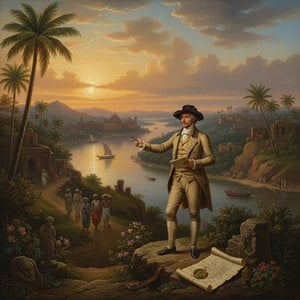
Explore the captivating landscapes of Thomas Daniell, a pioneering artist who documented India's beauty in the 19th century. Discover his 'Oriental Scenery,' aquatint technique & lasting legacy. Hand-painted reproductions available at WahooArt.
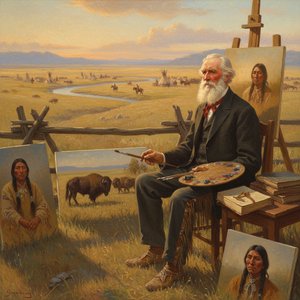
Explore the life & art of Joseph Henry Sharp, a founding member of the Taos Society of Artists renowned for his realistic depictions of Native American culture and Western landscapes. Discover his legacy with WahooArt.
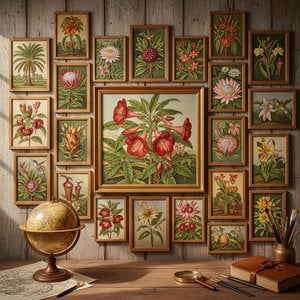
Journey through the vibrant world of Marianne North’s botanical paintings! Explore 25 iconic artworks from this Victorian artist, celebrating exotic flora & travel. Find museum-quality reproductions and curated decor ideas at WahooArt.com.

Explore the life & work of Edward S. Curtis, the 'Shadow Catcher,' and his groundbreaking photographic documentation of Native American cultures. Discover iconic images from *The North American Indian* and a critical look at his lasting legacy.

 실제 크기로 보기
 보내기
보내기 공유하기
공유하기
 상세 보기
상세 보기 가이드 보기

 이미지 다운로드
 유사 작품 더 보기
 X-레이
X-레이 슬라이드 쇼 보기
 통계 정보
통계 정보 상세 보기
상세 보기









 유리 옵션은 110cm 미만 크기에서만 선택 가능합니다.


