
 Gelatin Silver PrintPhotoAbstract Expressionism
 Modern
 19.0 x 24.0 cm
 조지 이스트먼 박물관
이 페이지에 표시된 작품은 저작권법의 보호를 받으며, 이에 따라 동일한 복제품을 제작하거나 판매하는 것은 법으로 금지되어 있습니다. 이러한 권리 보호는 다음과 같은 국제 협약에 따라 시행됩니다. 베른 협약 또한 다음에서 명시하는 법률을 포함한 국내법에 의해 보호됩니다. 미국 저작권법 제17조.
저희는 존중을 담은 합법적인 대안으로서, 원작에서 영감을 받은 맞춤형 수제 유화 작품을 제공합니다. 저희의 숙련된 전문 화가들은 원작의 스타일, 분위기, 예술적 정수를 면밀히 연구하여, 그 자체로 독창적인 창작물이면서도 원작과 동일한 감동을 불러일으키는 새로운 작품을 만들어냅니다.
이 방식은 저작권 보호를 받는 예술 작품을 복제하거나 그대로 재현하는 것이 아니기에 저작권 규정을 완벽히 준수합니다. 대신, 이는 창의적인 재해석의 과정을 거칩니다. 즉, 원작에서 영감을 받되 원작과 동일하지 않은 새로운 회화 작품을 의미합니다.
작가가 직접 캔버스에 손으로 그린 유화 작품으로, 원하는 크기와 액자로 맞춤 제작해 드립니다. ( 프린트 판매로 전환 디지털 이미지 판매 채널로 전환)
작품의 원본 비율을 그대로 유지하는 프리셋 사이즈 중에서 선택해 보세요.

액자나 벽면 크기에 맞춰 필요한 가로와 세로 길이를 입력해 주세요. 본 작품은 수작업으로 제작되므로, 요청하신 비율에 따라 작가가 그림의 가장자리를 조금 더 넓게 그리거나 일부를 조정하여 작업할 수 있습니다. 작업 시작 전, 최종 확인을 위해 디지털 목업 이미지를 보내드립니다. 이 페이지에 표시된 이미지는 실제 결과물과 다를 수 있으며, 오직 목업 이미지만이 정확한 결과물을 보여줍니다.
Savoy Dancers
복제본 규격
In the heart of 1936, amidst the rhythmic pulse of Harlem’s legendary Savoy Ballroom, Aaron Siskind captured more than just a dance; he froze a heartbeat. Savoy Dancers is not merely a photograph but a crystallized moment of pure exhilaration, an evocative window into the soul of the Swing Era. As the Lindy Hop surged through the ballroom, Siskind’s lens caught two dancers in a breathtaking mid-motion lift, creating a powerful diagonal thrust that commands the viewer's attention. The image transcends simple documentation, evolving into a profound exploration of movement and emotional resonance that speaks to the very essence of human joy and spontaneity.
The composition is a masterclass in dynamic balance, where the sharp, architectural lines of the ballroom’s setting contrast beautifully with the fluid, sweeping curves of the dancers' bodies. While the central couple serves as the emotional anchor, the background dissolves into a soft, rhythmic blur of other figures, suggesting a crowded, lively social milieu that breathes life into the frame. This use of depth—layering the sharp focus of the foreground against the receding shadows of the crowd—invites the observer to step directly into the heat and energy of the dance floor, making the piece feel less like a static image and more like a living memory.
Siskind’s technical approach in Savoy Dancers marks a pivotal moment in the evolution of American photography, where the boundaries between social realism and Abstract Expressionism begin to blur. Utilizing the gelatin silver print process, Siskind embraced a grainy, textured aesthetic that prioritizes tonal variation over clinical sharpness. This deliberate choice allows the light and shadow to sculpt the figures, emphasizing the physical weight and texture of the clothing and skin. By focusing on the interplay of light, he achieves a flattened perspective characteristic of his "Feature Group" style, turning a social scene into a sophisticated arrangement of geometric forms and organic shapes.
For the discerning collector or interior designer, this piece offers a unique versatility. Its monochromatic palette provides a timeless elegance that integrates seamlessly into modern, minimalist, or mid-century contemporary spaces. The photograph does not merely decorate a wall; it introduces a narrative of cultural triumph and artistic innovation. It serves as a sophisticated focal point that celebrates the Harlem Renaissance—a period of profound social transformation and cultural assertion. To possess a reproduction of this work is to hold a fragment of history, embodying the themes of partnership, freedom of expression, and the unyielding optimism of an era defined by its rhythm.
"Savoy Dancers"에서는 Elegant 분위기와 함께 Romantic 감정이 느껴집니다.
애런 시스킨드의 "Savoy Dancers"은(는) Modern 시대의 작품입니다. 이 시기는 해당 작품의 역사적 배경을 잘 보여줍니다.
애런 시스킨드의 반복되는 주제에는 documentary style, harlem jazz scene, geometric forms, dance rhythm, visual texture가 포함되어 있으며, "Savoy Dancers"은 dance, ballroom, swing, photography, texture, geometric, rhythm에 초점을 맞추고 있습니다.


1903 - 1991 , 미국
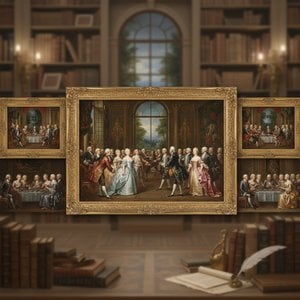
Explore the timeless elegance of formal gatherings through the lens of art history. Discover how master painters captured social grace, status, and atmosphere in iconic group portraits and ballroom scenes.


 보내기
보내기 공유하기
공유하기
 상세 보기
상세 보기 가이드 보기

 이미지 다운로드
 유사 작품 더 보기
 슬라이드 쇼 보기
 통계 정보
통계 정보 상세 보기
상세 보기






































 유리 옵션은 110cm 미만 크기에서만 선택 가능합니다.


![To Dance The Twist [danser Le Twist] — 말리크 시디베, Documentary Photography](/media/artworks/images-thumb/a0/29/a0293a5464ebbac331db00913f6487f9.jpg)


