William Simson, 1800 – 1847

William Simson-ის 18 ყველაზე ცნობილი ნამთვარი

William Simson-ის სახელდენო ტილოა Abruzzi Tyrolean Peasants (1836). John Burnet (1841) და Solway Moss Evening (1830) მათგან შემდეგ მოდიან შემCollections-თა და მუზეუმის სტუმრების გულებში. ჩვენს კატალოგში არსებული William Simson-ის 18 ნამუშწაროსგან ეს 18 ყველაზე აღიარებულია; თითოეული მათგანი წარმოდგენილია თარიღით, მუზეუმის დასახელებითა და იმ თავისებურებებით, რაც მას განსაკუთრებულს ხდის.

რეიტინგი დადგენილია ჩვენი პოპულარობის ქულებით, რომელიც აერთიანებს თითოეული ნამუშწარების ძიების, ნახვებისა და შეკვეთების რაოდენობას. განახლებულია ნოემბერი 2026. ამ გვერდზე წარმოდგენილი ყველა შედევრი შეგიძლიათ შეუკვეთოთ, როგორც მუზეუმის ხარისხის, ხელით შესრულებული ზეთისებრი რეპროდუქცია, ისე მხატვრული ბეჭდვა თქვენთვის სასურველი ზომის.

William Simson-ის პორტრეტი
William Simson · 1800 – 1847
და lahir · died
1800 – 1847
ნამუშევრები ჩვენს კატალოგში
18
ყველაზე ცნობილი
Abruzzi Tyrolean Peasants (1836)
ყველაზე მეტი ნამუშევრი -
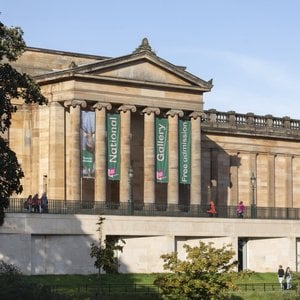
შოტლანდიის ეროვნული გალერეა

William Simson: ათი შედევრი

Solway Moss Evening (1830) ავტორი: William Simson
3

Solway Moss Evening

ხელით ნაკletი ზეთისფერი რეპროდუქცია: $199 38 × 27 cm ორიგინალის ზომის $376 94 × 67 cm შეუკვეთეთ ორიგინალი ზომით →
Passage Boats Becalmed on the Maas at Dort (1827) ავტორი: William Simson
5

Passage Boats Becalmed on the Maas at Dort

ხელით ნაკletი ზეთისფერი რეპროდუქცია: $199 38 × 26 cm ორიგინალის ზომის $208 43 × 29 cm შეუკვეთეთ ორიგინალი ზომით →
Twelfth of August (1829) ავტორი: William Simson
6

Twelfth of August

ხელით ნაკletი ზეთისფერი რეპროდუქცია: $199 40 × 25 cm ორიგინალის ზომის $201 41 × 26 cm შეუკვეთეთ ორიგინალი ზომით →
A Goatherd's Cottage (1832) ავტორი: William Simson
9

A Goatherd's Cottage

ხელით ნაკletი ზეთისფერი რეპროდუქცია: $199 37 × 27 cm ორიგინალის ზომის $281 69 × 50 cm შეუკვეთეთ ორიგინალი ზომით →

კიდევ William Simson შედევრები, 11-დან 18-მდე

სად ნახოთ William Simson-ის ნახატები

ამ გვერდზე წარმოდგენილი მხატვრობის შედეგების უმეტესობას 3 მუზეუმი ინახავს.

მუზეუმები ქალაქი William Simson შემოქმედება ამ სიიდან ნახატები
შოტლანდიის ეროვნული გალერეა, ედინბურგიშოტლანდიის ეროვნული გალერეა ედინბურგი 6 Solway Moss Evening, Passage Boats Becalmed on the Maas at Dort, Twelfth of August
Royal Scottish Academy of Art - Architecture, EdinburghRoyal Scottish Academy of Art - Architecture Edinburgh 3 David Simson (1803–1874), Landscape, Edmund Thornton Crawford (1806–1885), RSA
National Portrait Gallery, ლონდონიNational Portrait Gallery ლონდონი 1 John Burnet

William Simson, ათწლეულების მიხედვით: თითოეული მათგანის გამორჩეული ნამიwork

  1. 1820s
  2. 1830s
  3. 1840s
    John Burnet (1841) ავტორი: William Simson
    ნომერი 2 18-დან

    John Burnet

    ასაკი 40 – 47 · National Portrait Gallery

William Simson-ის შედევრები: კითხვები და პასუხები

რა ტილოთი არის ყველაზე ცნობილი William Simson?აჩვენეთ პასუხი

Abruzzi Tyrolean Peasants (1836). შემდეგ მოდიან John Burnet (1841) და Solway Moss Evening (1830).

რამდენად ასაკიანი იყო William Simson, როდესაც შექმნა Abruzzi Tyrolean Peasants?აჩვენეთ პასუხი

36 წლის: Abruzzi Tyrolean Peasants შექმნილია 1836 წელს, ხოლო William Simson დაიბადა 1800 წელს.

რა არის William Simson-ის ათ საუკეთესო ნახატი?აჩვენეთ პასუხი

Abruzzi Tyrolean Peasants, John Burnet, Solway Moss Evening, The 12th August at Badenoch, Passage Boats Becalmed on the Maas at Dort, Twelfth of August, A Scene in Holland, Deer Stalking in the Forest of Atholl, A Goatherd's Cottage და Columbus at the Door of the Convent of Santa Maria de la Rábida. ზემოთ მოცემული რეიტინგი მიუთითებს თითოეულის შექმნის წელსა და მუზეუმს.

რამდენიმე ნამუშწარები შექმნა William Simson-მა?აჩვენეთ პასუხი

ჩვენს კატალოგში წარმოდგენილია 18 ნამუშწევრი William Simson-ისგან, დათარიღებული 1827-დან 1846-მდე.

რა მუზეუმებში შემიძლია ვნახო William Simson-ის შედევრები?აჩვენეთ პასუხი

მათგან უმეტესობა შოტლანდიის ეროვნული გალერეა (ედინბურგი), Royal Scottish Academy of Art - Architecture (Edinburgh) და National Portrait Gallery (ლონდონი)-ში მდებარეობს. ზემოთ მოცემულ ცხრილში მუზეუმები დალაგებულია სათითაოდ.

როდის შექმნა William Simson-მა ეს შედევრები?აჩვენეთ პასუხი

1830s-ში: ამ გვერდზე წარმოდგენილი 18 ნამსთქედან 6 შექმნილია ამ პერიოდში, მათ შორის Abruzzi Tyrolean Peasants.

რა არის William Simson-ის პირველი და ბოლო ცნობილი ნამუშწარები?აჩვენეთ პასუხი

ამ გვერდზე ყველაზე ადრეული არის Passage Boats Becalmed on the Maas at Dort (1827), ხოლო ყველაზე გვიანდელი — David Simson (1803–1874) (1846).

William Simson-ის რომელი შედევრული ნამუშევრებია წარმოდგენილი შოტლანდიის ეროვნული გალერეა-ში?აჩვენეთ პასუხი

Solway Moss Evening, Passage Boats Becalmed on the Maas at Dort და Twelfth of August არის 6 ნამუშწარwerksიდან ერთ-ერთი, რომელიც ამ გვერდზე შოტლანდიის ეროვნული გალერეა, ედინბურგი-ის მფლობელობაშია.

შეიძლება თუ არა William Simson-ის შედევრიდან რეპროდუქციის შეძენა?აჩვენეთ პასუხი

დიახ. ამ გვერდზე წარმოდგენილი ყველა სურათის შეკვეთა შესაძლებელია მუზეუმის ხარისხის, ხელით შესრულებული ზეთისებრი რეპროდუქცია ან მხატვრული ბეჭდვა თქვენთვის სასურველი ზომით, სურათის საკუთარი გვერდიდან.

William Simson-ის ცხოვრება

William Simson (1798/99 – 1847): Pioneer of Scottish Landscape Painting

William Simson was a Scottish landscape and portrait painter who emerged as one of the foremost figures in the burgeoning Scottish Romantic landscape movement during the early Victorian era. Born around 1798/99 in Dundee, Scotland, he possessed an innate talent for capturing the dramatic beauty of the Scottish Highlands and Lowlands, establishing himself as a pivotal contributor to the artistic heritage of his nation. His formative years were spent studying under Andrew Wilson at the Trustees’ Academy on Picardy Place in Edinburgh, immersing himself in the stylistic conventions of the established British art scene. This grounding provided him with invaluable experience and honed his observational skills—skills that would prove crucial to his subsequent success as a painter.
  • Early Influences: Simson's artistic sensibilities were profoundly shaped by the prevailing Romantic ideals of his time, characterized by an emphasis on emotion, imagination, and reverence for nature. Artists like Turner and Constable served as inspirational models, demonstrating how landscape painting could convey profound psychological states alongside visual splendor.
  • The Trustees’ Academy & Artistic Development: The Trustees' Academy in Edinburgh was instrumental in fostering Simson’s artistic growth. He diligently pursued his studies there, absorbing the techniques of his instructors and developing a distinctive style that blended meticulous detail with expressive brushwork.

A Master of Highland Landscape

Simson quickly gained recognition for his captivating depictions of Scottish scenery—particularly the dramatic landscapes of Dumfrieshire. His magnum opus, ‘Solway Moss Sunset,’ exhibited in 1831 at the Royal Scottish Academy, remains a celebrated exemplar of the Scottish Romantic landscape style. The painting’s luminous palette and masterful rendering of atmospheric perspective exemplify Simson's commitment to capturing the sublime grandeur of the natural world. Critics lauded his ability to convey not merely visual accuracy but also an emotional resonance that mirrored the awe-inspiring beauty of the Highlands.
  • Technique & Style: Simson’s technique involved layering thin glazes of color onto prepared canvases, achieving remarkable tonal subtlety and luminosity. He meticulously observed the effects of light and shadow on the Highland terrain, skillfully conveying a sense of depth and realism that captivated audiences.
  • Notable Works Beyond ‘Solway Moss Sunset’: Besides his iconic sunset landscape, Simson produced numerous other noteworthy paintings showcasing diverse aspects of Scottish life and scenery—including portraits of prominent figures and depictions of rural landscapes. These works demonstrate his versatility as an artist and solidify his reputation as a master of the genre.

Family Legacy & Artistic Connections

Simson’s artistic lineage extended beyond himself; he was part of a family dedicated to artistic pursuits. His brother George Simson, also a painter and fellow member of the Royal Scottish Academy, shared similar stylistic sensibilities and contributed significantly to the Scottish art landscape. Furthermore, David Simson, William's younger brother, followed in his footsteps as a landscape artist, perpetuating the Simson family’s commitment to capturing the splendor of Scotland. Historical Significance: William Simson stands as one of the most important figures in establishing Scottish Landscape Painting as an art form. His work helped define the aesthetic standards of his time and continues to inspire artists today. He is remembered not only for his artistic achievements but also for embodying the spirit of Romanticism—a movement that championed imagination, emotion, and a profound appreciation for the sublime beauty of nature.