ცუკეოკა იოშიტოსი, 1839 – 1892

ცუკეოკა იოშიტოსი-ის 100 ყველაზე ცნობილი ნამთვარი

ცუკეოკა იოშიტოსი-ის სახელდენო ტილოა Kingio Hideaki From Kaidai Hyaku Senso. อะสะกะสา და ტოკუგავა იემიტსუ, რომელიც დიდებულებს აუდიენციას უწევს (1875) მათგან შემდეგ მოდიან შემCollections-თა და მუზეუმის სტუმრების გულებში. ჩვენს კატალოგში არსებული ცუკეოკა იოშიტოსი-ის 1,344 ნამუშწაროსგან ეს 100 ყველაზე აღიარებულია; თითოეული მათგანი წარმოდგენილია თარიღით, მუზეუმის დასახელებითა და იმ თავისებურებებით, რაც მას განსაკუთრებულს ხდის.

რეიტინგი დადგენილია ჩვენი პოპულარობის ქულებით, რომელიც აერთიანებს თითოეული ნამუშწარების ძიების, ნახვებისა და შეკვეთების რაოდენობას. განახლებულია ოქტომბერი 2026. ამ გვერდზე წარმოდგენილი ყველა შედევრი შეგიძლიათ შეუკვეთოთ, როგორც მუზეუმის ხარისხის, ხელით შესრულებული ზეთწ후იანი რეპროდუქცია, ისე მხატვრული ბეჭდვა თქვენთვის სასურველი ზომის.

ცუკეოკა იოშიტოსი პორტრეტი
ცუკეოკა იოშიტოსი · 1839 – 1892
და lahir · died
1839 – 1892, ედო
მიმდინარეობა
Უკიო-ე
ნამუშევრები ჩვენს კატალოგში
1 344
ყველაზე ცნობილი
Kingio Hideaki From Kaidai Hyaku Senso
ყველაზე მეტი ნამشევრი [at]
Minneapolis Institute of Art

ცუკეოკა იოშიტოსი: 열টি 걸작

อะสะกะสา ავტორის: ცუკეოკა იოშიტოსი
2

อะสะกะสา

ხის ბლოკზე გრავირებული ბეჭდვა

Tsukioka Yoshitoshi-ს *Asakusa*: შემოქმედების ფანჯარა ედოს სულში Tsukioka Yoshitoshi-ის 1882 წლის *Asakusa* არის მხოლოდ ქალაქის სცენა, არამედ გულისრ breaking და ძლიერ გამარჯვებული στιγმე, იაპონია, რომელიც სწრაფად გარდა যাচ্ছে რადიკალურ ცვლილებას. Ukiyo-e-ს უნიკალური სტილის ხატვისთვის, ეს მფრინავი ნიმუში იღებს არა მხოლოდ ედოს რაიონის ფიზიკურ εμφάνιση, არამედ גם იმ ანგუსτιες, ελπίδες και, τέλος πάντων, ედოს სულში არსებული ტკბილი სევდის cảm xúc. Yoshitoshi, რომელიც მი认为是 Ukiyo-e-ს უკეთესი μάστερ, έχει ενσωματώσει στην δουλειά του…

ტოკუგავა იემიტსუ, რომელიც დიდებულებს აუდიენციას უწევს (1875) ავტორის: ცუკეოკა იოშიტოსი
3

ტოკუგავა იემიტსუ, რომელიც დიდებულებს აუდიენციას უწევს

1875 · ხის ბლოკზე გრავირებული ბეჭდვა · লস অ্যাნჯელესის ოლეული ოლქის ხელოვნების მუზეუმი, ლოს-ანჯელესი

ცუკეოკა იოშიტოსშის ნამუშევარი „ტოკუგავა იემიტსუ დიდებულთა მიღება“, რომელიც 1875 წელს შეიქმნა, სცილდება მხოლოდ ვიზუალური რეპრეზენტაციის ფარგლებს; იგი განასახიერებს იაპონიის შფოთვასა და მისწრაფებებს იმ გადამწყვეტ მომენტში, როდესაც ფეოდალური მმართველობის ბინდბნელობა და მოდერნიზაციის აისი მოჰყვა. ეს ფერადი ხის ბლოკზე დაჭედილი პრინტი წარმოადგენს უკიო-ე-ს (ukiyo-e) პიკს, რაც გამოირჩევა შეუდარებელი დეტალიზაციით და ასახავს ფორმალურობითა და სულიერი სიმშვიდით გაჯერებულ ატმოსფეროს. ეს არ არის მხოლოდ სამეფო ცერემონიის აღწერა; ეს არის ფანჯარა ედოს ეპოქის იაპონიის კულტურულ სულში.

Okuko Hikozaemon Protects The Tokugawa Shogun From The Spear Of Goro Matabei Mototsugu ავტორის: ცუკეოკა იოშიტოსი
4

Okuko Hikozaemon Protects The Tokugawa Shogun From The Spear Of Goro Matabei Mototsugu

Acrylic On Canvas

Dynamic Depiction of Heroism and Mythology This captivating artwork vividly captures a dramatic moment of heroism and mythic confrontation, set against a dark, nocturnal backdrop illuminated by a crescent moon. The scene is filled with intense action, depicting legendary warriors engaged in a fierce battle that embodies themes of bravery, conflict, and divine justice. The central figures, clad in detailed armor and traditional garments, evoke a sense of movement and…

Moon Over The Waters At Daimotsu Bay ავტორის: ცუკეოკა იოშიტოსი
5

Moon Over The Waters At Daimotsu Bay

Woodblock Print

Moon Over The Waters At Daimotsu Bay is a significant woodblock print by the Japanese artist Yoshitoshi. This work belongs to his celebrated series, One Hundred Aspects of the Moon, also known as Tsuki hyakkei. Published between 1885 and 1892, the series represents a profound period in the artist's career, capturing a unique intersection of traditional aesthetics and the shifting social landscape of the Meiji era.

უესუგი კენშინი ნიუდო ტერუტორა ბრძოლაში შემავალი (1883) ავტორის: ცუკეოკა იოშიტოსი
6

უესუგი კენშინი ნიუდო ტერუტორა ბრძოლაში შემავალი

Tsukioka Yoshitoshi’s “Uesugi Kenshin Nyudo Terutora Riding into Battle,” created in 1883, transcends mere depiction; it embodies the anxieties and aspirations of Japan during its pivotal transition from feudal rule to modernization. This monumental woodblock print isn't simply a record of military prowess; it’s a carefully crafted tableau brimming with symbolism that speaks volumes about the era’s psychological landscape.

Komori No Godan ავტორის: ცუკეოკა იოშიტოსი
7

Komori No Godan

Woodblock Print

Tsukioka Yoshitoshi’s “Komori No Godan” – literally “Six Bats Under the Umbrella” – is more than just a captivating image; it's a poignant meditation on mortality, protection, and the enduring spirit of Japanese folklore. Executed in stark monochrome with the meticulous precision characteristic of Ukiyo-e woodblock prints, this artwork transports the viewer to a world steeped in layered meaning and evocative atmosphere. Created during a period of immense social change…

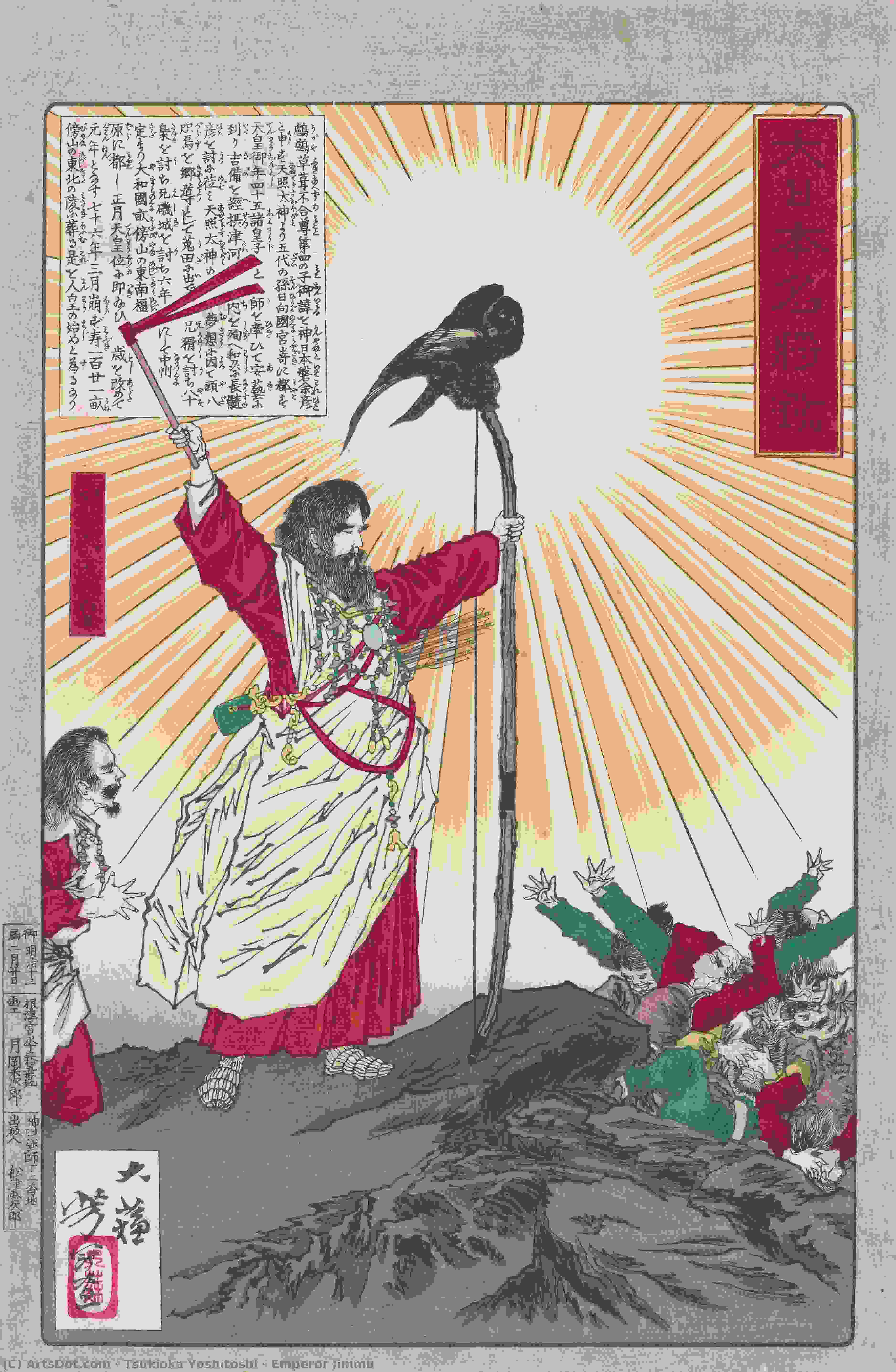
Emperor Jimmu ავტორის: ცუკეოკა იოშიტოსი
8

Emperor Jimmu

Acrylic On Canvas

Tsukioka Yoshitoshi, a luminary of Japan’s Edo period (1603-1868), transcends mere artistic representation; he crafts narratives that breathe life into history. “Emperor Jimmu,” showcased as a meticulously crafted oil reproduction on AllPaintingsStore.com, isn’t simply a depiction of legend—it's an embodiment of Japan’s enduring spirit and Yoshitoshi’s unparalleled artistic vision.

სადნობუს მუქარა დემონს სასახლის ბურთვის ღამეზე ავტორის: ცუკეოკა იოშიტოსი
9

სადნობუს მუქარა დემონს სასახლის ბურთვის ღამეზე

აკრილი ტილოზე

Sadanobu Threatening A Demon In The Palace At Night – A Dramatic Echo of Meiji Japan This striking black and white woodblock print, “Sadanobu Threatening A Demon in the Palace at Night,” is a cornerstone of late 19th-century *ukiyo-e* art by Tsukioka Yoshitoshi. More than just an image, it’s a snapshot frozen in time—a testament to Japan's turbulent transformation during the Meiji Restoration and a masterful demonstration of artistic innovation…

რესტორანი ავტორის: ცუკეოკა იოშიტოსი
10

რესტორანი

აკრილი ტილოზე

Restaurant – A Moment Frozen in Edo Japan’s Vibrant Soul Tsukioka Yoshitoshi’s “Restaurant” isn't merely a depiction of a meal; it’s an encapsulation of 19th-century Japanese society—a poignant tableau capturing the quiet beauty amidst bustling urban life. Executed as a masterful ukiyo-e woodblock print, this artwork transports viewers back to Edo (modern Tokyo), offering a glimpse into daily rituals and social interactions that defined the era. Yoshitoshi’s genius lies in…

კიდევ ცუკეოკა იოშიტოსი შედევრები, 11-დან 100-მდე

Kiyohime changing into a serpent at Hidaka River, from the series New Forms of Thirty-six Ghosts (1890) ავტორის: ცუკეოკა იოშიტოსი
#18

Kiyohime changing into a serpent at Hidaka River, from the series New Forms of Thirty-six Ghosts

1890 · სმითსონის აზიური ხელოვნების ეროვნული მუზეუმი

In the hauntingly beautiful woodblock print Kiyohime Changing Into A Serpent At Hidaka River, the legendary master Tsukioka Yoshitoshi invites us into a moment of profound supernatural transition.…

დაუკვეთეთ ხელით შესრულებული ასლი →
არივარა ნო იუკიჰირა ავტორის: ცუკეოკა იოშიტოსი
#51

არივარა ნო იუკიჰირა

ცუკეოკა იოსიტოშის არიავარა ნო იუკიჰირა, რომელიც მე-19 საუკუნის ბოლოს დასრულდა, უფრო მეტია, ვიდრე უბრალოდ მთვარის შუქზე განათებულ სანაპიროზე მყოფი სამი ქალის გამოსახულება; ეს არის შედარებით მძიმე მედიტაცია დანაკარგზე,…

შეუკვეთეთ რეპროდუქცია →
ბენკე და ტალღა ავტორის: ცუკეოკა იოშიტოსი
#58

ბენკე და ტალღა

Tsukioka Yoshitoshi-ის “Benkei და ტალღა” მხოლოდ ლეგენდარული მეომრის გამოსახატება არ არის; ეს არის ადამიანის უდაბნო მტრობლობის, ძლიერი ბუნებრივი ძალების წინააღმდეგ გამოხატვის ვიზუალური გამყარება. ამ მოხდებულ ხატვას, რომელიც Ukiyo-e-ის…

შეიძინეთ თქვენი სახლისთვის →

ცუკეოკა იოშიტოსი-ის შემოქმედება პერიოდების მიხედვით

თემატიკა, რომელსაც ცუკეოკა იოშიტოსი ყველაზე ხშირად ხატავდა

ამ შედევრებს შორის ყველაზე ხშირადმომხატნავი ოთხი თემა და თითოეული მათგანის საუკეთესო მაგალითი.

სად ნახოთ ცუკეოკა იოშიტოსი-ის ნახატები

ამ გვერდზე წარმოდგენილი მხატვრობის შედეგების უმეტესობას 4 მუზეუმი ინახავს.

მუზეუმი ქალაქი ცუკეოკა იოშიტოსი შემოქმედებაలు ამ სიიდან მოპოვებული ნახატები
Minneapolis Institute of Art, MinneapolisMinneapolis Institute of Art Minneapolis 4 Great Generals of the East and West, Great Generals of the East and West, Ghost
লস অ্যাნჯელესის ოლეული ოლქის ხელოვნების მუზეუმი, ლოს-ანჯელესიলস অ্যাნჯელესის ოლეული ოლქის ხელოვნების მუზეუმი ლოს-ანჯელესი 3 ტოკუგავა იემიტსუ, რომელიც დიდებულებს აუდიენციას უწევს, უესუგი კენშინი ნიუდო ტერუტორა ბრძოლაში შემავალი, January: Celebrating the New Year
მეტროპოლიტენის ხელოვნების მუზეუმი, ნიუ-იორკიმეტროპოლიტენის ხელოვნების მუზეუმი ნიუ-იორკი 2 The Spirit of the Deceased Yūgao Entwined in Moonflower Vines, based on the print “The Lady of the Evening Faces,” from the series One Hundred Aspects of the Moon (Tsuki hyakushi: Genji Yūgao no maki), Murasaki Shikibu at Ishiyamadera Temple, based on the print “The Moon at Ishiyama,” from the series One Hundred Aspects of the Moon (Tsuki hyakushi: Ishiyama no tsuki)
სმითსონის აზიური ხელოვნების ეროვნული მუზეუმი, ვაშინგტონი, დი.სᱤ.სმითსონის აზიური ხელოვნების ეროვნული მუზეუმი ვაშინგტონი, დი.სᱤ. 1 Kiyohime changing into a serpent at Hidaka River, from the series New Forms of Thirty-six Ghosts

ცუკეოკა იოშიტოსი, ათწლეულების მიხედვით: თითოეული მათგანის გამორჩეული ნამიwork

  1. 1860s
    January: Celebrating the New Year (1860) ავტორის: ცუკეოკა იოშიტოსი
    # 16 / 100 ადგილটি

    January: Celebrating the New Year

    나س, 21 – 30 წელი · লস অ্যাნჯელესის ოლეული ოლქის ხელოვნების მუზეუმი

    January: Celebrating the New Year is a woodblock print created by Yoshitoshi in 1860. The artist, born in Edo, Japan, in 1839, lived through the transition from the…

  2. 1870s
    ტოკუგავა იემიტსუ, რომელიც დიდებულებს აუდიენციას უწევს (1875) ავტორის: ცუკეოკა იოშიტოსი
    3 100-დან

    ტოკუგავა იემიტსუ, რომელიც დიდებულებს აუდიენციას უწევს

    나س, 31 – 40 წელი · লস অ্যাნჯელესის ოლეული ოლქის ხელოვნების მუზეუმი

    ცუკეოკა იოშიტოსშის ნამუშევარი „ტოკუგავა იემიტსუ დიდებულთა მიღება“, რომელიც 1875 წელს შეიქმნა, სცილდება მხოლოდ ვიზუალური რეპრეზენტაციის ფარგლებს; იგი განასახიერებს იაპონიის შფოთვასა და მისწრაფებებს იმ გადამწყვეტ მომენტში, როდესაც ფეოდალური მმართველობის…

  3. 1880s
    უესუგი კენშინი ნიუდო ტერუტორა ბრძოლაში შემავალი (1883) ავტორის: ცუკეოკა იოშიტოსი
    # 6 / 100 ადგილটি

    უესუგი კენშინი ნიუდო ტერუტორა ბრძოლაში შემავალი

    나س, 41 – 50 წელი · লস অ্যাნჯელესის ოლეული ოლქის ხელოვნების მუზეუმი

    Tsukioka Yoshitoshi’s “Uesugi Kenshin Nyudo Terutora Riding into Battle,” created in 1883, transcends mere depiction; it embodies the anxieties and aspirations of Japan during its pivotal transition from…

  4. 1890s
    Kiyohime changing into a serpent at Hidaka River, from the series New Forms of Thirty-six Ghosts (1890) ავტორის: ცუკეოკა იოშიტოსი
    ნომერი 18 100-დან

    Kiyohime changing into a serpent at Hidaka River, from the series New Forms of Thirty-six Ghosts

    나س, 51 – 53 წელი · სმითსონის აზიური ხელოვნების ეროვნული მუზეუმი

    In the hauntingly beautiful woodblock print Kiyohime Changing Into A Serpent At Hidaka River, the legendary master Tsukioka Yoshitoshi invites us into a moment of profound supernatural transition.…

ცუკეოკა იოშიტოსი-ის შედევრები: კითხვები და პასუხები

რა ტილოთი არის ყველაზე ცნობილი ცუკეოკა იოშიტოსი?აჩვენეთ პასუხი

Kingio Hideaki From Kaidai Hyaku Senso. შემდეგ მოდიან อะสะกะสา და ტოკუგავა იემიტსუ, რომელიც დიდებულებს აუდიენციას უწევს (1875).

რა არის ცუკეოკა იოშიტოსი-ის 열ი საუკეთესო ნამუშწარო?აჩვენეთ პასუხი

Kingio Hideaki From Kaidai Hyaku Senso, อะสะกะสา, ტოკუგავა იემიტსუ, რომელიც დიდებულებს აუდიენციას უწევს, Okuko Hikozaemon Protects The Tokugawa Shogun From The Spear Of Goro Matabei Mototsugu, Moon Over The Waters At Daimotsu Bay, უესუგი კენშინი ნიუდო ტერუტორა ბრძოლაში შემავალი, Komori No Godan, Emperor Jimmu, სადნობუს მუქარა დემონს სასახლის ბურთვის ღამეზე და რესტორანი. ზემოთ მოცემული რეიტინგი მიუთითებს თითოეულის შექმნის წელსა და მუზეუმს.

რამდენიმე ნამუშწარები შექმნა ცუკეოკა იოშიტოსი-მა?აჩვენეთ პასუხი

ჩვენს კატალოგში წარმოდგენილია 1,344 ნამشევრი ცუკეოკა იოშიტოსი-ის შემოქმედები, დათარიღებული 1860-დან 1892-მდე.

რა მუზეუმებში შემიძლია ვნახო ცუკეოკა იოშიტოსი-ის შედევრები?აჩვენეთ პასუხი

მათგან უმეტესობა Minneapolis Institute of Art (Minneapolis), লস অ্যাნჯელესის ოლეული ოლქის ხელოვნების მუზეუმი (ლოს-ანჯელესი) და მეტროპოლიტენის ხელოვნების მუზეუმი (ნიუ-იორკი)-ში მდებარეობს. ზემოთ მოცემულ ცხრილში მუზეუმები დალაგებულია სათითაოდ.

როდის შექმნა ცუკეოკა იოშიტოსი-მა ეს შედევრები?აჩვენეთ პასუხი

1880s-ში: ამ გვერდზე წარმოდგენილი 100 ნამსთქედან 5 შექმნილია ამ პერიოდში, მათ შორის უესუგი კენშინი ნიუდო ტერუტორა ბრძოლაში შემავალი.

რა არის ცუკეოკა იოშიტოსი-ის პირველი და ბოლო ცნობილი ნამუშწარები?აჩვენეთ პასუხი

ამ გვერდზე ყველაზე ადრეული არის January: Celebrating the New Year (1860), ხოლო ყველაზე გვიანდელი — The Spirit of the Deceased Yūgao Entwined in Moonflower Vines, based on the print “The Lady of the Evening Faces,” from the series One Hundred Aspects of the Moon (Tsuki hyakushi: Genji Yūgao no maki) (1892).

რა იყო ცუკეოკა იოშიტოსი-ის საყვარელი თემები?აჩვენეთ პასუხი

Japanese art (17), Traditional japan (15) და Warrior (11), ამ გვერდზე წარმოდგენილი 100 ნამუშწაროდან.

ცუკეოკა იოშიტოსი-ს რომელი ტექნიკა ერჩიათ?აჩვენეთ პასუხი

Woodblock Print: 9 100 ნამუშწაროსგან ამ გვერდზე.

რა ხელოვნების მიმართულებას მიეკუთვნება ცუკეოკა იოშიტოსი?აჩვენეთ პასუხი

Უკიო-ე, როგორც ამ გვერდზე წარმოდგენილი სურათები აჩვენებს.

ცუკეოკა იოშიტოსი-ის რომელი შედევრული ნამუშევრებია წარმოდგენილი Minneapolis Institute of Art-ში?აჩვენეთ პასუხი

Great Generals of the East and West, Great Generals of the East and West და Ghost არის 4 ნამუშწარwerksიდან ერთ-ერთი, რომელიც ამ გვერდზე Minneapolis Institute of Art, Minneapolis-ის მფლობელობაშია.

შეიძლება თუ არა ცუკეოკა იოშიტოსი-ის შედევრიდან რეპროდუქციის შეძენა?აჩვენეთ პასუხი

დიახ. ამ გვერდზე წარმოდგენილი ყველა სურათის შეკვეთა შესაძლებელია მუზეუმის ხარისხის, ხელით შესრულებული ზეთისებრი რეპროდუქცია ან მხატვრული ბეჭდვა თქვენთვის სასურველი ზომით, სურათის საკუთარი გვერდიდან.

ცუკეოკა იოშიტოსი-ის ცხოვრება

The Life and Identity of Tsukioka Yoshitoshi

Born Owariya Yonejiro on 30 April 1839, the man who would become known as Tsukioka Yoshitoshi entered a world in flux. He was raised in the Shimbashi district of old Edo, which is known today as Tokyo. His life was marked by a transition in identity, as he also used the name Taiso Yoshitoshi. He lived through the end of the Edo period and the beginning of the Meiji era, a time when the very fabric of Japanese society was being rewoven by rapid modernization and Western influence.

His career as a Japanese printmaker was defined by a constant struggle to maintain the traditions of his craft while the world around him moved toward new technologies like photography. He worked with a deep sense of purpose, often focusing on the tension between the old ways and the new. This period of upheaval was not merely a backdrop for his art; it was the environment that shaped his perspective and his ability to capture the human condition during a time of profound social change.

The end of his life came unexpectedly at the age of 53. He died on 9 June 1892, following a cerebral hemorrhage. He left behind a significant body of work that documented the shifting landscape of his country, capturing both the quiet moments of daily life and the intense drama of historical legends.

Early Life, Family and Training

Born Owariya Yonejiro in the Shimbashi district of old Edo, the boy who would become Yoshitoshi grew up in a household shaped by social ambition. His father was a wealthy merchant who had successfully purchased his way into samurai status, providing a life of relative stability. However, the family structure changed early on. At the age of three, he left his home to live with his uncle, a pharmacist who had no son of his own. This change in environment would prove fundamental to his development.

By the age of five, he began to show a clear interest in art. He spent his childhood taking lessons from his uncle, finding a sense of purpose in the act of creation. This early instruction provided the foundation for a formal path in the traditional arts. In 1850, at the age of 11, he entered a rigorous apprenticeship under the master Utagawa Kuniyoshi. It was during this time that his mentor gave him the name Yoshitoshi, marking his official entry into the Utagawa School.

Technique and Artistic Style

Yoshitoshi’s hand moved with a precision that captured the very essence of a changing Japan. He was a pioneer in using new printmaking techniques, constantly seeking ways to achieve finer details and more intense colors. His work often blended traditional Japanese aesthetics with Western influences that arrived during the Meiji era. This fusion allowed him to create complex compositions that felt both grounded in history and strikingly modern. He had a particular talent for depicting movement, making a static woodblock print feel as though it were caught in a single, fleeting moment of action.

His subject matter often drifted between the historical and the mythological. He could render a legendary warrior with a sense of psychological depth, or portray a supernatural creature with startling realism. This ability to convey deep emotion was central to his style. Whether he was depicting a scene of quiet contemplation or a moment of intense struggle, his prints carried a weight of feeling that resonated with his audience. He did not rely on mere decoration; instead, he used vivid colors and sharp lines to pull the viewer into the narrative of the print.

  • Saito Oniwakamaru on a Carp (1839–1892)
  • The Battle of Okehazama (1866)
  • The Death of Kiyomori (1883)

Key Works and Famous Series

Yoshitoshi’s output often mirrored the heavy, unsettled atmosphere of the era he lived through. In 1866, he produced a series of prints known as Muzan-e, often called "bloody prints." These works focused on graphic violence and death, reflecting the social unrest and personal tragedies that marked his life. He moved between these darker themes and more narrative-driven subjects, such as his series Tsūzoku saiyūki, also known as A Modern Journey to the West. He also looked toward folklore and legend in Wakan hyaku monogatari, or One Hundred Stories of China and Japan.

As the years passed, his focus shifted toward more contemplative and varied subjects. Between 1885 and 1892, he worked on One Hundred Aspects of the Moon, a series that explored the moon through different perspectives. His later years also saw the creation of New Forms of 36 Spirits between 1889 and 1892, and 32 Aspects of Women in 1888. These series demonstrate his ability to handle both the supernatural and the human form with a sense of psychological depth.

Legacy and Enduring Influence

Yoshitoshi’s career acted as a bridge between two eras, spanning the final years of the Edo period and the dawn of the Meiji era. He lived through a time when the old social structures were dissolving and Western influences were beginning to reshape Japanese life. While many artists struggled to find their footing amidst this rapid change, he was recognized as one of the form's greatest innovators. His ability to adapt his craft to a changing world allowed him to remain relevant even as traditional woodblock printing faced new competition from photography and lithography.

His standing in the art community was solidified by his skill and his lineage. He is now recognized as the most important pupil of Kuniyoshi, having taken the lessons of his master and pushed them into new directions. By 1885, his prominence was undeniable when he was ranked as the number-one ukiyo-e artist in Tokyo. He did not merely follow the traditions of the Utagawa School; he expanded them, bringing a sense of psychological depth to his subjects that helped define the twilight of the ukiyo-e genre.

  • Musha Burui
  • One Hundred Aspects of the Moon
  • New Forms of Thirty-six Spirits

ყველა 1344 ნამუშევარი, რომელიც შემოქმედებითად ეკუთვნის ცუკეოკა იოშიტოსი →