უილიამ ეტი, 1787 – 1849

უილიამ ეტი ტიურები: 100 ყველაზე ცნობილი ნამუშწევრა, დახარისხებული

უილიამ ეტი-ის ყველაზე ცნობილი ნამუშწაროა სირენები და ულისი, რომელიც მანჩესტერის ხელოვნების გალერეა-ში, Manchester-ში მდებარეობს. Candaules, King of Lydia, Shews his Wife by Stealth to Gyges, One of his Ministers, as She Goes to Bed (1830)-ით და სულის მონები (1812)-ით, იგი ასრულებს სამი ნამუშევრისგან შემდგარ სამეულს, რომელსაც ყველა ცნობს. ჩვენს კატალოგში წარმოდგენილია უილიამ ეტი-ის 523 ნამუშწარ unexpectedly; ქვემოთ მოცემული 100 ნამუშწარები კი ისენია, რომლებსაც მსოფლიო ყველაზე მეტად აკვირდება — თითოეული მათგანი წარმოდგენილია წელით, მუზეუმით, სადაც ის იმყოფება და მისი მნიშვნელობით.

რეიტინგი დადგენილია ჩვენი პოპულარობის ქულებით, რომელიც აერთიანებს თითოეული ნამუშწარების ძიების, ნახვებისა და შეკვეთების რაოდენობას. განახლებულია ოქტომბერი 2026. ამ გვერდზე წარმოდგენილი ყველა შედევრი შეგიძლიათ შეუკვეთოთ, როგორც მუზეუმის ხარისხის, ხელით შესრულებული ზეთწ후იანი რეპროდუქცია, ისე მხატვრული ბეჭდვა თქვენთვის სასურველი ზომის.

უილიამ ეტი პორტრეტი
უილიამ ეტი · 1787 – 1849
და lahir · died
1787 – 1849, იორკი
მიმდინარეობა
Romantic neoclassicism
ნამუშევრები ჩვენს კატალოგში
523
ყველაზე ცნობილი
სირენები და ულისი
ყველაზე მეტი ნამشევრი [at]
Anglesey Abbey

უილიამ ეტი-ის 10 ყველაზე ცნობილი ნამუშწარები

სირენები და ულისი ავტორის: უილიამ ეტი
1

სირენები და ულისი

In the grand tradition of British Romanticism, William Etty’s The Sirens and Ulysses stands as a breathtaking testament to the power of epic storytelling and the raw intensity of human desire. This large-scale oil masterpiece transports the viewer directly into the heart of Homer’s Odyssey, capturing that perilous moment when the hero, Ulysses, must endure the intoxicating, lethal melodies of the Sirens. Etty does not merely illustrate a myth; he…

Candaules, King of Lydia, Shews his Wife by Stealth to Gyges, One of his Ministers, as She Goes to Bed (1830) ავტორის: უილიამ ეტი
2

Candaules, King of Lydia, Shews his Wife by Stealth to Gyges, One of his Ministers, as She Goes to Bed

1830 · Oil

In the evocative masterpiece Candaules, King of Lydia, Shews his Wife by Stealth to Gyges, One of his Ministers, as She Goes to Bed, William Etty invites the viewer into a moment of profound moral transgression and voyeuristic tension. Painted around 1830, this work captures a pivotal scene from Greek legend, where the hubris of King Candaules leads to a breach of intimacy that would forever alter the course of…

სულის მონები (1812) ავტორის: უილიამ ეტი
3

სულის მონები

1812 · ზეთი ტილოზე

William Etty's “A Greek Slave,” completed in 1812, is far more than a mere depiction of a male figure; it stands as a profoundly moving testament to the enduring strength of the human spirit, a poignant meditation on suffering and vulnerability. This arresting oil painting, measuring precisely 43 x 43 centimeters, immediately commands attention with its masterful manipulation of light and shadow – a technique deeply rooted in the burgeoning…

venus and cupid - ვენัส და კუპიდი ავტორის: უილიამ ეტი
4

venus and cupid - ვენัส და კუპიდი

ზეთი ტილოზე

To gaze upon William Etty's "Venus and Cupid" is to step into a realm where the very air vibrates with desire, beauty, and an almost palpable sense of timelessness. Painted in the early years of the 19th century, this remarkable oil on canvas transcends mere representation; it’s a carefully constructed drama of light, form, and emotion – a quintessential example of the Romantic sensibility blossoming within the heart of British…

The Three Graces ავტორის: უილიამ ეტი
5

The Three Graces

In this 1835 oil on millboard, the artist William Etty brings the mythological realm into immediate view. The Three Graces emerge from the shadows, their forms interlacing in a moment of quiet, divine presence. These three goddesses from Greek mythology—Aglaea, known as "Shining"; Euphrosyne, representing "Joy"; and Thalia, called "Blooming"—occupy the space with a sense of natural grace. They exist here not as distant statues, but as living entities caught…

Male Nude Sawing ავტორის: უილიამ ეტი
6

Male Nude Sawing

Oil

The painting depicts a male nude figure engaged in the act of sawing. Positioned on the right side of the canvas, the figure is shown with his back turned to the viewer, a pose that reveals muscular definition and a sense of movement through a dynamic posture. His left arm is extended upwards, while his right arm is bent at the elbow, holding the saw. The background consists of a…

Nude Female Figure (1840) ავტორის: უილიამ ეტი
7

Nude Female Figure

1840 · Oil

In the evocative masterpiece Nude Female Figure, painted in 1840, William Etty invites the viewer into a private, intimate moment that transcends mere observation to become an exploration of human vitality. The composition centers on the graceful silhouette of a woman, her back turned toward the observer, creating a sense of profound mystery and voyeuristic elegance. As she stands near a simple chair or bench, the light dances across the…

The Doves ავტორის: უილიამ ეტი
8

The Doves

Oil On Canvas

In The Doves, William Etty turns his gaze toward a quiet communion between human and avian life. The painting captures a woman in profile, her body turned toward the left, as she engages in a tender interaction with a group of doves. They gather within a nest or a natural setting, their soft forms pressing against her. This intimate arrangement focuses entirely on the connection between the woman and the…

Self-Portrait (1823) ავტორის: უილიამ ეტი
9

Self-Portrait

1823 · Oil On Paper · Yale Center for British Art, ნიუ-ჰეივენი

William Etty painted this Self-Portrait in 1823 during his first visit to Venice. The work captures the artist in a moment of quiet study, depicted reading an opened letter. This correspondence is addressed to Walter—Monsieur Etty—at 31 Lombard Street, London, suggesting a personal connection to his brother during his Venetian sojourn.

John Thornton (1830) ავტორის: უილიამ ეტი
10

John Thornton

1830 · Oil On Canvas · Merchant Adventurers’ Hall, York

The oil painting titled John Thornton is a formal portrait executed by the artist William Etty. Created in 1830, the work depicts John Thornton, a prominent Welsh sculptor. The subject is presented in a bust-length composition, focusing on the head and upper torso of the individual. This portrait captures the likeness of Thornton through a direct and steady gaze directed toward the viewer.

უილიამ ეტი, ნახატები 11-დან 100-მდე

უილიამ ეტი-ის შემოქმედება პერიოდების მიხედვით

თემატიკა, რომელსაც უილიამ ეტი ყველაზე ხშირად ხატავდა

ამ შედევრებს შორის ყველაზე ხშირადმომხატნავი ოთხი თემა და თითოეული მათგანის საუკეთესო მაგალითი.

სად ნახოთ უილიამ ეტი-ის ნახატები

ამ გვერდზე წარმოდგენილი მხატვრობის შედეგების უმეტესობას 8 მუზეუმი ინახავს.

მუზეუმი ქალაქი უილიამ ეტი შემოქმედებაలు ამ სიიდან მოპოვებული ნახატები
Anglesey AbbeyAnglesey Abbey 17 Academic Study Of A Male Nude, Seen From Behind, Academic Study Of A Male Nude As A Standard Bearer, A Bacchante and a Young Faun dancing in a Bacchic Setting
Fairfax House, YorkFairfax House York 4 S. A. Bayntum, MP for York (1830–1832), Figure of a Seated Man, Figure of a Seated Man
Rhode Island School of Design Museum of Art, ProvidenceRhode Island School of Design Museum of Art Providence 3 Male Head, Back View of a Standing Male Nude in a Boat, Seated Female Nude
იორკის სახელოვნებო გალერეა, იორკიიორკის სახელოვნებო გალერეა იორკი 14 Male Nude -, Venus And Cupid -
Merchant Adventurers’ Hall, YorkMerchant Adventurers’ Hall York 2 John Thornton, John Thornton
New Walk Museum - Art Gallery, LeicesterNew Walk Museum - Art Gallery Leicester 2 The Bowman, Sabrina and Her Nymphs
ჰარვარდის ხელოვნების მუზეუმები, კემბრიჯიჰარვარდის ხელოვნების მუზეუმები კემბრიჯი 2 Self-Portrait, Study for "The Combat"
Courtauld Gallery, ლონდონიCourtauld Gallery ლონდონი 4 Seated Female Nude (verso)

უილიამ ეტი-ის ყველაზე ცნობილი ნამუშწაროები ყოველი ათწლეულისთვის

  1. 1810s
    სულის მონები (1812) ავტორის: უილიამ ეტი
    ნომერი 3 100-დან

    სულის მონები

    나س, 23 – 32 წელი

    William Etty's “A Greek Slave,” completed in 1812, is far more than a mere depiction of a male figure; it stands as a profoundly moving testament to the…

  2. 1820s
    Self-Portrait (1823) ავტორის: უილიამ ეტი
    9 100-დან

    Self-Portrait

    나س, 33 – 42 წელი · Yale Center for British Art

    William Etty painted this Self-Portrait in 1823 during his first visit to Venice. The work captures the artist in a moment of quiet study, depicted reading an opened…

  3. 1830s
  4. 1840s
    Nude Female Figure (1840) ავტორის: უილიამ ეტი
    7 100-დან

    Nude Female Figure

    나س, 53 – 62 წელი

    In the evocative masterpiece Nude Female Figure, painted in 1840, William Etty invites the viewer into a private, intimate moment that transcends mere observation to become an exploration…

კითხვები უილიამ ეტი-ის ნახატებზე

რა არის უილიამ ეტი-ის ყველაზე ცნობილი ნახატი?აჩვენეთ პასუხი

სირენები და ულისი, მანჩესტერის ხელოვნების გალერეა, Manchester. შემდეგ მოჰყვება Candaules, King of Lydia, Shews his Wife by Stealth to Gyges, One of his Ministers, as She Goes to Bed (1830) და სულის მონები (1812).

რა არის უილიამ ეტი-ის 10 საუკეთესო ნამი?აჩვენეთ პასუხი

სირენები და ულისი, Candaules, King of Lydia, Shews his Wife by Stealth to Gyges, One of his Ministers, as She Goes to Bed, სულის მონები, venus and cupid - ვენัส და კუპიდი, The Three Graces, Male Nude Sawing, Nude Female Figure, The Doves, Self-Portrait და John Thornton. ზემოთ მოცემული რეიტინგი მიუთითებს თითოეულის შექმნის წელსა და მუზეუმს.

რამდენი ტილო შექმნა უილიამ ეტი-მა?აჩვენეთ პასუხი

ჩვენს კატალოგში წარმოდგენილია 523 ნამشევრი უილიამ ეტი-ის შემოქმედები, დათარიღებული 1812-დან 1849-მდე.

სად არის უილიამ ეტი-ის ყველაზე ცნობილი სურათები?აჩვენეთ პასუხი

მათგან უმეტესობა Anglesey Abbey, Fairfax House (York) და Rhode Island School of Design Museum of Art (Providence)-ში მდებარეობს. ზემოთ მოცემულ ცხრილში მუზეუმები დალაგებულია სათითაოდ.

როდის შექმნა უილიამ ეტი-მა ყველაზე ცნობილი ნამუშევრები?აჩვენეთ პასუხი

1830s-ში: ამ გვერდზე წარმოდგენილი 100 ნამსთქედან 16 შექმნილია ამ პერიოდში, მათ შორის Candaules, King of Lydia, Shews his Wife by Stealth to Gyges, One of his Ministers, as She Goes to Bed.

რა არის უილიამ ეტი-ის ყველაზე ადრეული და ყველაზე ბოლო ცნობილი ნამუშწარები?აჩვენეთ პასუხი

ამ გვერდზე ყველაზე ადრეული არის სულის მონები (1812), ხოლო ყველაზე გვიანდელი — The Wrestlers (1849).

რა თქვა უილიამ ეტი-მა ყველაზე ხშირად?აჩვენეთ პასუხი

Nude figure (18), Nudes (12) და Portrait (11), ამ გვერდზე წარმოდგენილი 100 ნამუშწაროდან.

რა ტექნიკას იყენებდა უილიამ ეტი ყველაზე ხშირად?აჩვენეთ პასუხი

Oil: 11 100 ნამუშწაროსგან ამ გვერდზე.

რომელ ხელოვნების მიმართულებას მიეკუთვნება უილიამ ეტი?აჩვენეთ პასუხი

Romantic neoclassicism, როგორც ამ გვერდზე წარმოდგენილი სურათები აჩვენებს.

რომელი უილიამ ეტი-ის ტილოების ნახვა შემიძლია Anglesey Abbey-ში?აჩვენეთ პასუხი

Academic Study Of A Male Nude, Seen From Behind, Academic Study Of A Male Nude As A Standard Bearer და A Bacchante and a Young Faun dancing in a Bacchic Setting არის 3 ნამუშწარwerksიდან ერთ-ერთი, რომელიც ამ გვერდზე Anglesey Abbey-ის მფლობელობაშია.

შეიძლება თუ არა უილიამ ეტი-ის ნახატის რეპროდუქციის შეძენა?აჩვენეთ პასუხი

დიახ. ამ გვერდზე წარმოდგენილი ყველა სურათის შეკვეთა შესაძლებელია მუზეუმის ხარისხის, ხელით შესრულებული ზეთისებრი რეპროდუქცია ან მხატვრული ბეჭდვა თქვენთვის სასურველი ზომით, სურათის საკუთარი გვერდიდან.

უილიამ ეტი-ის შესახებ

The Early Life and Training of William Etty

To understand the technical precision of William Etty, one must look past the controversy of his later subjects to his disciplined, mechanical beginnings. Born on March 10, 1787, in York, United Kingdom, he was the seventh child of Matthew and Esther Etty. His path toward fine art was not immediate or intuitive; instead, it was forged through the rigid structure of a trade. At age 11, on 8 October 1798, he was apprenticed as a printer in Hull. This seven-year apprenticeship provided a grounding in the practicalities of visual reproduction, a stark departure from the academic circles he would eventually inhabit.

The transition from the printing house to the studio was a decisive shift in his development. In 1807, William Etty joined the Royal Academy Schools, moving from the mechanical world of typography into the rigorous environment of formal art education. His training was not limited to the classroom; he spent one year as a private pupil under Thomas Lawrence. This period of intense study provided the anatomical foundation and technical control that would define his career. He did not rely on mere talent, but on the systematic acquisition of skill through direct mentorship and institutional discipline.

Artistic Style and Technical Mastery

Etty’s technical approach was defined by a rigorous command of light and texture. He achieved a realistic rendering of flesh through a masterful technique of tonal modeling, achieved by layering thin glazes of pigment. This method allowed him to build depth and nuance in skin tones, a skill that made him the first significant British painter of nudes. His versatility extended to various media, including oil on millboard, oil on panel, drawing in chalk, charcoal, pen, and ink. He did not rely on a single method but adapted his tools to the specific demands of the subject, whether capturing the musculature of a male figure or the delicate surface of a still life.

His specialization in the nude was a departure from the prevailing British traditions of his time. He was the first English painter to focus so consistently on the human form, treating the body with anatomical precision rather than as a mere decorative element. This commitment to the physical reality of the body was matched by his engagement with still life. As the first English painter to seriously engage with the genre, he applied the same sensitivity to texture and materiality to objects as he did to human anatomy. His ability to manipulate light and shadow through glazing ensured that both his figures and his objects possessed a tangible, physical presence.

The Rise of Controversy and Success

Etty’s breakthrough arrived in 1821 with Cleopatra's Arrival in Cilicia. The work ignited a dual reaction that would define his career: widespread acclaim for its technical execution and immediate scandal regarding its subject matter. By populating his canvases with nude figures, he stepped directly into a cultural minefield. His focus on the human form was not merely a stylistic choice but a provocation to the moral sensibilities of the era.

The friction between his talent and his reputation was constant. Critics frequently attacked his depictions of the nude for a perceived lack of idealization. Rather than adhering to the polished, detached standards of classical perfection, Etty pursued a realism that felt uncomfortably immediate. This commitment to anatomical truth often drew accusations of indecency, yet it was this very refusal to sanitize the body that secured his place in the history of British art. His ability to render flesh tones with such precision made his work impossible to ignore, even when it was being condemned.

Despite the persistent whispers of impropriety, his professional ascent remained steady. In 1828, he was elected a Royal Academician, a move that solidified his status within the established art world. He had successfully navigated the tension between being a provocateur and an institutional mainstay. He proved that an artist could maintain high-level professional standing while simultaneously challenging the visual boundaries of his time.

Key Works and Major Compositions

Etty’s reputation was forged through works that forced the public to confront the physical reality of the human body. His 1821 painting, Cleopatra's Arrival in Cilicia, acted as a catalyst for both acclaim and scandal. By populating the scene with nude women bathing and gossiping, he moved beyond mere historical illustration into a territory of intense, often uncomfortable, realism. This focus on the flesh became his primary mode of expression, often pushing the boundaries of what Victorian sensibilities would tolerate.

The artist’s ability to handle complex anatomical arrangements is evident in The Three Graces, painted around 1830–1835. In this work, the interlacing bodies of the three goddesses create a tight, sensual composition that emphasizes the materiality of skin. This was not a distant, idealized depiction; it was a direct, almost moist representation of the female form. Similarly, The Sirens and Ulysses, executed in 1837, demonstrates his command over dramatic composition and the muscularity of the human figure within a mythological framework.

Even in his later years, Etty continued to explore the tension between light and anatomy. The Wrestlers, painted around 1840, depicts a match between a black man and a white man. The figures are rendered with a heavy emphasis on sweat and the way light catches the curves and musculature of the straining bodies. This work highlights his technical ability to use light to define physical exertion and volume.

Legacy and Artistic Rediscovery

The historical weight of Etty's work did not immediately translate into long-term stability. Following his death in 1849, his paintings fell into relative obscurity. Shifting tastes and the rigid moral codes of the Victorian era pushed his focus on the human form to the margins of critical interest. For decades, his reputation remained sidelined, largely forgotten by the mainstream art establishment.

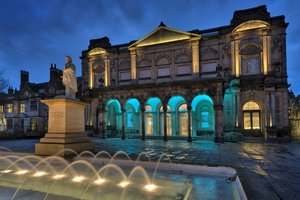
A significant shift occurred at the turn of the 21st century. His inclusion in Tate Britain’s Exposed: The Victorian Nude exhibition between 2001 and 2002 sparked a necessary renewed interest in his technical approach to the body. This momentum continued when the 2010 restoration of The Sirens and Ulysses revealed the actual brilliance of his technique, cementing a modern revival of his reputation. This was not a mere academic exercise; it was a reassessment of his actual impact on British art history.

The resurgence reached a peak with a major retrospective of his work held at the York Art Gallery in 2011–12. This period of reevaluation moved him from the periphery back into serious discussion. His ability to render realistic flesh tones and anatomical detail remains the primary reason his work demands attention today. He is no longer dismissed as a mere provocateur but is recognized for his specific, unflinching commitment to the human form.

Where to See the Works Today

Etty’s physical presence in modern collections remains significant, though his distribution is uneven. In London, the Courtauld Gallery maintains a strong hold on his output with four works in its collection. For those seeking his more intimate studies or specific character studies, Fairfax House in York preserves four of his paintings. These pieces offer a direct look at the technical precision he applied to the human form, away from the larger-scale historical compositions.

His reach extends beyond the United Kingdom into mainland Europe. The Louvre in Paris holds two of his works, ensuring his influence is felt within major international institutions. In the United Kingdom, the National Trust in Cambridge also maintains a presence with three works. To see his work in its most concentrated regional context, one must look to the York Art Gallery, which houses The Wrestlers, a piece painted around 1840.

ყველა 523 ნამუშევარი, რომელიც შემოქმედებითად ეკუთვნის უილიამ ეტი →