თეოდორ ჟერიკო, 1791 – 1824

The 100 Most Famous Paintings by თეოდორ ჟერიკო

The painting that made თეოდორ ჟერიკო famous is მედუზის კოֹრფაჲ და ტრაგიდია (1818); it hangs in the ლუვრი, პარიზი. Nymph and Satyr (Jupiter and Antiope) (1820) and The Oath of Brutus after the Death of Lucretia (1815) follow it in the hearts of collectors and museum visitors. Of the 183 works by თეოდორ ჟერიკო in our catalogue, these 100 are the most admired, each presented with its date, its museum and what sets it apart.

Ranked by our popularity score, which combines the searches, visits and orders for each work. Updated ოქტომბერი 2026. Every masterpiece on this page can be ordered as a museum-quality, hand-painted oil reproduction or a fine art print, at the size you choose.

Portrait of თეოდორ ჟერიკო
თეოდორ ჟერიკო · 1791 – 1824
Born · died
1791 – 1824, რუანი
Movement
Romantic painting
Works in our catalogue
183
Most famous
მედუზის კოֹრფაჲ და ტრაგიდია (1818)
Most works at
ლუვრი

თეოდორ ჟერიკო: the ten masterpieces

მედუზის კოֹრფაჲ და ტრაგიდია (1818) by თეოდორ ჟერიკო
1

მედუზის კოֹრფაჲ და ტრაგიდია

1818 · ზეთი ტილოზე · ლუვრი, პარიზი

ჟან-ლუი ანდრე თეოდორე გერიკაულის მონუმენტური შედევრი უფრო მეტია, ვიდრე უბრალოდ საზღვაო კატასტროფის აღწერა; ეს არის ადამიანური სასოწლუጦების, პოლიტიკური სკანდალისა და ბუნების ამაღლებული ძალის ვიცერალური კვლევა. 1819 წელს დასრულებული ეს გიგანტური ტილო (4უბრალოდ 716 სმ) უკვდავყოფს 1816 წელს ფრანგული ფრიგატის, მედუზას, ჩამსხვრევის შემზარავ შედეგებს — ტრაგედიას, რომელიც უნარჩუნობისა და კორუფციისგან დაიბადა და მთელ საფრანგეთს შეძრწუნა.

Nymph and Satyr (Jupiter and Antiope) (1820) by თეოდორ ჟერიკო
2

Nymph and Satyr (Jupiter and Antiope)

1820 · Acrylic On Canvas · Musée des Beaux-Arts et de la Céramique, რუანი

The Allure of the Divine Encounter: Géricault’s *Nymph and Satyr* Jean-Louis André Théodore Géricault's *Nymph and Satyr*, painted in 1819, isn’t merely a depiction of a mythological scene; it’s a profound exploration of desire, transgression, and the inherent tension between innocence and primal instinct. Born amidst the tumultuous backdrop of post-revolutionary France, Géricault, already recognized for his dramatic intensity, sought to capture not just a narrative but an emotional truth—a…

Lions in a Mountainous Landscape (1818) by თეოდორ ჟერიკო
4

Lions in a Mountainous Landscape

This vigorous painting of six lions in a remote, spectrally illuminated lair—possibly intended to evoke the Atlas Mountains of Morocco—is an extraordinary example of Gericault’s spontaneous handling of paint. Rather than applying finishing touches to make a polished cabinet picture, the artist left the painting in a state known as an esquisse, or sketch, a work prized by fellow artists for its strength of directly capturing a subject or effect.…

The Kiss (1822) by თეოდორ ჟერიკო
5

The Kiss

1822 · Acrylic On Canvas · თისენ-ბორნემიმზას მუზეუმი, მადრიდი

Théodore Géricault's "The Kiss," painted in 1816, isn’t merely a depiction of lovers entwined; it’s a visceral embodiment of the burgeoning Romantic movement’s fascination with raw emotion, dramatic intensity, and the sublime. This arresting work, housed within the Thyssen-Bornemisza Museum in Madrid, transcends simple representation to become a profound meditation on passion, vulnerability, and the very essence of human connection. Géricault, already a figure known for his unflinching portrayals of…

Wounded Soldiers Retrating from Russia (1814) by თეოდორ ჟერიკო
6

Wounded Soldiers Retrating from Russia

A Symphony of Suffering: Géricault’s “Wounded Soldiers Retrating from Russia” Jean-Louis André Théodore Géricault's "Wounded Soldiers Retrating from Russia" is not merely a painting; it’s a visceral embodiment of the horrors and human cost of war, rendered with an unprecedented level of realism and emotional intensity for its time. Completed in 1814, this monumental canvas—measuring a commanding 250 x 206 cm—captures a pivotal moment during Napoleon's disastrous invasion of Russia,…

Study of Feet and Hands (1818) by თეოდორ ჟერიკო
7

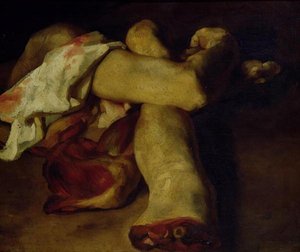
Study of Feet and Hands

1818 · Oil On Canvas · მუსეი ფაბრე, მონპელიე

Jean-Louis André Théodore Géricault's "Study of Feet and Hands," painted in 1818, isn’t a grand statement of Romantic drama like his monumental “The Raft of the Medusa.” Instead, it offers a profoundly intimate glimpse into the artist’s meticulous process and a poignant meditation on the human form. This unassuming oil painting—measuring a modest 52 x 64 cm—is far more than just a preparatory sketch; it's a concentrated distillation of Géricault’s…

The Raft of the Medusa (detail) (1818) by თეოდორ ჟერიკო
8

The Raft of the Medusa (detail)

1818 · Oil On Canvas · ლუვრი, პარიზი

Jean-Louis André Théodore Géricault's "The Raft of the Medusa," a monumental detail from his 1818 painting, isn’t merely a depiction of shipwreck; it’s a visceral plunge into the depths of human suffering and political indictment. The scene, rendered with a dramatic intensity characteristic of Romanticism, captures the harrowing aftermath of the French frigate *Medusa*'s wreck off the coast of Mauritania in 1816. This disaster, largely attributed to the incompetence and…

The Wreck (1821) by თეოდორ ჟერიკო
10

The Wreck

1821 · Oil On Canvas · ლუვრი, პარიზი

Théodore Géricault's "The Wreck," painted in 1821, isn’t merely a seascape; it’s a visceral confrontation with the sublime—a raw depiction of humanity’s vulnerability against the overwhelming force of nature. Born amidst the turbulent currents of post-revolutionary France, Géricault, a figure both lauded and controversial within the burgeoning Romantic movement, channeled his own anxieties and the era's fascination with dramatic events into this monumental canvas. The painting immediately commands attention not…

More თეოდორ ჟერიკო masterpieces, 11 to 100

The Horse Race (1816) by თეოდორ ჟერიკო
#11

The Horse Race

1816 · თისენ-ბორნემიმზას მუზეუმი

Jean-Louis André Théodore Géricault's "The Horse Race," painted in 1816, isn’t merely a depiction of a sporting event; it’s a visceral embodiment of Romanticism’s core tenets – passion,…

Bring it home →
Swiss Guard and Wounded Veteran (1819) by თეოდორ ჟერიკო
#12

Swiss Guard and Wounded Veteran

1819 · ლუვრი

Jean-Louis André Théodore Géricault's "Swiss Guard and Wounded Veteran," painted in 1819, is not merely a historical depiction; it’s a profound meditation on duty, sacrifice, and the lingering…

Order a reproduction →
Mazeppa (1823) by თეოდორ ჟერიკო
#13

Mazeppa

1823 · შატო დე შანტილი

Théodore Géricault's "Mazeppa," painted in 1823, isn’t merely a depiction of a dramatic legend; it’s a visceral embodiment of Romantic turmoil—a raw exploration of suffering, resilience, and the…

Bring it home →
Two Horses (1809) by თეოდორ ჟერიკო
#14

Two Horses

1809 · The Phillips Collection

Jean-Louis André Théodore Géricault's "Two Horses," painted in 1808-1809, isn’t merely a depiction of two magnificent animals; it’s a visceral exploration of movement, power, and the fleeting nature…

Bring it home →
A Turk (Mustapha) (1820) by თეოდორ ჟერიკო
#15

A Turk (Mustapha)

1820 · ლუვრი

Jean-Louis André Théodore Géricault's "A Turk (Mustapha)," painted in 1820, is not merely a portrait; it’s a carefully constructed tableau of exoticism, melancholy, and the burgeoning Romantic sensibility…

Order a reproduction →
A Carabinier with his Horse (1814) by თეოდორ ჟერიკო
#16

A Carabinier with his Horse

1814 · რუანის ხელოვნების მუზეუმი

In the quiet intensity of Jean-Louis André Théodore Géricault’s 1814 masterpiece, "A Carabinier with His Horse," we encounter more than a mere military portrait; we witness a profound…

Order a reproduction →
Boxers (1818) by თეოდორ ჟერიკო
#18

Boxers

1818 · შატო დე შანტილი

A Tempestuous Vision: Géricault’s “Boxers” Jean-Louis André Théodore Géricault's "Boxers," completed in 1818, isn’t merely a depiction of a boxing match; it’s a visceral embodiment of Romanticism’s fascination…

Order a reproduction →
The Epsom Derby (1821) by თეოდორ ჟერიკო
#20

The Epsom Derby

1821 · ლუვრი

Jean-Louis André Théodore Géricault's "The Epsom Derby," painted in 1821, isn’t merely a depiction of horse racing; it’s a visceral embodiment of Romanticism’s fascination with drama, movement, and…

Bring it home →
Three Lovers (1817) by თეოდორ ჟერიკო
#22

Three Lovers

1817 · ჟან პოლ გეტის მუზეუმი

Théodore Géricault captured a private, feverish moment in Three Lovers. This small oil sketch, created about 1817–1820, offers a rare glimpse into the artist's more intimate preoccupations. It…

Order a reproduction →
Lion devouring a horse by თეოდორ ჟერიკო
#26

Lion devouring a horse

შატო დე შანტილი

Théodore Géricault's "Lion Devouring a Horse," painted in 1819, isn’t merely a depiction of predatory action; it’s a visceral exploration of power, mortality, and the primal instincts that…

Bring it home →
Untitled (ARJCHM) by თეოდორ ჟერიკო
#28

Untitled (ARJCHM)

ლუვრი

In the annals of art history, few works command the room with such visceral intensity as Théodore Géricault’s The Raft of the Medusa. This monumental oil on canvas…

Bring it home →
Portrait of a Young Man (1818) by თეოდორ ჟერიკო
#32

Portrait of a Young Man

1818 · Minneapolis Institute of Art

A young man emerges from a deep, indistinct darkness, his presence felt through the sudden, sharp clarity of light hitting his features. He sits in a quiet, intimate…

Order a reproduction →
A study for a nude. (1801) by თეოდორ ჟერიკო
#33

A study for a nude.

1801 · National Museum in Warsaw

A study for a nude. emerges from the shadows as a powerful presence by Théodore Géricault. Created about 1801, this oil on canvas captures a singular moment of…

Bring it home →
Study of a Model (1818) by თეოდორ ჟერიკო
#34

Study of a Model

1818 · ჟან პოლ გეტის მუზეუმი

This oil on canvas portrait study presents a close-up, three-quarter view of a Black man's head and shoulders. The subject is positioned slightly off-center, looking toward the viewer…

Commission a hand-painted copy →
The Martyrdom of Saint Peter (1814) by თეოდორ ჟერიკო
#35

The Martyrdom of Saint Peter

1814 · კუნსტმუზეუ ბაზელი

The Martyrdom of Saint Peter is an oil on canvas by Théodore Géricault. Created about 1814, the work captures a moment of profound tension. The physical presence of…

Bring it home →
The Wreck (1824) by თეოდორ ჟერიკო
#36

The Wreck

1824 · ლუვრი

In the annals of French Romanticism, few works command the visceral attention of Théodore Géricault’s The Wreck as profoundly as this haunting seascape. Painted in 1824, a year…

Commission a hand-painted copy →
Mater dolorosa, Copy after Ribera (1811) by თეოდორ ჟერიკო
#38

Mater dolorosa, Copy after Ribera

1811 · კუნსტმუზეუ ბაზელი

Mater dolorosa, Copy after Ribera is a religious oil painting by the French artist Théodore Géricault. Created about 1811–1815, the work reflects the artist's engagement with the traditions…

Bring it home →
Lion in Repose by თეოდორ ჟერიკო
#39

Lion in Repose

Walters Art Museum

Jean-Louis André Théodore Géricault’s “Lion in Repose,” painted circa 1820-1823, isn’t merely a depiction of an animal; it’s a profound meditation on power, vulnerability, and the very nature…

Order a reproduction →
Portrait of a Negro (1800) by თეოდორ ჟერიკო
#71

Portrait of a Negro

1800 · აჟუდას ეროვნული სასახლე

Dating from 1800, Jean-Louis André Théodore Géricault’s “Portrait of a Negro” is more than just a depiction of an individual; it’s a poignant statement born from the turbulent…

Bring it home →
Portrait d'homme (1825) by თეოდორ ჟერიკო
#73

Portrait d'homme

1825 · მუსეი ფაბრე

Portrait d'homme is an oil on canvas work attributed to the French Romantic painter Théodore Géricault. While historically categorized under various titles, including a mistaken identification as a…

Commission a hand-painted copy →
Equestrian Portrait of Charles V (1814) by თეოდორ ჟერიკო
#74

Equestrian Portrait of Charles V

1814 · სან-ფრანცისკოს fine arts მუზეუმები

Equestrian Portrait of Charles V is an oil on canvas work executed by the French Romantic painter Théodore Géricault. Created in 1814, the piece focuses on the figure…

Commission a hand-painted copy →
Chestnut horse in a stable (1814) by თეოდორ ჟერიკო
#75

Chestnut horse in a stable

1814 · სტენფორდ უნივერსიტეტის კანტორის სახელობის ხელოვნების ცენტრი

In this 1814 oil painting, we find ourselves in the quiet, dim interior of a stable. The focus is entirely on a single chestnut horse, captured in profile…

Commission a hand-painted copy →
Horses of the Auvergne (1822) by თეოდორ ჟერიკო
#76

Horses of the Auvergne

1822 · University of Michigan Museum of Art

In the quiet, monochromatic depths of Théodore Géricault’s 1822 lithograph, Horses of the Auvergne, we are transported to a rugged, mist-shrouded corner of France. This evocative work serves…

Commission a hand-painted copy →
A Prancing Grey Horse (1812) by თეოდორ ჟერიკო
#77

A Prancing Grey Horse

1812 · ბერელის კოლექცია

A single light grey horse occupies the center of this oil painting, captured in a rearing pose. The animal's body is angled vertically, its muscular flanks and neck…

Bring it home →
Sheet of Figure Studies (1818) by თეოდორ ჟერიკო
#78

Sheet of Figure Studies

1818 · Courtauld Gallery

To gaze upon Jean-Louis André Théodore Géricault’s "Sheet of Figure Studies" is not merely to look at painted forms; it is to witness the very act of human…

Bring it home →
Portrait of an Artist in His Studio (1820) by თეოდორ ჟერიკო
#79

Portrait of an Artist in His Studio

1820 · ლუვრი

Jean-Louis André Théodore Géricault's “Portrait of an Artist in His Studio,” completed in 1820, is more than a simple depiction of a young man seated before his easel;…

Bring it home →
The Plaster Kiln (1823) by თეოდორ ჟერიკო
#82

The Plaster Kiln

1823 · ლუვრი

In the quiet, brooding landscapes of nineteenth-century France, few works capture the raw, unvarnished essence of pastoral life as poignantly as Théodore Géricault’s “The Plaster Kiln.” Completed in…

Order a reproduction →

თეოდორ ჟერიკო's paintings by period

The subjects თეოდორ ჟერიკო painted most

The four subjects that return most often among these masterpieces, with the finest example of each.

Where to see თეოდორ ჟერიკო's paintings

The 8 museums that hold the most of the paintings on this page.

Museum City Works by თეოდორ ჟერიკო Paintings from this list
ლუვრი, პარიზილუვრი პარიზი 20 მედუზის კოֹრფაჲ და ტრაგიდია, The Raft of the Medusa (detail), Leda and the Swan
შატო დე შანტილი, შანტილიშატო დე შანტილი შანტილი 6 Mazeppa, Boxers, Lion devouring a horse
ჟან პოლ გეტის მუზეუმი, ლოს-ანჯელესიჟან პოლ გეტის მუზეუმი ლოს-ანჯელესი 3 Three Lovers, Study of a Model, The Race of the Riderless Horses
National Museum in Warsaw, ვარშავაNational Museum in Warsaw ვარშავა 3 Equestrian portrait of Wincenty Krasiński., A study for a nude., Study of a nude man
ბერელის კოლექცია, გლასგოუბერელის კოლექცია გლასგოუ 8 The Trumpeter of the Lancers of the Guard, A Prancing Grey Horse
მუსეი ფაბრე, მონპელიემუსეი ფაბრე მონპელიე 4 Study of Feet and Hands, Portrait d'homme
პატარა პალატა, პარიზიპატარა პალატა პარიზი 3 The Scotsman, Italian Landscape with Tomb
თისენ-ბორნემიმზას მუზეუმი, მადრიდითისენ-ბორნემიმზას მუზეუმი მადრიდი 2 The Kiss, The Horse Race

თეოდორ ჟერიკო, decade by decade: the defining painting of each

  1. 1800s
    Two Horses (1809) by თეოდორ ჟერიკო
    Rank 14 / 100

    Two Horses

    Age 9 – 18 · The Phillips Collection

    Jean-Louis André Théodore Géricault's "Two Horses," painted in 1808-1809, isn’t merely a depiction of two magnificent animals; it’s a visceral exploration of movement, power, and the fleeting nature…

  2. 1810s
    მედუზის კოֹრფაჲ და ტრაგიდია (1818) by თეოდორ ჟერიკო
    No. 1 of 100

    მედუზის კოֹრფაჲ და ტრაგიდია

    Age 19 – 28 · ლუვრი

    ჟან-ლუი ანდრე თეოდორე გერიკაულის მონუმენტური შედევრი უფრო მეტია, ვიდრე უბრალოდ საზღვაო კატასტროფის აღწერა; ეს არის ადამიანური სასოწლუጦების, პოლიტიკური სკანდალისა და ბუნების ამაღლებული ძალის ვიცერალური კვლევა. 1819 წელს დასრულებული…

  3. 1820s
    Nymph and Satyr (Jupiter and Antiope) (1820) by თეოდორ ჟერიკო
    #2 of 100

    Nymph and Satyr (Jupiter and Antiope)

    Age 29 – 33 · Musée des Beaux-Arts et de la Céramique

    The Allure of the Divine Encounter: Géricault’s *Nymph and Satyr* Jean-Louis André Théodore Géricault's *Nymph and Satyr*, painted in 1819, isn’t merely a depiction of a mythological scene;…

თეოდორ ჟერიკო's masterpieces: questions and answers

Which painting is თეოდორ ჟერიკო best known for?Show the answer

მედუზის კოֹრფაჲ და ტრაგიდია (1818), ლუვრი, პარიზი. Next come Nymph and Satyr (Jupiter and Antiope) (1820) and The Oath of Brutus after the Death of Lucretia (1815).

How old was თეოდორ ჟერიკო when painting მედუზის კოֹრფაჲ და ტრაგიდია?Show the answer

27 years old: მედუზის კოֹრფაჲ და ტრაგიდია dates from 1818 and თეოდორ ჟერიკო was born in 1791.

What are თეოდორ ჟერიკო's ten greatest paintings?Show the answer

მედუზის კოֹრფაჲ და ტრაგიდია, Nymph and Satyr (Jupiter and Antiope), The Oath of Brutus after the Death of Lucretia, Lions in a Mountainous Landscape, The Kiss, Wounded Soldiers Retrating from Russia, Study of Feet and Hands, The Raft of the Medusa (detail), Leda and the Swan and The Wreck. The ranking above gives the year and the museum of each.

How many works did თეოდორ ჟერიკო paint?Show the answer

Our catalogue lists 183 works by თეოდორ ჟერიკო, dated from 1800 to 1824.

In which museums can I see თეოდორ ჟერიკო's masterpieces?Show the answer

Most of them are in ლუვრი (პარიზი), შატო დე შანტილი (შანტილი) and ჟან პოლ გეტის მუზეუმი (ლოს-ანჯელესი). The table above lists the museums one by one.

When did თეოდორ ჟერიკო paint the masterpieces?Show the answer

In 1810s: 67 of the 100 works on this page date from then, among them მედუზის კოֹრფაჲ და ტრაგიდია.

What are the first and last famous paintings of თეოდორ ჟერიკო?Show the answer

The earliest on this page is Portrait of a Negro (1800), the latest The Wreck (1824).

What were თეოდორ ჟერიკო's favourite subjects?Show the answer

Man (12), Portrait (9) and Horse (8), among the 100 works on this page.

Which technique did თეოდორ ჟერიკო favour?Show the answer

Oil On Canvas: 25 of the 100 works on this page.

What art movement is თეოდორ ჟერიკო part of?Show the answer

Romantic painting, as the paintings on this page show.

Which masterpieces by თეოდორ ჟერიკო hang at the ლუვრი?Show the answer

მედუზის კოֹრფაჲ და ტრაგიდია, The Raft of the Medusa (detail) and Leda and the Swan are among the 14 works on this page held by the ლუვრი, პარიზი.

Can I own a reproduction of a თეოდორ ჟერიკო masterpiece?Show the answer

Yes. Every painting on this page can be ordered as a museum-quality, hand-painted oil reproduction or a fine art print, in the size you choose, from the painting's own page.

The life of თეოდორ ჟერიკო

რომანტიზმის ცეცხლში გამოკვლილი ცხოვრება

ჟან-ლუი ანდრე ტეოდორ ჟერიკო, სახელი, რომელიც საფრანგული რომანტიზმის აღმდინარე სულს ეხმიანება, დაიბადა სამყაროში, რომელიც დრამატული ცვლილებების ზღურბლზე იდგა. 1791 წელს, საფრანგეთის ქალაქ რუანში, მისი ადრეული ცხოვრება რევოლუციის ექოებსა და ნაპოლეონის ამბიციების მზარდ ტალღას შორის განვითარდა. მიუხედავად იმისა, რომ ოჯახის სამართლებრივი და ბიზნეს საქმიანობიდან გამომდინარე – მათ შორის თამბაქოს საწარმოდან – მან კომფორტული ცხოვრება დაიმსახურა, ჟერიკოს ბედი არა სამართალში ან კომერციაში, არამედ მხატვრული თვითგამოხატვის სფეროში იკვეთებოდა. ინგლისური სპორტული ხელოვნების ოსტატის, კარლ ვერნეს მეთვალშენიერებაში პირველად სწავლამ მას ანატომიისა და მოძრაობის გამჭვრეტელი თვალი განუვითარდა, რაც განსაკუთრებით თვალსაჩინო იყო ცხენების გამოსახულებებში. თუმცა, სწორედ პიერ ნარსის გერენთან შემდგომმა სწავლებამ საფუძველი ჩაუყარა კლასიკურ კომპოზიციას, თუმცა ჟერიკოს მოუსვენარმა სულმა მალევე მიიყვანა იგი დამოუკიდებელი ცოდნისკენ ლუვრის წმინდა დარბაზებში.

ლუვრი, როგორც აკადემია: დიალოგი ოსტატებთან

1810 წლიდან 1815 წლამდე ლუვრი ჟერიკოს ნამდვილ აკადემიად იქცა. იგი მთლიანად ჩაეფლო ძველი ოსტატების – რუბენსის, ტიციანეს, ველასკესისა და რემბრანტის – ნამუშევრებს; ის არ კოპირებდა მხოლოდ მათ ტექნიკას, არამედ მათ მხატვრულ ფილოსოფიასთან ღრმა დიალოგში ჩაერთო. ეს პერიოდი გადამწყვეტი აღმოჩნდა მისი გამორჩეული სტილის ჩამოყალიბებაში, რომელიც ხასიათდებოდა დრამატული ქიაროსკუროთი, დინამიკური კომპოზიციებითა და ინტენსიური ემოციურობით, რაც მას თანამედროვეებისგან გამოარჩიდა. იგი არ ახდენდა უბრალოდ რეპლიკაციას; ის შთანთქავდა ამ ოსტატების არსს, შინაგანი აკლატესდა მათ მიდგომებს სინათლისა, ჩრდილისა და ადამიანური ფორმისადმი. ამ თვითნაკვეთმა განათლებამ აღმოაჩინა უნიკალური მხატვრული ხმა, რომელიც მალე გამოწვევას შეუფრუნებდა გაბატონებულ ნეოკლასიკურ კონვენციებს. მისი ადრეული ნამუშევრები, როგორიცაა მოდგენილი ჰანტერი (1812), უკვე მიანიშნებდა ამ ახალი სენსიტიურობის შესახებ, ავლენდა შესრულების სისწრაფესა და მოძრაობისადმი გატაცებას, რაც რუბენსის ენერგიულ ტილოებს მოგვაგონებდა. მან განაგრძო მხედართმთავრობის თემების კვლევა და დახვეწდა ცხენების ძალისა და ელეგანტურობის გამოსახვის ხელოვნება – თემა, რომელიც მთელი მისი კარიერის განმადიდებელი მოტივი დარჩებოდა.

მედუზას ტირილი: ადამიანური ტანჯვის მონუმენტი

ჟერიკოს სახელი განუყოფლად არის დაკავშირებული მედუზას ტირილთან (1818-1819), მონუმენტურ ტილოთან, რომელიც სცდება მხოლოდ ისტორიულ აღწერას და ხდება ადამიანური შეცდომისა და სოციალური უსამართლობის მწარე ბრალდება. 1816 წელს საფრანგეთის ფრიგატ მედუზესКо shipwreck-ის შემზარავი რეალური ისტორიით შთაგონებული, სადაც უმოგ care და არაკომპეტენტურობამ მგზავრებისთვის წარმოსადგენი ტანჯვა გამოიწვია, ეს ნახატი არის სასოწლუetობის, იმედისა და სასოწარკვეთილების ვიცერალური პორტრეტი. ჟერიკომ ჩაატარა ზედმიწევნითი კვლევა: გამოკითხა გადარჩენილები, შეისწავლა გვამები საავადმყოფოებში და ააგო თავად ტირილის მასშტაბური მოდელი სიზუსტის უზრუნველსაყოფად. შედეგად მიღებული ნამუშევარი არ არის მხოლოდ ტრაგედიის აღწერა; ეს არის იმერსიული გამოცდილება, რომელიც მაყურებელს ადამიანური ტანჯვის პირველსახეს აპირისპირებს. კომპოზიცია, რომელიც აგებულია ორ პ пирамиდაულ სტრუქტურაზე – ერთში სასოწარკვეთილება და სიკვდილია ასახული, მეორეში კი იმედი და შესაძლო გადარჩენა – ქმნის დინამიკურ დაძაბულობას, რომელიც თვალს ტილოზე მთელ სიფართოზე ატრიალებს. მედუზას ტირილი საკმაოდ სკანდალური აღმოჩნდა 1819 წლის სალონზე გამოფენისას, რამაც გამოიწვია პოლიტიკური დებატები და განამტკიცა ჟერიკოს, როგორც გაბედული და არაორდინალური მხატ एग्जामपुरის რეპუტაცია. ამ ნახატის გავლენა ხელოვნების სამყაროს ფარგლებს სცილდებოდა და ხელისუფლების უმოგ careობისა და ადამიანური სიმტკიცის სიმბოლოდ იქცა წარმოუდგენელი სირთულეების წინაშე.

ტრაგედიის მიღმა: სამხედრო თემები და მხატვრული მემკვიდრეობა

მიუხედავად იმისა, რომ მედუზას ტირილი მისი ყველაზე აღიარებული მიღწევა რჩება, ჟერიკოს შემოქმედება ამ ერთადერთ შედევრს სცილდებოდა. იგი მუდმივად ბრუნდებოდა სამხედრო თემებთან, რაც ჩანს ისეთ ნამუშევრებში, როგორიცაა ჭრილი კურირასიერი (1814) და ეპსომის დერბი (1821), რაც მოწმობს მის გატაცებას დრამისა და ექსპრესიული ძალისადმი. ეს ნახატები ააშკარავებს ადამიანური ემოციების შემდგომ კვლევას სტრესულ მდგომარეობაში, ხშირად ფოკუსირებული კონფლიქტის ფიზიკურ და ფსიქოლოგიურ შედეგებზე. მან ასევე გასცდა პორტრეტულსა და ლითოგრაფიულ ჟანრებს, რითაც კიდევ უფრო გააფართოვა თავისი მხატვრული რეპერტუარი. სამწუხაროდ, ჟერიკოს ცხოვრება 32 წლის ასაკში, 1824 წელს, ავადმყოფობამ შეწყვიტა, რაც მრავალწლიანმა ტანჯვამ გამოწვია მხედართმთავრობის შემთხვევითი ტრავმებისა და ქრონიკული ტუბერკულოზის ინფექციის შედეგად. მისმა ნაადრევმა სიკვდილმა ხელოვნების სამყაროს უდიდესი ნიჭი დააკარგვინა, თუმცა მისი გავლენა მომდევნო თაობებზე – განსაკუთრებით ევგენი დელაკრაზე – ღრმა იყო. იგი იხსენება, როგორც რომანტიზმის პიონერი, მხატვარი, რომელსაც ბედადა პირისპირ დაპირისპირებოდა რთული ჭეშმარიტებებისთვის და თავის ნამუშევრებს შეუნდათ ძლიერი ემოციური რეზონანსი, რომელიც დღესაც მოხიბლავს აუდიტორიას. მისი ბრინჯაჟის ფიგურა ხელში ფუნჯით მოკალათებულია მის საფლავზე პერ ლეშას სასაფლაოზე, პარიზში, მედუზას ტირილიდან აღებული მწარე სცენის რელიეფური პანელის ზემოთ – ეს შესაფერისი თაგრდაა მხატვრისთვის, რომელმაც თავი მიუძღვნა ადამიანური მდგომადობის სირთულეებისა და წინააღმდეგობების დაფიქსირებას.

ძირითადი მახასიათებლები და გავლენა

  • რომანტიზმი: ჟერიკო ითვლება პირველი ფრანგი რომანტიკოს მხატვრების ერთ-ერთად, რომელმაც ნეოკლასიკური იდეალებიდან ემოციური ინტენსივობისა და დრამატული გამოხატულობისკენ გადაიხედა.
  • დრამატული კომპოზიცია: მისი ნახატები ცნობილია დინამიკური კომპოზიციებით, სადაც ხშირად გამოიყენება დიაგონალური ხაზები და კონტრასტული სინათლე და ჩრდილი მოძრაობისა და დაძაბულობის შეგრძნების შესაქმნელად.
  • რეალიზმი და კვლევა: ჟერიკო ერთგული იყო რეალიზმისადმი; იგი ატარებდა ვრცელ კვლევებს – მათ შორის გვამების შესწავლას და გადარჩენილთა გამოკითხვას – რათა უზრუნველეყო თავისი ნამუშევრების სიზუსტე და ემოციური გავლენა.
  • ძველი ოსტატების გავლენა: იგი შთაგონებას იღებდა ბაროკოს ოსტატებისგან, როგორიცაა რუბენსი, ტიციანე და ველასკე, და ითვისებდა მათ ტექნიკას დრამატული განათებისა და ექსპრესიული ფუნჯის დარტყმებისთვის.
  • ფოკუსი ადამიანურ ტანჯვაზე: მისი ხელოვნება ხშირად ასახავს ტრაგედიის, სასოწარკვეთილებისა და ადამიანური გამოცდილების ბნელი მხარეების სცენებს, რაც ასახავს რომანტიკულ გატაცებას ინტენსიური ემოციებით.

All 183 works by თეოდორ ჟერიკო →