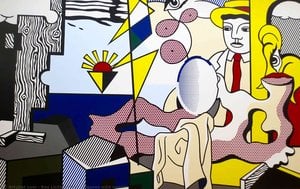
როი ლიხტენშტეინი, 1923 – 1997

როი ლიხტენშტეინი: The 100 Most Famous Paintings

ვაამ! (1963) is the most famous painting by როი ლიხტენშტეინი. დაღრჩმობილი გოგონა oversize - (1600) and Look Mickey (1961) are the next two works the world knows best. From the 382 works of როი ლიხტენშტეინი in our catalogue, here are the 100 that collectors and museum visitors look at most, with the year, the museum and the story of each.

Ranked by our popularity score, which combines the searches, visits and orders for each work. Updated ოქტომბერი 2026.

Portrait of როი ლიხტენშტეინი
როი ლიხტენშტეინი · 1923 – 1997
Born · died
1923 – 1997, მანჰეტენი
Movement
Პოპ არტი
Works in our catalogue
382
Most famous
ვაამ! (1963)
Most works at
ჩიკაგოს ხელოვნების ინსტიტუტი

Top 10: როი ლიხტენშტეინი's best-known paintings

ვაამ! (1963) by როი ლიხტენშტეინი
1

ვაამ!

1963 · აკრილი ტილოზე

როი ლიხტენშტეინის 1963 წლის შედევრი, "Whaam!", არის ომის, მედიისა და კომიქსების ესთეტიკის აფეთქებრივი კონცენტრირება. ეს მასშტაბური ნაწარმოები 단순ად საჰაერო საბრძოლო მოქმედების გამოსახულება არ არის; ეს არის ძლიერი კომენტარი 20-ე საუკუნის შუაგულის ამერიკულ კულტურაში გავრცელებული ძალისმპყრობი, სტილიზებული წარმოდგენილობაზე. საბრძოლო თვითმფრინავი სწრაფად გად穿越 ტილოში, გამო releasing fiery attack-ს, რომელიც უშუალობით ხასიათს აჩვენებს, მიუხედავად იმისა, რომ მისი შექმნა სათანადოა. ლიხტენშტეინი აქამდე არასდროს იყო ასეთი გამბედავი და ამ ნაწარმოებმა პოპ-არტის ისტორიაში უმნიშვნელოვანესი ადგილი დაიკავა.

დაღრჩმობილი გოგონა oversize - (1600) by როი ლიხტენშტეინი
2

დაღრჩმობილი გოგონა oversize -

1600 · ციფრული ილუსტრაცია

სუბიექტი და კომპოზიცია ეს გამორჩეული ნამუშევარი ემოციურად დატვირთულ მომენტს წყალში ჩაფლული ქალის ცოცხალი პორტრეტით გადმოგვცემს. მისი ფიქრით სავსე გამოხედვა, რომელსაც სახეზე ჩამოსული ცრემლები უსვამს აქცენტს, მაყურებელს მოუწოდებს, შევიدოს მოწყვლადობის, სიმტკიცისა და შინაგანი ქაოსის ნარატივში. კომპოზიცია ფოკუსირებულია მის სახესა და ხელზე, რაც მყისიერად მიმართავს ყურადღებას ქალის ემოციურ მდგომს, ხოლო მის გარშემო მორევის მომხდარი სტილიზებული წყალი ამძაფრებს ქაოსისა და სრული შთაბერდების შეგრძნებას. პროვოკაციული ტექსტის შემცველი სასაუბრო ბუშტი — „არ მაინტერესებს! მირჩევნია ჩავძიმდე,…

Look Mickey (1961) by როი ლიხტენშტეინი
3

Look Mickey

1961 · Acrylic On Canvas

Roy Lichtenstein's Look Mickey is a seminal work that bridges the artist's transition from abstract expressionism to pop art. Created in 1961, this oil on canvas painting is widely regarded for its ironic humor and aesthetic value, making it a cornerstone of the Pop Art movement. Artistic Technique Lichtenstein employed a limited palette consisting of primary colors and white, along with hand-painted dots to denote tonality in the comic strip…

მძვრველი გოგონა (1963) by როი ლიხტენშტეინი
4

მძვრველი გოგონა

1963 · ზეთი ტილოზე

Roy Fox Lichtenstein (Լայքտենշტայն), born October 27, 1923, irrevocably altered the trajectory of twentieth-century art. Emerging as a pivotal figure within the Pop Art movement, Lichtenstein didn’t merely reflect his era; he actively interrogated it, transforming commonplace imagery—primarily comic book panels—into compelling artistic statements that challenged traditional notions of beauty and elevated popular culture to the realm of high art.

გოგონა კრებულთან ერთად (1961) by როი ლიხტენშტეინი
5

გოგონა კრებულთან ერთად

1961 · აკრილი ტილოზე

როი ლიქტენშტეინის „გოგონა კრებულთან ერთად“ 1961 წლის საკულტო ნამუშევარია, რომელიც მე-20 საუკუნის შუა პერიოდის ამერიკული პოპ-კულტურის არსს ასახავს. ეს დინამიკური და ცოცხალი შემოქმედება გვაჩვენებს ქალს, რომელიც ვოლეისბოლს თამაშობს, რითაც ენერგიისა და მოძრაობის განცდას მორგებს. მისი სტილიზებული და ექსპრესიული მიდგომა მას ნებისმიერი კოლექციის გამორჩეულ ძვირფას ნიმუშად აქცევს.

ტორპედო...LOS! (1963) by როი ლიხტენშტეინი
6

ტორპედო...LOS!

1963 · აკრილი ტილოზე

როი ლიხტენშტეინის "Торпедо…LOS!" (1963) – ეს არის არა მარტო გამორჩეული ნაწარმოები პოპ-არტის ისტორიაში, არცერთი ტილო, რომელიც ამავე დროს ასახავს იმ ხანას და გამოხატავს თანამედროვე კულტურის არსს. ლიხტენშტეინი, რომელმაც კომიქსების ვიზუალური ენა გამოიყენა მაღალი ხელოვნებისთვის, შექმნა გამბედავად და შოკოლადოვან შედევრი, რომელიც დღემდე აღძრავს მსოფლიო მასშტაბით ინტერესს. ნაწარმოები არის ზეთის საღებავით შესრულებული ტილო, რომელზეც გამოსახულია სარდალური ფონია და მკვეთრი კონტრასტით გამოყვანილმა ობიექტებმა შექმნილი დინამიკა. ეს ტილო, თავისი უნიკალური ესთეტიკით, წარმოადგენს პოპ-არტის განვითარების…

როი ლიქტენშტეინი (1961) by როი ლიხტენშტეინი
7

როი ლიქტენშტეინი

1961 · აკრილი ტილოზე

როი ლიქტენშტაინი, XX საუკუნეში ხელოვნებაში მნიშვნელოვანი ფიგურა, თავისი უნიკალური მიდგომით შეცვალა ხელოვნების კონსტიტუცია. "Roto Broil" (1961) – ეს მისი ერთ-ერთი ყველაზე ცნობილი ნამუშევარია, რომელიც მოგვეფர்ப்பляє Pop Art-ის სამყარში, სადაც ყოველდღიური ნივთები ხდებოდნენ ხელოვნების ძმებით. ამ ნამუშევარს განსაკუთრებული მნიშვნელობა აქვს არა მხოლოდ მისი ვიზუალურად მიმზიდველი ხასიათის გამო, არამედ ისტორიული კონტექსტის და სიმ볼ლური მნიშვნელობის წყალობითაც.

ბლამ (1962) by როი ლიხტენშტეინი
8

ბლამ

1962 · აკრილი ტილოზე

Dynamic Subject and Iconic Imagery This striking artwork captures a moment of explosive action, rendered in the bold, graphic language of comic book art and pop art. At its core, a stylized firearm is depicted mid-firing, with dramatic explosion effects and a commanding "BLAM" sound effect that emphasizes violence, power, and chaos. The composition centers around this intense scene, evoking themes of conflict, rebellion, and the raw energy of modern…

ვამ (1963) by როი ლიხტენშტეინი
9

ვამ

1963 · მელნით შესრულებული ნამუშევრები ქაღალდზე

Dynamic Subject and Iconic Imagery This striking artwork captures a moment of explosive action, vividly illustrating a military aircraft amidst a powerful burst of destruction. The scene is infused with energy and intensity, depicting a missile or projectile unleashing a fiery explosion. The composition symbolizes themes of power, conflict, and the chaos of modern warfare, resonating with viewers who appreciate bold storytelling through visual art. Its dramatic subject matter makes…

უტიტლული როი ლიქტენშტეინი ^ ჯიან ფრანკო გორგონი (1988) (1988) by როი ლიხტენშტეინი
10

უტიტლული როი ლიქტენშტეინი ^ ჯიან ფრანკო გორგონი (1988)

1988 · მიქსტ მედია

სუბიექტი და კომპოზიცია ეს მომხიბვლელი ნამუშევარი ოსტატურად აკვირვებს მარტოსულ მხედარს, რომელიც მზის ჩასვლისას მშვიდ სანაპიროზე მოგზაურობს. მხედრისა და ცხენის სილუეტი მკვეთრ კონტრასტში დგას ცარცმულ, მბრუნავ ცის ფონზე, რაც ქმნის ძლიერ ფოკალურ წერტილს, რომელიც მოძრაობისა და თვითრეფლექსიის შეგრძნებას აღძვრის. ვრცელი ზღვის პეიზაჟი, თავისი მოციმციმე წყლებითა და შორეული ჰორიზონტით, მაყურებელს მოუწოდებს დაფიქრდეს მოგზაურობის, თავისუფლებისა და ადამიანისა და ბუნების მარადიული კავშირის თემებზე. ფონზე შორს მდებარე ცხოველის ნატიფი არსებობა კიდევ უფრო აძლიერებს მასშტაბის შეგრძნებას…

The rest of the როი ლიხტენშტეინი ranking, 11 to 100

ჰეი შენ - (2402193) by როი ლიხტენშტეინი
#11

ჰეი შენ - (2402193)

Dynamic Subject and Iconic Gesture This striking artwork captures a universally recognizable gesture—a pointing hand—conveying immediacy, command, and engagement. The bold, graphic depiction emphasizes the power of simple…

შიშველი ლურჯი თმით (1994) by როი ლიხტენშტეინი
#12

შიშველი ლურჯი თმით

1994

სუბიექტი და კომპოზიცია ეს გამორჩეული ნამუშევარი წარმოაჩენს ქალის სტილიზებულ პორტრეტს მომხიბვლელი ლურჯი თმით, რომელიც შესრულებულია გაბედული და გრაფიკული ესთეტიკით. სუბიექტის პირდაპირი მზერა და ოდნავ პროვოკაციული გამომეტყველება თავდაჯერებულობისა და…

მ-შეიძლება (1965) by როი ლიხტენშტეინი
#13

მ-შეიძლება

1965

Roy Lichtenstein's "M-Maybe," painted in 1965, is a quintessential example of the Pop Art movement, capturing a fleeting moment of emotional vulnerability within the context of modern urban…

ქალი აბაში (1963) by როი ლიხტენშტეინი
#15

ქალი აბაში

1963

A Pop Icon: Decoding Roy Lichtenstein’s ‘Woman in Bath’ Roy Lichtenstein's 1963 masterpiece, *Woman in Bath*, is more than just a painting; it’s a cornerstone of the Pop…

გოგონა თმის ლენტით (1965) by როი ლიხტენშტეინი
#16

გოგონა თმის ლენტით

1965

პოპ-არტის სიმბოლო: როი ლიხტენშტეინის „გოგონა მღრღნავებული ლენტით“ დეკოდირება როი ლიხტენშტეინის „გოგონა მღრღნავებული ლენტით“ (1965) უფრო მეტია, ვიდრე უბრალოდ ტილოზე გადატანილი გამოსახულება; ეს არის პოპ-არტის მოძრაობის არსებითი ემბლემა, რომელიც…

Sinking Sun (1964) by როი ლიხტენშტეინი
#18

Sinking Sun

1964

Roy Lichtenstein’s Sinking Sun, painted in 1964, isn't merely a depiction of a sunset; it’s a carefully constructed meditation on the anxieties and visual language of the burgeoning…

დამარხული გოგონა (1963) by როი ლიხტენშტეინი
#19

დამარხული გოგონა

1963

რომელი სტილი განსაკუთრებული მახასიათებელია ლიქტენშტინის ნამუშევრაში და რა არის მისი მნიშვნელობა ხელოვნებაში? რომელი სტილი განსაკუთრებული მახასიათებელია ლიქტენშტინის ნამუშევრაში და რა არის მისი მნიშვნელობა ხელოვნებაში? როი ლიქტენშტინის პოპ არტის…

დაუძინებელი (1963) by როი ლიხტენშტეინი
#20

დაუძინებელი

1963

როი ლიქტენშტაინის „უიმედობა“, შექმნილი 1963 წელს, წარმოადგენს გარდამავალ ნამუშევარს პოპ არტისკენ მიმართულებაში და რჩება მომხიბლავი თემად ხელოვნების მოყვარულებისა და კოლექციონერებისთვის. ეს ნამუშევარი, რომელიც ამჟამად გვესმება შვეიცარიის ბასელის კუნstmuseum-ში…

Spray (1962) by როი ლიხტენშტეინი
#21

Spray

1962

A Burst of Urban Energy: Decoding Roy Lichtenstein’s ‘Spray’ ‘Spray,’ created in 1962 by American Pop Art icon Roy Lichtenstein, is a dynamic and visually arresting work that…

გადაშინებული (1964) by როი ლიხტენშტეინი
#22

გადაშინებული

1964

1960-იანი წლების შუა პერიოდის ამერიკის დინამიკურ და ხშირად შემაძრწუნებელ ლანდშაფტში, ცოტა თუ ისეთი გამოსახულება არსებობს, რომელიც ასე მწვავედ არ ასახავს იმ ეპოქის ფსიქოლოგიურ დაძაბულობას, როგორც როი ლიქტენშტეინის „გადაშინებული“.…

მასზე ფიქრი (1963) by როი ლიხტენშტეინი
#23

მასზე ფიქრი

1963

A Window into Yearning: Roy Lichtenstein’s “Thinking of Him” Roy Lichtenstein's 1963 masterpiece, *“Thinking of Him,”* is a poignant exploration of love, longing, and the inner life of…

გოგონა სარკეში (1964) by როი ლიხტენშტეინი
#24

გოგონა სარკეში

1964

A Mirror to Modernity: Roy Lichtenstein’s “Girl in Mirror” Roy Lichtenstein's "Girl in Mirror," painted in 1964, isn’t merely a portrait; it’s a carefully constructed meditation on the…

Girl with ball (1961) by როი ლიხტენშტეინი
#25

Girl with ball

1961

A Quintessential Pop Icon: Decoding Roy Lichtenstein’s ‘Girl with Ball’ Roy Lichtenstein's 1961 masterpiece, *Girl with Ball*, isn’t simply a painting; it’s a pivotal moment in art history…

დატირილი გოგონა (1964) by როი ლიხტენშტეინი
#27

დატირილი გოგონა

1964

„დატირილი გოგონა“: ემოციის გამოკვლევა პოპ არტში მკერავ: როი ლიქტენშტაინი ხელოვნების მიმდინარეობა: პოპ არტი წელი: 1964 წელი მასალა: ფაიანსისエનાმი გამოჟღენებული ფოლადზე ზომა: 116 x 116 სმ პოპ არტის ხელმოწერა:…

Alka Seltzer (1966) by როი ლიხტენშტეინი
#28

Alka Seltzer

1966

Introduction to Pop Art and Roy Lichtenstein Pop art is an art movement that emerged in the United Kingdom and the United States during the mid- to late-1950s.…

Artist's studio - The dance (1974) by როი ლიხტენშტეინი
#29

Artist's studio - The dance

1974

In the vibrant landscape of twentieth-century art, few works capture the playful tension between high culture and mass media as effectively as Roy Lichtenstein’s Artist's Studio - The…

იცობი ძაღლი (1961) by როი ლიხტენშტეინი
#30

იცობი ძაღლი

1961

რომლისთვისაც არის ეს? როი ლიქტენშტაინის 1961 წლის ნახატი “Laughing Cat” არის მხატვარის განვითარების ადრული ნაწილი, რომელიც მას პოპ არტის მოძრაობაში ერთ-ერთ ყველაზე ცნობილ ფიგურად აქცჷნ. ხშირად overshadowed by…

ვარუმი (1963) by როი ლიხტენშტეინი
#31

ვარუმი

1963

როის ლიხტენშტაინის ვარუმი არის მოდერンの ხელოვნებაში მნიშვნელოვანი ნაწილი და პოპ არტის ძირითადი ნიმუში, რომელიც 1963 წელს შექმნა. ეს მხატვრობა ლიხტენშტაინის უნიკალური სტილის და კმბიური იმიჯერის გადამუშავების khả năng…

Reclining Bather (1977) by როი ლიხტენშტეინი
#33

Reclining Bather

1977

Roy Fox Lichtenstein's "Reclining Bather," completed in 1977, stands as a quintessential emblem of Pop Art—a movement that deliberately challenged the conventions of fine art by embracing imagery…

Pop (1966) by როი ლიხტენშტეინი
#34

Pop

1966

In the mid-1960s, the art world underwent a seismic shift, moving away from the heavy, emotional introspection of Abstract Expressionism toward something far more immediate and accessible. At…

Sunrise (1965) by როი ლიხტენშტეინი
#35

Sunrise

1965

Roy Fox Lichtenstein, born in Manhattan in 1923, wasn’t merely an artist; he was a provocateur, a cultural commentator who seized upon the burgeoning energy of post-war America…

ვხედავ (1961) by როი ლიხტენშტეინი
#36

ვხედავ

1961

A Window into Isolation: Decoding Roy Lichtenstein’s ‘Icansee’ Roy Lichtenstein's 1961 painting, *Icansee*, is more than just a striking visual statement; it’s a poignant exploration of observation, voyeurism,…

Forest scene (1980) by როი ლიხტენშტეინი
#37

Forest scene

1980

In the vast landscape of twentieth-century art, few works capture the tension between commercial aesthetics and natural majesty quite like Roy Lichtenstein’s “Forest Scene.” Created in 1980, this…

Bauhaus stairway (1989) by როი ლიხტენშტეინი
#38

Bauhaus stairway

1989

Bauhaus Stairway: A Dialogue Between Architecture and Pop Art Roy Lichtenstein’s *Bauhaus Stairway* (1989) stands as a fascinating testament to the artist's ability to synthesize seemingly disparate influences—the…

ბრატტატა (1962) by როი ლიხტენშტეინი
#39

ბრატტატა

1962

Roy Fox Lichtenstein, born in the vibrant metropolis of New York City on October 27, 1923, indelibly altered the landscape of twentieth-century art. Emerging as a pivotal figure…

ფუცის ნახატი კოლარით (1963) by როი ლიხტენშტეინი
#40

ფუცის ნახატი კოლარით

1963

A Bold Declaration in Red and White: Decoding Lichtenstein’s ‘Half Face with Collar’ როი ლიქტენšteინ-ის 1963 წლის ნ œuvres, *Half Face with Collar*, არის მხოლოდ პორტრეტი; ეს არის…

Coast Village (1987) by როი ლიხტენშტეინი
#41

Coast Village

1987

In the vibrant tapestry of twentieth-century art, few works capture the intersection of mass media aesthetics and serene natural beauty as effectively as Roy Lichtenstein’s “Coast Village.” Created…

Art (1962) by როი ლიხტენშტეინი
#42

Art

1962

In the pantheon of twentieth-century masterpieces, few works possess the immediate, arresting power of Roy Lichtenstein’s 1962 creation, “Art.” At first glance, the piece presents a deceptively simple…

სახის (მწვანე პროფილი) (1986) by როი ლიხტენშტეინი
#43

სახის (მწვანე პროფილი)

1986

მკამ ზდგვტ ერწვტ ედნტე: როი ლიქტენšteინ-ის *Face (green nose)* როი ლიქტენšteინ-ის 1986 წლის ლურჯი ფანლი, *Face (green nose)*, არის ხელოვანი სტილის საჩვენებელი ნიმუში და მისი განვითარების ნაწილი პოსტ-პოპ…

ძინებული გოგონა (1964) by როი ლიხტენშტეინი
#44

ძინებული გოგონა

1964

როი ლიქტენშტაინის 1964 წლის ტილო, "ძინებული გოგონა", მხოლოდ დასვენების გამოსახატება არ არის; ეს არის მნიშვნელოვანი განცხადება ბრუინგინგზულ პოპ-არტის მოძრაობაში და ტᱷ persuadingგსწკვება სექსუალურობის, მგრძნობიარეობის და წარმომადგენლობის ბუნების შესახებ.…

Collage for Landscape with Scholar's Rock by როი ლიხტენშტეინი
#45

Collage for Landscape with Scholar's Rock

In the mid-1960s, the art world underwent a seismic shift, moving away from the heavy, introspective shadows of Abstract Expressionism toward the bright, unapologetic energy of Pop Art.…

რუსტები (1965) by როი ლიხტენშტეინი
#46

რუსტები

1965

In the vast landscape of twentieth-century art, few works capture the tension between the eternal and the ephemeral as poignantly as Roy Lichtenstein’s "Ruins," painted in 1965. This…

Jet pilot by როი ლიხტენშტეინი
#47

Jet pilot

Roy Lichtenstein's 1962 graphite pencil drawing, “Jet Pilot,” is more than just a depiction of an aviator; it’s a meticulously crafted distillation of the anxieties and aspirations surrounding…

Cathedral -6 State II (1969) by როი ლიხტენშტეინი
#48

Cathedral -6 State II

1969

In the vibrant landscape of 1969, Roy Lichtenstein unveiled Cathedral -6 State II, an arresting testament to the transformative power of Pop Art. This artwork is far more…

Glass and lemon in a mirror (1974) by როი ლიხტენშტეინი
#49

Glass and lemon in a mirror

1974

In the vibrant landscape of twentieth-century art, few works capture the playful intersection of everyday reality and graphic illusion as masterfully as Roy Lichtenstein’s “Glass and lemon in…

The hero's return (1950) by როი ლიხტენშტეინი
#50

The hero's return

1950

The painting is a colorful and detailed depiction of a man holding a bow and arrow while standing next to two other people. The man with the bow…

Landscape (1964) by როი ლიხტენშტეინი
#51

Landscape

1964

The painting titled Landscape is a work by Roy Lichtenstein from 1964. The composition features a blue sky with white clouds, depicting a sunny day. In the foreground,…

The kiss (1962) by როი ლიხტენშტეინი
#52

The kiss

1962

Roy Lichtenstein's "The Kiss," painted in 1962, isn’t merely a depiction of romance; it’s a carefully constructed explosion of Pop Art sensibilities. This iconic work immediately grabs the…

Stretcher Frame with Cross Bars III (1968) by როი ლიხტენშტეინი
#53

Stretcher Frame with Cross Bars III

1968

Roy Lichtenstein, a prominent figure in the Pop Art movement, created Stretcher Frame with Cross Bars III in 1968. This painting is a quintessential example of his unique…

Reflections Wonder Woman (1989) by როი ლიხტენშტეინი
#54

Reflections Wonder Woman

1989

Roy Lichtenstein's "Reflections Wonder Woman," painted in 1989, isn’t merely a depiction of the iconic superhero; it’s a masterful distillation of Pop Art principles—a deliberate provocation and celebration…

Baked potato (1962) by როი ლიხტენშტეინი
#56

Baked potato

1962

Roy Fox Lichtenstein's "Baked Potato," painted in 1962, isn’t merely a depiction of a simple culinary item; it’s a masterful distillation of Pop Art’s core tenets—boldness, irony, and…

Mr. Bellamy (1961) by როი ლიხტენშტეინი
#57

Mr. Bellamy

1961

Background and Description Mr. Bellamy, a seminal work by Roy Lichtenstein, embodies the quintessence of pop art, blending humor and satire with the familiar tropes of comic books.…

Bathroom (1961) by როი ლიხტენშტეინი
#58

Bathroom

1961

In the vast landscape of twentieth-century art, few works possess the immediate, graphic punch of Roy Lichtenstein’s 1961 masterpiece, "Bathroom." At first glance, the viewer is presented with…

Silver Frame (1984) by როი ლიხტენშტეინი
#59

Silver Frame

1984

In the mid-1980s, the art world found itself captivated by a resurgence of energy that looked backward to move forward, and at the heart of this movement stood…

refletori - 7 (1970) by როი ლიხტენშტეინი
#60

refletori - 7

1970

A Window into Pop Reflection: Decoding Roy Lichtenstein’s ‘Mirror - 7’ როი ლიქტენšteინ-ის “Mirror – 7” (1970) მხოლოდ აბსტრაქტული ნიმუში არ არის; ეს არის თამაშგარე, მაგრამ ღრმა მედიტაცია…

Bedroom at Arles (1992) by როი ლიხტენშტეინი
#62

Bedroom at Arles

1992

In the vast tapestry of art history, few encounters are as intellectually stimulating as Roy Lichtenstein’s 1992 masterpiece, Bedroom at Arles. This work is far more than a…

Refrigerator (1962) by როი ლიხტენშტეინი
#63

Refrigerator

1962

A Quintessential Lichtenstein: Exploring “Refrigerator” (1962) “Refrigerator,” created in 1962 by Roy Lichtenstein, is a striking example of the artist’s pioneering contribution to the Pop Art movement. This…

Modular Painting with Nine Panels (1968) by როი ლიხტენშტეინი
#64

Modular Painting with Nine Panels

1968

A Symphony of Structure: Deconstructing Lichtenstein’s ‘Modular Painting with Nine Panels’ Roy Lichtenstein's “Modular Painting with Nine Panels,” created in 1968, stands as a compelling testament to the…

The Atom (1975) by როი ლიხტენშტეინი
#65

The Atom

1975

Roy Lichtenstein’s “The Atom,” painted in 1975, is more than just a depiction of geometric shapes; it’s a carefully constructed explosion of Pop Art’s core tenets. This striking…

House III (1997) by როი ლიხტენშტეინი
#66

House III

1997

In the twilight of his illustrious career, Roy Lichtenstein turned his gaze toward one of the most enduring symbols of the American psyche: the suburban home. House III,…

Bull Head III (1973) by როი ლიხტენშტეინი
#67

Bull Head III

1973

In the vibrant landscape of twentieth-century art, few images command attention with such immediate, graphic authority as Roy Lichtenstein’s Bull Head III. At first glance, the viewer is…

Donald Duck (1957) by როი ლიხტენშტეინი
#68

Donald Duck

1957

The paper holds a sudden, frantic energy as Donald Duck stares out from a world of heavy, dark lines. There is no stillness here; instead, the charcoal moves…

No - Nox (1962) by როი ლიხტენშტეინი
#69

No - Nox

1962

Roy Lichtenstein's 1962 work, "No – Nox," isn’t a painting in the traditional sense; it’s a meticulously crafted graphic statement. Immediately arresting is its monochrome palette—a stark black…

Washington crossing delaware (1951) by როი ლიხტენშტეინი
#70

Washington crossing delaware

1951

Washington Crossing Delaware: A Pop Art Reinterpretation of History Roy Lichtenstein’s *Washington Crossing Delaware* stands as a pivotal artwork, encapsulating the spirit of Pop Art while simultaneously interrogating…

წითელი ნახატი (ბრუზსტროკი) (1965) by როი ლიხტენშტეინი
#71

წითელი ნახატი (ბრუზსტროკი)

1965

A Deceptive Simplicity: Unveiling Roy Lichtenstein’s ‘Red Painting (Brushstroke)’ Roy Lichtenstein-ის ‘Red Painting (Brushstroke)’ (1965) წლის ნიმუში პირველ შეხედულებად არის შემოქმედებითი დახელა, რომელიც ეფრ აბობს აბსტრაქტულ გამოთქვემაზე. ძლიერი…

Artist's Studio "Foot Medication" (1974) by როი ლიხტენშტეინი
#72

Artist's Studio "Foot Medication"

1974 · ჩიკაგოს ხელოვნების ინსტიტუტი

The eye enters a space that feels both expansive and strangely compressed, a large-scale interior where the walls are composed of overlapping rectangular planes. There is no traditional…

Wimpy (Tweet) (1961) by როი ლიხტენშტეინი
#73

Wimpy (Tweet)

1961

In the annals of twentieth-century art, few images possess the jarring, immediate power of Roy Lichtenstein’s 1961 masterpiece, "Wimpy (Tweet)." At first glance, the viewer is confronted with…

მაო (1971) by როი ლიხტენშტეინი
#74

მაო

1971

A Bold Statement in Monochrome: Exploring Roy Lichtenstein’s “Mao” The painting "Mao," executed by Roy Lichtenstein in 1971, stands as an arresting emblem of Pop Art's engagement with…

Brattata (1962) by როი ლიხტენშტეინი
#75

Brattata

1962

The Electric Pulse of Pop Art: Reimagining Brattata Brattata, a 1962 masterpiece by the visionary Roy Lichtenstein, serves as a thunderous declaration of the power inherent in popular…

ორი ვაშალი (1981) by როი ლიხტენშტეინი
#76

ორი ვაშალი

1981

პოპ არტის კბილი: ლიქტენშტაინის „2 ვაშლი“-ის დაშიფვრა როი ლიქტენშტაინის „2 ვაშლი“, შექმნილი 1981 წელს, არის თვალთმა신기 მარტივი ნამუშევარი, რომელიც აკრუირებს მისი აღიარებული პოპ არტის სტილის ძირითად დებულებებს. ნახატი…

The Cowboy (Red) (1951) by როი ლიხტენშტეინი
#77

The Cowboy (Red)

1951

Roy Lichtenstein’s “The Cowboy (Red)” isn't merely a painting; it’s an explosion of color, a deliberate provocation, and a masterful distillation of the Pop Art movement’s core tenets.…

Glass (1977) by როი ლიხტენშტეინი
#78

Glass (1977)

In his 1977 masterpiece, Glass, Roy Lichtenstein invites us to pause and reconsider the mundane objects that populate our daily lives. At first glance, the painting presents a…

Live ammo (Ha! Ha! Ha!) (1962) by როი ლიხტენშტეინი
#79

Live ammo (Ha! Ha! Ha!)

1962

In the landscape of twentieth-century art, few works capture the electric pulse of mid-century Americana as vibrantly as Roy Lichtenstein’s Live Ammo (Ha! Ha! Ha!). Created in 1962,…

Preparedness (1968) by როი ლიხტენშტეინი
#80

Preparedness

1968

In the vast landscape of twentieth-century art, few works capture the tension between mechanical precision and cultural anxiety as poignantly as Roy Lichtenstein’s 1968 masterpiece, Preparedness. This painting…

Crying Girl (1963) by როი ლიხტენშტეინი
#81

Crying Girl

1963

A Pop Art Icon: Exploring Roy Lichtenstein’s ‘Crying Girl’ Subject & Composition: This striking artwork is a faithful reproduction of Roy Lichtenstein's seminal 1963 work, ‘Crying Girl.’ The…

Sailboats (1985) by როი ლიხტენშტეინი
#82

Sailboats

1985

In the grand tapestry of twentieth-century art, few works capture the sun-drenched optimism of the American spirit quite like Roy Lichtenstein’s “Sailboats.” Completed in 1985, this masterpiece serves…

Live ammo (1962) by როი ლიხტენშტეინი
#83

Live ammo

1962

A Burst of Action: Decoding Roy Lichtenstein’s “Live Ammo” “Live Ammo,” created in 1962 by Pop Art master Roy Lichtenstein, is a dynamic and visually arresting work that…

Interior with mobile by როი ლიხტენშტეინი
#84

Interior with mobile

A Sanctuary of Graphic Serenity In the quiet corners of Roy Lichtenstein’s Interior with Mobile, one finds a profound meditation on domestic peace. The painting invites the viewer…

Despair (1979) by როი ლიხტენშტეინი
#85

Despair

1979

In the pantheon of twentieth-century masterpieces, few works capture the intersection of mass media aesthetics and raw human vulnerability as poignantly as Roy Lichtenstein’s “Despair.” Created in 1979,…

Magnifying glass (1963) by როი ლიხტენშტეინი
#86

Magnifying glass

1963

A Window into Lichtenstein’s Pop Art Vision Roy Lichtenstein, born in Manhattan on October 27, 1923, irrevocably transformed the trajectory of twentieth-century art. His journey began with a…

Two Green Apples (1980) by როი ლიხტენშტეინი
#87

Two Green Apples

1980

A Pop Icon’s Subtle Still Life: Exploring Lichtenstein's "Two Green Apples" Roy Lichtenstein, a titan of the Pop Art movement, is overwhelmingly known for his bold, comic-inspired paintings.…

That my ship was below them (1964) by როი ლიხტენშტეინი
#88

That my ship was below them

1964

A Burst of Action: Decoding Roy Lichtenstein’s “That my ship was below them…” “That my ship was below them…” (1964), is a quintessential example of Roy Lichtenstein's groundbreaking…

Brustrokes (1970) by როი ლიხტენშტეინი
#89

Brustrokes

1970

In the vibrant landscape of twentieth-century American art, few works capture the electric pulse of popular culture quite like Roy Lichtenstein’s “Brustrokes.” Completed in 1970, this painting serves…

Telaviv mural (1989) by როი ლიხტენშტეინი
#90

Telaviv mural

1989

In the vibrant tapestry of twentieth-century art, few works command attention with such playful yet profound intensity as Roy Lichtenstein’s "Tel Aviv Mural." Completed in 1989, this striking…

Collage for Nude (1997) by როი ლიხტენშტეინი
#91

Collage for Nude

1997

Roy Lichtenstein's "Collage for Nude," created in 1997, isn’t merely a painting; it’s a carefully constructed dialogue between the familiar and the unsettling. This work, rendered in oil…

Modular painting with four panels, #1 (1969) by როი ლიხტენშტეინი
#92

Modular painting with four panels, #1

1969 · Museum Ludwig

როი ლიქტენšteინის "Modular Painting #1": სიბერის და შემოქმედების სილ mặc როი ლიქტენšteინის "Modular Painting #1" (1969) – ეს მხოლოდ ნახატი არ არის, ეს არის ექსპერიმენტი, გამოწვევა და ახალი…

Small explosion (1965) by როი ლიხტენშტეინი
#93

Small explosion

1965

Roy Lichtenstein’s “Small Explosion,” painted in 1965, is more than just a depiction of a red circle; it’s a meticulously crafted detonation of Pop Art principles. This deceptively…

I Love Liberty (1982) by როი ლიხტენშტეინი
#94

I Love Liberty

1982

A Pop Icon Reimagined: Roy Lichtenstein’s “I Love Liberty” “I Love Liberty,” created in 1982 by master of Pop Art, Roy Lichtenstein, is a striking and dynamic reinterpretation…

Woman (1981) by როი ლიხტენშტეინი
#95

Woman

1981

A Dynamic Embrace: Decoding Lichtenstein’s ‘Woman’ (1981) This vibrant artwork by Roy Lichtenstein, created in 1981, is a quintessential example of his enduring Pop Art style. It depicts…

Collage for Woman with Mirror (1996) by როი ლიხტენშტეინი
#96

Collage for Woman with Mirror

1996

In the vast landscape of twentieth-century art, few names command as much immediate recognition as Roy Lichtenstein. His 1996 masterpiece, Collage for Woman with Mirror, serves as a…

Drawing for Seductive Girl (1996) by როი ლიხტენშტეინი
#97

Drawing for Seductive Girl

1996

This artwork is a drawing of a woman lying on her back with one leg raised in the air. She is depicted wearing a dress and has long…

Collage for Interior with Ajax (1997) by როი ლიხტენშტეინი
#98

Collage for Interior with Ajax

1997

Collage for Interior with Ajax is a painting created in 1997. The composition features a woman holding a vase up to her face, appearing to examine its contents…

Mirror - 2 (1970) by როი ლიხტენშტეინი
#99

Mirror - 2

1970

A Reflection on Modernity: Decoding Roy Lichtenstein’s “Mirror - 2” Roy Lichtenstein's "Mirror – 2," created in 1970, is not merely an image *of* a mirror, but rather…

Art Critic (1996) by როი ლიხტენშტეინი
#100

Art Critic

1996

The Stark Beauty of Pop: Roy Lichtenstein’s “Art Critic” Roy Lichtenstein's "Art Critic," painted in 1996, isn’t merely a portrait; it’s an arresting collision of styles and ideas…

როი ლიხტენშტეინი's paintings by period

Early Pop Art

1957 – 1961 · 3 works in this list

The subjects როი ლიხტენშტეინი painted most

The four subjects that return most often among these masterpieces, with the finest example of each.

Where to see როი ლიხტენშტეინი's paintings

The 2 museums that hold the most of the paintings on this page.

Museum City Works by როი ლიხტენშტეინი Paintings from this list
ჩიკაგოს ხელოვნების ინსტიტუტი, ჩიკაგოჩიკაგოს ხელოვნების ინსტიტუტი ჩიკაგო 4 Artist's Studio "Foot Medication"
Museum Ludwig, CologneMuseum Ludwig Cologne 1 Modular painting with four panels, #1

როი ლიხტენშტეინი through the decades: one masterpiece for each

  1. 1950s
    The hero's return (1950) by როი ლიხტენშტეინი
    #50 of 100

    The hero's return

    Age 27 – 36

    The painting is a colorful and detailed depiction of a man holding a bow and arrow while standing next to two other people. The man with the bow…

  2. 1960s
    ვაამ! (1963) by როი ლიხტენშტეინი
    Rank 1 / 100

    ვაამ!

    Age 37 – 46

    როი ლიხტენშტეინის 1963 წლის შედევრი, "Whaam!", არის ომის, მედიისა და კომიქსების ესთეტიკის აფეთქებრივი კონცენტრირება. ეს მასშტაბური ნაწარმოები 단순ად საჰაერო საბრძოლო მოქმედების გამოსახულება არ არის; ეს არის ძლიერი კომენტარი…

  3. 1970s
  4. 1980s
    უტიტლული როი ლიქტენშტეინი ^ ჯიან ფრანკო გორგონი (1988) (1988) by როი ლიხტენშტეინი
    No. 10 of 100

    უტიტლული როი ლიქტენშტეინი ^ ჯიან ფრანკო გორგონი (1988)

    Age 57 – 66

    სუბიექტი და კომპოზიცია ეს მომხიბვლელი ნამუშევარი ოსტატურად აკვირვებს მარტოსულ მხედარს, რომელიც მზის ჩასვლისას მშვიდ სანაპიროზე მოგზაურობს. მხედრისა და ცხენის სილუეტი მკვეთრ კონტრასტში დგას ცარცმულ, მბრუნავ ცის ფონზე, რაც…

  5. 1990s
    შიშველი ლურჯი თმით (1994) by როი ლიხტენშტეინი
    #12 of 100

    შიშველი ლურჯი თმით

    Age 67 – 74

    სუბიექტი და კომპოზიცია ეს გამორჩეული ნამუშევარი წარმოაჩენს ქალის სტილიზებულ პორტრეტს მომხიბვლელი ლურჯი თმით, რომელიც შესრულებულია გაბედული და გრაფიკული ესთეტიკით. სუბიექტის პირდაპირი მზერა და ოდნავ პროვოკაციული გამომეტყველება თავდაჯერებულობისა და…

როი ლიხტენშტეინი's paintings: frequently asked questions

What is the most famous როი ლიხტენშტეინი painting?Show the answer

ვაამ! (1963). Next come დაღრჩმობილი გოგონა oversize - (1600) and Look Mickey (1961).

At what age did როი ლიხტენშტეინი paint ვაამ!?Show the answer

40 years old: ვაამ! dates from 1963 and როი ლიხტენშტეინი was born in 1923.

Which are the 10 most famous როი ლიხტენშტეინი paintings?Show the answer

ვაამ!, დაღრჩმობილი გოგონა oversize -, Look Mickey, მძვრველი გოგონა, გოგონა კრებულთან ერთად, ტორპედო...LOS!, როი ლიქტენშტეინი, ბლამ, ვამ and უტიტლული როი ლიქტენშტეინი ^ ჯიან ფრანკო გორგონი (1988). The ranking above gives the year and the museum of each.

How many paintings by როი ლიხტენშტეინი are there?Show the answer

Our catalogue lists 382 works by როი ლიხტენშტეინი, dated from 1950 to 1997.

Where can I see the most famous როი ლიხტენშტეინი paintings?Show the answer

Most of them are in ჩიკაგოს ხელოვნების ინსტიტუტი (ჩიკაგო) and Museum Ludwig (Cologne). The table above lists the museums one by one.

In which period did როი ლიხტენშტეინი paint the best-known works?Show the answer

In 1960s: 55 of the 100 works on this page date from then, among them ვაამ!.

What is the earliest famous როი ლიხტენშტეინი painting, and the latest?Show the answer

The earliest on this page is The hero's return (1950), the latest House III (1997).

What subjects did როი ლიხტენშტეინი paint?Show the answer

Pop art (22), Ben-day dots (19) and Geometric shapes (13), among the 100 works on this page.

What did როი ლიხტენშტეინი paint on, and with what?Show the answer

Აკრილი ტილოზე: 25 of the 100 works on this page.

Which movement does როი ლიხტენშტეინი's art belong to?Show the answer

Პოპ არტი, as the paintings on this page show.

როი ლიხტენშტეინი: biography

The Life of Roy Lichtenstein

Manhattan, New York City, October 27, 1923. Roy Lichtenstein enters the world as the son of Milton and Beatrice. The urban energy of the metropolis provides the backdrop for a life that will eventually challenge the boundaries of fine art. He grows up in an upper-middle-class Jewish family, absorbing the cultural rhythms of the city through museums and jazz music.

The trajectory of his career shifts during the mid-twentieth century. He emerges as a leading figure of the Pop Art movement, a period defined by a radical departure from the heavy, emotional brushwork of Abstract Expressionism. Instead of looking inward, he looks outward at the glossy, mechanical surfaces of American mass culture. He finds his subject matter in the most overlooked corners of daily life: the dramatic panels of comic books and the stark, repetitive patterns of commercial advertising.

His work transforms the ephemeral language of print into something monumental. By adopting the visual shorthand of the masses, he forces a confrontation between high-end gallery prestige and the everyday pulse of the street. His presence in the art world is marked by a deliberate detachment, using the very tools of industrial reproduction to redefine what a painting can be.

Early Life, Family and Training

Manhattan, 1923. The city provides the backdrop for Roy Fox Lichtenstein's arrival into an upper-middle-class Jewish family. His father, Milton, works as a real estate broker, while his mother, Beatrice, a trained pianist, introduces him to the cultural rhythms of New York. These early years are marked by a dual immersion in the visual and the auditory; he spends his childhood exploring museums and attending concerts, developing a deep appreciation for jazz music that persists throughout his life.

The trajectory shifts toward formal discipline in 1939. He enters the Art Students League of New York, placing himself under the instruction of Reginald Marsh. Here, the focus remains on the fundamentals of drawing and painting. He moves from these early explorations toward higher education, enrolling at Ohio State University to pursue a degree in fine arts. This academic foundation provides the technical rigor that will eventually underpin his later, more radical departures from traditional representation.

Military Service and Return to Study

The trajectory of Lichtenstein's education shifts abruptly in 1943. The draft pulls him from the classroom and into the United States Army. For two years, the focus moves from the studio to the front lines of Europe. He serves in France, Belgium, and Germany, navigating the chaos of the war years between 1943 and 1945. During this period, he works as an orderly, a draftsman, and an artist, sketching the reality of his surroundings while the conflict reaches its peak.

The war ends, but the transition back to civilian life is not immediate. After the cessation of hostilities in 1945, Lichtenstein remains in France for a time, intending to study at the Sorbonne. This plan dissolves when his father becomes gravely ill, forcing a return to the United States. He heads back to Ohio State University to finish what he started. By 1946, he completes his BFA, ready to re-enter the professional art world as a trained practitioner.

Teaching Career and Early Works

The post-war years find Lichtenstein navigating the academic landscape of the American Midwest and East Coast. He serves as an art instructor at Ohio State University, a position he holds on and off for a decade. During this period, his creative output shifts. He moves away from the heavy, emotional brushwork of Abstract Expressionism. Instead, he begins to experiment with Cubist interpretations and lyrical works inspired by the Bayeux Tapestry. He also explores Western themes, producing series of drawings and paintings that reflect a growing interest in stylized, printed imagery.

The transition toward a more graphic language accelerates through his various academic appointments. In 1957, he moves to the State University of New York, Oswego, to teach industrial design. This role coincides with a period of intense experimentation. He begins to combine cartoon characters, such as Mickey Mouse and Donald Duck, with abstract backgrounds. This hybrid approach marks a departure from traditional fine art. He later serves as an assistant professor at Douglass College, Rutgers, State University of New Jersey, and as an assistant professor at SUNY Oswego. These academic environments provide the stability for him to refine a visual language that rejects the texture of traditional painting in favor of something more mechanical and detached.

Technique and Signature Style

The canvas becomes a site of mechanical precision. Lichtenstein strips away the visible brushstroke, replacing the artist's hand with the cold, calculated language of mass production. He adopts the aesthetics of comic books and advertising, utilizing bold, primary colors and heavy black outlines to define his subjects. The imagery feels detached, mimicking the flat, impersonal quality of a printed page rather than a hand-painted surface.

Texture is achieved through a deliberate, systematic application of Ben-Day dots. These small, colored circles create shading and gradations, replicating the look of cheap commercial printing. He does not paint these dots individually. Instead, he uses stencils made of thin plastic or metal, sweeping a brush or rag across the surface to ensure a uniform, machine-made appearance. This technique turns the act of painting into a process of reproduction, blurring the line between fine art and industrial output.

Key Works and Iconic Paintings

The shift toward his signature style arrives in 1961 with Look Mickey. Here, the appropriation of a Disney character marks a departure from his earlier abstract experiments. He moves away from the heavy, emotional brushwork of the previous decade, opting instead for the mechanical clarity of the comic strip. The work functions as a bridge, translating the language of pulp fiction into a formal, large-scale composition.

By 1963, the scale of his visual interrogation expands. Whaam! explodes across the canvas, utilizing the dramatic, fragmented panels of war comics to capture a moment of high-octane violence. Simultaneously, Drowning Girl presents a different kind of tension. It focuses on a woman submerged in water, her face marked by stylized tears and a speech bubble that expresses a sense of personal defiance. These works do not merely depict scenes; they freeze the melodrama of mass media into static, graphic objects.

The 1964 painting Nurse continues this exploration of the romantic and the dramatic. It utilizes the same high-contrast outlines and Ben-Day dots that define his most recognized period. The subject, a nurse from a comic romance novel, is rendered with a detachment that emphasizes the artificiality of the source material. His output during this era remains focused on the intersection of human emotion and industrial reproduction.

Later Years and Death

The 1960s brought a shift in his personal life when he married Dorothy Herzka in 1968. This period saw him continuing to produce a vast body of work, expanding his reach through various mediums. His output remained prolific, spanning over five thousand works including paintings, sculptures, and murals. He moved beyond the initial shock of his comic-inspired style to explore more complex compositions, including series that referenced classical art and landscapes.

The end came abruptly in the late 1990s. In August 1997, he contracted pneumonia. The illness proved too much for his system. He died from complications of the infection on September 29, 1997. He was 73 years old.

Legacy and Lasting Impact

The boundaries between high art and popular culture dissolve in the wake of his influence. By lifting the visual language of comic strips and advertising into the gallery, he forced a confrontation between fine art and the mass-produced imagery of everyday life. This shift did more than change the subject matter of painting; it challenged the very definition of artistic authorship and originality. His work remains a catalyst for critical dialogue regarding the intersection of art, culture, and commerce.

His presence is felt in major museum collections worldwide. From the halls of the Tate in London to the Museum of Modern Art in New York, his aesthetic remains a fundamental part of the modern canon. The impact of his method extends into graphic design, illustration, and contemporary digital art, where the tension between the mechanical and the hand-painted continues to resonate. He did not merely participate in the Pop Art movement; he helped originate it, establishing a visual vocabulary that remains a primary reference point for how we consume images in a media-saturated age.

All 382 works by როი ლიხტენშტეინი →