მაქს სლევოგი, 1868 – 1932

მაქს სლევოგი Paintings: The 100 Most Famous Works, Ranked

მაქს სლევოგი's most famous painting is The Quarry at Albersweiler (1912). With The Singer Francisco d'Andrade as Don Giovanni in Mozart's Opera (1912) and Frau Voll mit Tochter (1895), it completes the three works everyone recognises. Our catalogue lists 102 works by მაქს სლევოგი; the 100 below are the ones the world looks at most, each with its year, the museum that holds it and why it matters.

Ranked by our popularity score, which combines the searches, visits and orders for each work. Updated ოქტომბერი 2026. Every masterpiece on this page can be ordered as a museum-quality, hand-painted oil reproduction or a fine art print, at the size you choose.

Portrait of მაქს სლევოგი
მაქს სლევოგი · 1868 – 1932
Born · died
1868 – 1932, ლანდსჰუტი
Movement
Impressionism
Works in our catalogue
102
Most famous
The Quarry at Albersweiler (1912)
Most works at
ბავარიის სახელმწიფო ფერწერის კოლექციები

The 10 most famous მაქს სლევოგი paintings

The Quarry at Albersweiler (1912) by მაქს სლევოგი
1

The Quarry at Albersweiler

1912

A Glimpse into Industrial Transformation: Max Slevogt’s *The Quarry at Albersweiler* (1912) Max Slevogt's *The Quarry at Albersweiler*, painted in 1912, is more than just a landscape; it’s a compelling visual document of a changing world. Measuring 72 x 101 cm and executed with oil on canvas, the painting captures a pivotal moment where human industry begins to dramatically reshape the natural environment. While seemingly serene at first glance, a…

The Singer Francisco d'Andrade as Don Giovanni in Mozart's Opera (1912) by მაქს სლევოგი
2

The Singer Francisco d'Andrade as Don Giovanni in Mozart's Opera

1912 · Oil On Canvas · Alte Nationalgalerie, ბერლინი

The canvas captures a moment of profound tension from Mozart's opera, specifically the graveyard scene where Don Giovanni invites the statue of the Commendatore to supper. Francisco d'Andrade, marking his thirtieth year on stage, is rendered with a sense of disembodied, floating quality. He is draped in a voluminous white cloak that flows toward the right, creating a stark contrast against a dark, moody background of muted blues and blacks.…

Frau Voll mit Tochter (1895) by მაქს სლევოგი
3

Frau Voll mit Tochter

1895 · Oil · Alte Nationalgalerie, ბერლინი

Two figures emerge from a heavy, indistinct darkness. On the left, a woman gazes outward with a weary, solemn expression, her face etched with subtle shadows and fine lines. Her hair is pulled back tightly, a stark contrast to the soft, pale skin of her features. Beside her, a younger girl leans her head toward the older woman, her expression pensive and tired. A single patch of bright blue fabric…

Prince Regent Luitpold in the Ermine Cloak (1908) by მაქს სლევოგი
4

Prince Regent Luitpold in the Ermine Cloak

In this 1908 oil on canvas, an elderly man, identified as Prince Regent Luitpold, is positioned against a dark, undifferentiated background. The subject is rendered in a vertical composition, standing slightly off-center. He wears a heavy blue mantle, which is lined with white ermine fur. The lighting originates from the upper left, casting illumination across the subject's face, the white fabric of his shirt, and the folds of the blue…

Theater Curtain (1931) by მაქს სლევოგი
6

Theater Curtain

The composition presents a formal, pyramidal arrangement of a multi-generational family, captured in a moment of staged stillness. Subjects are organized into two distinct rows: a seated group in the foreground and a standing assembly in the background. The scene is rendered in monochromatic sepia and warm reddish-brown tones, suggesting the chemical aging of a vintage photographic process. Soft, directional lighting defines the contours of facial features and the heavy…

Lady Adventure (1894) by მაქს სლევოგი
7

Lady Adventure

1894 · Oil On Canvas · შტედელის მუზეუმი, ფრანკფურტი

The oil on canvas presents a close-up view of two figures locked in a physical encounter. A figure clad in silver-toned metallic armor is intertwined with a nude female form. The composition follows a diagonal axis, creating a sense of movement through the interlocking limbs. Dark, moody tones of deep black and murky green dominate the background, which remains largely obscured by shadow. High-contrast lighting, or chiaroscuro, catches the edges…

Sailboats on the Alster River in the Evening (1905) by მაქს სლევოგი
9

Sailboats on the Alster River in the Evening

1905 · Oil On Canvas

In the gentle transition from day to dusk, Max Slevogt’s Sailboats on the Alster River in the Evening captures a moment of profound serenity and communal joy. This 1905 masterpiece serves as a window into a bygone era of leisure, where the rhythmic movement of sailboats across the water mirrors the quiet pulse of life along the riverbanks. As the evening light begins to soften, Slevogt masterfully orchestrates a scene…

მაქს სლევოგი, paintings 11 to 100

Self-Portrait (1929) by მაქს სლევოგი
#32

Self-Portrait

1929 · ბავარიის სახელმწიფო ფერწერის კოლექციები
Bring it home →
The Libyan Desert (1914) by მაქს სლევოგი
#33

The Libyan Desert

1914

The painting The Libyan Desert is a stunning work of art created by the renowned artist Max Slevogt in 1914. This beautiful piece is a testament to the…

Bring it home →
Sailing into Syracuse Harbor (1914) by მაქს სლევოგი
#35

Sailing into Syracuse Harbor

1914 · Bayerische Staatsgemaldesammlungen

Introduction to Max Slevogt and Sailing Into Syracuse Harbor Max Slevogt (1868-1932) represents a pivotal moment in German Impressionist painting, securing his place as a master of landscape…

Bring it home →
Prince Regent Luitpold Kneeling at the Altar with Retinue (1909) by მაქს სლევოგი
#47

Prince Regent Luitpold Kneeling at the Altar with Retinue

1909 · ბავარიის სახელმწიფო ფერწერის კოლექციები

The oil painting titled Prince Regent Luitpold Kneeling at the Altar with Retinue was executed by Max Slevogt. This work emerged in 1909, capturing a moment of quiet…

Bring it home →
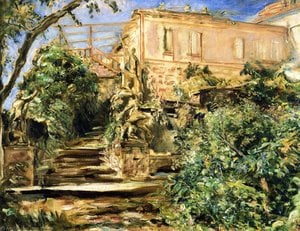
Summer House Garden (1912) by მაქს სლევოგი
#78

Summer House Garden

1912

The Summer House Garden painting, created in 1912 by renowned German artist Max Slevogt, is a stunning representation of Impressionist art. This beautiful piece measures 62 x 77…

Order a reproduction →
Palatinate Landscape (1923) by მაქს სლევოგი
#81

Palatinate Landscape

1923

In the quietude of 1923, Max Slevogt captured a moment that transcends time in his masterpiece, Palatinate Landscape. This evocative oil on canvas is far more than a…

Order a reproduction →
Palatinate Landscape (1921) by მაქს სლევოგი
#85

Palatinate Landscape

1921 · შტატლიხე კუნსტჰალე

Max Slevogt's 1921 painting, “Palatinate Landscape,” isn’t merely a depiction of a forest; it’s an immersion into the heart of German Impressionism and a poignant reflection on the…

Order a reproduction →
Garden Steps in Neukastel (1916) by მაქს სლევოგი
#86

Garden Steps in Neukastel

1916

The Max Slevogt painting, Garden Steps in Neukastel, is a beautiful depiction of a serene garden setting. Created in 1916, this oil on canvas piece is a prime…

Bring it home →
Landscape at Godramstein - Clouds Passing (1910) by მაქს სლევოგი
#88

Landscape at Godramstein - Clouds Passing

1910 · ლაიფციგის изобразительного искусства მუზეუმი

A Moment Frozen in Time: Exploring Max Slevogt’s Landscape at Godramstein The painting “Landscape at Godramstein – Clouds Passing,” executed by Max Slevogt in 1910, isn't merely a…

Order a reproduction →
Grape Harvest at Neukastel (1916) by მაქს სლევოგი
#97

Grape Harvest at Neukastel

1916 · Folkwang-ის მუზეუმი

Max Slevogt's "Grape Harvest at Neukastel," painted in 1916, isn’t merely a depiction of agricultural labor; it’s a vibrant distillation of the German Impressionist spirit – a fleeting…

Commission a hand-painted copy →

მაქს სლევოგი's paintings by period

The subjects მაქს სლევოგი painted most

The four subjects that return most often among these masterpieces, with the finest example of each.

Where to see მაქს სლევოგი's paintings

The 8 museums that hold the most of the paintings on this page.

Museum City Works by მაქს სლევოგი Paintings from this list
ბავარიის სახელმწიფო ფერწერის კოლექციები, მუნხენიბავარიის სახელმწიფო ფერწერის კოლექციები მუნხენი 18 Prince Regent Luitpold in the Ermine Cloak, Theater Curtain, Angela von Tschudi
Staatliche Kunstsammlungen Dresden, დრეზდენიStaatliche Kunstsammlungen Dresden დრეზდენი 6 Sudanese women, Pirates, Sandstorm in the Libyan Desert
ლენბახაუსი, მუნხენილენბახაუსი მუნხენი 5 Danae, Luise Papenhagen, Self-Portrait with Black Hat
Alte Nationalgalerie, ბერლინიAlte Nationalgalerie ბერლინი 4 The Singer Francisco d'Andrade as Don Giovanni in Mozart's Opera, Frau Voll mit Tochter, Requiem for the St. Georgsknights
National Museum in Warsaw, ვარშავაNational Museum in Warsaw ვარშავა 3 Faun and a girl, Grape harvest., Landscape with a view of Landau
ვესტფალის სახელმწიფო მუზეუმი, მუნსტერივესტფალის სახელმწიფო მუზეუმი მუნსტერი 3 Man on a Forest Path, Flower Garden I in Neu Cladow, Still life with Melon
შტედელის მუზეუმი, ფრანკფურტიშტედელის მუზეუმი ფრანკფურტი 2 Lady Adventure, Blossoming Lilac
მუზეუმი კუნსტპალასტი, დუსლდორფიმუზეუმი კუნსტპალასტი დუსლდორფი 2 Female Nude from the Back, Neukastel - View of the Madenburg

მაქს სლევოგი's most famous painting of each decade

  1. 1890s
    Frau Voll mit Tochter (1895) by მაქს სლევოგი
    #3 of 100

    Frau Voll mit Tochter

    Age 22 – 31 · Alte Nationalgalerie

    Two figures emerge from a heavy, indistinct darkness. On the left, a woman gazes outward with a weary, solemn expression, her face etched with subtle shadows and fine…

  2. 1900s
    Prince Regent Luitpold in the Ermine Cloak (1908) by მაქს სლევოგი
    #4 of 100

    Prince Regent Luitpold in the Ermine Cloak

    Age 32 – 41 · ბავარიის სახელმწიფო ფერწერის კოლექციები

    In this 1908 oil on canvas, an elderly man, identified as Prince Regent Luitpold, is positioned against a dark, undifferentiated background. The subject is rendered in a vertical…

  3. 1910s
    The Quarry at Albersweiler (1912) by მაქს სლევოგი
    Rank 1 / 100

    The Quarry at Albersweiler

    Age 42 – 51

    A Glimpse into Industrial Transformation: Max Slevogt’s *The Quarry at Albersweiler* (1912) Max Slevogt's *The Quarry at Albersweiler*, painted in 1912, is more than just a landscape; it’s…

  4. 1920s
  5. 1930s
    Theater Curtain (1931) by მაქს სლევოგი
    #6 of 100

    Theater Curtain

    Age 62 – 64 · ბავარიის სახელმწიფო ფერწერის კოლექციები

    The composition presents a formal, pyramidal arrangement of a multi-generational family, captured in a moment of staged stillness. Subjects are organized into two distinct rows: a seated group…

Questions about მაქს სლევოგი's paintings

What is მაქს სლევოგი's most famous painting?Show the answer

The Quarry at Albersweiler (1912). Next come The Singer Francisco d'Andrade as Don Giovanni in Mozart's Opera (1912) and Frau Voll mit Tochter (1895).

How old was მაქს სლევოგი when The Quarry at Albersweiler was painted?Show the answer

44 years old: The Quarry at Albersweiler dates from 1912 and მაქს სლევოგი was born in 1868.

What are the top 10 paintings by მაქს სლევოგი?Show the answer

The Quarry at Albersweiler, The Singer Francisco d'Andrade as Don Giovanni in Mozart's Opera, Frau Voll mit Tochter, Prince Regent Luitpold in the Ermine Cloak, Requiem for the St. Georgsknights, Theater Curtain, Lady Adventure, Angela von Tschudi, Sailboats on the Alster River in the Evening and Scheherazade (Telling the Stories from 1001 Nights to the Caliph). The ranking above gives the year and the museum of each.

How many paintings did მაქს სლევოგი make?Show the answer

Our catalogue lists 102 works by მაქს სლევოგი, dated from 1893 to 1931.

Where are მაქს სლევოგი's most famous paintings?Show the answer

Most of them are in ბავარიის სახელმწიფო ფერწერის კოლექციები (მუნხენი), Staatliche Kunstsammlungen Dresden (დრეზდენი) and ლენბახაუსი (მუნხენი). The table above lists the museums one by one.

When did მაქს სლევოგი paint the most famous works?Show the answer

In 1910s: 33 of the 100 works on this page date from then, among them The Quarry at Albersweiler.

What are მაქს სლევოგი's earliest and latest famous paintings?Show the answer

The earliest on this page is Red Arbor with Thundercounds (1893), the latest Theater Curtain (1931).

What did მაქს სლევოგი paint most often?Show the answer

Landscape (11), People (6) and Gardens and parks (5), among the 100 works on this page.

What medium did მაქს სლევოგი use most?Show the answer

Oil On Canvas: 15 of the 100 works on this page.

Which art movement does მაქს სლევოგი belong to?Show the answer

Impressionism, as the paintings on this page show.

Which მაქს სლევოგი paintings can I see at the ბავარიის სახელმწიფო ფერწერის კოლექციები?Show the answer

Prince Regent Luitpold in the Ermine Cloak, Theater Curtain and Angela von Tschudi are among the 18 works on this page held by the ბავარიის სახელმწიფო ფერწერის კოლექციები, მუნხენი.

Can I buy a reproduction of a მაქს სლევოგი painting?Show the answer

Yes. Every painting on this page can be ordered as a museum-quality, hand-painted oil reproduction or a fine art print, in the size you choose, from the painting's own page.

About მაქს სლევოგი

მაქს სლევოგის მანათობელი მემკვიდრეობა

მაქს სლევოგი გერმანული იმპრესიონისტული ფერწერის ქვაკუთხედად აღიარებულია, რომელიც ცნობილი იყო პეიზაჟების ოსტატური გადმოცემით და ბუნების წარმავალი სილამაზის გასაჭერად არაჩვეულებრივი მგრძნობელობით. 1868 წელს, ბავარიაში, ლანდშუტში დაბადებულმა, მან დაიწყო ისეთი შემოქმედებითი გზა, რომლის განმავლობაშიც მისი ნამუშევრები მუქი, აკადემიური ტონალური ესკიზებიდან სინათლითა და ფერით აღვსილ ცოცხალ ტილოებად გარდაიქმნა — ეს სტილისტური ტრანსფორმაცია იმ ეპოქის უფრო ფართო მოძრაობის სიმბოლო იყო, რომელმაც საუკუნეების მიჯნაზე ევროპული ხელოვნება რესტრუქტურირება მოახდინა. მისი ადრეული წლები მიუნხენის აკადემიაში ჩატარდა, სადაც თავდაპირველად იმ დროის გაბატონებული აკადემიური სტილის გავლენით უფრო მუქ პალიტრებსა და ტექნიკებს იკვლევდა.

თუმცა, 1889 წლის გადამწყვეტმა ვიზიტმა პარიზში მის შემოქმედებით სულში ღრმა ტრანსფორმაცია გამოიწვია. ედუარდ მანეს მსგავსი დიდოსტატების მიერ დადგენილ რევოლუციურ იდეებთან შეხება სლევოგის ხედვას უფრო თამამი მიდგომისკენ უბიძგებდა, რომელიც პრიორიტეტს ბუნებრივი სამყაროს პირდაპირ დაკვირვებას ანიჭებდა. ამ შეხვედრამ ფრანგ ავიარგარდთან სიცოცხლე შთასუნთქა მის ფუნჯის დარტყმებს, რაც მას plein air (ღია ცის ქვეშ) ფერწერის მიღებასა და პეიზაჟზე სინათლის ეფემერული თამაშით ტკბობისკენ უბიძგებდა. მისი ნამუშევრები ატმოსფერული სიცოცხლით დაიწყო დ pulsations, რაც სტუდიური, მკაცრი კომპოზიციებიდან რეალობასთან უფრო სპონტანურ და სენსორულ კავშირზე გადასვლას ნიშნავდა.

სინათლისა და პეიზაჟის ოსტატობა

მიუხედავად იმისა, რომ სლევოგის პროლიფური შემოქმედება მოიცავდა სხვადასხვა ჟანრს, მათ შორის ილუსტრაციას, პორტრეტსა და ჟანრულ სცენებს, მის დიდებულ შემოქმედებაში პეიზაჟები მუდმივად დომინირებდა. იგი განსაკუთრებული სახელი მოიპოვა ბავარიის ალპური რეგიონების, განსაკუთრებით კი ნეუკასტელის ემოციური გამოსახულებებით, რომელიც მისი მთელი ცხოვრებისეული სახლი და შთაგონების მარადიული წყარო გახდა. მისი ტილოები ცნობილია სინათლისა და ჩრდილის ნატიფი ნიუანსების გადმოცემის უნარით, რაც ტექსტურისა და ფერისადმი მეტiculous (ულევადმიანი) ყურადღებას მოითხოვს და მას თანამედროვეთებისგან გამოარჩევს.

მომხატვრის ტექნიკური ევოლუცია რამდენიმე საკვანძო მახასიათებლით არის აღსანიშნავი:

  • დინამიკური ფუნჯის დარტყმები: გადასვლა კონტროლირებადი, აკადემიური შტრიხებიდან უფრო დენადი და ენერგიული საღებავის გამოყენებისკენ.
  • ქრომატული ბრწყინვალება: მზის სინათლის სითბოსა და ბინდბუნდობის სიგრილის გადმოსაცემად უფრო მკვეთრი პალიტრის გამოყენების ზრდა.
  • ატმოსფერული სიღრმე: რბილი კიდეებისა და სინათლის დიფუზიის გამოყენება სცენაში ტენიანობის, ნისლისა და ჰაერის შეგრძნების აღსადგენად.

მისი პეიზაჟების მშვიდი სილამაზის მიღმა, სლევოგს ადამიანური ისტორიის სიმძიმის ასახვის საოცარი უნარი ჰქონდა. მისი გვიანდელი ნამუშევრები ასახავს სამყაროსთან უფრო ღრმა და სევდიან კავშირს, რაც მოიცავს ეგვიპტისა და პირველი მსოფლიო ომის შემზარავი ужаსლების ემოციურ აღწერას. ამგვარი უნარი, იდეალურიდან ღრმესკენ გადასვლა, წარმოაჩენს იმ ემოციურ დიაპაზონს, რაც მის დიდებულებას განსაზღვრავს.

კულტურული გავლენა და ისტორიული მნიშვნელობა

გარდა ინდივიდუალური შემოქმედებითი მიღწევებისა, სლევოგის მონაწილეობამ კულტურულ ინსტიტუტებში კიდევ უფრო განამტკიცა მისი პოზიცია ვეიმარის გერმანიის ინტელექტუალურ ლანდშაფტში. როგორც ბერლინის სესესიის და პრუსიის ხელოვნების აკადემიის გამოჩენილი წევრი, იგი ეპოქის ყველაზე მნიშვნელოვანი ესთეტიკური დებატების ეპიცენტრში იმყოფებოდა. მან მიიღო ავანგარდის სული, თუმცა შეინარჩუნა ერთგულება ტრადიციული სახელოვნებო პრინციპებისადმი, რამაც მას საშუალება მისცა, ხიდი დაედო კლასიკურ მომზადებასა და თანამედროვე ინოვაციებს შორის.

მისი მრავალფეროვნება სცენურ ხელოვნებაშიც კი ვლინდებოდა; აღსანიშნავია, რომ მან შექმნა დეკორაციები მოცარტის Don Giovanni-სთვის, რაც წარმოაჩენდა მისი უნარს, მხატვრული ხედვა თეატრალურ სივრცეში გადაეტანა. ჟურნალებში, როგორიცაა Simplicissimus და გერმანულ იმპრესიონიზმზე მისი წარუვალი გავლენა, მაქს სლევოგმა დატოვა გარდაუვალი კვალი ხელოვნების ისტორიაში. იგი რჩება აღიარებულ ფიგურად, რომლის შემოქმედებაც დღემდე ეხმიანება ყველას, ვისაც სინათლისა, ფერისა და ბუნების მარადიული სულის თამაში ატკენინებს.

All 102 works by მაქს სლევოგი →