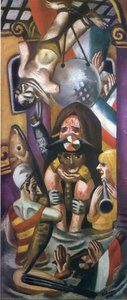
მაქს ბეკმანი, 1884 – 1950

მაქს ბეკმანი: 100 ყველაზე ცნობილი ნახატი

მხედართ Główny (1919) არის მაქს ბეკმანი-ის ყველაზე ცნობილი ნამუშწარო, რომელიც Duesseldorf-ში მდებარე Kunstsammlung Nordrhein-Westfalen-ში ინახება. დიდი სცენა ტიტანებისთვის (1906) და ფრანკფურტის რკინის ხიდი (ხედი) (1922) შემდეგი ორი ნაწარმოებია, რომლებიც მსოფლიოში ყველაზე ცნობილია. ჩვენს კატალოგში არსებული მაქს ბეკმანი-ის 401 ნამუშწაროსგან, წარმოგიდგენთ 100 ყველაზე პოპულარულ ნתარს, რომლებსაც კოლექციონერები და მუზეუმის სტუმრები ყველაზე ხშირად იკვირვებენ; მოცემულია თითოეული მათგანის წელი, მუზეუმი და ისტორია.

რეიტინგი დადგენილია ჩვენი პოპულარობის ქულებით, რომელიც აერთიანებს თითოეული ნამუშწარების ძიების, ნახვებისა და შეკვეთების რაოდენობას. განახლებულია ოქტომბერი 2026. ამ გვერდზე წარმოდგენილი ყველა შედევრი შეგიძლიათ შეუკვეთოთ, როგორც მუზეუმის ხარისხის, ხელით შესრულებული ზეთწ후იანი რეპროდუქცია, ისე მხატვრული ბეჭდვა თქვენთვის სასურველი ზომის.

მაქს ბეკმანი პორტრეტი
მაქს ბეკმანი · 1884 – 1950
და lahir · died
1884 – 1950, ლაიფციგი
მიმდინარეობა
German expressionism
ნამუშევრები ჩვენს კატალოგში
401
ყველაზე ცნობილი
მხედართ Główny (1919)
ყველაზე მეტი ნამشევრი [at]
ბავარიის სახელმწიფო ფერწერის კოლექციები

ტოპ 10: მაქს ბეკმანი-ის ყველაზე ცნობილი ნამუშევრები

მხედართ Główny (1919) ავტორის: მაქს ბეკმანი
1

მხედართ Główny

1919 · ზეთი ტილოზე · Kunstsammlung Nordrhein-Westfalen, Duesseldorf

Макс Бекманն իր կյանքում նախապատրաստական արվեստագիտության հետ անդառաջ եկավ և զարգացավ տարբեր նշանակությունների պաշտպանությամբ։ Այս հայելքային դիտարկումը նաև բազմաթիվ նյութերի և գործի նախապատրաստական արվեստագիտության հետ կապված է։ Այդ գործը նրա կյանքում զարգացավ տարբեր նշանակությունների պաշտպանությամբ։ Այդ հայելքային դիտարկումը նաև բազմաթիվ նյութերի և գործի նախապատրաստական արվեստագիտության հետ կապված է։ Այդ հայելքային դիտարկումը նրա կյանքում զարգացավ տարբեր նշանակությունների պաշտպանությամբ։ Այդ հայելքային դիտարկումը նաև բազմաթիվ նյութերի և գործի նախապատրաստական արվեստագիտության հետ կապված է։…

დიდი სცენა ტიტანებისთვის (1906) ავტორის: მაქს ბეკმანი
2

დიდი სცენა ტიტანებისთვის

ტრფობის სცენა: მაქს ბექმანის გენიოსი და ადამიანური მდგომარეობის ასახვა მაქს ბექმანის "ტრფობის სცენა" (Große Szene der Agonie), რომელიც 1906 წელს შეიქმნა, არის გამოხატვითი ხელოვნების ნამდვილი შედევრი, რომელიც მკვეთრად წინასწარ ხედავდა მეოცე საუკუნის ხელოვნების შფოთვასა და ფსიქოლოგიურ სიღრმეს. ეს ტილო 단순ად ადამიანთა გამოსახულება არ არის; ეს არის გულისხმა არსი, რომელიც გამოხატავს آسیبჩაგრულობას, მარტვილობას და შესაძლოა, თვითონ სიკვდილსაც კი. ბექმანის ეს ნაწარმოები, თავისი შავ-თეთრი კონტრასტებითა და სიმშვიდის გარეშე ატმოსფეროთი, დამთვალიერებელს ღრმად აღძრავს…

ფრანკფურტის რკინის ხიდი (ხედი) (1922) ავტორის: მაქს ბეკმანი
3

ფრანკფურტის რკინის ხიდი (ხედი)

1922 · ზეთი ტილოზე · Kunstsammlung Nordrhein-Westfalen, Duesseldorf

მაქს ბექმანის "რკინის ხიდი (ფრანკფურტის ხედი)", რომელიც 1922 წელს შეიქმნა, არის გამორჩეული ნაწარმოები, რომელშიც გამოხატულია იმ პერიოდის ქალაქის დინამიკა და რთული სიმტკიცე. ეს ტილო, რომელიც კუბიზმის ელემენტებს ექსპრესიონიზმთან აკავშირებს, მკითხველს გადა transporting ქალაქურ სივრცეში, სადაც ინდუსტრიული პროგრესის სიმბოლო – მასიური ხიდი – დომინირებს ჰორიზონტის თავზე. ბექმანმა შესანიშნავად წარმოაჩინა იმჟამთევრად თანამედროვე ქალაქის სულისკვეთება, სადაც ტრადიციული და ინოვატორული ერთმანეთს ებრძვიან.

კოლუმბინე (1950) ავტორის: მაქს ბეკმანი
4

კოლუმბინე

1950 · ზეთი ტილოზე · Saint Louis Art Museum, Saint Louis

მაქს ბეკმანის „კოლუმბინე“ გერმანული ექსპრესიონიზმის გამორჩეული ნიმუშია, რომელიც შემოქმედებითი გზის ბოლო წლებში, 1950 წელს შეიქმნა. ეს მასშტაბური ტილო, შესრულებული ზეთით, წარმოგვიდგინებს პირს, რომელსაც თვალსახედი ნიღაბით აქვს დაფარული; მას გარს აკრავს მკვეთრი არქიტექტურული ელემენტები და დენადი ფერები. ნახატი ბეკმანის ავტოგრაფულ სტილს ასახავს, რომლისთვისაც დამახასიათებელია დეფორმირებული ფიგურები, მდიდარი სიმბოლიზმი და ემოციური ინტესივურობა.

აკტორები (1942) ავტორის: მაქს ბეკმანი
5

აკტორები

1942 · ზეთი ტილოზე

Exploring Human Condition and Society This powerful triptych by Max Beckmann captures the complex tapestry of human existence and societal roles through a vivid, emotionally charged composition. Each panel presents a dynamic scene filled with distorted figures, symbolic objects, and expressive gestures that invite viewers to reflect on themes of confinement, identity, and social interaction. Beckmann’s portrayal of human figures—some seated, others standing or behind bars—evokes a sense of tension,…

Selfportrait in tuxedo, Busch-Reisinger M (1927) ავტორის: მაქს ბეკმანი
6

Selfportrait in tuxedo, Busch-Reisinger M

1927 · Oil On Canvas

The gaze of Max Beckmann meets the viewer directly in Selfportrait in tuxedo, Busch-Reisinger M. This oil-on-canvas work, executed in 1927, captures the artist in a moment of poised, formal presence. He stands before us, a figure of quiet strength, wearing the elegant attire of a tuxedo that marks a specific era of social transition. The painting exists as a significant presence within the German Expressionism movement, embodying the tension…

Temptation (1937) ავტორის: მაქს ბეკმანი
7

Temptation

1937 · Oil On Canvas

Max Beckmann, a renowned German Expressionist painter, created his masterpiece Temptation in 1937. This oil on canvas painting is housed at the Bayerische Staatsgemäldesammlungen (Munich, Germany), and it exemplifies Beckmann's unique style and thematic exploration of human nature. The Artistic Context Beckmann was a key figure in the Expressionist movement, which emphasized subjective emotional experience. His work often drew upon historical and mythological themes to convey contemporary moral and spiritual…

Woman with Mandolin in Yellow and Red ავტორის: მაქს ბეკმანი
8

Woman with Mandolin in Yellow and Red

The oil on canvas titled Woman with Mandolin in Yellow and Red is a work by Max Beckmann. Created in 1950, the painting carries the artist's signature in the bottom right corner. The inscription reads Beckmann NY 50 in Latin script.

The argonauts (1950) ავტორის: მაქს ბეკმანი
9

The argonauts

1950 · Oil On Canvas

The artwork is a triptych titled The Argonauts, created between 1949 and 1950. The composition features a middle panel containing several figures: the poet Orpheus is positioned at the center, with Jason located at his right and the sea god Glaucus at his left. The painting depicts a variety of people in different positions, including individuals who are standing, sitting, or lying down. The scene includes at least 12 people,…

Temptation (1936) ავტორის: მაქს ბეკმანი
10

Temptation

We are looking at Temptation, a significant work by Max Beckmann. Created in 1937, this oil on canvas painting is a triptych, a format that allows the artist to structure a complex narrative across three distinct panels. The work is a definitive example of German Expressionism within the Modern era.

მაქს ბეკმანი-ის რეიტინგის დანარჩენი ნაწილი, 11-დან 100-მდე

Hotel de l’Ambre (1949) ავტორის: მაქს ბეკმანი
#36

Hotel de l’Ambre

1949 · ბავარიის სახელმწიფო ფერწერის კოლექციები

A dense, claustrophobic composition defines this 1949 oil on canvas, where architectural fragments collide in a shallow, flattened space. Dark vertical elements frame a central, chaotic void, suggesting…

შეუკვეთეთ რეპროდუქცია →

მაქს ბეკმანი-ის შემოქმედება პერიოდების მიხედვით

თემატიკა, რომელსაც მაქს ბეკმანი ყველაზე ხშირად ხატავდა

ამ შედევრებს შორის ყველაზე ხშირადმომხატნავი ოთხი თემა და თითოეული მათგანის საუკეთესო მაგალითი.

სად ნახოთ მაქს ბეკმანი-ის ნახატები

ამ გვერდზე წარმოდგენილი მხატვრობის შედეგების უმეტესობას 8 მუზეუმი ინახავს.

მუზეუმი ქალაქი მაქს ბეკმანი შემოქმედებაలు ამ სიიდან მოპოვებული ნახატები
ბავარიის სახელმწიფო ფერწერის კოლექციები, მუნხენიბავარიის სახელმწიფო ფერწერის კოლექციები მუნხენი 39 დიდი სცენა ტიტანებისთვის, Woman with Mandolin in Yellow and Red, Temptation
შტედელის მუზეუმი, ფრანკფურტიშტედელის მუზეუმი ფრანკფურტი 18 Portrait of Carl Couple, The Circus Carriage, Sinagoga
Saint Louis Art Museum, Saint LouisSaint Louis Art Museum Saint Louis 39 კოლუმბინე, Portrait of Edie Rickey, Fisherwomen
National Gallery of Art, ვაშინგტონიNational Gallery of Art ვაშინგტონი 8 Bathing Scene (The Green Cloak), Christ in Limbo, The Argonauts: Music
თისენ-ბორნემიმზას მუზეუმი, მადრიდითისენ-ბორნემიმზას მუზეუმი მადრიდი 4 Leave-Taking, Still life with yellow roses, Self-Portrait with Raised Hand
Kunstsammlung Nordrhein-Westfalen, DuesseldorfKunstsammlung Nordrhein-Westfalen Duesseldorf 3 მხედართ Główny, ფრანკფურტის რკინის ხიდი (ხედი), Cabins
MOMA - მოდერნ არტის მუზეუმი, ნიუ-იორკიMOMA - მოდერნ არტის მუზეუმი ნიუ-იორკი 5 Family Picture, Departure: The Castle
კუნსტჰალე ბრემენი, ბრემენიკუნსტჰალე ბრემენი ბრემენი 4 Apachentanz, Lady in gray cap

მაქს ბეკმანი ათწლეულების განმავლობაში: ერთი შედევრი თითოეულთვის

  1. 1890s
    Self-portrait (1899) ავტორის: მაქს ბეკმანი
    ნომერი 68 100-დან

    Self-portrait

    나س, 6 – 15 წელი
  2. 1900s
    დიდი სცენა ტიტანებისთვის (1906) ავტორის: მაქს ბეკმანი
    2 100-დან

    დიდი სცენა ტიტანებისთვის

    나س, 16 – 25 წელი · ბავარიის სახელმწიფო ფერწერის კოლექციები

    ტრფობის სცენა: მაქს ბექმანის გენიოსი და ადამიანური მდგომარეობის ასახვა მაქს ბექმანის "ტრფობის სცენა" (Große Szene der Agonie), რომელიც 1906 წელს შეიქმნა, არის გამოხატვითი ხელოვნების ნამდვილი შედევრი, რომელიც მკვეთრად…

  3. 1910s
    მხედართ Główny (1919) ავტორის: მაქს ბეკმანი
    ნომერი 1 100-დან

    მხედართ Główny

    나س, 26 – 35 წელი · Kunstsammlung Nordrhein-Westfalen

    Макс Бекманն իր կյանքում նախապատրաստական արվեստագիտության հետ անդառաջ եկավ և զարգացավ տարբեր նշանակությունների պաշտպանությամբ։ Այս հայելքային դիտարկումը նաև բազմաթիվ նյութերի և գործի նախապատրաստական արվեստագիտության հետ կապված է։ Այդ…

  4. 1920s
    ფრანკფურტის რკინის ხიდი (ხედი) (1922) ავტორის: მაქს ბეკმანი
    3 100-დან

    ფრანკფურტის რკინის ხიდი (ხედი)

    나س, 36 – 45 წელი · Kunstsammlung Nordrhein-Westfalen

    მაქს ბექმანის "რკინის ხიდი (ფრანკფურტის ხედი)", რომელიც 1922 წელს შეიქმნა, არის გამორჩეული ნაწარმოები, რომელშიც გამოხატულია იმ პერიოდის ქალაქის დინამიკა და რთული სიმტკიცე. ეს ტილო, რომელიც კუბიზმის ელემენტებს ექსპრესიონიზმთან…

  5. 1930s
    Temptation (1937) ავტორის: მაქს ბეკმანი
    7 100-დან

    Temptation

    나س, 46 – 55 წელი

    Max Beckmann, a renowned German Expressionist painter, created his masterpiece Temptation in 1937. This oil on canvas painting is housed at the Bayerische Staatsgemäldesammlungen (Munich, Germany), and it…

  6. 1940s
    აკტორები (1942) ავტორის: მაქს ბეკმანი
    ნომერი 5 100-დან

    აკტორები

    나س, 56 – 65 წელი

    Exploring Human Condition and Society This powerful triptych by Max Beckmann captures the complex tapestry of human existence and societal roles through a vivid, emotionally charged composition. Each…

  7. 1950s
    კოლუმბინე (1950) ავტორის: მაქს ბეკმანი
    4 100-დან

    კოლუმბინე

    나س 66 წელი · Saint Louis Art Museum

    მაქს ბეკმანის „კოლუმბინე“ გერმანული ექსპრესიონიზმის გამორჩეული ნიმუშია, რომელიც შემოქმედებითი გზის ბოლო წლებში, 1950 წელს შეიქმნა. ეს მასშტაბური ტილო, შესრულებული ზეთით, წარმოგვიდგინებს პირს, რომელსაც თვალსახედი ნიღაბით აქვს დაფარული; მას…

მაქს ბეკმანი-ის ნახატები: ხშირად დასმული შეკითხვები

რა არის მაქს ბეკმანი-ის ყველაზე ცნობილი ნამუშწაროებიდან?აჩვენეთ პასუხი

მხედართ Główny (1919), Kunstsammlung Nordrhein-Westfalen, Duesseldorf. შემდეგ მოჰყვება დიდი სცენა ტიტანებისთვის (1906) და ფრანკფურტის რკინის ხიდი (ხედი) (1922).

რა ასაკში დახატა მაქს ბეკმანი-მა მხედართ Główny?აჩვენეთ პასუხი

35 წლის: მხედართ Główny შექმნილია 1919 წელს, ხოლო მაქს ბეკმანი დაიბადა 1884 წელს.

რომელია მაქს ბეკმანი-ის 10 ყველაზე ცნობილი ნამი?აჩვენეთ პასუხი

მხედართ Główny, დიდი სცენა ტიტანებისთვის, ფრანკფურტის რკინის ხიდი (ხედი), კოლუმბინე, აკტორები, Selfportrait in tuxedo, Busch-Reisinger M, Temptation, Woman with Mandolin in Yellow and Red, The argonauts და Temptation. ზემოთ მოცემული რეიტინგი მიუთითებს თითოეულის შექმნის წელსა და მუზეუმს.

რამდენი ნამუშწაროებაა მაქს ბეკმანი-ის?აჩვენეთ პასუხი

ჩვენს კატალოგში წარმოდგენილია 401 ნამشევრი მაქს ბეკმანი-ის შემოქმედები, დათარიღებული 1899-დან 1950-მდე.

სად შემიძლია ყველაზე ცნობილი მაქს ბეკმანი ტილოების ნახვა?აჩვენეთ პასუხი

მათგან უმეტესობა ბავარიის სახელმწიფო ფერწერის კოლექციები (მუნხენი), შტედელის მუზეუმი (ფრანკფურტი) და Saint Louis Art Museum (Saint Louis)-ში მდებარეობს. ზემოთ მოცემულ ცხრილში მუზეუმები დალაგებულია სათითაოდ.

რა პერიოდში შექმნა მაქს ბეკმანი-მა ყველაზე ცნობილი ნამუშევრები?აჩვენეთ პასუხი

1930s-ში: ამ გვერდზე წარმოდგენილი 100 ნამსთქედან 22 შექმნილია ამ პერიოდში, მათ შორის Temptation.

რა არის მაქს ბეკმანი-ის ყველაზე ადრეული ცნობილი ნამუშწარებიდან და ყველაზე ბოლო?აჩვენეთ პასუხი

ამ გვერდზე ყველაზე ადრეული არის Self-portrait (1899), ხოლო ყველაზე გვიანდელი — კოლუმბინე (1950).

რა თემებს ხატავდა მაქს ბეკმანი?აჩვენეთ პასუხი

Woman (17), Man (15) და People (14), ამ გვერდზე წარმოდგენილი 100 ნამუშწაროდან.

რა ტილოსა და რა მასალებით ხატავდა მაქს ბეკმანი?აჩვენეთ პასუხი

Oil On Canvas: 42 100 ნამუშწაროსგან ამ გვერდზე.

მაქს ბეკმანი-ის შემოქმედება რომელ ხელოვნების მიმართულებას მიეკუთვნება?აჩვენეთ პასუხი

German expressionism, როგორც ამ გვერდზე წარმოდგენილი სურათები აჩვენებს.

რა ტიპის მაქს ბეკმანი ტილოებს ინახავს ბავარიის სახელმწიფო ფერწერის კოლექციები?აჩვენეთ პასუხი

დიდი სცენა ტიტანებისთვის, Woman with Mandolin in Yellow and Red და Temptation არის 17 ნამუშწარwerksიდან ერთ-ერთი, რომელიც ამ გვერდზე ბავარიის სახელმწიფო ფერწერის კოლექციები, მუნხენი-ის მფლობელობაშია.

სად შემიძლია მაქს ბეკმანი-ის რეპროდუქციის შეძენა?აჩვენეთ პასუხი

დიახ. ამ გვერდზე წარმოდგენილი ყველა სურათის შეკვეთა შესაძლებელია მუზეუმის ხარისხის, ხელით შესრულებული ზეთისებრი რეპროდუქცია ან მხატვრული ბეჭდვა თქვენთვის სასურველი ზომით, სურათის საკუთარი გვერდიდან.

მაქს ბეკმანი: ბიოგრაფია

The Life and Art of Max Beckmann

Max Beckmann was a man of many disciplines, working as a painter, draftsman, printmaker, sculptor, and writer. He entered the world on February 12, 1884, in Leipzig, Saxony. He grew up in an upper-middle-class family as the youngest of three children. His early years were shaped by the quiet stability of his home until 1894, when his father, Carl Beckmann, a grain merchant, passed away. His mother, Antoine Beckmann, remained a central figure in his life as he began to find his way through the complexities of modern existence.

His work often felt like a confrontation with the reality of the human condition. He did not merely paint scenes; he captured the tension of a changing era through a variety of mediums. His output was vast, ranging from large-scale canvases to intimate prints. He was a man who sought to articulate the weight of history through his hands, often using the tools of his trade to process the shifting landscapes of the twentieth century.

Early Life and Artistic Training

Born into a middle-class family in Leipzig, Germany, Max Beckmann showed an early inclination toward drawing. His initial sketches revealed a precocious talent that hinted at the depth of his later work. During these formative years, he sought out the rigor of the old traditions, training in a conservative academic style that emphasized technical precision. This grounding in formal technique provided him with a solid foundation, even as his own spirit began to push against the boundaries of conventional methods.

As he matured, Beckmann found himself drawn to the Old Masters. He spent much of his time studying their compositions and mastery of form, a fascination that would eventually help him develop a strikingly original style. He was not content with mere imitation; instead, he used the lessons of the past to build a personal visual language. This period of study was marked by a tension between his academic training and a growing desire to express something more profound and less structured.

By 1912, he was already tackling ambitious subjects that required a command of large-scale composition. One such work was his painting of The Sinking of the Titanic, a piece that demonstrated his ability to handle complex, dramatic narratives. At this stage, his work was characterized by academically correct depictions, focusing on the weight and presence of figures within a defined space. He was a history painter at heart, using the grand scale of the past to explore the human condition through a lens of structured, deliberate form.

Experiences During World War I

The outbreak of World War I brought a sudden, violent end to Beckmann's academic training. He did not remain a bystander to the conflict; instead, he volunteered to serve in the medical corps. Working as a medical orderly, he was thrust into the direct reality of human suffering. The clinical, structured world of his early training was replaced by the chaotic and harrowing conditions of the front lines.

The strain of this service eventually became too much to bear. While stationed on the Belgian front, the weight of the war's devastation led to a nervous breakdown. He was discharged from the military in 1915, returning to a life that had been fundamentally altered by what he had witnessed. The horrors he saw during his time in the medical corps ignited a radical shift in his vision. The academic precision of his youth gave way to a new way of seeing, one that reflected a fractured and troubled humanity.

Artistic Style and Technique

Beckmann’s visual language was built from a tension between tradition and a restless, modern impulse. He looked back to the Old Masters, finding a foundation in the works of Rembrandt and Rubens, while also drawing from the structured forms of Cézanne and the emotive brushwork of Van Gogh. His compositions often felt crowded and compressed, utilizing shallow space and dark, heavy outlines to push his subjects toward the viewer. This technique created a sense of claustrophobia, as if the figures were trapped within the frame. He frequently paired this distorted figuration with a brutal realism, using his canvases to offer sharp social criticism of the world around him.

The physical application of paint was central to his expressive power. He favored a masterful impasto technique, applying the medium in thick, gestural brushstrokes that gave his surfaces a palpable, heavy weight. This texture added a sense of urgency to his depictions of human struggle. His interests were not limited to the Western tradition; he also found inspiration in the unsettling, symbolic narratives of Northern European artists like Bosch, Bruegel, and Matthias Grünewald. By blending these influences, he developed a way of painting that felt both ancient and deeply rooted in the anxieties of the twentieth century.

The Weimar Republic and New Objectivity

During the 1920s, Beckmann found himself moving through a Germany that was struggling to find its footing. He became associated with the New Objectivity movement, a style that moved away from the inward-looking emotions of earlier years toward a more direct, often biting, look at reality. His work from this period captured the doomed nature of the Weimar Republic with a sense of acidic cynicism. He did not shy away from the chaos of the era, instead using his brush to document the tension of a society in transition.

Even when his subjects appeared light or festive, such as circus performers or social gatherings, an undercurrent of moodiness or unease often remained beneath the surface. There was a persistent sense of discomfort in his compositions. This tension was particularly evident in his graphic work. He produced several black-and-white print portfolios during these years, including the work titled Hell, which utilized the raw power of printmaking to explore the darker aspects of the human condition.

Exile in Amsterdam and the Nazi Regime

The political climate in Germany grew increasingly hostile toward Beckmann’s vision. In 1933, the rise of the Nazi regime brought direct consequences to his professional life when he was dismissed from his teaching position at the Stadel Art School in Frankfurt. His work was targeted by the authorities and included in the Degenerate Art exhibition, a move that signaled the impossibility of remaining in his homeland. Facing this mounting pressure and the threat of the regime, he chose to leave Germany behind.

Beckmann spent ten years in self-imposed exile in Amsterdam. This period was marked by the profound uncertainty of living through the Second World War. While in Amsterdam, his paintings often turned toward mythic and parabolic images, moving away from the specific realities of the world he had left behind. His art during these years reflected a sense of being unmoored from a particular time or place, focusing instead on the internal struggles of the human condition.

Life and Work in America

After years of living in exile in Amsterdam, Max Beckmann finally immigrated to America in 1947. His arrival marked a new chapter of stability, though his focus remained deeply tied to the act of creation and the sharing of his craft. He spent his first two years in the United States living in St. Louis, Missouri, where he became an active part of the local artistic community. During this time, he shared his knowledge through teaching positions at Washington University in St. Louis and the Brooklyn Museum.

The final years of his life were spent in New York, where he moved in 1949. This period was brief, lasting only until his death in 1950. Even in these concluding months, his work continued to reflect the personal and psychological depth that had characterized his entire career. His presence in the American art scene was marked by a refusal to simplify his complex visual language, even as he settled into a new home far from his German roots.

Notable and Key Artworks

Beckmann’s canvases often felt like crowded, claustrophobic rooms where the tension of the era was physically palpable. In 1919, he produced The Night, a work that captures the fragmentation of modern life through distorted figures and a sense of profound alienation. This piece reflects the societal trauma left in the wake of the Great War, using a heavy, psychological approach to depict the chaos of the post-war period. His ability to translate internal anxiety into a visual language became a defining feature of his output.

As the industrial landscape of Germany shifted, so did his focus. His 1922 painting, The Iron Bridge (View of Frankfurt), uses thick, gestural brushstrokes to depict a city in transition. The composition is anchored by the heavy, geometric silhouette of the suspension bridge, cutting through a palette of saturated earth tones and industrial grays. It captures the pulsating energy of an urban environment caught between the old world and a rapidly modernizing future.

Throughout his life, Beckmann returned to his own image, using his own face to explore the human condition. His 1938 work, Self-Portrait with Horn, shows him navigating a world of increasing uncertainty. Even in his final years, his work remained deeply personal. His Self-Portrait in Blue Jacket, painted in 1950, remains a significant part of his late period, reflecting the man he had become after his time in exile and his move to America.

Legacy and Historical Impact

Max Beckmann remains a central figure in the history of 20th-century painting. While he often resisted the labels placed upon him, his work is widely considered a cornerstone of the German Expressionism movement. He possessed a singular ability to translate the fractured psyche of a continent into a visual language that felt both deeply personal and universally understood. His paintings do not merely depict scenes; they carry an extraordinary psychological depth that forces a confrontation with the human condition.

His influence extended far beyond the borders of Germany. Even as he navigated the difficult years of exile in Amsterdam and his eventual move to the United States, his voice remained distinct. He managed to bridge the gap between traditional academic training and the radical shifts of modernism. By refusing to settle into a single movement, he carved out a space that was entirely his own, characterized by a tension between the physical world and the internal, often troubled, landscape of the mind.

Where to See His Works Today

Finding the physical traces of Beckmann's life requires traveling through the cities that shaped his exile and his later years. In Germany, the Kunstsammlung Nordrhein-Westfalen in Duesseldorf maintains a significant presence of his work, holding pieces like The Night from 1919. His presence in Europe is also felt in Zurich, where the Kunsthaus Zürich preserves his imagery. These collections offer a way to see how his vision shifted as he moved through the complexities of the early twentieth century.

For those following his path to the United States, his later life is documented in American institutions. The Metropolitan Museum of Art in New York holds works from his final years, including his 1950 Self-Portrait in Blue Jacket. The Museum of Modern Art (MoMA) also maintains his works within its permanent collection. These pieces reflect the final chapter of a man who spent his last years navigating the streets of New York.

ყველა 401 ნამუშევარი, რომელიც შემოქმედებითად ეკუთვნის მაქს ბეკმანი →