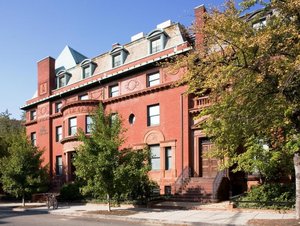
მარკ როთკო, 1903 – 1970

მარკ როთკო Paintings: The 100 Most Famous Works, Ranked

მარკ როთკო's most famous painting is თეთრი ცენტრი (1950). With №1 and ნომერი 61 (ჟანგისფერი და ლურჯი) (1953), it completes the three works everyone recognises. Our catalogue lists 477 works by მარკ როთკო; the 100 below are the ones the world looks at most, each with its year, the museum that holds it and why it matters.

Ranked by our popularity score, which combines the searches, visits and orders for each work. Updated ოქტომბერი 2026.

Portrait of მარკ როთკო
მარკ როთკო · 1903 – 1970
Born · died
1903 – 1970, დაუგავპილსი
Movement
Აბსტრაქტული ექსპრესონიზმი
Works in our catalogue
477
Most famous
თეთრი ცენტრი (1950)
Most works at
The Phillips Collection

The 10 most famous მარკ როთკო paintings

თეთრი ცენტრი (1950) by მარკ როთკო
1

თეთრი ცენტრი

1950 · ზეთი ტილოზე

მარკ როთკოს „თეთრი ცენტრი“ (1950) არის უფრო მეტი, ვიდრე უბრალოდ ტილოზე განისაზღვერილი ფერები; ეს არის გრძნობათმცრუელთა გამოცხადება, რომელიც მიწევს ჩვენს შინაგანი სამყაროს სიღრმეში და გვევლება არსებობის ძირითადი ემოციებისკენ. ამ ნაწარმოებმა, რომელსაც ხშირად ასახავენ ფეროვანი ექსპრესიონიზმის (Color Field Painting) ერთ-ერთ მთავარ მაგალითად, შეცვალა თანამედროვე ხელოვნების კურსი და დღემდე აინტერესებს მსოფლიოს მასშტაბით.

№1 by მარკ როთკო
2

№1

ზეთი ტილოზე

აბსტრაქტული ექსპრესიონიზმი თავის საუკეთესო გამოვლინებაშიამ მომხიბვლელი ნამუშევრით diri თავს აბსტრაქტული ექსპრესიონიზმის ცოცხალ სამყაროში ჩაილოვებთ. თამამი, დენადი ფორმებითა და ფერების დინამიკური ურთიერთქმედებით, ეს ნამუშევარი განასახიერებს იმ სპონტანურობასა და ემოციურ სიღრმეს, რაც ამ ჟანრის საფუტია. იგი სრულყოფილად შეესაბამება თანამედროვე სივრცეებს და ნებისმიერ ინტერიერს თანამედროვე ელეგანტურობისა და მხატვრული დახვეწილობის ელფერს სძენს. ფერადი პალიტრანამუშევრის თბილი ტონების მდიდარი პალიტრა — ღრმა წითელი, ნარინჯისფერი და ყვითელი — შეუფერხებლად ერწყმის მწვანის, ლურჯისა და თეთრის ცივ ელფერს. ეს…

ნომერი 61 (ჟანგისფერი და ლურჯი) (1953) by მარკ როთკო
3

ნომერი 61 (ჟანგისფერი და ლურჯი)

1953 · ზეთი ტილოზე

Introduction to Color Field Painting Art Movement Color Field painting is an abstract art movement that emerged in New York City during the 1940s and 1950s. It was a reaction against the gestural abstraction of Abstract Expressionism, which emphasized the artist's emotions and the act of painting itself. Instead, Color Field painters focused on creating large fields of flat, solid color spread across the canvas in an unbroken manner. About…

Orange and yellow (1956) by მარკ როთკო
4

Orange and yellow

1956 · Oil On Canvas

A Realm of Color: Experiencing Mark Rothko’s ‘Orange and Yellow’ Mark Rothko's *Orange and Yellow*, painted in 1956, is more than just an arrangement of hues; it’s a deeply resonant exploration of human emotion rendered through the language of color. This iconic work stands as a pivotal example of Color Field painting, a movement that redefined abstract art in the mid-20th century. The Birth of Color Field Painting Emerging from…

სამი by მარკ როთკო
5

სამი

აკრილი ტილოზე

ფერების სიმფონია: მარკ როთკოს „სამის“ გამოკვლევა მარკ როთკო, ამერიკული შემდგომი ომის პერიოდის ხელოვნების ევოლუციის საკვანდელი ფიგურა, თავისი 1951 წლის ნამუშევრით, „სამით“, ღრმა კონტემპლატიურ სივრცეში გვპატიჟებს. ეს ნამუშევარი არა იმის შესახებ არის, თუ *რა* არის გამოსახული, არამედ იმისა, თუ *როგორ* აღვიქვამთ მას – რაც აბსტრაქტული ექსპრესიონიზმის მოძრაობისა და როთკოს საფირმო ფეროვანი ველის (Color Field) სტილის განუყოფელი ნაწილია. მხატვარი და მისი ხედვა მარკუს იაკოვლევისჩ როთკოვიც, რომელიც ლატვიაში დაიბადა, ბავშვობაში აშშ-ში გადასახლდა. დისპლეის…

5/5 (დამთვრელე) by მარკ როთკო
6

5/5 (დამთვრელე)

ზეთი ტილოზე

მარკ როთკო – “No. 5/No. 22”: ფერის გულმომტეხი სიმფონია მარკ როთკო, ამერიკელი მხატვარი, რომელიც თავის დროზე აბსტრაქტული xuất hiệnების ერთ-ერთი ყველაზე მნიშვნელოვანი წარმომადგენელია, მისი “No. 5/No. 22” (1949-1950) ნამუშევანგით განსაკუთრებით nổi bậtა. ეს ნ tác phẩm არა მხოლოდ ფერების კომპოზიციაა, არამედ ადამიანის cảm xúcებისა და სულის სიღრმის შესწავლის მცდელობა, რომელიც უშუალოდ გამოხატავს აბსტრაქტულ ფორმებს. ამ ნამუშევანგის დღესდღეობით MoMA-ში (The Museum of Modern Art) განთავსება tiếp tục მიიზიდავს დამინახველთა ყურადღებას თავისი…

New Forms by მარკ როთკო
7

New Forms

Oil On Canvas

To stand before Mark Rothko’s “New Forms” is to enter a realm where the boundaries between the physical canvas and the human psyche begin to dissolve. As a cornerstone of the Abstract Expressionism movement, this work transcends mere pigment on fabric; it serves as a profound exploration of emotional depth through the revolutionary language of Color Field painting. Rothko, born in Latvia in 1903, carried a lifelong sensitivity to the…

ლურჯი და ნაცრისფერი (1970) by მარკ როთკო
8

ლურჯი და ნაცრისფერი

1970 · აკრილი ტილოზე · National Gallery of Art, ვაშინგტონი

მარკ როთკო, მე-20 საუკუნის ერთ-ერთი ყველაზე გავლენიანი ფიგურა ხელოვნებაში, განუყოფლად არის დაკავშირებული თავის მონუმენტურ ფეროვანი ველების (color field) ტილოებთან. ამ საკულტო ნამუშევრებს შორის, „ლურჯი და ნაცრისფერი“, რომელიც შექმნილია 1970 წელს და ამჟამად ვაშინგტონში, ეროვნულ სახელოსნებოში (National Gallery of Art) ინახება, წარმო stands როგორც ადამიანური გამოცდილების ღრმა კვლევა — ვიზუალური მედიტაცია სიკვდილზე, ჭვრეტაზე და არსებობის ფუნდამენტურ არსზე. ეს ტილო მხოლოდ ფერთა კომპოზიცია არ არის; ეს არის მოწვევა პირველყოფილი ემოციებისათვის და როთკოს…

No.3/No.13 by მარკ როთკო
9

No.3/No.13

Acrylic On Canvas

Introduction to Color Field Painting and Mark Rothko Color Field painting is an abstract art movement that emerged in New York City during the 1940s and 1950s, focusing on large fields of flat, solid color spread across the canvas. This style was a reaction against gestural abstraction, which emphasized the artist's emotions and the act of painting itself. One of the most prominent Color Field painters was Mark Rothko (Marcus…

ოთხ მﻈავეს წითალში (1958) by მარკ როთკო
10

ოთხ მﻈავეს წითალში

1958 · აკრილი ტილოზე

A Symphony of Red: Exploring Rothko’s Emotional Landscape Mark Rothko's Four Darks in Red, შექმნილია 1958 წელს, არის კულტურული მნიშვნელობის ნიმუში კოლორიტურიзму და ძლიერი გამოხატვა აბსტრაქციული xuất pressionიზმის მიერ. ეს ნ tác vụ არ არის სცენის გამოსახლება; ის *არის* cảm xúc თავად – ჩართული გამოცდილება, რომელიც ეფუძნება ფერების დახელოვნებული შერწყლია ტონალური ცვალებურობისას. ტილო უგულებთანდ არ იყენებს ტრადიციულ კომპოზიციას, წარსდგენილიაოთხი მართკუთა ფორმა განსხვავებულ ნერფებში და შავი, რომლებიც როგორც ჩანს, აერებენ და…

მარკ როთკო, paintings 11 to 100

მთვლის სურათი by მარკ როთკო
#11

მთვლის სურათი

Mark Rothko's ‘Autumn’ isn’t merely a depiction of the season; it’s an invitation to delve into the profound depths of emotion through the simplest possible visual language. Created…

Green and Tangerine on Red (1956) by მარკ როთკო
#12

Green and Tangerine on Red

1956

Mark Rothko's *Green and Tangerine on Red*, painted in 1956, isn’t merely a painting; it’s an immersion. Born Markus Yakovlevich Rothkowitz in Dvinsk, Latvia, in 1903, his early…

Slow Swirl at the Edge of the Sea (1944) by მარკ როთკო
#13

Slow Swirl at the Edge of the Sea

1944

Mark Rothko’s *Slow Swirl at the Edge of the Sea*, painted in 1944, isn't merely a depiction of a seascape; it’s an immersion into a realm of profound…

Red and Orange by მარკ როთკო
#14

Red and Orange

Red and Orange: A Journey Through Rothko’s Emotional Landscape Mark Rothko, one of the towering figures of 20th-century art, didn't simply paint pictures; he crafted portals into the…

№10 (1950) by მარკ როთკო
#15

№10

1950

The painting’s genesis lies within Rothko’s exploration of existential themes, reflecting his preoccupation with mortality and spirituality. Influenced by thinkers like Søren Kierkegaard and Friedrich Nietzsche, Rothko sought…

Earth ^ Green (1955) by მარკ როთკო
#16

Earth ^ Green

1955

In the quiet, profound depths of Mark Rothko’s 1955 masterpiece, Earth & Green, one finds more than just an arrangement of pigment on canvas; one encounters a gateway…

No. 16 by მარკ როთკო
#17

No. 16

The painting features a vast expanse of cadmium yellow that dominates the canvas. This central field is punctuated by a horizontal stripe of muted pink located on the…

უტიტული (1968) by მარკ როთკო
#19

უტიტული

1968 · Kunstmuseum Den Haag

მედიტაცია ფერზე და არარსებობაზე: მარკ როთკოს უსახელო ტილოს გამოკვლევა ეს ნახატი, რომელიც უბრალოდ „უსახელოდ“ არის წოდებული, აბსტრაქტული ექსპრესიონიზმის ფუნდამენტურ პრინციპებს განასახიერებს — მოძრაობისა, რომლის მიზანიც ხელოვნების გათავისუფლება იყო…

უტიტლული (1949) by მარკ როთკო
#21

უტიტლული

1949

მარკ როთკოს „უტიტლული“, რომელიც 1949 წელს შეიქმნა, არ არის მხოლოდ ნახატი; ეს არის იმერსიული, გამჭოლი გამოცდილება. ეს ვერტიკალური ტილო ფერადი, გაჯერებული მართკოვანე და ზოლების აფეთქებაა – ბროლისფერი, ღრმა…

White Cloud over Purple by მარკ როთკო
#22

White Cloud over Purple

In the vast landscape of Abstract Expressionism, few works command the room with such quiet authority as Mark Rothko’s “White Cloud Over Purple.” Created in 1957, this masterpiece…

Man Smoking (1933) by მარკ როთკო
#23

Man Smoking

1933

In the annals of modern art, few names evoke as much profound emotion as Mark Rothko. While many remember him for his towering, luminous color fields that define…

Violet, Black, Orange, Yellow on White and Red (1949) by მარკ როთკო
#24

Violet, Black, Orange, Yellow on White and Red

1949

Exploring the Power of Color and Form This striking abstract composition captivates viewers with its bold use of geometric shapes and a vibrant, contrasting palette. Featuring large blocks…

Ochre and Red on Red (1962) by მარკ როთკო
#25

Ochre and Red on Red

1962

To stand before Mark Rothko’s “Ochre and Red on Red” is to enter a realm where language fails and pure sensation takes command. Created in 1962, this masterpiece…

Untitled (Harvard Mural sketch) 2 by მარკ როთკო
#26

Untitled (Harvard Mural sketch) 2

A Window into Rothko’s Genesis: *Untitled (Harvard Mural Sketch) 2*** This captivating canvas offers a rare glimpse into the evolving artistic vision of Mark Rothko, serving as a…

ნომერი 16 (1960) by მარკ როთკო
#28

ნომერი 16

1960 · მეტროპოლიტენის ხელოვნების მუზეუმი

ფერისა და სიცარიელის სიმფონია: მარკ როთკოს „ნომერი 16“-ის იმერსიული სამყარო იმ წამს, როდესაც ადამიანი მარკ როთკოს ნომერი 16-ის წინ დგება, დამკვირვებელსა და ტილოს შორის არსებული საზღვრები იწყებსរღვევას. 1960…

№22 (1948) by მარკ როთკო
#29

№22

1948

მარკ როთკო-ის “No. 22”, შექმნილი 1948 წელს, არ არის მხოლოდ ნ tácება; ეს არის მოწოდება კონსტიტუაციისთვის, ვიზუალურად პოემა, რომელიც შესრულებულია დაფენილი ფერებითა და ტექსტურული ზედაპირებით. მისი ზომები შეადგენს…

Green Divided by Blue by მარკ როთკო
#30

Green Divided by Blue

The painting Green Divided by Blue features two blue squares with green stripes positioned in the middle. The composition utilizes a contrast between blue and green tones, with…

უტიტლული 60 by მარკ როთკო
#31

უტიტლული 60

In the quiet contemplation of Untitled 60, the viewer is immediately drawn into a monochromatic realm where time and object collide in a striking abstract composition. At the…

Untitled (1964) by მარკ როთკო
#32

Untitled

1964

A Monument to Quietude: Exploring Rothko’s 1964 Composition This powerful abstract work by Mark Rothko, created in 1964, exemplifies the pinnacle of Color Field painting. Measuring an impressive…

Orange and Red on Red by მარკ როთკო
#33

Orange and Red on Red

A Universe Within Hues: Exploring Mark Rothko’s “Orange and Red on Red” Mark Rothko's "Orange and Red on Red" is not merely a painting; it’s an invitation into…

No. 14 by მარკ როთკო
#34

No. 14

Mark Rothko, a name synonymous with profound color fields, didn't emerge fully formed from the canvas. His artistic journey began in Daugavpils, Latvia—a city steeped in history and…

ნომერი 13 (თეთრი, წითელი ყვითელზე) (1958) by მარკ როთკო
#35

ნომერი 13 (თეთრი, წითელი ყვითელზე)

1958 · MOMA - მოდერნ არტის მუზეუმი

მარკ როთკოს „No. 13 (თეთრი, წითელი ყვითელზე)“, რომელიც 1958 წელს შეიქმნა, აბსტრაქტული ექსპრესიონიზმის ქვაკუთხედად აღიქმება — მოძრაობისა, რომელმაც რეპრეზენტაციულ გამოსახულებებზე სპონტანური ჟესტი და ემოციური რეზონანსი პრიორიტეტად აქცია. ეს…

Ფერის გულმომტეხი სიმფონია by მარკ როთკო
#36

Ფერის გულმომტეხი სიმფონია

მარკ როთკო და მისი შემოქმედება: ფერის გულმომტეხი სიმფონია მარკ როთკო იყო ამერიკელი აბსტრაქტული მხატვარი, რომელმაც საუკუნეების განმავლობაში შექმნა ფერის გულმომტეხი სიმფონია და დატოვა მნიშვნელოვანი ნიშნები ხელოვნებასა და კულტურაში.…

Personage Two (1946) by მარკ როთკო
#37

Personage Two

1946

A Glimpse into the Subconscious: Mark Rothko’s *Personage Two* (1946) Personage Two, painted in 1946, is a pivotal work by Mark Rothko during his transitional period within Abstract…

Street Scene (1937) by მარკ როთკო
#38

Street Scene

1937

In the quiet, brooding depths of Mark Rothko’s “Street Scene,” painted circa 1937, we encounter a world that feels both intimately familiar and hauntingly distant. Long before he…

بدعنوان (1970) by მარკ როთკო
#39

بدعنوان

1970 · National Gallery of Art

მარკ როთკოს „Untitled“, რომელიც 1970 წელს გაკეთდა, არ არის უბრალოდ წითლით დაფარული ტილო; ეს არის იმერსიული გამოცდილება, შექმნილი ღრმა დაფიქრების გამოსაძახებლად. დაბადებული სამყაროში, რომელიც განგაშის და დაკარგვის ნიშნებით…

No.20 (1957) by მარკ როთკო
#40

No.20

1957

Mark Rothko’s artistic journey was inextricably linked to his formative years, steeped in the anxieties and displacements of early 20th-century Eastern Europe. Born Markus Yakovlevich Rothkowitz in Dvinsk…

Ochre and Red on Red (1954) by მარკ როთკო
#41

Ochre and Red on Red

1954

In the quiet, profound realm of Abstract Expressionism, few works command the soul quite like Mark Rothko’s Ochre and Red on Red. Created in 1954, this square composition…

No.8 (1952) by მარკ როთკო
#42

No.8

1952

No.8: An Exploration of Color and Emotion Mark Rothko’s “No.8,” completed in 1952, stands as a cornerstone of Color Field painting—a movement that fundamentally altered the landscape of…

№ 21 (1949) by მარკ როთკო
#43

№ 21

1949 · MOMA - მოდერნ არტის მუზეუმი

A Window into Existential Depth: Examining Mark Rothko’s No. 21 The painting “No. 21,” created in 1949 by Mark Rothko, stands as a cornerstone of Color Field abstraction…

უტიტლული 142 by მარკ როთკო
#44

უტიტლული 142

Introduction to the Painting and its Artist Mark Rothko, born Marcus Rothkowitz in Dvinsk, Russia (now Latvia) on September 25, 1903, was a prominent figure in the Abstract…

Untitled Mural for End Wall (1959) by მარკ როთკო
#45

Untitled Mural for End Wall

1959

Mark Rothko, a titan of 20th-century art, didn’t simply paint; he orchestrated emotional landscapes. His ‘Untitled Mural for End Wall,’ created in 1959, stands as a potent distillation…

No. 1 (1961) by მარკ როთკო
#46

No. 1

1961

“No. 1” exemplifies Mark Rothko’s signature style within the Color Field painting movement, a pivotal development in abstract expressionism. This vertical composition presents a layered arrangement of rectangular…

Magenta, Black, Green on Orange by მარკ როთკო
#47

Magenta, Black, Green on Orange

Mark Rothko’s Magenta, Black, Green on Orange stands as a cornerstone of Color Field painting and Abstract Expressionism—a movement that irrevocably altered the landscape of 20th-century art.

Untitled (Harvard Mural sketch) (1962) by მარკ როთკო
#48

Untitled (Harvard Mural sketch)

1962

Mark Rothko’s “Untitled (Harvard Mural sketch)” is not merely a preparatory drawing; it's a concentrated distillation of the artist’s core philosophy – a profound exploration of human emotion…

Untitled 4 by მარკ როთკო
#49

Untitled 4

A Symphony in Color: Exploring Mark Rothko’s No. 4 The painting known simply as “No. 4” by Mark Rothko is more than just pigment on canvas; it's an…

Untitled 146 by მარკ როთკო
#50

Untitled 146

Mark Rothko’s “Untitled 146,” a deceptively simple canvas dominated by two rectangles of crimson pigment, transcends mere visual representation. It embodies the core tenets of Color Field painting—a…

Untitled (1945) by მარკ როთკო
#51

Untitled

1945

Completed in 1945, this work belongs to the early period of American Abstract Expressionism. The composition relies on a subdued palette of earthy browns and ochres, interrupted by…

Untitled (1968) by მარკ როთკო
#52

Untitled

1968

Mark Rothko's "Untitled" (1968) isn’t merely a painting; it’s an immersion into a deeply felt emotional landscape. Born Markus Yakovlevich Rothkowitz in Dvinsk, Latvia – a region steeped…

No. 2 (1964) by მარკ როთკო
#53

No. 2

1964

In the vast landscape of Abstract Expressionism, few works command the room with such quiet, monumental authority as Mark Rothko’s No. 2. Completed in 1964, this masterpiece serves…

Untitled 79 by მარკ როთკო
#54

Untitled 79

In the presence of Untitled 79, one does not merely observe a canvas; one enters a visceral landscape of heat and light. This striking work by Mark Rothko…

Black on Maroon (1959) by მარკ როთკო
#55

Black on Maroon

1959 · Tate Modern

The Weight of Absence: Exploring Mark Rothko’s ‘Black on Maroon’ The painting “Black on Maroon,” created by Mark Rothko in 1959, stands as a testament to the profound…

Untitled (1969) by მარკ როთკო
#56

Untitled

1969

In the quiet realm of 1969, Mark Rothko captured a moment of profound stillness in his masterpiece, Untitled. This work serves as a quintessential gateway into the world…

No.18 (1951) by მარკ როთკო
#57

No.18

1951

Mark Rothko’s No.18 stands as a profound testament to the enduring power of color field painting, a movement that fundamentally revolutionized artistic expression in the mid-20th century. Created…

Untitled (1948) by მარკ როთკო
#58

Untitled

1948

Mark Rothko's Untitled from 1948 is not merely a painting; it is an invitation—a silent beckoning into the realm of pure emotional resonance. Measuring 108 x 111 cm,…

No. 16 (1957) by მარკ როთკო
#59

No. 16

1957 · კანადის ეროვნული გალერეა

The canvas presents a large-scale arrangement of color fields. A vast expanse of cadmium yellow occupies the primary space of the work. On the left side, a horizontal…

Untitled (1957) by მარკ როთკო
#60

Untitled

1957

A Symphony of Color: Exploring Mark Rothko’s 1957 Untitled Painting This monumental canvas, measuring an impressive 245 x 189 cm, exemplifies the mature style of Mark Rothko, a…

Безსახელმოდებული 74 by მარკ როთკო
#61

Безსახელმოდებული 74

ისრაელის მუზეუმი

A Window into Rothko’s Inner World This captivating work by Mark Rothko (Marcus Rothkowitz) exemplifies his signature exploration of color and emotion within the Abstract Expressionist movement. Created…

Untitled (1963) by მარკ როთკო
#62

Untitled

1963

Mark Rothko's “Untitled,” painted in 1963, is not merely a canvas adorned with red; it’s an immersion into the profound anxieties and spiritual yearnings of the mid-20th century.…

Untitled (1955) by მარკ როთკო
#63

Untitled

1955

Mark Rothko's "Untitled," completed in 1955, stands as a cornerstone of Color Field painting and embodies the anxieties of its time—a testament to both personal trauma and the…

بدსახელებული ១៥ by მარკ როთკო
#64

بدსახელებული ១៥

ფერის სიმფონია: მარკ როთკოს „Untitled 15“-ის გამოკვლევა ეს მომხიბლავი ნამუშევარი მარკ როთკოვიც, სახელწოდებით „Untitled 15“, არის მისი გადამწყვეტი წვლილის შესანიშნავი მაგალითი ფერების ველის მხატვრობის განვითარებაში. მეორე მსოფლიო ომის…

No. 9 (1948) by მარკ როთკო
#66

No. 9

1948 · National Gallery of Art

A Meditation on Color and Absence: Examining Mark Rothko’s “No. 9” “No. 9,” painted in 1948, stands as a cornerstone of Abstract Expressionism and embodies the profound emotional…

No. 7 (1964) by მარკ როთკო
#67

No. 7

1964

To stand before Mark Rothko’s No. 7 is to enter a sanctuary of silence. Executed in 1964, this monumental canvas serves as a profound meditation on the weight…

Untitled (Blue Divided by Blue) (1966) by მარკ როთკო
#68

Untitled (Blue Divided by Blue)

1966

A Symphony of Blue: Exploring Mark Rothko’s Untitled (Blue Divided by Blue) Mark Rothko's "Untitled (Blue Divided by Blue)" stands as a testament to the profound power of…

Untitled (1950) by მარკ როთკო
#69

Untitled

1950

A Meditation on Color and Absence: Examining Mark Rothko’s Untitled Square The painting, simply titled “Untitled,” presents a deceptively serene visual experience—a square dominated by muted yellow and…

თეთრი მწვანეზე by მარკ როთკო
#70

თეთრი მწვანეზე

მარკ როთკო და მისი შემოქმედება: ფერის გულმომტეხი სიმფონია მარკ როთკო იყო ამერიკელი აბსტრაქტული მხატვარი, რომელმაც საუკუნეების განმავლობაში შექმნა ფერის გულმომტეხი სიმფონია და დატოვა მნიშვნელოვანი ნაწილი თავისი მემлекетისთვის ლატვიისთვის.…

Untitled (12) by მარკ როთკო
#71

Untitled (12)

In the vast landscape of Abstract Expressionism, few experiences are as intimate or as profound as standing before a canvas by Mark Rothko. Untitled (12) serves as a…

უტიტლული 14 by მარკ როთკო
#72

უტიტლული 14

For those seeking to immerse themselves in Rothko’s vision, AllPaintingsStore offers exceptional reproductions crafted by skilled artisans. Explore Mark Rothko (Marcus Rothkowitz): Untitled 14 and discover the captivating…

№37 ვ ან №19 by მარკ როთკო
#73

№37 ვ ან №19

მარკ როთკო, გამოჩნილ ფიგურა აბსტრაქტული xuấtხატის მოძრაობაში, შექმნა No. 37 or No. 19, ნახატი, რომელიც ითვლება მის ხელოვნებაлық ფილოსოფიის გრძნობად. ეს ნამუშევარი, თავისი შეంగამოცლილი და მდიდარი ფერადი არჩევნებით,…

No. 5 (1964) by მარკ როთკო
#74

No. 5

1964

Mark Rothko's "No. 5," painted in 1964, is not merely a canvas filled with color; it’s an intensely personal and profoundly moving exploration of human emotion and the…

Untitled (1941) by მარკ როთკო
#75

Untitled

1941

A Fragmented Presence The canvas presents a figure that defies simple identification, a man whose very essence seems composed of disparate, overlapping elements. One might notice how his…

Untitled (1953) by მარკ როთკო
#76

Untitled

1953 · ბილბაოს გუგენჰაიმის მუზეუმი

Exploring the Resonance of Absence: Mark Rothko’s Untitled (1953) Mark Rothko's "Untitled" stands as a cornerstone of Abstract Expressionism, embodying not merely visual aesthetics but profound explorations of…

Green and Tangerine on Red (1956) by მარკ როთკო
#77

Green and Tangerine on Red

1956 · The Phillips Collection

Two flat, rectangular shapes dominate the canvas, rendered in nearly translucent hues. A deep, resonant green and a bright tangerine occupy the upper portion of the composition, set…

Mother and Child by მარკ როთკო
#78

Mother and Child

In the vast, often turbulent landscape of modern art, few works possess the quiet, grounding intimacy found in Mark Rothko’s Mother and Child. Painted around 1934, this piece…

Antigone by მარკ როთკო
#79

Antigone

Mark Rothko's “Antigone,” a monumental work from 1960, isn’t merely a painting; it’s an immersive experience. Born in Latvia and shaped by the anxieties of his early life…

Untitled 13 by მარკ როთკო
#80

Untitled 13

A Symphony of Quietude: Exploring Mark Rothko’s ‘Untitled 13’ This captivating work, designated ‘Untitled 13’, is a quintessential example of Mark Rothko's mature style – a deeply resonant…

Untitled (1947) by მარკ როთკო
#81

Untitled

1947

A Window into the Soul: Exploring Mark Rothko’s 1947 Untitled Painting This captivating work by Mark Rothko, created in 1947, exemplifies a pivotal moment in the artist's transition…

Green and Maroon (1953) by მარკ როთკო
#82

Green and Maroon

1953 · The Phillips Collection

The canvas breathes with a heavy, quiet weight. Deep maroon fields stretch across the surface, their edges softened by layers of dark blue, red, and gray that lie…

Untitled (1945) by მარკ როთკო
#83

Untitled

1945

Three rectangular blocks of color float within the frame, their edges blurring into one another as if caught in a slow, rhythmic breath. Magenta, black, and orange dominate…

Fifteen paintings by Mark Rothko by მარკ როთკო
#85

Fifteen paintings by Mark Rothko

Fifteen Paintings by Mark Rothko Mark Rothko’s Fifteen Paintings by Mark Rothko stands as an emblem of Color Field painting—a movement that fundamentally reshaped the landscape of 20th-century…

Study for Antigone by მარკ როთკო
#86

Study for Antigone

In the quiet, evocative depths of Mark Rothko’s “Study for Antigone,” created in 1950, viewers are invited into a sanctuary of profound contemplation. This work serves as more…

Untitled 67 by მარკ როთკო
#87

Untitled 67

A Window into Rothko’s Inner World: Exploring Untitled 67 This captivating work by Mark Rothko, known simply as *Untitled 67*, is a powerful example of his signature exploration…

Horizontal Vision by მარკ როთკო
#88

Horizontal Vision

To stand before Mark Rothko’s “Horizontal Vision” is to step away from the clamor of the physical world and enter a sanctuary of pure, unadulterated emotion. Painted in…

No. 7 [or] No. 11 (1949) by მარკ როთკო
#89

No. 7 [or] No. 11

1949

No. 7 [or] No. 11 is an oil on canvas painting created by Mark Rothko in 1949. The composition features a vibrant and bold palette consisting of a…

Slow vortex at the edge of the sea by მარკ როთკო
#90

Slow vortex at the edge of the sea

To stand before Slow Vortex at the Edge of the Sea is to enter into a profound, silent dialogue with the human soul. This masterpiece, attributed to the…

Ochre and Red on Red (1954) by მარკ როთკო
#91

Ochre and Red on Red

1954 · The Phillips Collection

The composition presents a square format divided into two primary, breathing zones of color. A deep, resonant red occupies much of the surface, acting as an enveloping atmosphere.…

Untitled 7 by მარკ როთკო
#92

Untitled 7

To stand before Mark Rothko’s Untitled 7 is to enter a sanctuary of pure, unadulterated light. Created during the artist's prolific New York period between 1960 and 1961,…

Untitled (Seagram Mural sketch) (1959) by მარკ როთკო
#93

Untitled (Seagram Mural sketch)

1959

Created in 1959, Untitled (Seagram Mural sketch) is an artwork by Mark Rothko. This piece serves as a preparatory drawing for the monumental Seagram Murals commissioned for the…

Untitled (1955) by მარკ როთკო
#94

Untitled

1955

The Somber Resonance of Color Field Painting: An Exploration of Mark Rothko’s Untitled Mark Rothko's "Untitled," measuring 151 x 126 cm, stands as a cornerstone of Abstract Expressionism…

Untitled (Seagram Mural sketch) (1958) by მარკ როთკო
#95

Untitled (Seagram Mural sketch)

1958

The canvas holds a heavy, singular weight. A deep red expanse dominates the surface, thick with the presence of pigment. At its center, a white hole breaks the…

Untitled 133 by მარკ როთკო
#96

Untitled 133

The Weight of Silence: An Encounter with Untitled 133 To stand before Mark Rothko’s Untitled 133 is to enter a realm where language fails and only pure sensation…

Untitled (Seagram Mural) by მარკ როთკო
#97

Untitled (Seagram Mural)

To stand before Untitled (Seagram Mural) is to enter into a profound, silent dialogue with the human soul. Created in 1959, this monumental work stands as a testament…

Entombment II by მარკ როთკო
#98

Entombment II

Mark Rothko's Entombment II isn’t a painting that immediately shouts for attention. It doesn’t demand to be deciphered with a quick glance. Instead, it invites a prolonged engagement,…

Untitled (Harvard Mural sketch) 3 by მარკ როთკო
#99

Untitled (Harvard Mural sketch) 3

A Study in Crimson: Exploring Rothko’s ‘Untitled (Harvard Mural sketch) 3’ This captivating work by Mark Rothko, designated ‘Untitled (Harvard Mural sketch) 3’, offers a compelling glimpse into…

Untitled (Seagram Mural sketch) (1959) by მარკ როთკო
#100

Untitled (Seagram Mural sketch)

1959

A Meditation on Color and Void: Examining Mark Rothko’s ‘Untitled (Seagram Mural sketch)’ Mark Rothko's 'Untitled (Seagram Mural sketch)' stands as a testament to the profound power of…

მარკ როთკო's paintings by period

The subjects მარკ როთკო painted most

The four subjects that return most often among these masterpieces, with the finest example of each.

Where to see მარკ როთკო's paintings

The 8 museums that hold the most of the paintings on this page.

Museum City Works by მარკ როთკო Paintings from this list
The Phillips Collection, ვაშინგტონი, დი-სიThe Phillips Collection ვაშინგტონი, დი-სი 4 Green and Tangerine on Red, Green and Maroon, Ochre and Red on Red
National Gallery of Art, ვაშინგტონიNational Gallery of Art ვაშინგტონი 3 ლურჯი და ნაცრისფერი, بدعنوان, No. 9
MOMA - მოდერნ არტის მუზეუმი, ნიუ-იორკიMOMA - მოდერნ არტის მუზეუმი ნიუ-იორკი 2 ნომერი 13 (თეთრი, წითელი ყვითელზე), № 21
მეტროპოლიტენის ხელოვნების მუზეუმი, ნიუ-იორკიმეტროპოლიტენის ხელოვნების მუზეუმი ნიუ-იორკი 2 ნომერი 16
Kunstmuseum Den Haag, ჰააგაKunstmuseum Den Haag ჰააგა 1 უტიტული
Tate Modern, ლონდონიTate Modern ლონდონი 1 Black on Maroon
კანადის ეროვნული გალერეა, ოტავაკანადის ეროვნული გალერეა ოტავა 1 No. 16
ისრაელის მუზეუმი, იერუსალიმიისრაელის მუზეუმი იერუსალიმი 1 Безსახელმოდებული 74

მარკ როთკო's most famous painting of each decade

  1. 1930s
    Man Smoking (1933) by მარკ როთკო
    Rank 23 / 100

    Man Smoking

    Age 27 – 36

    In the annals of modern art, few names evoke as much profound emotion as Mark Rothko. While many remember him for his towering, luminous color fields that define…

  2. 1940s
    Slow Swirl at the Edge of the Sea (1944) by მარკ როთკო
    No. 13 of 100

    Slow Swirl at the Edge of the Sea

    Age 37 – 46

    Mark Rothko’s *Slow Swirl at the Edge of the Sea*, painted in 1944, isn't merely a depiction of a seascape; it’s an immersion into a realm of profound…

  3. 1950s
    თეთრი ცენტრი (1950) by მარკ როთკო
    #1 of 100

    თეთრი ცენტრი

    Age 47 – 56

    მარკ როთკოს „თეთრი ცენტრი“ (1950) არის უფრო მეტი, ვიდრე უბრალოდ ტილოზე განისაზღვერილი ფერები; ეს არის გრძნობათმცრუელთა გამოცხადება, რომელიც მიწევს ჩვენს შინაგანი სამყაროს სიღრმეში და გვევლება არსებობის ძირითადი ემოციებისკენ.…

  4. 1960s
    უტიტული (1968) by მარკ როთკო
    Rank 19 / 100

    უტიტული

    Age 57 – 66 · Kunstmuseum Den Haag

    მედიტაცია ფერზე და არარსებობაზე: მარკ როთკოს უსახელო ტილოს გამოკვლევა ეს ნახატი, რომელიც უბრალოდ „უსახელოდ“ არის წოდებული, აბსტრაქტული ექსპრესიონიზმის ფუნდამენტურ პრინციპებს განასახიერებს — მოძრაობისა, რომლის მიზანიც ხელოვნების გათავისუფლება იყო…

  5. 1970s
    ლურჯი და ნაცრისფერი (1970) by მარკ როთკო
    #8 of 100

    ლურჯი და ნაცრისფერი

    Age 67 · National Gallery of Art

    მარკ როთკო, მე-20 საუკუნის ერთ-ერთი ყველაზე გავლენიანი ფიგურა ხელოვნებაში, განუყოფლად არის დაკავშირებული თავის მონუმენტურ ფეროვანი ველების (color field) ტილოებთან. ამ საკულტო ნამუშევრებს შორის, „ლურჯი და ნაცრისფერი“, რომელიც შექმნილია…

Questions about მარკ როთკო's paintings

What is მარკ როთკო's most famous painting?Show the answer

თეთრი ცენტრი (1950). Next come №1 and ნომერი 61 (ჟანგისფერი და ლურჯი) (1953).

How old was მარკ როთკო when თეთრი ცენტრი was painted?Show the answer

47 years old: თეთრი ცენტრი dates from 1950 and მარკ როთკო was born in 1903.

What are the top 10 paintings by მარკ როთკო?Show the answer

თეთრი ცენტრი, №1, ნომერი 61 (ჟანგისფერი და ლურჯი), Orange and yellow, სამი, 5/5 (დამთვრელე), New Forms, ლურჯი და ნაცრისფერი, No.3/No.13 and ოთხ მﻈავეს წითალში. The ranking above gives the year and the museum of each.

How many paintings did მარკ როთკო make?Show the answer

Our catalogue lists 477 works by მარკ როთკო, dated from 1933 to 1970.

Where are მარკ როთკო's most famous paintings?Show the answer

Most of them are in The Phillips Collection (ვაშინგტონი, დი-სი), National Gallery of Art (ვაშინგტონი) and MOMA - მოდერნ არტის მუზეუმი (ნიუ-იორკი). The table above lists the museums one by one.

When did მარკ როთკო paint the most famous works?Show the answer

In 1950s: 27 of the 100 works on this page date from then, among them თეთრი ცენტრი.

What are მარკ როთკო's earliest and latest famous paintings?Show the answer

The earliest on this page is Man Smoking (1933), the latest ლურჯი და ნაცრისფერი (1970).

What did მარკ როთკო paint most often?Show the answer

Color field (29), Rothko (21) and Abstract (16), among the 100 works on this page.

What medium did მარკ როთკო use most?Show the answer

Oil On Canvas: 38 of the 100 works on this page.

Which art movement does მარკ როთკო belong to?Show the answer

Აბსტრაქტული ექსპრესონიზმი and Ფეროვანი ველის ფერწერის სტილი, as the paintings on this page show.

Which მარკ როთკო paintings can I see at the The Phillips Collection?Show the answer

Green and Tangerine on Red, Green and Maroon and Ochre and Red on Red are among the 3 works on this page held by the The Phillips Collection, ვაშინგტონი, დი-სი.

About მარკ როთკო

The Early Life of Mark Rothko

Mark Rothko was born Markus Yakovlevich Rothkowitz in 1903. He was born in Dvinsk, Russia, in a place now known as Daugavpils, Latvia. His family lived within the Pale of Settlement, a region marked by political unrest and the constant shadow of pogroms. This atmosphere of instability followed the family when they emigrated to the United States in 1913. After passing through Ellis Island, they settled in Portland, Oregon.

His father, Jacob, worked as a pharmacist. He was an intellectual man with socialist leanings who fostered a home centered on learning and debate. This environment of deep thought was interrupted by a sudden loss. Shortly after the family arrived in America, Jacob died from colon cancer. This early experience of grief and the struggle of the immigrant experience became a quiet foundation for the man he would become.

Artistic Training and Early Years in New York

The move to New York City in 1923 brought a shift in focus. After time spent at Yale University, the pull of the city led him away from formal academics. He sought out the Art Students League to refine his practice. During these early years, his brush was occupied with the tangible. He painted portraits and urban scenes, applying a careful attention to detail to the faces of people and the grit of city streets. The work was grounded in realism, capturing the physical world before the shift toward abstraction took hold.

By 1940, he made the decision to change his name to Mark Rothko. This was a period of transition, moving away from the structured representation of his youth. The focus began to drift from the recognizable objects of the city toward something less defined. He was searching for a way to express the weight of human experience without relying on the literal shapes of the world around him.

Evolution Toward Abstract Expressionism

As the 1940s progressed, the careful realism of his earlier years began to recede. The focus shifted away from the recognizable details of urban scenes and portraits. Instead, he turned toward the language of Surrealism and mythology. He used these themes to find a way to express the weight of human emotion. The paintings from this period often featured biomorphic shapes. These forms seemed to float, caught in a state of being neither fully figures nor entirely abstract.

This period marked his association with the American abstract expressionism movement. He moved away from the structured world of objects to explore something more internal. The canvases became less about what a thing looked like and more about the feeling it carried. He was searching for a way to communicate the complexities of the human condition through shape and myth.

The Development of Color Field Painting

By the late 1940s, the work began to change. He moved away from the shapes of figures and the stories of mythology, stripping away recognizable imagery to find something more direct. The canvases grew in scale, occupied by large, rectangular blocks of color that seemed to hover. These forms did not sit on the surface but appeared to exist within a shallow, breathing space. This shift marked the beginning of his mature period, a time closely linked to the emergence of Color Field painting.

The application of paint was a slow, layered process. He used thin washes of pigment to build up the surface, creating subtle shifts in tone and texture. These layers allowed light to appear as if it were coming from within the canvas itself. The edges of the colored shapes were never sharp; instead, they were blurred and soft, making the boundaries between different hues feel permeable. This method turned the canvas into a place of quiet, heavy presence.

Technique and the Language of Color

The work relies on a specific, quiet method of layering. He applied thin washes of oil paint, building up the surface through meticulous, translucent layers. This process creates a velvety texture that seems to hold light within the pigment rather than just reflecting it from the surface. Instead of sharp lines, the edges of his rectangular forms are blurred, allowing colors to bleed and hover against one another. These large blocks of color are meant to create a sense of depth, making the canvas appear to breathe.

He stripped away titles that might suggest a specific subject or narrative. Many canvases carry only simple numbers, such as No. 1 or No. 6, leaving the viewer to face the color without any preconceived ideas. This choice forces a direct encounter with the paint. He used these luminous fields to reach for specific, heavy human emotions: tragedy, ecstasy, and despair. The scale of the works is intended to envelop the person standing before them, turning the act of looking into a silent, immersive experience.

Major Commissions and Mural Projects

Rothko’s work often moved beyond the individual canvas to occupy entire rooms. He spent significant time on the Seagram murals, a series of paintings intended for a New York restaurant. He eventually decided the setting was not right for the work and donated them to the Tate Gallery in London. His interest in how color occupies a space also led to the Harvard Mural series, which was created for a dining room at the Holyoke Center.

In Houston, Texas, he left behind fourteen paintings for the Rothko Chapel. This non-denominational space contains works in varying shades of black. The paintings are arranged to sit within the architecture of the chapel, creating a specific environment for quiet reflection. The scale of these works is meant to meet the viewer where they stand, filling the peripheral vision with color.

Later Years and Tragic Death

The weight of his own work often seemed to press heavily upon him. Throughout his life, Rothko struggled with depression, a persistent shadow that accompanied his search for emotional truth. He lived a modest existence, often retreating into the quiet spaces required for his large-scale canvases. The intensity of his focus on the human condition—tragedy, ecstasy, and despair—was not merely a subject for the brush, but a reality he carried within himself.

By the end of his life, the struggle became too much to bear. On February 25, 1970, Rothko died by suicide in his studio. He was 66 years old. His death left behind a vast collection of works, including many that remained unfinished or were part of the large estate of paintings that his family and executors would later navigate through complex legal disputes.

The Lasting Legacy of His Art

The weight of his presence remains in the way his canvases occupy a room. He left behind an estate containing 798 paintings, a vast collection that continues to anchor modern art history. His shift toward large, luminous rectangles of color helped define the Abstract Expressionism movement and later influenced the Minimalist movement. These works do not rely on recognizable shapes to hold a viewer's attention; instead, they rely on the slow, rhythmic breathing of color to create a sense of depth.

His influence is felt in the way subsequent generations approached the canvas as a space for psychological and spiritual exploration. By stripping away narrative clutter, he changed how people interact with the physical reality of paint. His paintings are recognized as some of the most significant works of 20th-century art, often found in the permanent collections of major institutions like the Museum of Modern Art in New York and the Tate Modern in London. The scale of his work often swallows the peripheral vision, forcing a quiet, meditative stillness.

  • No. 6 (Violet, Green and Red)
  • Orange, Red, Yellow (1961)
  • N.10 (1958)

Where to See His Works Today

To stand before his canvases is to experience the weight of color in a quiet room. In New York, the Museum of Modern Art holds several of his works. Across the Atlantic, the Tate Modern in London offers a similar space to sit with his large-scale forms. In Washington, D.C., the National Gallery of Art keeps a collection of his paintings, where the light hits the layered pigments in a way that reveals the depth he sought through thin washes of oil.

There is a specific stillness found in the Rothko Chapel in Houston, Texas. It is a non-denominational space containing fourteen of his paintings in varying shades of black. The architecture of the building, an octagon inscribed in a Greek cross, was influenced by the artist himself. It remains a place for quiet reflection, where the scale of the works is meant to envelop the person standing before them.

In Daugavpils, Latvia, the Rothko Museum is housed within the historic artillery arsenal building of the Daugavpils fortress. This institution is the only place in Europe that permanently displays original paintings on loan from his estate. Visitors can find his work in the Rothko Room, a space designed to hold these specific canvases in a setting that honors his origins.

All 477 works by მარკ როთკო →