მარკ შაგალი, 1887 – 1985

The 100 Most Famous Paintings by მარკ შაგალი

The painting that made მარკ შაგალი famous is მე და სოფელი (1911); it hangs in the MOMA - მოდერნ არტის მუზეუმი, ნიუ-იორკი. White Crucifixion (1938) and მარკ შაგალი ცხოვრება, რომელიც ოცნებებშია მოხატული: მარკ შაგალის სამყარო ლიოვანა ბელარუსი 1887 1915 1985 სიყვარულისა და მოდერნიზმის ზეიმობა --ზოგადი შთაბეჭდილება-- ხელოვნების ნაწილი სტილიზებულია და გარდაუგონებელ დრამას წარმოადგენს ქალის გამოსახულებ (1915) follow it in the hearts of collectors and museum visitors. Of the 936 works by მარკ შაგალი in our catalogue, these 100 are the most admired, each presented with its date, its museum and what sets it apart.

Ranked by our popularity score, which combines the searches, visits and orders for each work. Updated ოქტომბერი 2026.

Portrait of მარკ შაგალი
მარკ შაგალი · 1887 – 1985
Born · died
1887 – 1985, ლიოზნა
Works in our catalogue
936
Most famous
მე და სოფელი (1911)
Most works at
MOMA - მოდერნ არტის მუზეუმი

მარკ შაგალი: the ten masterpieces

მე და სოფელი (1911) by მარკ შაგალი
1

მე და სოფელი

1911 · ზეთი ტილოზე · MOMA - მოდერნ არტის მუზეუმი, ნიუ-იორკი

მარკ შაგალის "მე და სოფელი" (I and the Village), 1911 წლის ნაწარმოები, არის არა მხოლოდ ტილოზე განთავსებული ფერებითა და ფორმებით შექმნილი კომპოზიცია, არამედ ბავშვობის ხსოვნის, ოცნებისა და სიხარულის სიმფონია. ეს ტილო, რომელიც დღეისთვის ამერიკის თანამედროვე ხელოვნების მუზეუმში (MoMA) ინახება, შაგალის ადრეული პერიოდის ერთ-ერთი ყველაზე მნიშვნელოვანი ნაწარმოებია და წარმოადგენს მისი უნიკალური მხატვრული ენის születel. შაგალი, რომელიც დაიბადა ლიოვანას მახლობლად, ბელორუსეთში, ამ ტილოში გვიწვევთ თავისი მშობლიური სოფლის, ვიტებსკის, mágica სამყაროში, სადაც რეალობა…

White Crucifixion (1938) by მარკ შაგალი
2

White Crucifixion

1938 · ზეთი ტილოზე · ჩიკაგოს ხელოვნების ინსტიტუტი, ჩიკაგო

The center of the canvas holds a pale figure on a white cross. This Christ wears a prayer shawl, a tallit, draped across his body. Above his head, the inscription INRI appears alongside its Aramaic translation in Hebrew characters. The palette is drained of much color, leaving a landscape of muted greys and whites.

მარკ შაგალი

ცხოვრება, რომელიც ოცნებებშია მოხატული: მარკ შაგალის სამყარო

ლიოვანა

ბელარუსი

1887

1915

1985

სიყვარულისა და მოდერნიზმის ზეიმობა

--ზოგადი შთაბეჭდილება-- ხელოვნების ნაწილი სტილიზებულია და გარდაუგონებელ დრამას წარმოადგენს ქალის გამოსახულებ (1915) by მარკ შაგალი
3

მარკ შაგალი ცხოვრება, რომელიც ოცნებებშია მოხატული: მარკ შაგალის სამყარო ლიოვანა ბელარუსი 1887 1915 1985 სიყვარულისა და მოდერნიზმის ზეიმობა --ზოგადი შთაბეჭდილება-- ხელოვნების ნაწილი სტილიზებულია და გარდაუგონებელ დრამას წარმოადგენს ქალის გამოსახულებ

1915 · ზეთი ტილოზე

მარკ შაგალის 1915 წელს შესრულებული ნაწილი, “დიდი დღე”, მხოლოდ დაბადების დღის აღნიშვნა არ არის – ეს სიყვარულის, მოლოდინის და მოდერნიზმის სულისკვეთილობის მკაშრი გამოხატულებაა. ტილოზე გამოსახულია თავად მხატვარი, რომელიც სიხარულით ეხვევა მის საყვარელს, ბელა როზენფელდს – ეს მომენტი მათი ქორწინების წინ არის აღბეჭდილი და მათი ურთიერთობის მნიშვნელოვანი ნაწილია, რომელმაც შაგალის შემოქმედებაში უმნიშვნელოვატესი როლი ითამაშა.

ქალაქზე (1918) by მარკ შაგალი
4

ქალაქზე

1918 · ზეთი ტილოზე

1918 წელს შექმნილი ეს მომხიბლავი ტილო, "ქალაქის ზევით", დამთვრერს გადმოსაზღვრავს რეალობასა და ფანტაზიას შორის. გამორჩეული კომპოზიციით, სადაც ორი ფიგურა ხატავს სტილიზებული ქალაქის თავზე, ეს ნაწარმოები მარკ შაგლის ხელწერას ატარებს – მისი განუმეორებელი სიმბოლური ენა, მკვეთრი ფერები და ოცნებების ატმოსფერო. ის წარმოადგენს შესანიშნავ აქცენტს ნებისმიერი ხელოვნების კოლექციისა თუ ინტერიერის სივრცისთვის.

მწვანე ვახალტიტული (1924) by მარკ შაგალი
5

მწვანე ვახალტიტული

1924 · ზეთი ტილოზე

შემოდით მარკ შაგალის „მწვანე ვიოლინისტის“ სიზმრისებრ სამყაროში, ამ შედევრში, რომელიც ებრაული ფოლკლორის არსსა და მეოცე საუკუნის დასაწყისის მოდერნიზმის დინამიკურ ენერგიას აერთიანებს. ეს საკულტო ნამუშევარი, შექმნილი 1924 წელს, წარმოადგენს შაგალის უნიკალური ნიჭის დასტუტურს, რომლის მეშვეობითაც ის სურრეალიზმს, კუბიზმსა და სიმბოლიზმს ერთიან, ემოციურად რეზონანსულ კომპოზიციად გარდაქმნის.

მოვარცხვებული ანგელოზმა (1947) by მარკ შაგალი
6

მოვარცხვებული ანგელოზმა

1947 · ზეთი ტილოზე · კუნსტმუზეუმი ბაზელი, ბაზელი

მარკ შაგლის "The Falling Angel" – ოცნების და შემოქმედების სულისძახილი მარკ შაგალი, არ იყო მხოლოდ მხატვარი; ის იყო ფერების მფარველი, ოცნებების ქსელმომწერ და ხსოვნებისა თუგის მწერალი. მისი ნამუშევრები – ეს არის არა მარტო სურათები, არამედ სულისძახილი, რომელიც გვეხმიან თითქმის საუკუნეების განმავლობაში. "The Falling Angel" (1947) – ეს განსაკუთრებული ნაწ fragmentი მისი შემოქმედებით მუდამ, რომელიც დაფარულია ფოლკლორის, რელიგიისა და პირადი სიმპათიის სურვილებით. ხელოვნების ისტორიაში შაგალი უნიკალური ადგილი chiếmებს, რადგან ის შეძლო,…

დამბადებული ჯარისკაცი (1912) by მარკ შაგალი
7

დამბადებული ჯარისკაცი

1912 · აკრილი ტილოზე · სოლომონ რ. გუგენჰაიმის მუზეუმი, ნიუ-იორკი

სუბიექტი და კომპოზიცია ეს მომხიბვლელი ნამუშევარი ასახავს სცენას, რომელიც სავსეა ემოციური სიღრმითა და მრავალშრიანი სიმბოლიზმით; მასში ვხედავთ ჯარისკაცს, რომელიც ჩაფლულიწია თვითრეფლექსიის ან მეგობრული ურთიერთობის მომენტში. ფრაგმენტირებული ფორმები ქმნის ნარატივს, რომელიც მიგვანიშნებს ომის, მეხსიერებისა და ადამიანური კავშირების თემებზე. კომპოზიცია მაყურებელს ეპატიჟება ერთდროულად რამდენიმე პერსპექტივის გამოკვლევას, რაც ააშკარავებს რთულ ურთიერთქმედებას ფიგურებს, ობიექტებსა და სივრცეს შორის. მცირე ზომის მოცეკმავე წყვილის ყოფიერება კი მხიარულებისა და კონტრასტის ელფერს მატებს ნამუშევარს, რაც ამenrichებს მთლიან თხრობასა და…

Abraham and three Angels (1966) by მარკ შაგალი
8

Abraham and three Angels

1966 · Acrylic On Canvas

Marc Chagall's “Abraham and Three Angels,” completed in 1966, stands as a cornerstone of Naïve Art (Primitivism), embodying Chagall’s singular artistic voice and his profound engagement with biblical narratives. Measuring an impressive 190 x 292 cm on canvas, this painting transcends mere representation; it's a deliberate orchestration of color, form, and symbolism designed to evoke a visceral response—a feeling akin to stepping into the artist’s own subconscious.

Adam and Eve expelled from Paradise (1961) by მარკ შაგალი
9

Adam and Eve expelled from Paradise

1961 · Oil On Canvas

A Dreamscape of Divine Disobedience In the luminous realm of Marc Chagall’s 1961 masterpiece, Adam and Eve Expelled from Paradise, the boundaries between the earthly and the ethereal dissolve into a vibrant tapestry of color and myth. This monumental work, part of his profound Biblical Message cycle, is far more than a mere illustration of Genesis; it is a poetic meditation on loss, memory, and the enduring human spirit. As…

განთავისუფლება (1952) by მარკ შაგალი
10

განთავისუფლება

1952 · ზეთი ტილოზე

Marc Chagall’s “Liberation” is more than just a painting; it's a visual distillation of Jewish faith and cultural memory, rendered in the exuberant style that defines Chagall’s mature artistic vision. Created in 1952, shortly after the horrors of World War II, this monumental canvas embodies a profound yearning for peace, renewal, and the preservation of traditions amidst turbulent times.

More მარკ შაგალი masterpieces, 11 to 100

ლურჯი ჩიტ나 (1968) by მარკ შაგალი
#11

ლურჯი ჩიტ나

1968

პორტალი შაგალის სიზმრის სამყაროში მარკ შაგალის ლურჯი ფრინველის ყურება ნიშნავს ზღურბლზე გადადგმას, სადაც რეალობისა და წარმოსახვის საზღვრები ერთიან, მანათობელ გამოცდილებად ილევა. ეს შედევრული ლითოგრაფია, შექმნილი 196ეს წელს, უფრო…

სოფლის მადონა (1942) by მარკ შაგალი
#12

სოფლის მადონა

1942

მარკ შაგალი არ იყო მხოლოდ მხატვარი; ის ფერების პოეტი, ოცნებების ქსოველი და ხსოვნებისა თუგის მწერველი იყო. მისი ცხოვრება, რომელიც თითქმის საუკუნეს მოიცავს, მეოცე საუკუნის აურზაური ტალღებს ასახავდა, მაგრამ…

A wheatfield on a summer's afternoon (1942) by მარკ შაგალი
#13

A wheatfield on a summer's afternoon

1942

Marc Chagall, born Moishe Shagal in 1887 in the Belarusian town of Liozna near Vitebsk, wasn't merely a painter; he was a poet of color, a weaver of…

კონცერტი (1957) by მარკ შაგალი
#14

კონცერტი

1957

მეოცე საუკუნის მოდერნიზმის ვრცად, ემოციურ ლანდშაფტში, ცოტა თუკი ნამუშევარი ახდენს რეალობისა და ფანტაზიის ეფემერული საზღვრის ასეთ ღრმა გადმოცემას, როგორც მარკ შაგალის 1ანთას სამოთხის შედევრი, "კონცერტი." ეს ტილო ზეთით…

Solitude (1933) by მარკ შაგალი
#15

Solitude

1933

Marc Chagall’s “Solitude,” painted in 1933, isn't merely a depiction of a man seated on the ground; it’s a profound meditation on Jewish identity, cultural displacement, and the…

procédési (1918) by მარკ შაგალი
#16

procédési

1918

A Celebration of Love and Liberation: Decoding Marc Chagall’s *The Promenade* Marc Chagall's *The Promenade*, painted in 1918, is more than just a depiction of a couple; it’s…

მოსეს ტაбліთა მიღება (1966) by მარკ შაგალი
#17

მოსეს ტაбліთა მიღება

1966

მარკ შაგალი: ოცნებების ფერადი სამყარო მარკ შაგალი, დაბადებული მოიშე შაგალად 1887 წლის 6 ივლისს ლიოზნას მახლობლად, ბელორუსეთში, არ იყო მხოლოდ მხატვარი; ის ფერების პოეტი, ოცნებების ქსოველი და ხსოვნებისა…

Song of Songs III (8) (1960) by მარკ შაგალი
#18

Song of Songs III (8)

1960

In the vast landscape of twentieth-century modernism, few artists possessed the ability to weave the fabric of memory and myth as seamlessly as Marc Chagall. His 1960 masterpiece,…

ფრენა მქონე მოყვარულების ბუკეტი (1947) by მარკ შაგალი
#19

ფრენა მქონე მოყვარულების ბუკეტი

1947

სიყვარულის ოცნება: მარკ შაგალის „ფრენა მحبობელთა ყვავილთა კერა“ გამოკვლევა ეს მომხიბლავი ნახატი, რომელიც მარკ შაგალმა 1947 წელს შექმნა, მხოლოდ ლამაზი გამოსახულება არ არის; ეს არის ვიზუალური პოემა, რომელიც…

Laid Table with View of Saint-Paul de Vance (1968) by მარკ შაგალი
#20

Laid Table with View of Saint-Paul de Vance

1968

In the vast, luminous tapestry of modern art, few threads are as vibrant or as emotionally resonant as those woven by Marc Chagall. His 1968 masterpiece, Laid Table…

The Myth of Orpheus (1977) by მარკ შაგალი
#21

The Myth of Orpheus

1977

In the twilight of his long and luminous career, Marc Chagall gifted the world with The Myth of Orpheus, a 1977 masterpiece that serves as a profound window…

A red horse (1938) by მარკ შაგალი
#23

A red horse

1938

Marc Chagall, a renowned Russian-French artist, is celebrated for his captivating and dreamlike paintings that blend elements of surrealism with deep emotional resonance. One of his most intriguing…

The Betrothed and Eiffel Tower (1913) by მარკ შაგალი
#24

The Betrothed and Eiffel Tower

1913

The Betrothed and Eiffel Tower: A Cubist Dreamscape Marc Chagall’s “The Betrothed and Eiffel Tower,” painted in 1913, stands as a cornerstone of Cubism and a poignant reflection…

Moses with the Burning Bush (1966) by მარკ შაგალი
#25

Moses with the Burning Bush

1966

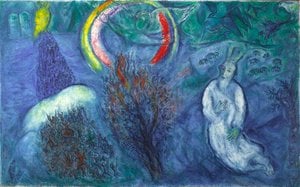
A Symphony of Color and Myth: Exploring Marc Chagall’s “Moses with the Burning Bush” Marc Chagall's "Moses with the Burning Bush," completed in 1966, isn’t simply a painting;…

Blue Lovers (1914) by მარკ შაგალი
#26

Blue Lovers

1914

Marc Chagall’s “Blue Lovers,” completed in 1914 during his formative years as a Cubist innovator, transcends mere visual representation; it embodies the very essence of romantic connection. Measuring…

მკვლევის დღე (1944) by მარკ შაგალი
#27

მკვლევის დღე

1944

გამორჩევია სიხარული და ტრადიცია: მარკ შაგლის “ბადის დღე”สำรวจ მარკ შაგლის “ბადის დღე” არის მიხრეთზე შესრულებული ზეთით და ტიპოსურებით შექმნილი ნ tácება, რომელიც იმდედლოდ გამოირჩევა სიხარულით, სიყვარულით და cộng…

The Three Candles (1940) by მარკ შაგალი
#29

The Three Candles

1940

The Three Candles: A Dreamscape of Hope Amidst Darkness Marc Chagall’s *The Three Candles* stands as a poignant emblem of resilience and spiritual yearning—a testament to the artist's…

მზის თასები (1945) by მარკ შაგალი
#31

მზის თასები

1945

მარკ შაგლის 1945 წლის ნახატი “მთვెలების ნასწულები” მხოლოდ მრავლისშემოქმედებითი ნიმუში არ არის; ეს არის მოგზაურობა ხელოვლის მოყვარცის სულში და სიღნებში, მჭიდროდ დაკავშირებული სიმბოლთებთან. შექმნილია შემდეგი წლის შემდეგ, მისი…

Nude Lying Down (1914) by მარკ შაგალი
#32

Nude Lying Down

1914

In his 1914 masterpiece, Nude Lying Down, Marc Chagall invites the viewer into a realm where the boundaries between reality and the subconscious dissolve. This striking black and…

Birthday, Moma NY (1915) by მარკ შაგალი
#33

Birthday, Moma NY

1915

Birthday, Moma NY Marc Chagall's Birthday, Moma NY, painted in 1915, is a quintessential representation of his unique style, which blends elements of expressionism, cubism, and surrealism. This…

Moses receiving the Tablets of Law (1963) by მარკ შაგალი
#34

Moses receiving the Tablets of Law

1963

A Divine Revelation: Exploring Marc Chagall’s *Moses Receiving the Tablets of Law* Marc Chagall, a master of color and emotion, consistently revisited biblical narratives throughout his prolific career.…

თოვლი, ზამთარი ვიტესკში (1911) by მარკ შაგალი
#35

თოვლი, ზამთარი ვიტესკში

1911 · მეტროპოლიტენის ხელოვნების მუზეუმი

To look upon Snow, Winter in Vitebsk is to step into a memory that has been softened by time and colored by emotion. The scene captures a quiet,…

გოგოლს მიძღვნილი// დიზაინი გოგოლის ფესტივალის ფარდისთვის (1917) by მარკ შაგალი
#37

გოგოლს მიძღვნილი// დიზაინი გოგოლის ფესტივალის ფარდისთვის

1917 · MOMA - მოდერნ არტის მუზეუმი

მარკ შაგალის „Homage to Gogol“, რომელიც თავდაპირველად გოგოლის ფესტივალისთვის განკუთვნილი კაბადის დიზაინად ჩაიფიქრებოდა, მხოლოდ დეკორატიული ელემენტი არ არის; ეს არის მოგონების, რწმენისა და ხელოვანის ღრმად ფესსკვერტლებული ებრაული იდენტობის…

პარიზი ნათელში (1913) by მარკ შაგალი
#38

პარიზი ნათელში

1913

A Window into Chagall’s Soul: Decoding ‘Paris Through the Window’ მარკ შაგლის 1913 წლის შედევრი, *Paris Through the Window*, მხოლოდ ქალაქისმთი არ არის; ეს არის სიღრმისეული, პირადი და…

გამოსვლა (1966) by მარკ შაგალი
#39

გამოსვლა

1966

A Dreamscape of Faith: Decoding Marc Chagall’s “Exodus” The moment one encounters Marc Chagall's 1966 masterpiece, Exodus, the boundaries between reality and the subconscious begin to dissolve. This…

The Poet Reclining (1915) by მარკ შაგალი
#40

The Poet Reclining

1915

Marc Chagall's 1915 painting, The Poet Reclining, is more than just a visual representation; it’s an intimate glimpse into the artist’s burgeoning love for his wife, Bella Rosenfeld,…

ომი (1966) by მარკ შაგალი
#41

ომი

1966

Marc Chagall’s “War,” completed in 1966, stands as a poignant testament to the anxieties simmering beneath the surface of postwar Europe. More than just a depiction of figures…

Bella and Ida by the Window (1916) by მარკ შაგალი
#42

Bella and Ida by the Window

1916

A Window Into Chagall’s Dreamscape Marc Chagall's “Bella and Ida by the Window,” painted in 1916, isn’t merely a depiction of a domestic scene; it’s an immersion into…

Dans mon pays by მარკ შაგალი
#43

Dans mon pays

გალერია სივიკა დი არტე მოდერნა ე ကონტემპორანეა ტორინო

Dans Mon Pays: A Dreamscape of Memory and Symbol “Dans Mon Pays,” painted in 1943 during Chagall’s exile in Cranberry Lake, New York State, stands as a poignant…

The Jacob's Dream (1966) by მარკ შაგალი
#44

The Jacob's Dream

1966

A Vision of Faith and Ascent: Exploring Marc Chagall’s *The Jacob's Dream* The Jacob's Dream*, painted in 1966, is a monumental work (195 x 278 cm) by the…

The House with the Green Eye (1944) by მარკ შაგალი
#45

The House with the Green Eye

1944

Step closer and observe the quiet tension held within this canvas. Painted in 1944, during a period of profound global uncertainty, the work presents a landscape that feels…

Lovers in pink (1916) by მარკ შაგალი
#47

Lovers in pink

1916

A Dreamscape of Tenderness In the quiet, evocative depths of Marc Chagall’s 1916 masterpiece, Lovers in Pink, we find a world where the boundaries between reality and memory…

The cowshed (1917) by მარკ შაგალი
#48

The cowshed

1917

A Glimpse into Chagall’s Inner World: Decoding ‘The Cowshed’ Marc Chagall's *The Cowshed*, painted in 1917, is far more than a simple depiction of rural life; it’s a…

To Russia, with Asses and Others (1912) by მარკ შაგალი
#49

To Russia, with Asses and Others

1912

In the vibrant tapestry of early twentieth-century modernism, few works capture the whimsical intersection of reality and fantasy as poignantly as Marc Chagall's 1912 masterpiece, "To Russia, with…

The Lovers (1929) by მარკ შაგალი
#50

The Lovers

1929 · თელ-ავივის ხელოვნების მუზეუმი

Painted during Chagall's formative years in Vitebsk—a city pulsating with cultural diversity—the artwork reflects the artist’s engagement with both Jewish tradition and Russian Orthodox spirituality. Vitebsk served as…

Moses and the burning bush (1966) by მარკ შაგალი
#51

Moses and the burning bush

1966

In the ethereal realm of Marc Chagall’s "Moses and the Burning Bush," the boundaries between the earthly and the divine do not merely blur; they dissolve entirely. Created…

The dream (The rabbit) (1927) by მარკ შაგალი
#52

The dream (The rabbit)

1927

A Surrealist Reverie: Marc Chagall’s “The Dream (The Rabbit)” Marc Chagall's "The Dream (The Rabbit)," painted in 1927, isn’t merely a depiction of an image; it’s an immersion…

Still Life with Lamp (1910) by მარკ შაგალი
#53

Still Life with Lamp

1910

The Threshold of Dreams In 1910, Marc Chagall crafted a work that transcends the boundaries of mere representation, inviting us into a world where memory and imagination intertwine.…

დიდი ცირკი (1968) by მარკ შაგალი
#54

დიდი ცირკი

1968

A Carnival of Dreams: Decoding Marc Chagall’s *The Big Circus* Marc Chagall's *The Big Circus*, painted in 1968, is more than just a depiction of a lively performance;…

The Creation of Man (1958) by მარკ შაგალი
#55

The Creation of Man

1958

Created in 1958, this dynamic work by Marc Chagall – measuring a captivating 45 x 28 cm – is a quintessential example of his mature style. It's not…

The flying clown (1981) by მარკ შაგალი
#56

The flying clown

1981

In the ethereal realm of Marc Chagall’s “The Flying Clown,” the boundaries between the tangible world and the boundless landscape of dreams dissolve into a vibrant, kinetic dance.…

მზე იწვება ცაში (1954) by მარკ შაგალი
#57

მზე იწვება ცაში

1954

Marc Chagall's "The Sky Inflames," painted in 1954, isn’t merely a depiction of a scene; it’s an immersion into the artist’s intensely personal and profoundly symbolic world. This…

White crucifixion, The Art Institute of Chicag (1938) by მარკ შაგალი
#58

White crucifixion, The Art Institute of Chicag

1938

Marc Chagall’s “White Crucifixion,” painted in 1938 amidst the escalating horrors of Europe, is not merely a depiction of Christ's sacrifice; it’s a searing indictment of injustice and…

The Feast of the Tabernacles (1916) by მარკ შაგალი
#59

The Feast of the Tabernacles

1916

Marc Chagall's The Feast of the Tabernacles is a vibrant and captivating painting that showcases the artist's unique blend of Cubism and Jewish heritage. Created in 1916, this…

ცირკი (1964) by მარკ შაგალი
#61

ცირკი

1964

ფოტოს აღწერა: ნახატი არის ცირკის სცენის ფერადი აღწერა სხვადასხვა არტისტებითა და ცხოველებით. სურათზე რამდენიმე ადამიანია, ზოგი დგას, ზოგი კი ტრიუკებს ასრულებს ან ერთმანეთთან ურთიერთობს. სცენის შუაგულში ჩანს ცხენი,…

Song of Songs II (10) (1957) by მარკ შაგალი
#62

Song of Songs II (10)

1957

To stand before Marc Chagall’s Song of Songs II is not merely to observe a painting; it is to step directly into the vibrant, intoxicating current of a…

ცირკი (1980) by მარკ შაგალი
#64

ცირკი

1980

მარკ შაგალის „ცირკი“, რომელიც 1980 წელს დაიხატა, არ არის მხოლოდ მოხსნითი შოუს აღწერა; ეს არის submersion — დაღمسვა სამყაროში, სადაც რეალობა და ფანტაზია ერთმანეთს ერწყმის. ეს ნამუშევარი მხატვრის…

ცხელი ქალწ 가지 ვიტებსში (1933) by მარკ შაგალი
#65

ცხელი ქალწ 가지 ვიტებსში

1933

Introduksjonare Artistat: მარკ შაგალი მარკ შაგალი, დაბადებული მოიშე შაგალად 1887 წელს, იყო გამოჩენილი რუსულ-ფრანგული მხატვარი, რომელიც ცნობlidir თავისი უნიკალური სტილისთვის, რომელიც აერთიანებს ელემენტებს სურリアნულ, კუბულ და ხალხურ ხელოვნებაში.…

კომპოზიციური ემპლუზია ნამუშევრისთვის „რუსეთში, ვირებთან და სხვებთან“ (1912) by მარკ შაგალი
#66

კომპოზიციური ემპლუზია ნამუშევრისთვის „რუსეთში, ვირებთან და სხვებთან“

1912 · Szépművészeti Múzeum

მარკ შაგალის „კომპოზიციური ემპ berhubungan ‘რუსეთში, ვირებთან და სხვებთან’“ არ არის მხოლოდ ნახატი; ეს არის პორტალი. შექმნილი 1912 წელს, მხატვრული ექსპერიმენტების გადამწყვეტ პერიოდში, ეს ინტიმური ნამუშევარი მომხიბვლელ მზერას…

მწვანე ప్రేახები (1915) by მარკ შაგალი
#67

მწვანე ప్రేახები

1915

A Tender Embrace Captured in Geometric Dreams: Exploring Marc Chagall’s “Green Lovers” Marc Chagall's "Green Lovers," painted in 1915, stands as a cornerstone of Synthetic Cubism and an…

The Carnival, scene II of the Ballet ''Aleko'' (1942) by მარკ შაგალი
#68

The Carnival, scene II of the Ballet ''Aleko''

1942

The artwork titled The Carnival, scene II of the Ballet ''Aleko'' is a surrealist piece created by Marc Chagall in 1942. The composition presents a dynamic and energetic…

The Fiddler, National Gallery of Art at Was (1913) by მარკ შაგალი
#69

The Fiddler, National Gallery of Art at Was

1913

Marc Chagall’s “The Fiddler,” painted in 1913 during his formative years in Paris, isn't merely a depiction of a musician; it’s a vibrant distillation of memory, folklore, and…

The rooster in love (1947) by მარკ შაგალი
#70

The rooster in love

1947

The Rooster in Love Marc Chagall's The Rooster in Love is a captivating surrealist painting that embodies the artist’s unique blend of fantasy and symbolism. Created in 1947,…

Cow with Parasol (1946) by მარკ შაგალი
#71

Cow with Parasol

1946

A Surrealist Dreamscape: Unpacking Marc Chagall’s “Cow with Parasol” Marc Chagall's "Cow with Parasol," painted in 1946, isn’t merely a depiction of a cow sheltering beneath an umbrella;…

The Vision of Ezekiel (Ezekiel, I, 4-14) (1956) by მარკ შაგალი
#72

The Vision of Ezekiel (Ezekiel, I, 4-14)

1956

In the profound depths of Marc Chagall’s 1956 masterpiece, “The Vision of Ezekiel,” viewers are invited to step beyond the boundaries of the physical world and into a…

სამი ანგელოზი ესტუმრები აბრაამს (დაბადება, XVIII, 1-8) (1956) by მარკ შაგალი
#73

სამი ანგელოზი ესტუმრები აბრაამს (დაბადება, XVIII, 1-8)

1956

ღვთაებრივი შეជვება: შაგალის „სამი ანგელოზი აბრაამის მონახულება“ მარკ შაგალის 1956 წლის ეცინგი, „სამი ანგელოზი აბრაამის მონახულება“, არის რწმენის, მასპინძლობისა და ნარატივის უძველესი ძალის მელანქოლიური გამოხატულება. ეს ნამუშევარი არ…

Mounting the ebony horse (1948) by მარკ შაგალი
#74

Mounting the ebony horse

1948

A Surreal Journey: Exploring Marc Chagall’s *Mounting the Ebony Horse* Marc Chagall's *Mounting the Ebony Horse*, created in 1948, is a captivating and enigmatic work that exemplifies his…

Birth (1910) by მარკ შაგალი
#75

Birth

1910

Marc Chagall's “Birth,” painted in 1910, stands as a cornerstone of Expressionism and an enduring testament to the artist’s unparalleled ability to translate emotion into visual form. Measuring…

In the night (1943) by მარკ შაგალი
#76

In the night

1943

In the quietude of 1943, amidst a world gripped by the shadows of global conflict, Marc Chagall captured a moment of profound intimacy that transcends time. In the…

Field of Mars (1955) by მარკ შაგალი
#77

Field of Mars

1955

Marc Chagall’s “Field of Mars,” painted in 1955, isn't merely a depiction of a landscape; it’s an immersion into a deeply personal and profoundly symbolic dreamscape. Born Moishe…

The War (1943) by მარკ შაგალი
#78

The War

1943

The canvas unfolds as a turbulent dream where gravity has lost its grip on reality. Figures float through a heavy, somber atmosphere, drifting amidst broken buildings and a…

The walk (1973) by მარკ შაგალი
#80

The walk

1973

To encounter Marc Chagall’s 1973 masterpiece, “The Walk,” is to step through a veil separating the tangible world from the ethereal realm of memory. This evocative work does…

The Father (1911) by მარკ შაგალი
#81

The Father

1911 · Musée d'Art et d'Histoire du Judaïsme

A vertical close-up focuses on an elderly man, his face and upper torso filling the frame. He possesses a prominent, heavy beard that descends toward his chest. The…

Le Quai de Bercy by მარკ შაგალი
#82

Le Quai de Bercy

In the ethereal realm of Marc Chagall’s Le Quai de Bercy, the boundaries between the Parisian cityscape and the artist's Belarusian soul dissolve into a luminous, nocturnal dance.…

Lovers by მარკ შაგალი
#83

Lovers

Marc Chagall's "Lovers," rendered in a captivating monochrome palette, isn’t merely a depiction of an intimate moment; it’s a portal into the artist’s deeply personal world—a realm where…

Grey Lovers (1917) by მარკ შაგალი
#85

Grey Lovers

1917

The Intimacy of Shadows In Grey Lovers, Marc Chagall invites the viewer into a world where the boundaries between personal connection and global upheaval dissolve into a hauntingly…

Bercy Embankment (1953) by მარკ შაგალი
#86

Bercy Embankment

1953

A Luminous Voyage Through a Surrealist Dream In 1953, amidst the heavy shadows of the Cold War era, Marc Chagall gifted the world Bercy Embankment, a masterpiece that…

Feast Day (Rabbi with Lemon) (1914) by მარკ შაგალი
#87

Feast Day (Rabbi with Lemon)

1914

In the luminous realm of Marc Chagall’s "Feast Day (Rabbi with Lemon)," created in 1914, the boundaries between reality and dream dissolve into a breathtaking display of color.…

The Wailing Wall (1932) by მარკ შაგალი
#88

The Wailing Wall

1932 · თელ-ავივის ხელოვნების მუზეუმი

In the quiet, textured expanse of Marc Chagall’s 1932 masterpiece, The Wailing Wall, the viewer is not merely looking at a depiction of a historical site, but is…

Portrait of Brother David with Mandolin (1914) by მარკ შაგალი
#89

Portrait of Brother David with Mandolin

1914

A Glimpse into Chagall’s Soul: Brother David with Mandolin Marc Chagall's *Portrait of Brother David with Mandolin*, painted in 1914, is more than just a depiction of a…

Lovers for Berggruen (The offering) (1965) by მარკ შაგალი
#90

Lovers for Berggruen (The offering)

1965

In the ethereal realm of Marc Chagall’s "Lovers for Berggruen (The offering)," the boundaries between reality and the subconscious dissolve into a breathtaking dance of form and feeling.…

Composition with Circles and Goat (1920) by მარკ შაგალი
#91

Composition with Circles and Goat

1920

In the ethereal realm of Marc Chagall’s “Composition with Circles and Goat,” painted in 1920, the boundaries between the tangible world and the subconscious dissolve into a luminous…

Great Circus (1984) by მარკ შაგალი
#93

Great Circus

1984

Marc Chagall’s “Great Circus,” completed in 1984, isn't merely a depiction of an itinerant spectacle; it’s a profound meditation on memory, faith, and the fantastical realm of childhood…

Marching (1915) by მარკ შაგალი
#94

Marching

1915

Ultimately, Chagall’s “I Am Alone” transcends its historical origins to resonate with viewers across generations. It's a hauntingly beautiful meditation on solitude, loss, and the enduring quest for…

ღამე (1953) by მარკ შაგალი
#95

ღამე

1953

A Dreamscape Unveiled: The Surreal Magic of Marc Chagall’s Night In the quiet depths of 1953, Marc Chagall conjured a vision that defies the boundaries of reality, inviting…

The Holy Coachman (1912) by მარკ შაგალი
#96

The Holy Coachman

1912

In the profound depths of Marc Chagall’s 1912 masterpiece, The Holy Coachman, viewers are not merely observing a canvas but are invited into a shimmering tapestry woven from…

Song of Songs I (1960) by მარკ შაგალი
#97

Song of Songs I

1960

In the vast landscape of twentieth-century modernism, few works possess the ethereal, dreamlike magnetism of Marc Chagall’s "Song of Songs I." Created in 1960, this monumental canvas serves…

The Praying Jew, oil on canvas, The Art Instit (1923) by მარკ შაგალი
#98

The Praying Jew, oil on canvas, The Art Instit

1923 · ჩიკაგოს ხელოვნების ინსტიტუტი

The Praying Jew: A Meditation on Faith and Form Marc Chagall’s *The Praying Jew*, painted in 1923, transcends mere representation; it embodies the artist's profound engagement with Jewish…

The return of the prodigal son (1975) by მარკ შაგალი
#99

The return of the prodigal son

1975

The Return of the Prodigal Son: A Symphony of Emotion in Chagall’s Naive Vision Marc Chagall's "The Return of the Prodigal Son," created in 1975, transcends mere representation;…

მარკ შაგალი's paintings by period

The subjects მარკ შაგალი painted most

The four subjects that return most often among these masterpieces, with the finest example of each.

Where to see მარკ შაგალი's paintings

The 8 museums that hold the most of the paintings on this page.

Museum City Works by მარკ შაგალი Paintings from this list
MOMA - მოდერნ არტის მუზეუმი, ნიუ-იორკიMOMA - მოდერნ არტის მუზეუმი ნიუ-იორკი 4 მე და სოფელი, გოგოლს მიძღვნილი// დიზაინი გოგოლის ფესტივალის ფარდისთვის
ჩიკაგოს ხელოვნების ინსტიტუტი, ჩიკაგოჩიკაგოს ხელოვნების ინსტიტუტი ჩიკაგო 4 White Crucifixion, The Praying Jew, oil on canvas, The Art Instit
თელ-ავივის ხელოვნების მუზეუმი, თელ-ავივითელ-ავივის ხელოვნების მუზეუმი თელ-ავივი 2 The Lovers, The Wailing Wall
მეტროპოლიტენის ხელოვნების მუზეუმი, ნიუ-იორკიმეტროპოლიტენის ხელოვნების მუზეუმი ნიუ-იორკი 2 თოვლი, ზამთარი ვიტესკში
კუნსტმუზეუმი ბაზელი, ბაზელიკუნსტმუზეუმი ბაზელი ბაზელი 1 მოვარცხვებული ანგელოზმა
სოლომონ რ. გუგენჰაიმის მუზეუმი, ნიუ-იორკისოლომონ რ. გუგენჰაიმის მუზეუმი ნიუ-იორკი 1 დამბადებული ჯარისკაცი
გალერია სივიკა დი არტე მოდერნა ე ကონტემპორანეა ტორინო, ტურინიგალერია სივიკა დი არტე მოდერნა ე ကონტემპორანეა ტორინო ტურინი 1 Dans mon pays
Szépművészeti Múzeum, ბუდაპეშტიSzépművészeti Múzeum ბუდაპეშტი 1 კომპოზიციური ემპლუზია ნამუშევრისთვის „რუსეთში, ვირებთან და სხვებთან“

მარკ შაგალი, decade by decade: the defining painting of each

  1. 1910s
    მე და სოფელი (1911) by მარკ შაგალი
    #1 of 100

    მე და სოფელი

    Age 23 – 32 · MOMA - მოდერნ არტის მუზეუმი

    მარკ შაგალის "მე და სოფელი" (I and the Village), 1911 წლის ნაწარმოები, არის არა მხოლოდ ტილოზე განთავსებული ფერებითა და ფორმებით შექმნილი კომპოზიცია, არამედ ბავშვობის ხსოვნის, ოცნებისა და სიხარულის…

  2. 1920s
    მწვანე ვახალტიტული (1924) by მარკ შაგალი
    Rank 5 / 100

    მწვანე ვახალტიტული

    Age 33 – 42

    შემოდით მარკ შაგალის „მწვანე ვიოლინისტის“ სიზმრისებრ სამყაროში, ამ შედევრში, რომელიც ებრაული ფოლკლორის არსსა და მეოცე საუკუნის დასაწყისის მოდერნიზმის დინამიკურ ენერგიას აერთიანებს. ეს საკულტო ნამუშევარი, შექმნილი 1924 წელს, წარმოადგენს…

  3. 1930s
    White Crucifixion (1938) by მარკ შაგალი
    No. 2 of 100

    White Crucifixion

    Age 43 – 52 · ჩიკაგოს ხელოვნების ინსტიტუტი

    The center of the canvas holds a pale figure on a white cross. This Christ wears a prayer shawl, a tallit, draped across his body. Above his head,…

  4. 1940s
    მოვარცხვებული ანგელოზმა (1947) by მარკ შაგალი
    No. 6 of 100

    მოვარცხვებული ანგელოზმა

    Age 53 – 62 · კუნსტმუზეუმი ბაზელი

    მარკ შაგლის "The Falling Angel" – ოცნების და შემოქმედების სულისძახილი მარკ შაგალი, არ იყო მხოლოდ მხატვარი; ის იყო ფერების მფარველი, ოცნებების ქსელმომწერ და ხსოვნებისა თუგის მწერალი. მისი ნამუშევრები…

  5. 1950s
    განთავისუფლება (1952) by მარკ შაგალი
    #10 of 100

    განთავისუფლება

    Age 63 – 72

    Marc Chagall’s “Liberation” is more than just a painting; it's a visual distillation of Jewish faith and cultural memory, rendered in the exuberant style that defines Chagall’s mature…

  6. 1960s
    Abraham and three Angels (1966) by მარკ შაგალი
    No. 8 of 100

    Abraham and three Angels

    Age 73 – 82

    Marc Chagall's “Abraham and Three Angels,” completed in 1966, stands as a cornerstone of Naïve Art (Primitivism), embodying Chagall’s singular artistic voice and his profound engagement with biblical…

  7. 1970s
    The Myth of Orpheus (1977) by მარკ შაგალი
    Rank 21 / 100

    The Myth of Orpheus

    Age 83 – 92

    In the twilight of his long and luminous career, Marc Chagall gifted the world with The Myth of Orpheus, a 1977 masterpiece that serves as a profound window…

  8. 1980s

მარკ შაგალი's masterpieces: questions and answers

Which painting is მარკ შაგალი best known for?Show the answer

მე და სოფელი (1911), MOMA - მოდერნ არტის მუზეუმი, ნიუ-იორკი. Next come White Crucifixion (1938) and მარკ შაგალი ცხოვრება, რომელიც ოცნებებშია მოხატული: მარკ შაგალის სამყარო ლიოვანა ბელარუსი 1887 1915 1985 სიყვარულისა და მოდერნიზმის ზეიმობა --ზოგადი შთაბეჭდილება-- ხელოვნების ნაწილი სტილიზებულია და გარდაუგონებელ დრამას წარმოადგენს ქალის გამოსახულებ (1915).

How old was მარკ შაგალი when painting მე და სოფელი?Show the answer

24 years old: მე და სოფელი dates from 1911 and მარკ შაგალი was born in 1887.

What are მარკ შაგალი's ten greatest paintings?Show the answer

მე და სოფელი, White Crucifixion, მარკ შაგალი ცხოვრება, რომელიც ოცნებებშია მოხატული: მარკ შაგალის სამყარო ლიოვანა ბელარუსი 1887 1915 1985 სიყვარულისა და მოდერნიზმის ზეიმობა --ზოგადი შთაბეჭდილება-- ხელოვნების ნაწილი სტილიზებულია და გარდაუგონებელ დრამას წარმოადგენს ქალის გამოსახულებ, ქალაქზე, მწვანე ვახალტიტული, მოვარცხვებული ანგელოზმა, დამბადებული ჯარისკაცი, Abraham and three Angels, Adam and Eve expelled from Paradise and განთავისუფლება. The ranking above gives the year and the museum of each.

How many works did მარკ შაგალი paint?Show the answer

Our catalogue lists 936 works by მარკ შაგალი, dated from 1910 to 1984.

In which museums can I see მარკ შაგალი's masterpieces?Show the answer

Most of them are in MOMA - მოდერნ არტის მუზეუმი (ნიუ-იორკი), ჩიკაგოს ხელოვნების ინსტიტუტი (ჩიკაგო) and თელ-ავივის ხელოვნების მუზეუმი (თელ-ავივი). The table above lists the museums one by one.

When did მარკ შაგალი paint the masterpieces?Show the answer

In 1910s: 30 of the 100 works on this page date from then, among them მე და სოფელი.

What are the first and last famous paintings of მარკ შაგალი?Show the answer

The earliest on this page is Still Life with Lamp (1910), the latest Great Circus (1984).

What were მარკ შაგალი's favourite subjects?Show the answer

Folklore (19), Dreams (15) and Jewish folklore (12), among the 100 works on this page.

Which technique did მარკ შაგალი favour?Show the answer

Ზეთი ტილოზე: 31 of the 100 works on this page.

Which masterpieces by მარკ შაგალი hang at the MOMA - მოდერნ არტის მუზეუმი?Show the answer

მე და სოფელი and გოგოლს მიძღვნილი// დიზაინი გოგოლის ფესტივალის ფარდისთვის are among the 2 works on this page held by the MOMA - მოდერნ არტის მუზეუმი, ნიუ-იორკი.

The life of მარკ შაგალი

მარკ შაგალი: ოცნებების ფერადი სამყარო

მარკ შაგალი, დაბადებული მოიშე შაგალად 1887 წლის 6 ივლისს ლიოზნას მახლობლად, ბელორუსეთში, არ იყო მხოლოდ მხატვარი; ის ფერების პოეტი, ოცნებების ქსოველი და ხსოვნებისა თუგის მწერველი იყო. მისი ცხოვრება, რომელიც თითქმის საუკუნეს მოიცავს, მეოცე საუკუნის აურზაური ტალღებს ასახავდა, მაგრამ მისი ხელოვნება ყოველთვის იყო ფესტიანებული მის προσωπულ ხედვაში – ხსოვნების ფოლკლორისა და წარმოსაქმნელის ძალის უუარო რწმენით. ლიოზნა მხოლოდ დაბადების ადგილი არ იყო; ის მისი მხატვრული სამყაროს გულშემატებითი ბირთვის გახდა, რომელიც ხშირად წარმოადგენდა მოქცეულ ფიგურებს, მხიარულ ცხოველებსა და გადამორჩილებულ ლანდშაფტების ელფერი. ქალაქის კულტურათა უნიკალური ნარევი – რუსული მართლმსხოვლის ტაძრები და აყვავებული یهودیه ბაზრობები – შექმნა ესთეტიკური განცდა, რომელიც მთელი მისი ხანგრძლივ კარიერას განმავლობაში მოუწონა ადვილად კატეგორიზაციას. მიუხედავად იმისა, რომ მან ფორმალური განათლება პირველად ადგილობრივ ფერებს შექმნილი მხატვართან მიიღო და შემდეგ სანკტ-პეტერბურგში ლეონ ბაკსტის ხელ കീഴით, ხოლო პარიზში გრანდ შომიერის აკადემიაში, შაგალი არასოდეს უFully შეექცეოდა ერთმანეთს. მან შეიწოვა კუბიზმის, სიმბოლიზმის და ფავიზმის ელემენტები, მაგრამ ყოველთვის ფილტრირებდა მათ საკუთარ ინტენსიურად προσωπულ ობიექტში, შექმნილიყო სტილი, რომელიც უნიკალური და შეუცვლელი იყო შაგალი.

ხატვადი ენა

შაგალის ადრეული ნაშრომები უკვე მიანიშნებდა მის გამორჩეულ ენაზე. ტილოები, როგორიცაა მე და სოფელი (1911), არ არის მხოლოდ ადგილის აღწერილობა; ისინი იდენტობის, ხსოვნის და ინდივიდის ურთიერთობის შესწავნება საზოგადოებასთან. სოფელს რეალისტურად არ წარმოაჩენს, არამედ მოგონებების ფრაგმენტულ კოლექციად, რომელიც სიმბოლურ მნიშვნელობას ატარებს. მისი უნარი პირადი გამოცდილებათა გარდაქმნა საყოველთაო თემებად გახდა მისი ხელოვნების მახასიათებელი. მისი პალიტრა იყო ბრწყალოვანი და გამომხატველი, ხშირად იყენებდა მკვეთრ, არარეალური ფერებს ემოციის გადასაზიარებლად, ვიდრე სიცრუის აღებისთვის. ფიგურები კანვასზე მძიმეობისა და აზრიანების გარეშე მოცურავენ, ოცნებების ატმოსფეროს ქმნიან, რომელიც სტუმართა სამყაროში მიწევს. ეს სტილისტური მიდგომა არ იყო შემთხვევითი; ის წარმოიშვა რეალობის 단순한 imitación-ის გადასვლის მრწამს და გრძნების არსს, ხსოვნის წონის და ფოლკლორის ძალას აწვდიან. რუსეთის რევოლუციის შემდეგ შაგალი დაბრუნდა ვიტებსკში, სადაც მონაწილეობდა კულტურულ ინიციატივებში, დააარსა ხელოვნების სკოლა, რომელიც მოკლე ხნით გაფართოებულად იყო, სანამ ახალი რეჟიმის მიერ დაწესებული შეზღუდვები არ განუწყვეტა. ეს პერიოდი აღინიშნა როგორც კრეატიული ენერგიით, ასევე პოლიტიკური იმედგაცრუებებით, კონფლიქტი, რომელიც აგრძელებს შაგალის მხატვრულ ტრაექტორიას.

სამყაროთაშორის სიცოცხლე: პარიზი, ნიუ-იორკი და სხვა

შემდეგ, შაგალი რუსეთიდან საბოლოოდ გადავიდა საფრანგეთში 1923 წელს. ეს იყო აღიარების საერთაშორისო პერიოდის და პროლიფიკული კრეატიულობის დასაწყისი. ნამუშევრები, როგორიცაა ვიტებსკის ზედა (1920-1922), აჩვენებს მის მუდმივ გართულებას ბავშვობის ხსოვნებთან, ხოლო ბიბლიური მოთხრობებისგან შთაგონებული ტილოები – როგორიცაა იაკობსი სიზმერში – გაზრდის ინტერესს რელიგიურ თემებზე. მეორე მსოფლიო ომის დაწყვამ აიძულა მას დაეტოვებინა ოკუპირებული საფრანგეთი ამერიკის შეერთებულ შტატებში, სადაც შვიდი წელი გაატარა ნიუ-იორკში. ეს პერიოდი აღინიშნა ღრმად ემოციური აურებით და მხატვრულმა ექსპერიმენტებმა. მას თავი მიაგნო ხელოვნებას, შექმნა ძლიერი ნამუშევრები, რომლებიც ასახავდნენ იმ დროს არსებულ შიშებსა და არასტაბილურობას. თეთრი ჯვარატი (1938), ტანჯვისა და დევნის მძიმე აღწერა, არის ამ ეპოქის 증거. ომის შემდეგ შაგალი დაბრუნდა საფრანგეთში, სადაც 계속 рисовал და творил until his death in 1985 at the age of 97.

მემკვიდრეობა და მდგრადი გავლენა

შვილიშვილობაში მარკ შაგალი მიიღო მრავალი სახელოვანი კომისიონი, მათ შორის პარიზის ოპერის ჭერა (1964), ფერისა და ფორმის 놀라운 폭발, რომელიც აღნიშნავდა მუსიკალურ შედევრებს, და სანდგომი სათავსოთა სარკეები ჰადასასა ჰებრეუ უნივერსიტეტის სამედიცინო ცენტრში იერუსალიმში. ამ მასშტაბურმა პროექტებმა მისცა საშუალება, მიემართა საკუთარი მხატვრული ხედვა არქიტექტურულ სივრცეებში, შექმნადამისფერი გარემოები, რომლებიც დღესაც აინტერესებს და აღიმართება. შაგალის გავლენა მომავალ თაობათა მხატვრებზე უნაკლუვია. მისი ლირიკული ხასიათი, ემოციური სიღრმე და წარმოსაქმნის ძალა მოქმედებდა სურრეალისტებსა და სხვა მოძრაობებზე, რომლებიც მიიღებენ ფანტაზიასა და სიმბოლიზმს. მან შექმნა კავშირი Ευρωπαϊκής μοντέρνου και یهودیه კულტურული იდენტობის შორის, გახდა ცნობილი როგორც "მეოცე საუკუნის უტოპესი ებრაელი მხატვარი". მისი უნარი აერთიანებდეს προσωπურ გამოცდილებას, ფოლკლორსა და საყოველთაო თემებს დღესაც აინტერესებს მსოფლიოს მასშტაბით. მისი ნამუშევრები გვა提醒s ძალას ხელოვნების საზღვრების გადაღებას, ჩვენს საერთო انسانیობასთან დაკავშირებასა და ცხოვრების güzelliklerini და ਰਹੱਸებს აღმოჩენას.

დამკვეთრი შთაბეჭდილება

მარკ შაგალის მემკვიდრეობა გადაც

All 936 works by მარკ შაგალი →