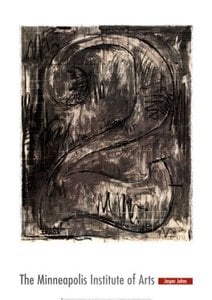
ჯასპერ ჯოუნზი, და lahirda 1930

ჯასპერ ჯოუნზი ტიურები: 62 ყველაზე ცნობილი ნამუშწევრა, დახარისხებული

ჯასპერ ჯოუნზი-ის ყველაზე ცნობილი ნამუშწაროა ფრთხა. მავარი წარუმატებლობა (1959)-ით და თერმომეტრი (1959)-ით, იგი ასრულებს სამი ნამუშევრისგან შემდგარ სამეულს, რომელსაც ყველა ცნობს. ჩვენს კატალოგში წარმოდგენილია ჯასპერ ჯოუნზი-ის 63 ნამუშწარ unexpectedly; ქვემოთ მოცემული 62 ნამუშწარები კი ისენია, რომლებსაც მსოფლიო ყველაზე მეტად აკვირდება — თითოეული მათგანი წარმოდგენილია წელით, მუზეუმით, სადაც ის იმყოფება და მისი მნიშვნელობით.

რეიტინგი დადგენილია ჩვენი პოპულარობის ქულებით, რომელიც აერთიანებს თითოეული ნამუშწარების ძიების, ნახვებისა და შეკვეთების რაოდენობას. განახლებულია ოქტომბერი 2026.

ჯასპერ ჯოუნზი პორტრეტი
ჯასპერ ჯოუნზი · და lahirda 1930
და lahir · died
და lahirda 1930, ოგასტა
მიმდინარეობა
Პოპ-არტი
ნამუშევრები ჩვენს კატალოგში
63
ყველაზე ცნობილი
ფრთხა
ყველაზე მეტი ნამشევრი [at]
ჩიკაგოს ხელოვნების ინსტიტუტი

ჯასპერ ჯოუნზი-ის 10 ყველაზე ცნობილი ნამუშწარები

ფრთხა ავტორის: ჯასპერ ჯოუნზი
1

ფრთხა

ზეთი ტილოზე

ამერიკული ხელოვნების რევოლუციური სიმბოლო ჯეისპერ ჯონსის „Flag“ (1954-55) უფრო მეტია, ვიდრე უბრალოდ ეროვნული სიმბოლოს გამოსახულება; ეს არის გარდამტეხი ნამუშევარი, რომელმაც ხიდი დაلالაგა აბსტრაქტულ ექსპრესიონზმსა და პოპ-არტს შორის და ფუნდამენტურად შეცვალა მე-20 საუკუნის ხელოვნების გზა. ეს მყისიერად ამნობადი, თუმცა ღრმად არაორდინალური ტილო მაყურებელს მოუწოდებს, გადახედოს საკუთარ ურთიერთობას ნაცნობ იმაგესთან და თავად რეპრეზენტაციის არსს. სიმბოლოს დეკონსტრუქცია პირველი შეხედვით, ეს *არის* ამერიკის დროშა – თრიнадцать ზოლი, რომელიც მონalternating წითელსა და თეთრს ენაცვლება, ლურჯი…

მავარი წარუმატებლობა (1959) ავტორის: ჯასპერ ჯოუნზი
2

მავარი წარუმატებლობა

1959 · ზეთი ტილოზე

“False Start” является одним из самых важных произведений Джаспера Джонса в период перехода от абстрактного экспрессионизма к поп-арту, что отразилось в художественной эстетике 1950-х годов. Этот холст был создан в контексте широкого культурного и интеллектуального диалога между художниками и философами того времени, когда идеи о случайности и интуиции оказывались особенно актуальными.

თერმომეტრი (1959) ავტორის: ჯასპერ ჯოუნზი
3

თერმომეტრი

1959 · ზეთი ტილოზე

კანვასს ვერტიკალურად ორად ყოფს ცენტრალური ღერძი, რომელშიც მოთავსებულია ნამდვილი, მოქმედი მექანიკური თერმომეტრი. ეს ფიზიკური მოწყობილობა ზედაპირს ტილოს ორ პარალელურ პანელად ყოფს. ამ ინდუსტრიული ინსტრუმენტის ორივე მხარეს, ზეთოვანი საღებავის სქელი ფენები ტექსტურულ, ვარსკვლავისებრ ფორმებს ქმნის. ფერთა პალიტრა მოიცავს ძირითად და მეორად ტონებს, მათ შორის ღრმა ლურჯს, კაშკაშა ყვითელს, მკვეთრ წითელს, ასევე ნარინჯისფერი და თეთრი აქცენტებით. ცენტრალურ ვერტიკალურ ღერძზე, თერმომეტრის სკალასთან პარალელურად, 10-დან 120-მდე მერკირებული ციფრებია განლაგებული. ეს ზუსტი, ქარხნული წარმოების ციფრები…

თეთრი დროშა (1955) ავტორის: ჯასპერ ჯოუნზი
4

თეთრი დროშა

1955 · ზეთი ტილოზე

Subject and Composition This striking artwork presents a minimalist yet textured interpretation of the iconic American flag, a symbol deeply embedded in national identity. Rendered predominantly in shades of white and off-white, it distills the familiar motif into a subdued, contemplative form. The composition is carefully divided into four main sections, with embossed stars in the upper left quadrant and horizontal stripes across the remaining areas. The tactile surface invites…

მხాతం ავტორის: ჯასპერ ჯოუნზი
5

მხాతం

ზეთი ტილოზე

ჯეისპერ ჯონსი: “მ్యాప్” - ამერიკული იდენტიტეტის ლანდშაფტი ჯეისპერ ჯონსის 1961 წლის შედევრი, *მ్యాప్*, არის მხოლოდ გეოგრაფიული საზღვრების გამოსახულება; ის არის ღრმაสำรวจ ამერიკული იდენტიტეტის, მეხსიერების და წარმოდგენის მოქმედების საკითხი. სიმაღლე 200 სმ x 312.7 სმ, ეს მასშპელო ზეთის ტილო hiện tạiอยู่ที่ MoMA (Museum of Modern Art) ახლად იоркში, რომელიცดึงดูดความสนใจ თავისი প্রাণდატிறულიพลังით და phức tạpமான სიმبولური მნიშვნელობით. მულტირება და წარმოშობა *მ్యాప్*-ის წარმოშობა არის მარტივი საჩუქარი: შეზღუდებული რუკები აშშ შტატების, რომლებიც განკუთვნილი იყო…

მიზანი (1961) ავტორის: ჯასპერ ჯოუნზი
6

მიზანი

1961 · ენკასტიკა · ჩიკაგოს ხელოვნების ინსტიტუტი, ჩიკაგო

A series of concentric circles occupies the square canvas, pulling the eye toward a central point. Red, blue, and yellow rings expand outward from the middle, creating a bullseye that commands the space. The paint sits heavy on the surface, thick with encaustic and oil. Each stroke leaves a physical ridge, a tactile record of the brush dragging through hot wax. These layers create micro-shadows across the flat plane. The…

მოწყობილობის წრე, 1959 ავტორის: ჯასპერ ჯოუნზი
7

მოწყობილობის წრე, 1959

ენკასტიკა

In the landscape of American modernism, few works capture the transition from raw emotion to calculated clarity as poignantly as Jasper Johns’s Device Circle, 1959. This masterpiece serves as a profound cornerstone of the Pop Art movement, offering much more than a mere depiction of a clock face. At first glance, the viewer is met with a striking arrangement of concentric circles that seem to pulse with a quiet, rhythmic…

მწვანე სამიზნე ავტორის: ჯასპერ ჯოუნზი
8

მწვანე სამიზნე

აკრილი ტილოზე

Jasper Johns' "Green Target," painted in 1955, stands as a pivotal work within the trajectory of American art, bridging the emotive intensity of Abstract Expressionism with the nascent energy of Pop Art. More than simply a depiction of a target, this piece represents a deliberate challenge to traditional notions of representation – a bold assertion that familiar imagery could be imbued with profound meaning through abstraction and a careful manipulation…

Dancers on a Plane ავტორის: ჯასპერ ჯოუნზი
9

Dancers on a Plane

Acrylic On Canvas

Jasper Johns’ “Dancers on a Plane” is more than just a visually arresting composition; it's an invitation into the complex world of one of America’s most influential 20th-century artists. This large-scale artwork, dominated by a riotous palette of red, white, blue, yellow, and orange, immediately commands attention with its densely packed squares – a technique that speaks directly to Johns’ fascination with repetition and the nature of perception. The painting's…

Target with Plaster Casts (1955) ავტორის: ჯასპერ ჯოუნზი
10

Target with Plaster Casts

1955 · Encaustic

A Convergence of Form and Memory The painting "Target with Plaster Casts" by Jasper Johns, created in 1955, stands as a fascinating testament to the artistic ferment of mid-century America—a pivotal moment where Abstract Expressionism wrestled with the burgeoning influence of Pop Art. More than just a depiction of a simple target and plaster casts, it is an intricate meditation on representation, memory, and the artist's engagement with familiar symbols.…

ჯასპერ ჯოუნზი, ნახატები 11-დან 62-მდე

Three Flags (1958) ავტორის: ჯასპერ ჯოუნზი
#11

Three Flags

1958

In the pantheon of twentieth-century American art, few works command the room with as much tactile authority as Jasper Johns’ Three Flags. Created in 1958, this monumental achievement…

Ale Cans (1964) ავტორის: ჯასპერ ჯოუნზი
#12

Ale Cans

1964

Jasper Johns' Ale Cans (1964) isn’t a grand statement; it’s not a revolutionary explosion of color or form. Instead, it resides in the deceptively simple depiction of two…

Number ავტორის: ჯასპერ ჯოუნზი
#13

Number

A Study in Controlled Chaos: Exploring Abstract Form This captivating abstract work delves into the realm of internal landscapes, presenting a compelling visual dialogue between order and disruption.…

Device ავტორის: ჯასპერ ჯოუნზი
#14

Device

In the vast landscape of American modernism, few works capture the quiet tension between the familiar and the abstract as poignantly as Jasper Johns’ Device. This mesmerizing composition…

Corpse and Mirror II (1974) ავტორის: ჯასპერ ჯოუნზი
#15

Corpse and Mirror II

1974 · ჩიკაგოს ხელოვნების ინსტიტუტი

Structure and Surface A grid of nine rectangular panels organizes this 1974 composition. The work utilizes a limited palette of red, yellow, and blue against a stark white…

ოთხი პანელი ნაშრომიდან Untitled C/D ავტორის: ჯასპერ ჯოუნზი
#16

ოთხი პანელი ნაშრომიდან Untitled C/D

Bechtler Museum of Modern Art

მონოქრომული და ფორმის სიმფონიაჯეისპერ ჯონსის Four Panels from Untitled C/D-ის მშვიდ და მბრძანებელ ყოფიერებაში, ჩვენ ვხვდებით რთულ თავსატეხს, რომელიც სცდება მხოლოდ ვიზუალურ რეპრეზენტაციას. ეს ნამუშევარი წარმოადგენს მეორე მსოფლიო…

Untitled ავტორის: ჯასპერ ჯოუნზი
#17

Untitled

In the vast landscape of American postwar art, few works command the quiet, introspective power of Jasper Johns’ "Untitled." Completed in 1971, this masterpiece serves as a profound…

Summer ავტორის: ჯასპერ ჯოუნზი
#18

Summer

In the vast landscape of American abstraction, few works possess the quiet, meditative gravity found in Jasper Johns’s 1985 masterpiece, Summer. This profound piece, held within the prestigious…

Order and Disorder ავტორის: ჯასპერ ჯოუნზი
#19

Order and Disorder

Jasper Johns's ‘Order and Disorder’ is not merely a painting; it is a visual puzzle box, a playful yet profound meditation on the very foundations of language and…

Painted Bronze ავტორის: ჯასპერ ჯოუნზი
#20

Painted Bronze

Jasper Johns' Painted Bronze, created in 1960 but cast and painted the following year, is deceptively simple. At first glance, it presents as two unassuming twelve-ounce beer cans…

Green Angel ავტორის: ჯასპერ ჯოუნზი
#21

Green Angel

In the vast landscape of mid-20th-century American art, few works capture the electric tension between tradition and rebellion as poignantly as Jasper Johns’ “Green Angel.” At first glance,…

Spring ავტორის: ჯასპერ ჯოუნზი
#22

Spring

In this evocative painting, we find ourselves immersed in a moment of profound atmospheric stillness. The composition centers on a solitary figure, a man seen from behind, standing…

Gray numbers ავტორის: ჯასპერ ჯოუნზი
#23

Gray numbers

A Cipher of Modernity: Decoding Jasper Johns’ *Gray Numbers* Jasper Johns' *Gray Numbers*, created between 1958-61, is a pivotal work that encapsulates the artist’s groundbreaking exploration of representation…

Scent ავტორის: ჯასპერ ჯოუნზი
#24

Scent

In the vast landscape of twentieth-century American art, few works possess the rhythmic vitality and sensory intrigue found in Jasper Johns’ “Scent.” Completed between 1975 and 1976, this…

Star ავტორის: ჯასპერ ჯოუნზი
#25

Star

The artwork, titled “Star,” features a star shape composed of several smaller stars arranged in an intricate pattern. The composition is characterized by a luminous yellow paint that…

Figure ავტორის: ჯასპერ ჯოუნზი
#26

Figure

ჩიკაგოს ხელოვნების ინსტიტუტი

The painting is a colorful abstract piece of artwork featuring a red background with blue and yellow accents. The main focus of the painting appears to be a…

Cicada ავტორის: ჯასპერ ჯოუნზი
#27

Cicada

Jasper Johns, born in Augusta, Georgia, in 1930, stands as a cornerstone of American art history—a figure who deftly navigated the turbulent currents between Abstract Expressionism and Pop…

Tennyson (1959) ავტორის: ჯასპერ ჯოუნზი
#28

Tennyson

1959

In the vast landscape of twentieth-century modernism, few works possess the haunting, meditative quality found in Jasper Johns’ “Tennyson,” completed in 1959. This monumental canvas serves as a…

0 through 9 ავტორის: ჯასპერ ჯოუნზი
#29

0 through 9

Jasper Johns' "0 through 9" is more than just an abstract composition; it’s a meticulously constructed meditation on perception, symbolism, and the very nature of representation. Painted by…

ფრთხილი მუზიკა ოსტროზე (1957) ავტორის: ჯასპერ ჯოუნზი
#30

ფრთხილი მუზიკა ოსტროზე

1957

A Bold Statement of American Identity: Jasper Johns’ *Flag on Orange Field* (1957) Θέμα και σύνθεση: Αυτό το εντυπωσιακό έργο παρουσιάζει μια κοντινή, σχεδόν αντιπαράθετική προβολή της αμερικανικής…

Fool's House ავტორის: ჯასპერ ჯოუნზი
#31

Fool's House

A single broom leans against a wall. The palette is stripped to blue and white, a cool arrangement that pulls the eye toward the central, mundane object. There…

Perilous Night (1982) ავტორის: ჯასპერ ჯოუნზი
#32

Perilous Night

1982

In the vast landscape of American postmodernism, few works command attention with such visceral complexity as Jasper Johns’ Perilous Night. Created in 1982, this monumental piece serves as…

Gray alphabets ავტორის: ჯასპერ ჯოუნზი
#33

Gray alphabets

Jasper Johns' "Gray Alphabets," created in 1956, stands as a cornerstone of American Pop Art and a fascinating testament to the artist’s innovative approach to visual representation. More…

ნაცრისფერი ანბანები ავტორის: ჯასპერ ჯოუნზი
#34

ნაცრისფერი ანბანები

ჯეისპერ ჯონსის „ნაცრისფერი ანბანის“ დეკოდირება ჯეისპერ ჯონსის „ნაცრისფერი ანბანი“ მომხიბვლელი ნამუშევარია, რომელიც ქმნის მხატვრის გადამწყვეტ როლს აბსტრაქტულ ექსპრესიონზმსა და პოპ-არტს შორის ხიდის მშენებლობაში. ეს ნამუშევარი, რომელიც შემოქმედებითი აღელვების…

Untitled ავტორის: ჯასპერ ჯოუნზი
#35

Untitled

Jasper Johns's *Untitled* is not merely a painting; it’s an invitation into a world where the familiar dissolves into abstraction, and perception itself becomes the subject. The artwork…

Watchman ავტორის: ჯასპერ ჯოუნზი
#36

Watchman

Jasper Johns’ “Watchman”: A Quiet Revolution in Abstract Minimalism Jasper Johns' "Watchman," created in 1967, stands as a cornerstone of American art during the mid-century shift from Expressionism…

Figure ავტორის: ჯასპერ ჯოუნზი
#37

Figure

In the pantheon of American twentieth-century art, few works possess the quiet, brooding intensity found in Jasper Johns’ Figure. Executed in 1959, this masterpiece serves as a profound…

Grey numbers ავტორის: ჯასპერ ჯოუნზი
#38

Grey numbers

Jasper Johns’ ‘Grey Numbers’ – a densely packed, abstract composition resembling a chaotic crowd or mass of figures. It’s dominated by shades of blue and grey, creating a…

Between the Clock and the Bed ავტორის: ჯასპერ ჯოუნზი
#39

Between the Clock and the Bed

In the vast landscape of American postmodernism, few works command attention with such quiet, structural intensity as Jasper Johns’s Between the Clock and the Bed. At first glance,…

Racing Thoughts ავტორის: ჯასპერ ჯოუნზი
#40

Racing Thoughts

In the vast landscape of American postwar art, few works possess the psychological depth and intricate layering found in Jasper Johns’ 1983 masterpiece, Racing Thoughts. This is not…

Target (1958) ავტორის: ჯასპერ ჯოუნზი
#41

Target

1958

Jasper Johns’ 1958 painting, “Target,” is not merely a depiction of a red background punctuated with faces; it’s an unsettling meditation on perception, identity, and the very nature…

ЗЕЛENA TSINQRI ავტორის: ჯასპერ ჯოუნზი
#42

ЗЕЛENA TSINQRI

ჯეისპერ ჯონსის *Green Target*, შექმნილი 1955 წელს, არ არის მხოლოდ ნახატი; ის არის გადამწყვეტი განცხადება მეორე მსოფლიოპრომხarakat ამერიკული ხელოვნების განვითარების ფარგლებში. ის წარმოიშვა ა abstracted expressionism-ის მﻈﻠას ქვეშ…

Decoy ii ავტორის: ჯასპერ ჯოუნზი
#43

Decoy ii

In the quiet, shadowed realm of Decoy II, Jasper Johns invites the viewer into a profound dialogue between the tangible and the ephemeral. The painting presents a stark…

Number ავტორის: ჯასპერ ჯოუნზი
#44

Number

In the vast landscape of twentieth-century abstraction, few works possess the quiet, commanding gravity of Jasper Johns’ “Number.” Created in 1966, this masterpiece serves as a profound meditation…

Number and Alphabet ავტორის: ჯასპერ ჯოუნზი
#45

Number and Alphabet

Jasper Johns' "Number and Alphabet," a vibrant explosion of color and form, isn’t merely a depiction of the alphabet; it’s an invitation to delve into the core tenets…

Numbers in Color ავტორის: ჯასპერ ჯოუნზი
#46

Numbers in Color

A Symphony of Numbers: Decoding Jasper Johns’ Abstract Vision Numbers in Color is a captivating work by American artist Jasper Johns, embodying the spirit of abstract expressionism while…

Fall ავტორის: ჯასპერ ჯოუნზი
#47

Fall

A Quiet Contemplation of Form and Symbol The painting, titled “Fall,” by Jasper Johns presents a deceptively simple visual tableau—a solitary figure positioned before a prominent circular motif.…

In the Studio ავტორის: ჯასპერ ჯოუნზი
#48

In the Studio

In the Studio – A Surreal Echo of Artistic Struggle The artwork, “In the Studio” by Jasper Johns, stands as a haunting meditation on creativity and isolation—a piece…

Figure ავტორის: ჯასპერ ჯოუნზი
#49

Figure

Jasper Johns' "Figure," a painting that immediately commands attention with its central, oversized numeral two, is far more than a simple depiction of quantity. It’s a carefully constructed…

Flags II ავტორის: ჯასპერ ჯოუნზი
#50

Flags II

Jasper Johns' "Flags II," created in 1967-70, stands as a cornerstone of Pop Art and Minimalist aesthetics—a deceptively simple canvas that belies a profound engagement with themes of…

Arrive/Depart (1963) ავტორის: ჯასპერ ჯოუნზი
#51

Arrive/Depart

1963 · ბავარიის სახელმწიფო ფერწერის კოლექციები

Arrive/Depart is a work created by the American artist Jasper Johns in 1963. Born in Augusta, Georgia, in 1930, Johns developed a practice that often utilized recognizable forms…

Usuyuki (1977) ავტორის: ჯასპერ ჯოუნზი
#52

Usuyuki

1977 · კლივল্যান্ডের ხელოვნების მუზეუმი

We are looking at Usuyuki, a work by the American artist Jasper Johns. Born in 1930, Johns has spent much of his career exploring the way we perceive…

Painting with Two Balls ავტორის: ჯასპერ ჯოუნზი
#53

Painting with Two Balls

To stand before this piece is to be enveloped in a field of pure, unbridled color—a visual symphony set against a dramatic, passionate red ground. The composition immediately…

Device (1961) ავტორის: ჯასპერ ჯოუნზი
#54

Device

1961 · დალასის ხელოვნების მუზეუმი
Souvenir 2 ავტორის: ჯასპერ ჯოუნზი
#55

Souvenir 2

To stand before a work by Jasper Johns is to confront the familiar until it becomes utterly strange. In Souvenir 2, we are invited into an intimate still…

Savarin monotype ავტორის: ჯასპერ ჯოუნზი
#56

Savarin monotype

Created in the mid-1960s, “Savarin monotype” sits squarely at the crossroads of two influential artistic movements. Johns’ work emerged during a period of intense debate about the role…

Colored alphabet ავტორის: ჯასპერ ჯოუნზი
#57

Colored alphabet

ჩიკაგოს ხელოვნების ინსტიტუტი

Jasper Johns' "Colored Alphabet," created around 1959, stands as a deceptively simple yet profoundly complex work within the artist’s evolving body of exploration. This painting isn’t merely an…

Numbers ავტორის: ჯასპერ ჯოუნზი
#58

Numbers

Jasper Johns' "Numbers" is more than just a colorful abstraction; it’s a meticulously crafted meditation on the nature of representation and the enduring power of symbols. Painted by…

Four Panels from Untitled B/D ავტორის: ჯასპერ ჯოუნზი
#59

Four Panels from Untitled B/D

Bechtler Museum of Modern Art

Jasper Johns' *Four Panels from Untitled B/D*, a work that exists primarily through photographic documentation, offers a compelling glimpse into the artist’s uniquely layered approach to representation. Born…

Four Panels from Untitled D/D ავტორის: ჯასპერ ჯოუნზი
#60

Four Panels from Untitled D/D

Bechtler Museum of Modern Art

Jasper Johns' *Four Panels from Untitled D/D*, a deceptively simple composition rendered in stark black and white, represents more than just a collection of geometric forms. It embodies…

Flag above White with Collage (1955) ავტორის: ჯასპერ ჯოუნზი
#61

Flag above White with Collage

1955 · ამერიკული ხელოვნების უიტნის მუზეუმი

Deconstructing the American Icon: Jasper Johns’ *Flag above White with Collage* (1955) Jasper Johns irrevocably altered the course of 20th-century art with his audacious reinterpretation of familiar imagery.…

Four Panels from Untitled A/D ავტორის: ჯასპერ ჯოუნზი
#62

Four Panels from Untitled A/D

Bechtler Museum of Modern Art

Four Panels from Untitled A/D: An Exploration of Geometric Order Amidst Texture The artwork “Four Panels from Untitled A/D” by Jasper Johns presents a striking visual experience—a monochrome…

ჯასპერ ჯოუნზი-ის შემოქმედება პერიოდების მიხედვით

Pop Art

1958 · 3 ნამუშწარwerks ამ სიაში

თემატიკა, რომელსაც ჯასპერ ჯოუნზი ყველაზე ხშირად ხატავდა

ამ შედევრებს შორის ყველაზე ხშირადმომხატნავი ოთხი თემა და თითოეული მათგანის საუკეთესო მაგალითი.

სად ნახოთ ჯასპერ ჯოუნზი-ის ნახატები

ამ გვერდზე წარმოდგენილი მხატვრობის შედეგების უმეტესობას 6 მუზეუმი ინახავს.

მუზეუმი ქალაქი ჯასპერ ჯოუნზი შემოქმედებაలు ამ სიიდან მოპოვებული ნახატები
ჩიკაგოს ხელოვნების ინსტიტუტი, ჩიკაგოჩიკაგოს ხელოვნების ინსტიტუტი ჩიკაგო 4 მიზანი, Corpse and Mirror II, Figure
Bechtler Museum of Modern Art, CharlotteBechtler Museum of Modern Art Charlotte 4 ოთხი პანელი ნაშრომიდან Untitled C/D, Four Panels from Untitled B/D, Four Panels from Untitled D/D
ბავარიის სახელმწიფო ფერწერის კოლექციები, მუნხენიბავარიის სახელმწიფო ფერწერის კოლექციები მუნხენი 1 Arrive/Depart
კლივল্যান্ডের ხელოვნების მუზეუმი, კლივლენდიკლივল্যান্ডের ხელოვნების მუზეუმი კლივლენდი 1 Usuyuki
დალასის ხელოვნების მუზეუმი, დალასიდალასის ხელოვნების მუზეუმი დალასი 1 Device
ამერიკული ხელოვნების უიტნის მუზეუმი, ნიუ-იორკიამერიკული ხელოვნების უიტნის მუზეუმი ნიუ-იორკი 1 Flag above White with Collage

ჯასპერ ჯოუნზი-ის ყველაზე ცნობილი ნამუშწაროები ყოველი ათწლეულისთვის

  1. 1950s
    მავარი წარუმატებლობა (1959) ავტორის: ჯასპერ ჯოუნზი
    ნომერი 2 62-დან

    მავარი წარუმატებლობა

    나س, 20 – 29 წელი

    “False Start” является одним из самых важных произведений Джаспера Джонса в период перехода от абстрактного экспрессионизма к поп-арту, что отразилось в художественной эстетике 1950-х годов. Этот холст был…

  2. 1960s
    მიზანი (1961) ავტორის: ჯასპერ ჯოუნზი
    6 62-დან

    მიზანი

    나س, 30 – 39 წელი · ჩიკაგოს ხელოვნების ინსტიტუტი

    A series of concentric circles occupies the square canvas, pulling the eye toward a central point. Red, blue, and yellow rings expand outward from the middle, creating a…

  3. 1970s
    Corpse and Mirror II (1974) ავტორის: ჯასპერ ჯოუნზი
    # 15 / 62 ადგილটি

    Corpse and Mirror II

    나س, 40 – 49 წელი · ჩიკაგოს ხელოვნების ინსტიტუტი

    Structure and Surface A grid of nine rectangular panels organizes this 1974 composition. The work utilizes a limited palette of red, yellow, and blue against a stark white…

  4. 1980s
    Perilous Night (1982) ავტორის: ჯასპერ ჯოუნზი
    ნომერი 32 62-დან

    Perilous Night

    나س, 50 – 59 წელი

    In the vast landscape of American postmodernism, few works command attention with such visceral complexity as Jasper Johns’ Perilous Night. Created in 1982, this monumental piece serves as…

კითხვები ჯასპერ ჯოუნზი-ის ნახატებზე

რა არის ჯასპერ ჯოუნზი-ის ყველაზე ცნობილი ნახატი?აჩვენეთ პასუხი

ფრთხა. შემდეგ მოდიან მავარი წარუმატებლობა (1959) და თერმომეტრი (1959).

რა არის ჯასპერ ჯოუნზი-ის 10 საუკეთესო ნამი?აჩვენეთ პასუხი

ფრთხა, მავარი წარუმატებლობა, თერმომეტრი, თეთრი დროშა, მხాతం, მიზანი, მოწყობილობის წრე, 1959, მწვანე სამიზნე, Dancers on a Plane და Target with Plaster Casts. ზემოთ მოცემული რეიტინგი მიუთითებს თითოეულის შექმნის წელსა და მუზეუმს.

რამდენი ტილო შექმნა ჯასპერ ჯოუნზი-მა?აჩვენეთ პასუხი

ჩვენს კატალოგში წარმოდგენილია 63 ნამشევრი ჯასპერ ჯოუნზი-ის შემოქმედები, დათარიღებული 1955-დან 1982-მდე.

სად არის ჯასპერ ჯოუნზი-ის ყველაზე ცნობილი სურათები?აჩვენეთ პასუხი

მათგან უმეტესობა ჩიკაგოს ხელოვნების ინსტიტუტი (ჩიკაგო), Bechtler Museum of Modern Art (Charlotte) და ბავარიის სახელმწიფო ფერწერის კოლექციები (მუნხენი)-ში მდებარეობს. ზემოთ მოცემულ ცხრილში მუზეუმები დალაგებულია სათითაოდ.

როდის შექმნა ჯასპერ ჯოუნზი-მა ყველაზე ცნობილი ნამუშევრები?აჩვენეთ პასუხი

1950s-ში: ამ გვერდზე წარმოდგენილი 62 ნამსთქედან 9 შექმნილია ამ პერიოდში, მათ შორის მავარი წარუმატებლობა.

რა არის ჯასპერ ჯოუნზი-ის ყველაზე ადრეული და ყველაზე ბოლო ცნობილი ნამუშწარები?აჩვენეთ პასუხი

ამ გვერდზე ყველაზე ადრეული არის თეთრი დროშა (1955), ხოლო ყველაზე გვიანდელი — Perilous Night (1982).

რა თქვა ჯასპერ ჯოუნზი-მა ყველაზე ხშირად?აჩვენეთ პასუხი

Iconography (15), Jasper johns (11) და American art (10), ამ გვერდზე წარმოდგენილი 62 ნამუშწაროდან.

რა ტექნიკას იყენებდა ჯასპერ ჯოუნზი ყველაზე ხშირად?აჩვენეთ პასუხი

Acrylic On Canvas: 21 62 ნამუშწაროსგან ამ გვერდზე.

რომელ ხელოვნების მიმართულებას მიეკუთვნება ჯასპერ ჯოუნზი?აჩვენეთ პასუხი

Პოპ-არტი და Აბსტრაქტული ექსპრესიონიზმი, როგორც ამ გვერდზე წარმოდგენილი სურათები აჩვენებს.

რომელი ჯასპერ ჯოუნზი-ის ტილოების ნახვა შემიძლია ჩიკაგოს ხელოვნების ინსტიტუტი-ში?აჩვენეთ პასუხი

მიზანი, Corpse and Mirror II და Figure არის 4 ნამუშწარwerksიდან ერთ-ერთი, რომელიც ამ გვერდზე ჩიკაგოს ხელოვნების ინსტიტუტი, ჩიკაგო-ის მფლობელობაშია.

ჯასპერ ჯოუნზი-ის შესახებ

Early Life, Family and Training

Jasper Johns was born on May 15, 1930, in Augusta, Georgia. His parents' marriage ended in divorce when he was very young, leading him to be raised in South Carolina. He spent much of his childhood in Allendale, South Carolina, living with his paternal grandparents. Later, he spent time with his mother and stepfather in Columbia, and eventually lived with his Aunt Gladys on Lake Murray. He began drawing at the age of three. By the time he reached high school, he was already focused on his craft, eventually graduating as the valedictorian of the class of 1947 from Edmunds High School in Sumter, South Carolina.

His formal training began in the South. He attended the University of South Carolina at Columbia for three semesters. After leaving the university, he moved to New York City in 1949. There, he enrolled at the Parsons School of Design to continue his studies. He worked various odd jobs during these formative years, including a stint as a bookstore clerk, before his path was interrupted by the draft.

Military Service and Return to New York

The trajectory of his early years was interrupted in 1951 when he was drafted into the United States Army during the Korean War. This period of service took him away from the art schools of the East Coast and placed him in two very different settings. He spent time stationed at Fort Jackson in South Carolina before being sent to Sendai, Japan. These years of military duty provided a distance from the burgeoning art scene he had begun to navigate in New York.

By the summer of 1953, he returned to New York City. The city was a place of transition, and he found work at Marboro Books. This period of employment allowed him to settle back into the urban environment, moving through the city's social and artistic layers. It was during these post-service months that he began to form the connections that would define his later practice, working alongside others in the city's lofts and studios.

The Emergence of a New Visual Language

By 1954, a shift had occurred in the way objects were handled on the canvas. Instead of the spontaneous, gestural marks that defined the era, there was a move toward things the mind already knows. This meant using symbols that required no explanation: flags, maps, targets, letters, and numbers. These were not illustrations of specific events, but rather recognizable forms used to explore how we perceive meaning. The work became a way to look at the act of seeing itself, using the familiar to question the nature of representation.

This approach helped establish him as a central figure in the development of American postwar art. His first solo exhibition took place in 1958 at the Leo Castelli Gallery, where the presence of these common symbols first met a wider audience. The paintings did not try to escape the world through abstraction; they brought the world into the studio through these quiet, repetitive motifs. By stripping away the need for narrative, the focus shifted to the surface and the way a symbol functions as a visual code.

Technique and Artistic Style

The surface of a Johns painting often feels heavy and built up. He frequently used encaustic, a process where pigment is mixed with hot wax to create a thick, textured layer. This method allows for a physical depth that sits on the canvas, sometimes incorporating collage and newsprint directly into the wax. These layers do not suggest a quick, spontaneous gesture. Instead, the work shows a sense of conscious control. Every mark and shape seems placed with a specific intent, moving away from the messy, emotional drips seen in other mid-century styles. He preferred a more calculated approach to how an image is constructed.

Beyond the canvas, his hand shows in many different ways. He moved between the heavy texture of encaustic and the precise, sharp lines of printmaking. His practice included lithography, screenprint, etching, and aquatint. These methods allowed him to repeat certain shapes and symbols with varied textures. He often used the same motifs—numbers, letters, or maps—to see how they changed when the method of application shifted. The work is about the way a viewer recognizes a shape and how that recognition changes when the surface is layered or fragmented.

Key Works and Iconic Imagery

The work often centers on things the mind already knows. In the mid-1950s, the painting Flag (1954–55) used a collage of the Stars and Stripes, layering newspaper with pigment. This approach turned a familiar symbol into a textured surface of wax and paper. The imagery moved from these large, flat symbols toward more concentrated forms. The target series followed, using the bullseye to question how a viewer perceives a simple shape. One such piece, Target with Four Faces (1958), placed faces within the red field, creating a sense of unease through their repetitive, expressionless arrangement.

The focus on recognizable objects continued into the 1960s. The 1961 work Map used fragmented depictions of the United States to look at geography and identity. This period also saw a shift toward three-dimensional forms that mimicked everyday items. In 1960, the Painted Bronze (Beer Cans) series was produced. These sculptures were cast in bronze but painted to look exactly like the common objects they represented, blurring the line between a real object and a painted one.

Circle of Influential Associates

In the lofts of Manhattan, the air was thick with shared ideas and the quiet friction of proximity. Johns lived in adjacent apartments to Robert Rauschenberg, a relationship that was both romantic and artistic until 1961. They spent their days designing window displays for stores like Tiffany and Bonwit Teller, working side by side to transform the mundane into something else entirely. This closeness meant their work was constantly in conversation, a continuous exchange of thoughts and visual experiments that helped define a new direction for American art.

The circle extended into the realms of sound and movement. Johns was close friends with the composer John Cage and the choreographer Merce Cunningham. These connections brought a different kind of rhythm to his thinking, one rooted in the avant-garde. He moved through a landscape where the boundaries between different disciplines were porous, influenced by the way Cage and Cunningham approached structure and chance. Even the ideas of Marcel Duchamp lingered in the background, providing a framework for questioning the very nature of what an object could represent when placed within a frame.

Legacy and Enduring Influence

The shift from the spontaneous, gestural marks of Abstract Expressionism toward the recognizable imagery of Pop Art happened in large part through his hands. By taking things the mind already knows—flags, targets, and numbers—and treating them as subjects for investigation, he changed how artists approached the canvas. This movement toward the everyday paved the way for the work of Andy Warhol and Roy Lichtenstein, who would later build upon these ideas of mass culture and commodity.

His presence in the art world has been marked by significant recognition. He was awarded the Golden Lion at the Venice Biennale in 1988. Later, in 2011, he received the Presidential Medal of Freedom. These honors reflect a career spent questioning the nature of representation and the way symbols function in a changing society.

Where to See the Works Today

To see his paintings and sculptures in person, one might travel to New York City. The Museum of Modern Art holds several of his pieces, while the Whitney Museum of American Art and the Metropolitan Museum of Art also keep his work in their collections. These institutions house various stages of his development, from his early experiments with encaustic to his later explorations of the artist's studio.

His presence extends beyond the United States. In London, the Tate Modern holds works that reflect his long-standing interest in how we perceive familiar symbols. Seeing these objects in such different settings allows for a closer look at how his use of texture and repetition changes under different lights.

ყველა 63 ნამუშევარი, რომელიც შემოქმედებითად ეკუთვნის ჯასპერ ჯოუნზი →