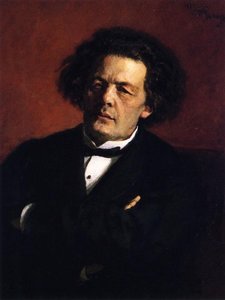
ილია რეპინი, 1844 – 1930

ილია რეპინი-ის 100 ყველაზე ცნობილი ნამთვარი

ილია რეპინი-ის სახელდებად გამოსაცნობი ნამუშწაროა ისააკი მრისხანე და მისი ვაჟი ივანე 1885 წლის 16 ნოემბერს (1885); იგი ტრესტიაკოვის სახელმწიფო გალერეა-ში, მოსკოვი-ში არის ექსპონირებული. ზაპოროჟელი ყაზაკების პასუხი სულთანი महमედ IV-ს (1878) და ბარჟების მგზავრები ვოლგაზე (1873) მათგან შემდეგ მოდიან შემCollections-თა და მუზეუმის სტუმრების გულებში. ჩვენს კატალოგში არსებული ილია რეპინი-ის 672 ნამუშწაროსგან ეს 100 ყველაზე აღიარებულია; თითოეული მათგანი წარმოდგენილია თარიღით, მუზეუმის დასახელებითა და იმ თავისებურებებით, რაც მას განსაკუთრებულს ხდის.

რეიტინგი დადგენილია ჩვენი პოპულარობის ქულებით, რომელიც აერთიანებს თითოეული ნამუშწარების ძიების, ნახვებისა და შეკვეთების რაოდენობას. განახლებულია ოქტომბერი 2026. ამ გვერდზე წარმოდგენილი ყველა შედევრი შეგიძლიათ შეუკვეთოთ, როგორც მუზეუმის ხარისხის, ხელით შესრულებული ზეთწ후იანი რეპროდუქცია, ისე მხატვრული ბეჭდვა თქვენთვის სასურველი ზომის.

ილია რეპინი პორტრეტი
ილია რეპინი · 1844 – 1930
და lahir · died
1844 – 1930, ჩუგუევი
მიმდინარეობა
Realist expressionism
ნამუშევრები ჩვენს კატალოგში
672
ყველაზე ცნობილი
ისააკი მრისხანე და მისი ვაჟი ივანე 1885 წლის 16 ნოემბერს (1885)
ყველაზე მეტი ნამشევრი [at]
ტრესტიაკოვის სახელმწიფო გალერეა

ილია რეპინი: 열টি 걸작

ისააკი მრისხანე და მისი ვაჟი ივანე 1885 წლის 16 ნოემბერს (1885) ავტორის: ილია რეპინი
1

ისააკი მრისხანე და მისი ვაჟი ივანე 1885 წლის 16 ნოემბერს

1885 · ზეთი ტილოზე · ტრესტიაკოვის სახელმწიფო გალერეა, მოსკოვი

The oil-on-canvas work titled Ivan the Terrible and His Son Ivan on November 16, 1885, was executed by the Russian realist artist Ilya Repin. This painting was created between 1883 and 1885. The composition focuses on a specific historical moment involving the Russian tsar Ivan the Terrible and his son, the Tsarevich Ivan Ivanovich. The scene depicts the tsar cradling his dying son following a fatal blow to the head…

ზაპოროჟელი ყაზაკების პასუხი სულთანი महमედ IV-ს (1878) ავტორის: ილია რეპინი
2

ზაპოროჟელი ყაზაკების პასუხი სულთანი महमედ IV-ს

1878 · ზეთი ტილოზე · სახელმწიფო რუსეთის მუზეუმი, St. Petersburg

ილია რეპინის "ზაპოროჟელთა პასუხი თურქეთის სულთანს", რომელიც 1878-1891 წლებში შეიქმნა, რუსული რეალიზმის ერთ-ერთი უმნიშვნელოვანესი ნაწარმოებია და უკრაინული ისტორიის სიმბოლო. ეს ტილო არა მხოლოდ ისტორიული მოვლენის აღწერაა, არამედ ხალხის дух-ის, თავისუფლებისკენ სწრაფვისა და გაუცხოებასთან ბრძოლის გამაოგნებელი გამოხატვაცაა. რეპინი გვეცვლება ზაპოროჟელთა ცხოვრების ნაწყვეტი, სადაც ისინი სულთნის მოითხოვს პასუხს აწერენ, რომელიც სრულიად უგაგებიათ და გაღიზიანებულებმა უარყოფენ.

ბარჟების მგზავრები ვოლგაზე (1873) ავტორის: ილია რეპინი
3

ბარჟების მგზავრები ვოლგაზე

1873 · ზეთი ტილოზე · სახელმწიფო რუსეთის მუზეუმი, St. Petersburg

In the vast landscape of nineteenth-century Russian Realism, few canvases command the viewer's attention with such raw, unyielding power as Ilya Yefimovich Repin’s Barge Haulers on the Volga. Painted between 1870 and 1873, this monumental work is far more than a mere depiction of manual labor; it is a profound psychological study of the human spirit under the weight of systemic hardship. As one gazes upon the scene, the heavy…

მოულოდნელი დაბრუნება (1884) ავტორის: ილია რეპინი
4

მოულოდნელი დაბრუნება

1884 · ზეთი ტილოზე · ტრესტიაკოვის სახელმწიფო გალერეა, მოსკოვი

In the vast tapestry of Russian Realism, few works capture the profound tension between private intimacy and public upheaval as poignantly as Ilya Yefimovich Repin’s Unexpected Return. Painted in 1884, this masterpiece is far more than a mere domestic tableau; it is a psychological study of a moment frozen in time, where the boundaries of a family's sanctuary are suddenly breached by the weight of history. The scene depicts the…

Sadko (1876) ავტორის: ილია რეპინი
5

Sadko

Ilya Repin’s “Sadko,” completed in 1876, is not merely a depiction of a fantastical tale; it’s an immersion into a world where myth and reality intertwine. This monumental canvas, measuring 323 x 230 cm, captures the essence of Russian folklore – the legend of the Volga boatman Sadko, who traded his riches for three beautiful daughters with the Sea King. The scene unfolds as a vibrant, almost overwhelming, tableau of…

Krestny Khod (Religious Procession) in Kursk Gubernia (1883) ავტორის: ილია რეპინი
6

Krestny Khod (Religious Procession) in Kursk Gubernia

A Social Commentary Through Art "CITE>Ilya Yefimovich Repin:CITE>" is renowned for his captivating and thought-provoking paintings, and "CITE>Krestny Khod (Religious Procession) in Kursk Gubernia:CITE>" stands out as a testament to his skillful storytelling through art. This oil on canvas masterpiece, measuring 175 x 280 cm, was created in 1883 and is now housed at the Tretyakov Gallery in Moscow. The Painting's Significance When first exhibited, "Krestny Khod (Religious Procession) in…

Portrait of Chuguev resident S.L. Lyubitskaya (1877) ავტორის: ილია რეპინი
8

Portrait of Chuguev resident S.L. Lyubitskaya

1877 · Oil On Canvas

To stand before Ilya Yefimovich Repin's Portrait of Chuguev resident S.L. Lyubitskaya is to encounter a moment suspended in time, a quiet dialogue between the subject and the viewer. Painted in 1877, this oil on canvas transcends a mere likeness; it is a profound study in human introspection. Repin, the master chronicler of Russian life, captures here not just the features of S.L. Lyubitskaya, but the very essence of her…

The Vice-President of the Academy of Arts, I.I. Tolstoy (1899) ავტორის: ილია რეპინი
10

The Vice-President of the Academy of Arts, I.I. Tolstoy

To gaze upon Ilya Yefimovich Repin's depiction of The Vice-President of the Academy of Arts, I.I. Tolstoy, is to step into a moment suspended in time—a sanctuary of quiet thought amidst the grandeur of late 19th-century Russian intellectual life. This portrait transcends a mere likeness; it captures the very essence of contemplation. The subject, seated with an air of distinguished gravity, holds a book as if it were both a…

კიდევ ილია რეპინი შედევრები, 11-დან 100-მდე

პოეტიური მმართველობა (ვლადიმირ ვლადიმიროვიჩ მაიაკოვსკის პორტრეტი) ავტორის: ილია რეპინი
#45

პოეტიური მმართველობა (ვლადიმირ ვლადიმიროვიჩ მაიაკოვსკის პორტრეტი)

Поэт-футурист (портрет Владимира Владимировича Маяковского) Илья Ефимович Репин – один из самых выдающихся художников России XIX века, чье имя навсегда связано с духом русского реализма и новаторством. Его…

შეიძინეთ თქვენი სახლისთვის →
სერგეი ვიტისПорტრეტი (1903) ავტორის: ილია რეპინი
#51

სერგეი ვიტისПорტრეტი

1903

Порტრეტი სერგეი ვიტე სერგეი ვიტეს პორტრეტი ილია რებინის ნამუშევარი არის რუსული ხელოვნებაში ერთერთი ყველაზე მნიშვნელოვანი და მღვადამშემოცველი ძალისხვევით შექმნილი შედევრი. ეს არის სურათი კაცი რომელიც ტრიუმფალური ოქროს სამოსით…

დაუკვეთეთ ხელით შესრულებული ასლი →

ილია რეპინი-ის შემოქმედება პერიოდების მიხედვით

თემატიკა, რომელსაც ილია რეპინი ყველაზე ხშირად ხატავდა

ამ შედევრებს შორის ყველაზე ხშირადმომხატნავი ოთხი თემა და თითოეული მათგანის საუკეთესო მაგალითი.

სად ნახოთ ილია რეპინი-ის ნახატები

ამ გვერდზე წარმოდგენილი მხატვრობის შედეგების უმეტესობას 8 მუზეუმი ინახავს.

მუზეუმი ქალაქი ილია რეპინი შემოქმედებაలు ამ სიიდან მოპოვებული ნახატები
ტრესტიაკოვის სახელმწიფო გალერეა, მოსკოვიტრესტიაკოვის სახელმწიფო გალერეა მოსკოვი 59 ისააკი მრისხანე და მისი ვაჟი ივანე 1885 წლის 16 ნოემბერს, მოულოდნელი დაბრუნება, Krestny Khod (Religious Procession) in Kursk Gubernia
სახელმწიფო რუსეთის მუზეუმი, St. Petersburgსახელმწიფო რუსეთის მუზეუმი St. Petersburg 28 ზაპოროჟელი ყაზაკების პასუხი სულთანი महमედ IV-ს, ბარჟების მგზავრები ვოლგაზე, Sadko
Finnish National Gallery, ჰელსინკიFinnish National Gallery ჰელსინკი 29 Portrait of Professor Ivanov, The Procurator, The Scytheman
ვიტესკის თანამედროვე ხელოვნების მუზეუმი, ვიტესკივიტესკის თანამედროვე ხელოვნების მუზეუმი ვიტესკი 2 Zaporozhets, A woman in a cap
The State Museum of Fine Arts of Tatarstan Republic, KazanThe State Museum of Fine Arts of Tatarstan Republic Kazan 2 Portrait of Bella Gorskaya
Nizhniy Tagil State Museum of Fine Arts, Nizhny TagilNizhniy Tagil State Museum of Fine Arts Nizhny Tagil 2 Portrait of actor and dramatist Grigory Grigorievich Ghe
National Museum in Warsaw, ვარშავაNational Museum in Warsaw ვარშავა 2 Study of a peasant in the grass.
ერმიტაჟის მუზეუმი, სან-პეტერბურგიერმიტაჟის მუზეუმი სან-პეტერბურგი 1 Portrait of Emperor Nicholas II

ილია რეპინი, ათწლეულების მიხედვით: თითოეული მათგანის გამორჩეული ნამიwork

  1. 1850s
  2. 1860s
    Portrait of Tatyana Repina, the Artist's Mother. (1867) ავტორის: ილია რეპინი
    49 100-დან

    Portrait of Tatyana Repina, the Artist's Mother.

    나س, 16 – 25 წელი · პრაგის ეროვნული გალერეა

    Ilya Yefimovich Repin, one of Russia’s most celebrated and profoundly humanistic painters, possessed an extraordinary ability to distill the essence of his subjects onto canvas. Few portraits capture…

  3. 1870s
    ზაპოროჟელი ყაზაკების პასუხი სულთანი महमედ IV-ს (1878) ავტორის: ილია რეპინი
    # 2 / 100 ადგილটি

    ზაპოროჟელი ყაზაკების პასუხი სულთანი महमედ IV-ს

    나س, 26 – 35 წელი · სახელმწიფო რუსეთის მუზეუმი

    ილია რეპინის "ზაპოროჟელთა პასუხი თურქეთის სულთანს", რომელიც 1878-1891 წლებში შეიქმნა, რუსული რეალიზმის ერთ-ერთი უმნიშვნელოვანესი ნაწარმოებია და უკრაინული ისტორიის სიმბოლო. ეს ტილო არა მხოლოდ ისტორიული მოვლენის აღწერაა, არამედ ხალხის…

  4. 1880s
  5. 1890s
    The Vice-President of the Academy of Arts, I.I. Tolstoy (1899) ავტორის: ილია რეპინი
    10 100-დან

    The Vice-President of the Academy of Arts, I.I. Tolstoy

    나س, 46 – 55 წელი · სახელმწიფო რუსეთის მუზეუმი

    To gaze upon Ilya Yefimovich Repin's depiction of The Vice-President of the Academy of Arts, I.I. Tolstoy, is to step into a moment suspended in time—a sanctuary of…

  6. 1900s
    Portrait of writer Yevgeny Nikolayevich Chirikov (1906) ავტორის: ილია რეპინი
    # 25 / 100 ადგილটি

    Portrait of writer Yevgeny Nikolayevich Chirikov

    나س, 56 – 65 წელი

    To stand before Ilya Yefimovich Repin’s Portrait of writer Yevgeny Nikolayevich Chirikov is to step directly into the vibrant, thoughtful atmosphere of turn-of-the-century Russian intellectualism. Painted in 1906,…

  7. 1910s
  8. 1920s

ილია რეპინი-ის შედევრები: კითხვები და პასუხები

რა ტილოთი არის ყველაზე ცნობილი ილია რეპინი?აჩვენეთ პასუხი

ისააკი მრისხანე და მისი ვაჟი ივანე 1885 წლის 16 ნოემბერს (1885), ტრესტიაკოვის სახელმწიფო გალერეა, მოსკოვი. შემდეგ მოჰყვება ზაპოროჟელი ყაზაკების პასუხი სულთანი महमედ IV-ს (1878) და ბარჟების მგზავრები ვოლგაზე (1873).

რამდენად ასაკიანი იყო ილია რეპინი, როდესაც შექმნა ისააკი მრისხანე და მისი ვაჟი ივანე 1885 წლის 16 ნოემბერს?აჩვენეთ პასუხი

41 წლის: ისააკი მრისხანე და მისი ვაჟი ივანე 1885 წლის 16 ნოემბერს შექმნილია 1885 წელს, ხოლო ილია რეპინი დაიბადა 1844 წელს.

რა არის ილია რეპინი-ის 열ი საუკეთესო ნამუშწარო?აჩვენეთ პასუხი

ისააკი მრისხანე და მისი ვაჟი ივანე 1885 წლის 16 ნოემბერს, ზაპოროჟელი ყაზაკების პასუხი სულთანი महमედ IV-ს, ბარჟების მგზავრები ვოლგაზე, მოულოდნელი დაბრუნება, Sadko, Krestny Khod (Religious Procession) in Kursk Gubernia, Ceremonial Meeting of the State Council, Portrait of Chuguev resident S.L. Lyubitskaya, Portrait of the Poet Voinov და The Vice-President of the Academy of Arts, I.I. Tolstoy. ზემოთ მოცემული რეიტინგი მიუთითებს თითოეულის შექმნის წელსა და მუზეუმს.

რამდენიმე ნამუშწარები შექმნა ილია რეპინი-მა?აჩვენეთ პასუხი

ჩვენს კატალოგში წარმოდგენილია 672 ნამشევრი ილია რეპინი-ის შემოქმედები, დათარიღებული 1859-დან 1926-მდე.

რა მუზეუმებში შემიძლია ვნახო ილია რეპინი-ის შედევრები?აჩვენეთ პასუხი

მათგან უმეტესობა ტრესტიაკოვის სახელმწიფო გალერეა (მოსკოვი), სახელმწიფო რუსეთის მუზეუმი (St. Petersburg) და Finnish National Gallery (ჰელსინკი)-ში მდებარეობს. ზემოთ მოცემულ ცხრილში მუზეუმები დალაგებულია სათითაოდ.

როდის შექმნა ილია რეპინი-მა ეს შედევრები?აჩვენეთ პასუხი

1870s-ში: ამ გვერდზე წარმოდგენილი 100 ნამსთქედან 34 შექმნილია ამ პერიოდში, მათ შორის ზაპოროჟელი ყაზაკების პასუხი სულთანი महमედ IV-ს.

რა არის ილია რეპინი-ის პირველი და ბოლო ცნობილი ნამუშწარები?აჩვენეთ პასუხი

ამ გვერდზე ყველაზე ადრეული არის Portrait of A. Bocharova, artist's aunts (1859), ხოლო ყველაზე გვიანდელი — Portrait of the Poet Voinov (1926).

რა იყო ილია რეპინი-ის საყვარელი თემები?აჩვენეთ პასუხი

Portrait (36), Russian art (29) და Repin (17), ამ გვერდზე წარმოდგენილი 100 ნამუშწაროდან.

ილია რეპინი-ს რომელი ტექნიკა ერჩიათ?აჩვენეთ პასუხი

Oil On Canvas: 49 100 ნამუშწაროსგან ამ გვერდზე.

რა ხელოვნების მიმართულებას მიეკუთვნება ილია რეპინი?აჩვენეთ პასუხი

Realist expressionism, როგორც ამ გვერდზე წარმოდგენილი სურათები აჩვენებს.

ილია რეპინი-ის რომელი შედევრული ნამუშევრებია წარმოდგენილი ტრესტიაკოვის სახელმწიფო გალერეა-ში?აჩვენეთ პასუხი

ისააკი მრისხანე და მისი ვაჟი ივანე 1885 წლის 16 ნოემბერს, მოულოდნელი დაბრუნება და Krestny Khod (Religious Procession) in Kursk Gubernia არის 28 ნამუშწარwerksიდან ერთ-ერთი, რომელიც ამ გვერდზე ტრესტიაკოვის სახელმწიფო გალერეა, მოსკოვი-ის მფლობელობაშია.

შეიძლება თუ არა ილია რეპინი-ის შედევრიდან რეპროდუქციის შეძენა?აჩვენეთ პასუხი

დიახ. ამ გვერდზე წარმოდგენილი ყველა სურათის შეკვეთა შესაძლებელია მუზეუმის ხარისხის, ხელით შესრულებული ზეთისებრი რეპროდუქცია ან მხატვრული ბეჭდვა თქვენთვის სასურველი ზომით, სურათის საკუთარი გვერდიდან.

ილია რეპინი-ის ცხოვრება

Early Life, Family and Training

Ilya Yefimovich Repin entered the world on August 5, 1844, in Chuguev, located within the Kharkov Governorate of the Russian Empire. His upbringing was shaped by the practicalities of a modest household; his father, Yefim Vasilyevich Repin, was a military settler who later worked as an itinerant merchant. This background provided a connection to the movement of people and the realities of provincial life that would later inform his perspective. His early years were defined by the quiet discipline of a small town, far from the formal academies that would eventually define his professional life.

The seeds of his technical skill were sown through a traditional apprenticeship. At the age of sixteen, he began the meticulous work of painting icons, learning the craft under the guidance of local icon painters. This period of training required a precise hand and an understanding of religious composition. It was a rigorous introduction to the visual language of his surroundings, teaching him to observe the nuances of form and light before he ever stepped foot in a major metropolitan center.

In 1863, driven by an ambition to refine his talent, he traveled to Saint Petersburg. He did not enter the Imperial Academy of Arts through the standard channels at first, but instead audited courses, absorbing the atmosphere and instruction of the institution. This period of self-directed study allowed him to bridge the gap between his provincial training and the formal academic standards of the capital. He was a man of persistence, navigating the transition from a student of religious imagery to a serious practitioner of secular art.

The Rise of a Realist Master

The transition from a student to a central figure in Russian art was marked by rapid academic success. After navigating the challenges of his early training, he secured his first prizes at the Imperial Academy of Arts in 1869 and 1871. These accolades signaled a shift toward a more direct engagement with the world around him. His growing reputation led to a significant commission from Grand Duke Vladimir Alexandrovich for The Barge Haulers on the Volga, a work that would define his early career and establish his commitment to depicting the realities of labor.

Between 1873 and 1876, his perspective expanded through two years spent in Paris and Normandy. This period allowed him to observe the techniques of painting in the open air, which he would later integrate into his own approach to light and form. He did not merely replicate the styles he encountered; instead, he refined a method of capturing the human condition with a specific, unvarnished clarity. This period of travel provided the technical breadth necessary to move beyond simple representation into a more profound psychological realism.

By 1894, his influence had become institutionalized when he was appointed a professor of historical painting at the St. Petersburg Academy. He had moved from the periphery of the art world to its very center, teaching the next generation how to navigate the tension between academic tradition and the demand for social truth. His career had come full circle, from a student auditing classes to a master shaping the direction of national art.

Key Works and Masterpieces

Repin’s ascent was marked by a profound ability to translate the struggles of the common man into monumental visual narratives. In 1873, he produced Barge Haulers on the Volga, a work that captured the brutal physical toil of laborers dragging boats along the river. This painting moved beyond simple observation, offering a searing indictment of social injustice through the exhaustion and resolve of its subjects. It established him as a painter deeply attuned to the human condition and the socio-political tensions of his era.

His interest in the complexities of the Russian soul led him to explore both religious and historical themes with intense psychological depth. Between 1880 and 1883, he painted Religious Procession in Kursk Province, a nuanced study of faith and social hierarchy. This period also saw the development of Reply of the Zaporozhian Cossacks, a work created between 1880 and 1891 that captured a defiant spirit of resistance. His brushwork often balanced the joy of folk motifs with the darker, more heavy aspects of history.

The capacity for drama reached a peak in 1885 with Ivan the Terrible and His Son Ivan. This depiction of a moment of horrific violence and remorse remains one of his most striking explorations of power and guilt. Through these varied subjects, Repin moved from the grit of the riverbanks to the heavy shadows of the Kremlin, always maintaining a focus on the internal struggles of his figures.

Technique and Artistic Style

Repin established himself as the foremost exponent of the Russian Realist style, a movement that sought to strip away academic idealization in favor of the unvarnished truth of contemporary life. His artistic language was defined by a profound sense of plasticity, a quality that allowed him to render the human form and its surroundings with a tangible, three-dimensional presence. This technical command enabled him to move beyond mere likeness, capturing the physical weight of a laborer or the subtle tension in a historical scene. He was a master of genre painting, finding profound meaning in the everyday activities of the common people and the complex social hierarchies of his era.

His approach was not static, however. During his time in France and Italy, he encountered the burgeoning Impressionist movement, and the influence of French plein-air techniques became evident in his later work. He began to integrate these observations into his rigorous realist foundation, utilizing light and brushwork to suggest atmosphere and movement rather than relying solely on rigid, polished finishes. This synthesis allowed him to depict the psychological depth of his subjects through a more fluid, observational lens. He used the human face as a landscape of emotion, often focusing on the internal struggles of his sitters.

Later Years and Death

The final chapter of Repin’s life was marked by a quiet withdrawal from the turbulent currents of history. Following the February Revolution of 1917, he found himself increasingly disillusioned by the violence and terror unleashed by the Bolsheviks. This profound sense of unease prompted a retreat from the center of Russian life toward the more tranquil surroundings of his estate, Penates. Located in Kuokkala, Finland, this sanctuary provided a refuge from the political upheaval that had reshaped his homeland.

In this secluded setting, he continued to paint, finding a sense of peace away from the social transformations occurring in the cities. His focus shifted toward more personal and introspective subjects, often drawing from his immediate surroundings and the people closest to him. He remained active in his craft until his final days, maintaining a connection to the art that had defined his existence. He died on 29 September 1930 in Kuokkala. He is buried at The Penates.

Legacy and Enduring Influence

The influence of Ilya Yefimovich Repin extended far beyond the borders of the Russian Empire, reaching into the very foundations of modern painting. By defining the parameters of Russian realism, he established a visual language that would later inform the development of Socialist Realism. His ability to merge technical academic precision with a sharp social conscience allowed his work to function as a mirror to a changing society. This commitment to portraying the human condition with honesty ensured that his impact would be felt by generations of artists who followed in his footsteps.

His reputation was recognized on the international stage, far from the provincial towns of his youth. In 1900, he served as a jury member of the Paris World Fair, a position that reflected his standing among the global artistic elite. This recognition was further solidified when he was awarded the Legion of Honour, an honor that underscored his importance to the European art world. He moved between the rigorous traditions of the Academy and the evolving techniques of plein-air painting, leaving behind a body of work that bridged the gap between the old world and the new.

Where to See the Works Today

The physical presence of Repin's oeuvre is scattered across several major institutions, reflecting the breadth of his influence. The Tretyakov Gallery in Moscow remains the most significant repository, housing 26 of his works. Within this collection, one can find his portrait of the composer Modest Musorgsky, dated 1881, alongside the portrait of Pavel Tretyakov from 1883. These pieces offer a direct encounter with the psychological depth he brought to his subjects.

Beyond Moscow, his canvases have traveled to various corners of Europe and the former Soviet territories. The Vitebsk Museum of Modern Art holds two of his works, while the Pushkin State Museum in Moscow preserves a single piece. In Prague, the National Gallery maintains one of his paintings, ensuring his visual language remains accessible to international audiences. These specific locations provide a fragmented but significant map of his artistic output.

ყველა 672 ნამუშევარი, რომელიც შემოქმედებითად ეკუთვნის ილია რეპინი →