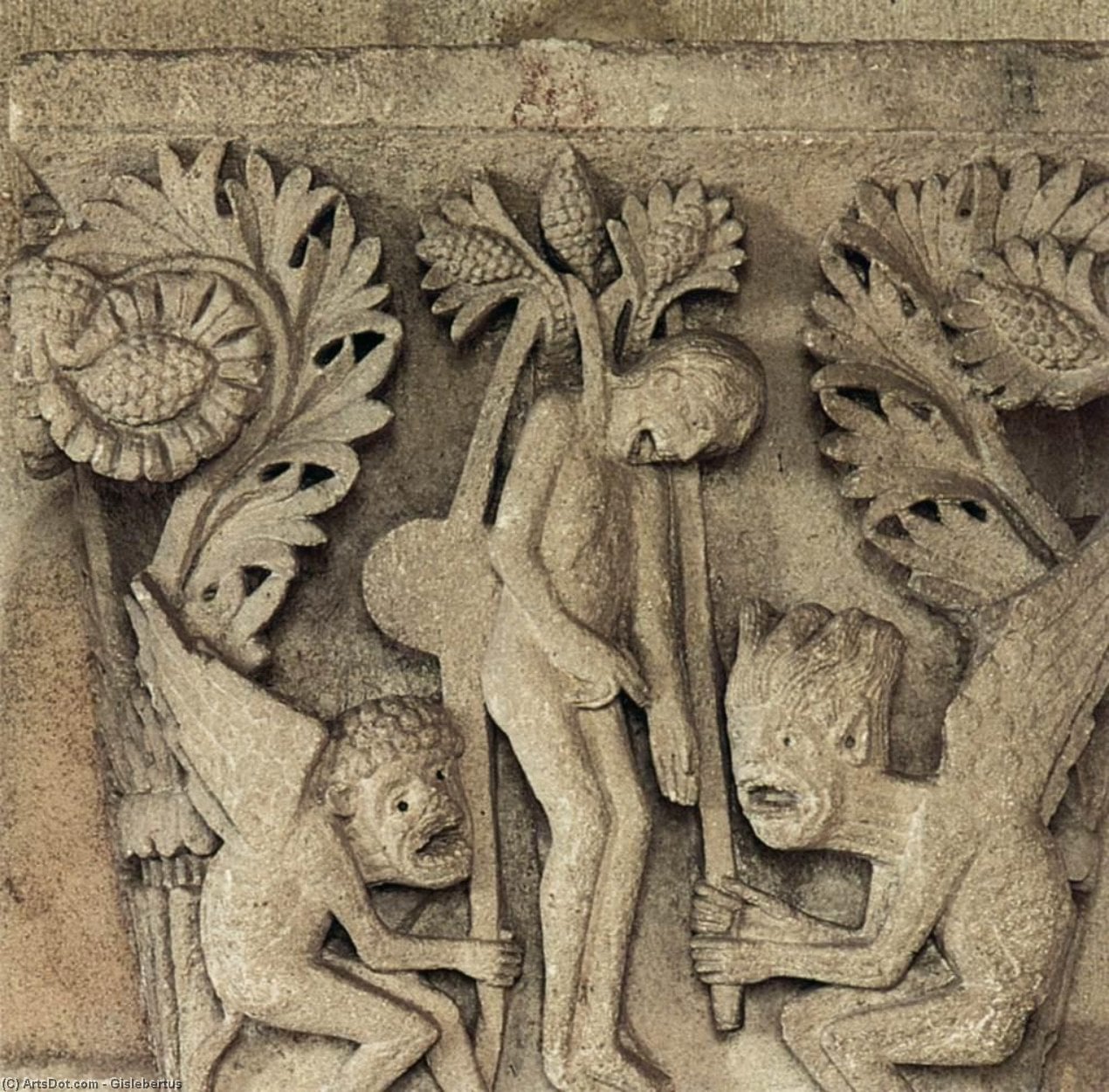
Gislebertus, 1120 – 1135

Gislebertus-ის 11 ყველაზე ცნობილი ნამთვარი

Gislebertus-ის სახელდებად გამოსაცნობი ნამუშწაროა Tympanum of the main portal (detail) (1130); იგი სან ლაზარეს საკათედრო ტაძარი ოტუნში-ში, ავტუნი-ში არის ექსპონირებული. Pilgrims (1120) და Last Judgment (detail) (1130) მათგან შემდეგ მოდიან შემCollections-თა და მუზეუმის სტუმრების გულებში. ჩვენს კატალოგში არსებული Gislebertus-ის 11 ნამუშწაროსგან ეს 11 ყველაზე აღიარებულია; თითოეული მათგანი წარმოდგენილია თარიღით, მუზეუმის დასახელებითა და იმ თავისებურებებით, რაც მას განსაკუთრებულს ხდის.

რეიტინგი დადგენილია ჩვენი პოპულარობის ქულებით, რომელიც აერთიანებს თითოეული ნამუშწარების ძიების, ნახვებისა და შეკვეთების რაოდენობას. განახლებულია ოქტომბერი 2026. ამ გვერდზე წარმოდგენილი ყველა შედევრი შეგიძლიათ შეუკვეთოთ, როგორც მუზეუმის ხარისხის, ხელით შესრულებული ზეთწ후იანი რეპროდუქცია, ისე მხატვრული ბეჭდვა თქვენთვის სასურველი ზომის.

Gislebertus პორტრეტი
Gislebertus · 1120 – 1135
და lahir · died
1120 – 1135
მიმდინარეობა
Romanesque
ნამუშევრები ჩვენს კატალოგში
11
ყველაზე ცნობილი
Tympanum of the main portal (detail) (1130)
ყველაზე მეტი ნამشევრი [at]
სან ლაზარეს საკათედრო ტაძარი ოტუნში

Gislebertus: 열টি 걸작

Tympanum of the main portal (detail) (1130) ავტორის: Gislebertus
1

Tympanum of the main portal (detail)

The Tympanum of the main portal (detail) by Gislebertus emerges from the stone of the Saint-Lazare Cathedral in Autun, France. Created about 1130, this relief captures a profound moment of divine reckoning. It presents a scene from the Last Judgment, where the boundaries between the earthly and the eternal seem to dissolve. The figures move with a frantic, stylized energy that defines the Romanesque style. Every carved line speaks to…

Pilgrims (1120) ავტორის: Gislebertus
2

Pilgrims

In the stone of Saint Lazare Cathedral in Autun, France, the relief titled Pilgrims captures a moment of quiet devotion. Created by the French Romanesque sculptor Gislebertus about 1120, the work depicts figures caught in a singular act of prayer. These travelers move through the heavy, carved medium to find a stillness in the midst of their movement. The stone holds the weight of their supplication.

Last Judgment (detail) (1130) ავტორის: Gislebertus
3

Last Judgment (detail)

The work before us is the Last Judgment (detail) by Gislebertus. This relief carving, created about 1130, offers a focused view of the profound theological drama unfolding within the Saint-Lazare Cathedral in Autun, France. It is situated within the Кафедральний собор Святого Лазаря в Отюні, Autun, where it remains a central element of the cathedral's architectural and spiritual program.

იudas სიცოცხლის დაქსინება (1120) ავტორის: Gislebertus
10

იudas სიცოცხლის დაქსინება

1120 · აკრილი ტილოზე · სან ლაზარეს საკათედრო ტაძარი ოტუნში, ავტუნი

GISLEBERTUS: The Sculptor of Autun Cathedral’s Divine Vision Gislebertus remains an enigma to art historians – his life is shrouded in obscurity, leaving us with only fragments gleaned from scholarly research and the remarkable legacy of his monumental sculptures. Born around 1120, he emerged from the vibrant artistic milieu of Burgundy during a period dominated by fervent religious devotion and ambitious architectural undertakings. While biographical details are scarce, evidence suggests…

კიდევ Gislebertus შედევრები, 11-დან 11-მდე

თემატიკა, რომელსაც Gislebertus ყველაზე ხშირად ხატავდა

ამ შედევრებს შორის ყველაზე ხშირადმომხატნავი ოთხი თემა და თითოეული მათგანის საუკეთესო მაგალითი.

სად ნახოთ Gislebertus-ის ნახატები

ამ გვერდზე წარმოდგენილი მხატვრობის შედეგების უმეტესობას 2 მუზეუმი ინახავს.

მუზეუმი ქალაქი Gislebertus შემოქმედებაలు ამ სიიდან მოპოვებული ნახატები
სან ლაზარეს საკათედრო ტაძარი ოტუნში, ავტუნისან ლაზარეს საკათედრო ტაძარი ოტუნში ავტუნი 9 Tympanum of the main portal (detail), Pilgrims, Last Judgment (detail)
Musée Rolin, AutunMusée Rolin Autun 1 Eve

Gislebertus, წელიწადმიწადობით: გამორჩეული ნამუშევრები

ამ გვერდზე წარმოდგენილი Gislebertus-ის ყველა დათარიღებული შედევრი 1130 წელს შექმნილია: აი, ისინი.

  1. 1130
    Tympanum of the main portal (detail) (1130) ავტორის: Gislebertus
    1 11-დან

    Tympanum of the main portal (detail)

    나س 10 წელი · სან ლაზარეს საკათედრო ტაძარი ოტუნში

    The Tympanum of the main portal (detail) by Gislebertus emerges from the stone of the Saint-Lazare Cathedral in Autun, France. Created about 1130, this relief captures a profound…

  2. 1130
    Last Judgment (detail) (1130) ავტორის: Gislebertus
    3 11-დან

    Last Judgment (detail)

    나س 10 წელი · სან ლაზარეს საკათედრო ტაძარი ოტუნში

    The work before us is the Last Judgment (detail) by Gislebertus. This relief carving, created about 1130, offers a focused view of the profound theological drama unfolding within…

  3. 1130
    Tympanum of the main portal (1130) ავტორის: Gislebertus
    ნომერი 5 11-დან

    Tympanum of the main portal

    나س 10 წელი · სან ლაზარეს საკათედრო ტაძარი ოტუნში
  4. 1130
    Eve (1130) ავტორის: Gislebertus
    6 11-დან

    Eve

    나س 10 წელი · Musée Rolin
  5. 1130
    Last Judgment (1130) ავტორის: Gislebertus
    7 11-დან

    Last Judgment

    나س 10 წელი · სან ლაზარეს საკათედრო ტაძარი ოტუნში
  6. 1130
    Main portal (1130) ავტორის: Gislebertus
    ნომერი 8 11-დან

    Main portal

    나س 10 წელი · სან ლაზარეს საკათედრო ტაძარი ოტუნში
  7. 1130
    Last Judgment (detail) (1130) ავტორის: Gislebertus
    9 11-დან

    Last Judgment (detail)

    나س 10 წელი · სან ლაზარეს საკათედრო ტაძარი ოტუნში

Gislebertus-ის შედევრები: კითხვები და პასუხები

რა ტილოთი არის ყველაზე ცნობილი Gislebertus?აჩვენეთ პასუხი

Tympanum of the main portal (detail) (1130), სან ლაზარეს საკათედრო ტაძარი ოტუნში, ავტუნი. შემდეგ მოჰყვება Pilgrims (1120) და Last Judgment (detail) (1130).

რამდენად ასაკიანი იყო Gislebertus, როდესაც შექმნა Tympanum of the main portal (detail)?აჩვენეთ პასუხი

10 წლის: Tympanum of the main portal (detail) შექმნილია 1130 წელს, ხოლო Gislebertus დაიბადა 1120 წელს.

რა არის Gislebertus-ის 열ი საუკეთესო ნამუშწარო?აჩვენეთ პასუხი

Tympanum of the main portal (detail), Pilgrims, Last Judgment (detail), Dream of the Magi, Tympanum of the main portal, Eve, Last Judgment, Main portal, Last Judgment (detail) და იudas სიცოცხლის დაქსინება. ზემოთ მოცემული რეიტინგი მიუთითებს თითოეულის შექმნის წელსა და მუზეუმს.

რამდენიმე ნამუშწარები შექმნა Gislebertus-მა?აჩვენეთ პასუხი

ჩვენს კატალოგში წარმოდგენილია 11 ნამشევრი Gislebertus-ის შემოქმედებიდან.

რა მუზეუმებში შემიძლია ვნახო Gislebertus-ის შედევრები?აჩვენეთ პასუხი

მათგან უმეტესობა სან ლაზარეს საკათედრო ტაძარი ოტუნში (ავტუნი) და Musée Rolin (Autun)-ში მდებარეობს. ზემოთ მოცემულ ცხრილში მუზეუმები დალაგებულია სათითაოდ.

როდის შექმნა Gislebertus-მა ეს შედევრები?აჩვენეთ პასუხი

1130-ში: ამ გვერდზე წარმოდგენილი 11 ნამსთქედან 7 შექმნილია ამ პერიოდში, მათ შორის Tympanum of the main portal (detail).

რა იყო Gislebertus-ის საყვარელი თემები?აჩვენეთ პასუხი

Medieval art (3), Autun cathedral (3) და People (2), ამ გვერდზე წარმოდგენილი 11 ნამუშწაროდან.

Gislebertus-ს რომელი ტექნიკა ერჩიათ?აჩვენეთ პასუხი

Stone: 3 11 ნამუშწაროსგან ამ გვერდზე.

რა ხელოვნების მიმართულებას მიეკუთვნება Gislebertus?აჩვენეთ პასუხი

Romanesque, როგორც ამ გვერდზე წარმოდგენილი სურათები აჩვენებს.

Gislebertus-ის რომელი შედევრული ნამუშევრებია წარმოდგენილი სან ლაზარეს საკათედრო ტაძარი ოტუნში-ში?აჩვენეთ პასუხი

Tympanum of the main portal (detail), Pilgrims და Last Judgment (detail) არის 9 ნამუშწარwerksიდან ერთ-ერთი, რომელიც ამ გვერდზე სან ლაზარეს საკათედრო ტაძარი ოტუნში, ავტუნი-ის მფლობელობაშია.

შეიძლება თუ არა Gislebertus-ის შედევრიდან რეპროდუქციის შეძენა?აჩვენეთ პასუხი

დიახ. ამ გვერდზე წარმოდგენილი ყველა სურათის შეკვეთა შესაძლებელია მუზეუმის ხარისხის, ხელით შესრულებული ზეთისებრი რეპროდუქცია ან მხატვრული ბეჭდვა თქვენთვის სასურველი ზომით, სურათის საკუთარი გვერდიდან.

Gislebertus-ის ცხოვრება

Gislebertus: The Sculptor of Autun Cathedral’s Divine Vision

Gislebertus, a name etched in stone and whispered through the centuries, stands as one of the most remarkable figures of Romanesque sculpture. Specifically celebrated for his profound contribution to Saint Lazare Cathedral in Autym, France, he emerged from the fertile artistic landscape of Burgundy during a period profoundly shaped by religious fervor and burgeoning architectural ambition. Born sometime around 1120, Gislebertus lived through an era where art served as the primary language of the faithful. While biographical details remain scarce, scholars believe he was trained at Cluny Abbey, arguably the epicenter of European monastic art and intellectual life at the time. This formative experience instilled in him a deep understanding of biblical narratives and imbued his work with an unwavering devotion to Christian themes.

His initial role at Cluny involved assisting the master sculptor, cementing his position within a tradition prioritizing didactic storytelling—conveying moral lessons through visual representation. The cathedral’s ambitious project demanded exceptional skill, and Gislebertus quickly established himself as a pivotal talent. Recognizing the importance of providing solace to pilgrims afflicted with leprosy—a prevalent ailment during the 12th century—the Abbey envisioned Saint Lazare as more than just a place of worship; it was intended as a sanctuary for the marginalized. This vision profoundly impacted Gislebertus’ artistic sensibilities, prompting him to create reliefs that resonated with compassion and hope, featuring imagery designed to uplift those facing immense suffering.

Mastery of Emotion and Narrative Relief

The true genius of Gislebertus lies in his ability to translate complex theological concepts into visceral, physical forms. His work at Autun is characterized by a dramatic use of line and shadow that breathes life into the cold stone. In masterpieces such as the Suicide of Judas, created around 1120-30, he captures the raw horror and despair associated with treason. Through the depiction of hanging figures and menacing demonic entities, Gisleberus showcases an exceptional skill in capturing human psychological torment, a hallmark of the Romanesque style that pushes the boundaries of medieval expression.

Beyond the scenes of tragedy, his work also celebrates the spiritual journey of the faithful. In his Pilgrims relief, one can observe a powerful depiction of devotion, where strong lines and dramatic shadows emphasize the physical and spiritual weight of the pilgrimage. This ability to oscillate between the terrifying aspects of divine judgment and the quiet strength of religious perseverance makes his oeuvre uniquely captivating. His sculptures do not merely decorate a building; they act as a window into the medieval soul, inviting the viewer to contemplate the eternal struggle between good and evil.

Legacy and Historical Significance

The artistic development of Gislebertus represents a crucial bridge in the evolution of European art. While his roots are firmly planted in the Romanesque tradition of Cluny, his expressive power and narrative complexity hint at the burgeoning naturalism that would later define Gothic art. His work on the Dream of the Magi further demonstrates this sophisticated approach to storytelling, blending historical reverence with a sense of wonder.

The enduring significance of Gislebertus can be summarized through several key contributions:

  • Narrative Innovation: He transformed architectural elements like tympanums into complex, readable storybooks for the illiterate masses.
  • Emotional Depth: He moved beyond static iconography to introduce psychological depth and human emotion into stone sculpture.
  • Cluniac Influence: He carried the high intellectual and spiritual standards of Cluny Abbey into the public sphere of cathedral architecture.
  • Architectural Integration: His ability to harmonize intricate sculptural detail with the massive, heavy forms of Romanesque architecture remains a pinnacle of medieval craftsmanship.

Today, the works of Gislebertus remain some of the most studied and revered examples of 12th-century art. He remains a master whose hands, though long since returned to dust, continue to speak through the enduring stone of Autun, reminding us of a time when art was the ultimate vessel for the divine.

ყველა 11 ნამუშევარი, რომელიც შემოქმედებითად ეკუთვნის Gislebertus →