ჟორჟ ბრაკი, 1882 – 1963

ჟორჟ ბრაკი: The 100 Most Famous Paintings

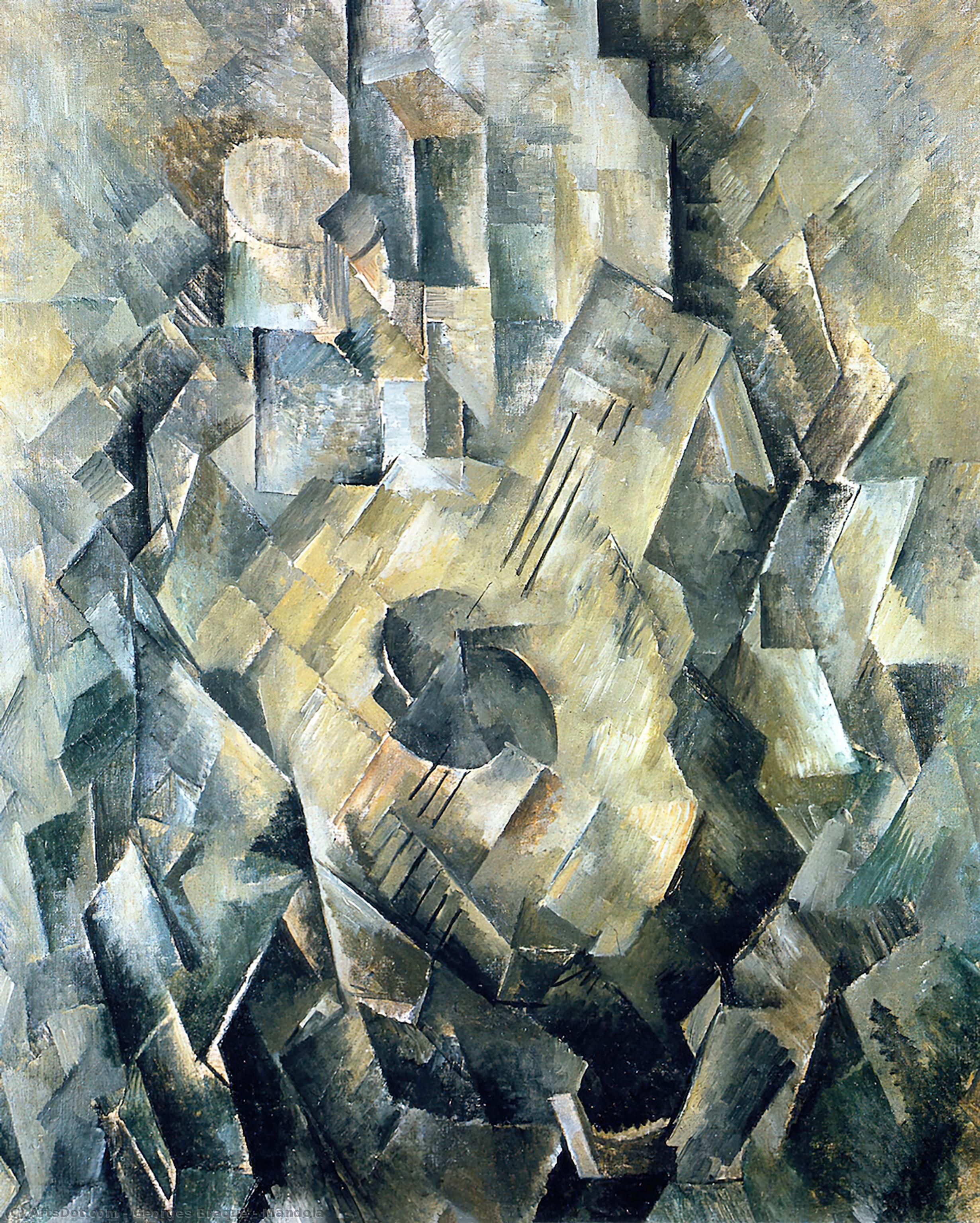
მანდოლა (1910) is the most famous painting by ჟორჟ ბრაკი, held by the Tate Gallery in ლონდონი. გიტარista (1914) and ლ'ესტაკის სახლები are the next two works the world knows best. From the 700 works of ჟორჟ ბრაკი in our catalogue, here are the 100 that collectors and museum visitors look at most, with the year, the museum and the story of each.

Ranked by our popularity score, which combines the searches, visits and orders for each work. Updated ოქტომბერი 2026.

Portrait of ჟორჟ ბრაკი
ჟორჟ ბრაკი · 1882 – 1963
Born · died
1882 – 1963, არჟანტეი
Movement
Კუბიზმი
Works in our catalogue
700
Most famous
მანდოლა (1910)
Most works at
The Phillips Collection

Top 10: ჟორჟ ბრაკი's best-known paintings

მანდოლა (1910) by ჟორჟ ბრაკი
1

მანდოლა

1910 · ზეთი ტილოზე · Tate Gallery, ლონდონი

"Mandola": ანალიტიკური კუბიზმის მნიშვნელოვანი ნაწევრი ჟორჟ ბრაკის "Mandola", რომელიც 1910 წელს შეიქმნა, არის ანალიტიკური კუბიზმის განვითარებაში გადამწყვეტი ნაშრომი – რევოლუციური სტილი, რომელმაც გაანგარიშა ტრადიციული მხატვრული კონვენციები. ეს ზეთის საღებავით ტილოზე შესრულებული კომპოზიცია (71 x 56 სმ) არ არის მხოლოდ მუსიკალური ინსტრუმენტის απεικόნება; ეს არის ფორმის, აღქმის და ხედვისავე პროცესის βαθოკვეთა. ბრაკი მანდოლას (ლუთ-სგვანი ინსტრუმენტი) დემონტაჟს ახორციელებს, მის ფორმას რთული გეომეტრიული პლანების კომპლექსურ თამაშში გარდაქმნის. ფორმის და ფერის დეკონსტრუქცია პოემის ხასიათი…

გიტარista (1914) by ჟორჟ ბრაკი
2

გიტარista

1914 · ზეთი ტილოზე

ჟორჟ ბრაკის შედევრი, "გიტარista" (1914), არის ანალიტიკური კუბიზმის მნიშვნელოვანი ნიმუში, რომელიც რადიკალურად შეცვალა ხელოვნების წარმოდგენა მეოცე საუკუნის 초반ში. ეს არ არის 단순ად მუსიკოსის გამოსახულება; ესაა ფორმის, სივრცის და აღქმის βαθაკი შესწავლა, რომელიც ფ canvases ზედმიდად არის განთავსებული ინტელექტუალური სიზუსტით. ეს ნაწარმოები, რომელსაც კოლექციონერები აქტიურად ეძებენ, წარმოადგენს შთამთევრებელ დეკორაციას ნებისმიერი ინტერიერს და ხაზს უსვამს იმ მხატვრულ ექსპერიმენტების духу, რომელიც ამ ეპოქას ახასიათებდა.

ლ'ესტაკის სახლები by ჟორჟ ბრაკი
3

ლ'ესტაკის სახლები

ზეთი ტილოზე

გეორგ ბრაკის "ლ'ესტაკის სახლები" არის მომხიბვლავი ნაწარმოები, რომელიც წარმოადგენს პროტოკუბისტური სტილის შესანიშნავ გამოვლინებას. ეს პეიზაჟი ივყნება ხმელთაშუა ზღვის სოფელს, ლ'ესტაკს, მისი გამორჩეული სახლები და ბუნებრივი გარემოსთან ერთად. კომპოზიცია დინამიკური და ფრაგმენტულია, რაც გამოხატავს გადაკვეთილ გეომეტრიულ ფორმებს, რომლებიც ტრადიციულ პერსპექტივას ეწინააღმდეგება, მაგრამ შენარჩუნებენ სიგრძის გრძნობას. ბრაკი აქამდე ფავისტური ნამუშევრებისგან გადასვლას ახდენს კუბიზმის პირველებρώლიან საფეხურებზე.

ხორვატის ნორმანდიელი (1909) by ჟორჟ ბრაკი
4

ხორვატის ნორმანდიელი

1909 · ზეთი ტილოზე · ჩიკაგოს ხელოვნების ინსტიტუტი, ჩიკაგო

კუბისტური ინოვაციის შედევრი ჟორჟ ბრაკეს „ნორმანდიის პორტი“ (1909) ადრეული კუბიზმის მომხიბვლელი ნიმუშია, რომელიც მხატვრის რევოლუციურ მიდგომას ფორმისა და პერსპექტივისადმი წარმოაჩენს. ეს დინამიკური ნამუშევარი ფრაგმენტული ფორმებისა და მკვეთრი ხაზების მეშვეობით ქმნის გადაჭედლი პორტის სურათს, რაც მაყურებელს იმ სამყაროში ეპატიჟებს, სადაც ტრადიცია და ინოვაცია ერთმანეთს ერწყმის. დინამიკური კომპოზიცია და ნათელი ფერები კომპოზიცია წარმოადგენს გადაფარული გეომეტრიული ფორმების სიმფონიას, რაც სიღრმესა და სირთულეს ქმნის. ნავები, რომლებიც კუთხოვანი სიზუსტით არის გამოსახული, თითქოს ქარში ცეკვავენ, ხოლო…

ქალი კითხულობს (1911) by ჟორჟ ბრაკი
5

ქალი კითხულობს

1911 · ზეთი ტილოზე

Georges Braque’s “Woman Reading,” completed in 1911, stands as an emblem of Analytical Cubism—a movement that irrevocably altered the course of artistic history. More than just a depiction of a woman absorbed in her book, it embodies Braque's audacious challenge to conventional representation, prioritizing geometric abstraction and multiple perspectives over realistic illusion.

ვიოლინო და პალიტრა (1910) by ჟორჟ ბრაკი
6

ვიოლინო და პალიტრა

1910 · ზეთი ტილოზე · სოლომონ რ. გუგენჰაიმის მუზეუმი, ნიუ-იორკი

სუბიექტისა და კომპოზიციის კვლევა ეს მომხიბვლელი ნამუშევარი დინამიკურ ნატილობის სცენას წარმოგვიდგენს, სადაც, სავარაუდოდ, მუსიკალური ინსტრუმენტები, როგორიცაა ვიოლინო და პალიტრა, ფრაგმენტულ და აბსტრაქტულ ფორმაშია მოწყობილი. კომპოზიცია მაყურებელს მოუწოდებს, გამოიკვლიოს ფორმების მრავალშრიანი ურთიერთქმედება, სადაც ნაცნობი საგნები გეომეტრიულ ფასეტებად არის დაშლილი. ამ სუბიექტის შინაარსი აღნიშნავს მხატვრულ და მუსიკალურ შემოქმედებას, რაც სიმბოლურად გამოხატავს ჰარმონიას, კრეატიულობას და ხელოვნური ელემენტების ურთიერთდაკავშირებულობას. მისი საინტერესო განლაგება ხელს უწყობს კონტლემპლატიურ ჩართულობას და მოდერნისტული პერსპექტივით ააშკარავებს სილამაზეს ყოველდღიურ საგნებში. სტილი…

მუსიკოსი (1918) by ჟორჟ ბრაკი
7

მუსიკოსი

1918 · ზეთი ტილოზე

ჟორჟ ბრაკის 1918 წწ. ნამუშევარი, "The Musician", არის კუბისტური შედევრი, რომელიც მოგვიანდших générations-ის ხელოვან გ myśl-ში დიდი გავლენა იქონია. ეს ნამუშევარი არ არის მხოლოდ სურათი; ის არის სიცნური და სიღმარის შემოქმედების გამოხატვა, ექსპრესიული და რთული, რომელიც thách thứcებს ჩვენს შეხედულებას სიმაგრისა და სიმდიდრის შესახებ.

დუეტი (Le Duo) (1937) by ჟორჟ ბრაკი
8

დუეტი (Le Duo)

1937 · ზეთი ტილოზე · ცენტრი პომპიდო, პარიზი

გეომეტრიისა და ელეგანტურობის სიმფონია 1937 წლის სიმშვიდეში, ჟორჟ ბრაკემ უფრო მეტი შემოინახა, ვიდრე უბრალოდ მუსიკალური მომენტი; მან დაიჭირ harmonious დიალოგის თავად არსი. დუეტი (Le Duo) მაყურებელს ინტიმურ სავანეს ეპატიჟებს, სადაც ორი ფიგურა პიანინოს რიტმულ პულსაციასთან არის გადაჯაჭვული. ერთი შეხედვით, სცენა მეგობრობის ნაზ ვინეტირეტად ჩანს, თუმცა ამ ზედაპირის მიღმა კუბისტური მოძრაობის ღრმა ინტელექტუალური სიმკაცრე იმალება. ბრაკე ზედმიწევნით დეკონსტრუირებას უკეთებს ფიზიკურ სამყადლოს, სუბიექტებსა და მათ გარემოს ფრაგმენტულ სიბრტყეთა რთულ კომპოზიციად გარდაქმნის. ეს…

ქალი გიტარით (1913) by ჟორჟ ბრაკი
9

ქალი გიტარით

1913 · აკრილი ტილოზე

A Revolutionary Fusion: Exploring Braque’s *Woman with a Guitar* (1913) Georges Braque's *Woman with a Guitar*, painted in 1913, stands as a pivotal work bridging the vibrant energy of Fauvism and the groundbreaking innovations of Cubism. This isn’t merely a depiction of a musician; it’s a radical deconstruction of form and perception that irrevocably altered the course of modern art. The painting exemplifies Braque's unique ability to synthesize artistic influences,…

Heracles by ჟორჟ ბრაკი
10

Heracles

Lithograph

The Deconstruction of Heroism In the dawn of the twentieth century, Georges Braque embarked on a visual revolution that would forever alter the trajectory of modern art. His work, Heracles, stands as a profound testament to this era of radical reimagining. Executed around 1910, this monochrome lithograph does not merely recount the legendary exploits of the Greek hero; instead, it embodies the very essence of Cubism’s departure from traditional representation.…

The rest of the ჟორჟ ბრაკი ranking, 11 to 100

Violin and candlestick (1910) by ჟორჟ ბრაკი
#12

Violin and candlestick

1910

Georges Braque's "Violin and Candlestick," painted in 1910, isn’t merely a depiction of objects; it’s an architectural exploration of perception itself. This pivotal work, rendered in the heart…

რგოლი, ლეს-ლეკი (1906) by ჟორჟ ბრაკი
#13

რგოლი, ლეს-ლეკი

1906 · ცენტრი პომპიდო

თანამედროვე ხელოვნების ანალებში, ძალიან ცოტა მომენტი ასახავს სტილისტური რევოლუციის პირველყოფილ, ურჩ ენერგიას ისე, როგორც ეს ჟორჟ ბრაკეს რგოლი, ლეს-ლეკი ასახავს. 1906 წელს შექმნილი ეს შედევრი ფავიზმის გულსთან შეხებაა…

Guitar and Sheet Music (1919) by ჟორჟ ბრაკი
#14

Guitar and Sheet Music

1919

In the quiet revolution of early 20th-century modernism, few works capture the delicate tension between structure and soul as poignantly as Georges Braque’s “Guitar and Sheet Music.” Painted…

Viaduct at L_Estaque (1908) by ჟორჟ ბრაკი
#15

Viaduct at L_Estaque

1908

In the sun-drenched landscapes of southern France, a revolution was quietly brewing, captured forever in the vibrant strokes of Georges Braque’s Viaduct at L’Estaque. Painted during a pivotal…

კაცი გიტარით (1911) by ჟორჟ ბრაკი
#16

კაცი გიტარით

1911 · MOMA - მოდერნ არტის მუზეუმი

Georges Braque’s “Man with Guitar,” completed in 1914, stands as a cornerstone of Analytical Cubism—a movement that irrevocably altered the course of artistic history. More than just a…

გიტარით დადგმული ყვავილობა (მანდოლინით დადგმული ყვავილობა) (1912) by ჟორჟ ბრაკი
#17

გიტარით დადგმული ყვავილობა (მანდოლინით დადგმული ყვავილობა)

1912 · Museo del Novecento

ჟორჟ ბრაკეს „გიტარით დაწყებული სიუჟეტი (მანდოლინით დაწყებული სიუჟეტი)“, რომელიც 1912 წელს გაიხспортა, მხოლოდ მუსიკალური ინსტრუმენტების გამოსახულება არ არის; ეს არის კატალიზური ფოტოკადრი მე-XX საუკუნის დასაწყისში ჩამოყალიბებული ხელოვნების რევოლუციის…

Still life with harp and violin (1911) by ჟორჟ ბრაკი
#18

Still life with harp and violin

1911

To gaze upon Georges Braque’s Still Life with Harp and Violin is to witness the very moment the mirror of traditional art was shattered and reassembled into something…

Fox by ჟორჟ ბრაკი
#19

Fox

In the quiet, monochromatic depths of Georges Braque’s Fox, we encounter a profound moment in the evolution of modern vision. Created in 1911 and published the following year,…

Violin and pitcher, Kunstmuseum Basel (1910) by ჟორჟ ბრაკი
#20

Violin and pitcher, Kunstmuseum Basel

1910

In the quiet halls of the Kunstmuseum Basel, a profound dialogue between light and shadow unfolds within Georges Braque’s 1910 masterpiece, Violin and Pitcher. To gaze upon this…

The Clarinet Valse (1912) by ჟორჟ ბრაკი
#21

The Clarinet Valse

1912

To gaze upon Georges Braque’s 1912 masterpiece, The Clarinet Valse, is to step into a world where the boundaries between sound and sight begin to dissolve. This is…

Still life with harp and violin (1912) by ჟორჟ ბრაკი
#22

Still life with harp and violin

1912

A Fragmented Vision of Modern Life Georges Braque’s *Still Life with Harp and Violin*, painted in 1912, is a pivotal work exemplifying the height of Analytical Cubism. This…

დიდი ნუდი (1908) by ჟორჟ ბრაკი
#23

დიდი ნუდი

1908

შესავალი ადრეული მოდერნულ სენსუალობაში: ჟორჟ ბრაკე „დიდი ნუდი“ (1908) ჟორჟ ბრაკეს მიერ 1908 წელს შექმნილი ეს მომხიბლავი ნახატი გვთავაზობს დამაჯერებელ ფანჯარას მეოცე საუკუნის ადრეული ხელოვნების მამოძრავებელი ძალებისთვის. მიუხედავად…

Still-Life Le Jour (1929) by ჟორჟ ბრაკი
#24

Still-Life Le Jour

1929

Georges Braque’s “Still Life Le Jour,” painted in 1929, stands as a cornerstone of Fauvist art—a movement that irrevocably altered the course of twentieth-century painting. More than just…

მეტრონომი (1909) by ჟორჟ ბრაკი
#25

მეტრონომი

1909 · Statens Museum For Kunst

The metronome sits in the upper left, a pyramidal weight of ochre and sienna. Its wooden casing is broken into trapezoidal facets that overlap with the edges of…

Bottle, Glass, and Newspaper (1914) by ჟორჟ ბრაკი
#26

Bottle, Glass, and Newspaper

1914

In Georges Braque’s 1914 masterpiece, Bottle, Glass, and Newspaper, the boundaries between reality and representation dissolve into a captivating visual conversation. This work is not merely a depiction…

Plums, Pears, Nuts and Knife (1926) by ჟორჟ ბრაკი
#27

Plums, Pears, Nuts and Knife

1926 · The Phillips Collection

In this 1926 oil on canvas, we find a composition that feels remarkably intimate, as if we have just stepped into a private moment of stillness. The subject…

L'Estaque (1906) by ჟორჟ ბრაკი
#28

L'Estaque

1906

In the sun-drenched landscape of 1906, Georges Braque captured something far more profound than a mere Mediterranean vista; he captured the very moment art began to break free…

Bottle and Fishes (1910) by ჟორჟ ბრაკი
#29

Bottle and Fishes

1910

In the quiet revolution of early twentieth-century modernism, few works capture the intellectual tension between reality and perception as poignantly as Georges Braque’s “Bottle and Fishes.” Executed around…

Still Life with Guitar (1935) by ჟორჟ ბრაკი
#30

Still Life with Guitar

1935

In the quietude of 1935, Georges Braque captured a moment of profound stillness that transcends the simple arrangement of domestic objects. Still Life with Guitar is not merely…

Still Life with Grapes (1918) by ჟორჟ ბრაკი
#31

Still Life with Grapes

1918

A Fragmented Reflection of Modernity In 1918, as the world emerged from the profound shadows of the Great War, Georges Braque was busy redefining the very essence of…

ორი ჩიტი (1955) by ჟორჟ ბრაკი
#32

ორი ჩიტი

1955 · თელ-ავივის ხელოვნების მუზეუმი

ჟორჟ ბრაკეს „ორი ჩიტი“, რომელიც 1955 წელს დასრულდა, არ არის მხოლოდ მგლის გამოსახულება; ეს არის ხელოვნების რევოლუციის დახვეწილი არსი, რომელიც ადრეული და შუა XX საუკუნის საფრანგეთში იბადებოდა. 1882…

Fruitdish and Glass (1912) by ჟორჟ ბრაკი
#33

Fruitdish and Glass

1912

Georges Braque’s Fruitdish and Glass stands as a pivotal work in the history of art, marking a significant milestone in the development of Cubism. Created in 1912, this…

Still Life: The Table (1928) by ჟორჟ ბრაკი
#34

Still Life: The Table

1928

Georges Braque’s “Still Life: The Table,” painted in 1928, isn't merely a depiction of objects; it’s an invitation into a carefully constructed world of fragmented perception and deliberate…

Portrait of a Woman (1911) by ჟორჟ ბრაკი
#35

Portrait of a Woman

1911

In the annals of modern art, few moments are as transformative as the birth of Cubism, and few works capture this seismic shift with such intimate grace as…

Still Life with a Guitar (1919) by ჟორჟ ბრაკი
#36

Still Life with a Guitar

1919

Georges Braque's "Still Life with a Guitar," painted in 1919, isn’t merely a depiction of objects; it’s a profound exploration of perception and the very nature of representation.…

Fruit Dish, Ace of Clubs (1913) by ჟორჟ ბრაკი
#37

Fruit Dish, Ace of Clubs

1913

A Cubist Still Life: Deconstructing Reality in Braque’s ‘Fruit Dish, Ace of Clubs’ Georges Braque's *Fruit Dish, Ace of Clubs*, painted in 1913, is a quintessential example of…

Leaves in color of light (1953) by ჟორჟ ბრაკი
#38

Leaves in color of light

1953

A Symphony of Verdant Light To gaze upon Georges Braque’s Leaves, Color, Light is to step into a quiet sanctuary of color and form. Created during the artist's…

Portuguese (1911) by ჟორჟ ბრაკი
#39

Portuguese

1911

In the quiet, fractured landscape of 1911, Georges Braque achieved something far more profound than a mere depiction of a musician; he captured the very vibration of sound…

Persephone by ჟორჟ ბრაკი
#40

Persephone

The Fragmented Echo of Myth In the quiet, striking depths of Georges Braque’s Persephone, we encounter more than just a depiction of a Greek deity; we witness the…

Landscape by ჟორჟ ბრაკი
#41

Landscape

A Pivotal Moment in Modernity In 1906, the tranquil hills of L’Estaque became the stage for a quiet revolution that would forever alter the trajectory of Western art.…

At Sunset, Bird XVI (1958) by ჟორჟ ბრაკი
#42

At Sunset, Bird XVI

1958

In the quiet, evocative depths of Georges Braque’s "At Sunset, Bird XVI," we encounter a moment where the boundaries between the physical world and abstract emotion begin to…

ლალის ჭიგლი by ჟორჟ ბრაკი
#43

ლალის ჭიგლი

The Glass of Lilies: A Cubist Meditation on Still Life Georges Braque’s “The Glass of Lilies,” painted in 1912, isn't merely a depiction of a vase and flowers;…

Nature Morte (1926) by ჟორჟ ბრაკი
#44

Nature Morte

1926 · Art Gallery of Hamilton

Georges Braque’s “Nature Morte,” painted in 1926, stands as a cornerstone of Cubist exploration and a testament to the artist's profound engagement with visual perception. More than just…

Dead nature by ჟორჟ ბრაკი
#45

Dead nature

To gaze upon Georges Braque’s “Dead Nature” is to witness a profound moment of stillness within the turbulent currents of modern art history. Created in 1930, this work…

Still Life on a Table Gillette (1914) by ჟორჟ ბრაკი
#48

Still Life on a Table Gillette

1914

Georges Braque’s Still Life on a Table Gillette: A Fragmented Reflection of Modern Consciousness Still Life on a Table Gillette by Georges Braque stands as a cornerstone of…

Portrait of a woman 1 by ჟორჟ ბრაკი
#49

Portrait of a woman 1

To stand before Georges Braque’s "Portrait of a Woman 1" is to witness the very moment the mirror of traditional art was shattered and reassembled into something far…

Big Nude (1908) by ჟორჟ ბრაკი
#50

Big Nude

1908

In the annals of modern art, few moments are as transformative as the birth of Cubism, and few works capture this seismic shift as viscerally as Georges Braque’s…

Still Life with a Violin (1911) by ჟორჟ ბრაკი
#51

Still Life with a Violin

1911

To gaze upon Georges Braque’s “Still Life with a Violin,” painted in the transformative year of 1911, is to witness the very moment the mirror of traditional art…

Factory of Rio Tinto in the L'estanque by ჟორჟ ბრაკი
#52

Factory of Rio Tinto in the L'estanque

To gaze upon Georges Braque’s Factory of Rio Tinto in the L'estanque is to witness the very moment the mirror of traditional art was shattered and reassembled into…

Ceiling: The Birds (1953) by ჟორჟ ბრაკი
#53

Ceiling: The Birds

1953

High above the floor of the Salle Henri II in the Louvre, a monumental vision unfolds within an oval frame. The air feels thick with the weight of…

Seated woman 1 by ჟორჟ ბრაკი
#54

Seated woman 1

The studio overlooks the Normandy coast, yet the view is broken into shards. A woman sits at her easel, her form caught in a web of grey planes…

Guitar ''Program statue d'epouvante'' (1913) by ჟორჟ ბრაკი
#55

Guitar ''Program statue d'epouvante''

1913

A Cubist Still Life: Deconstructing Form in Braque’s ‘Guitar ''Program statue d'epouvante''’ Georges Braque’s *Guitar ''Program statue d'epouvante''* (1913) is a pivotal example of Analytical Cubism, showcasing the…

Ceiling: The Birds (1953) by ჟორჟ ბრაკი
#58

Ceiling: The Birds

1953

To stand beneath this oval expanse is to witness a moment where the heavy weight of architecture dissolves into something far more fluid. Created between 1952 and 1953,…

Churth at Carrieres Saint-Denis (1909) by ჟორჟ ბრაკი
#60

Churth at Carrieres Saint-Denis

1909

The painting is a depiction of a village with buildings and stairs. The scene features a muted palette dominated by earthy tones—greens, yellows, and browns—creating an atmosphere of…

The Round Table (1929) by ჟორჟ ბრაკი
#61

The Round Table

1929

Georges Braque’s “The Round Table”: A Dialogue Between Tradition and Innovation Subject Matter and Composition: Cubist Style and Technique: Historical Context – The Birth of Cubism: Symbolic Resonance…

Glass, Pipe and Playing Cards (1918) by ჟორჟ ბრაკი
#62

Glass, Pipe and Playing Cards

1918 · Des Moines Art Center

A Study in Fragmented Reality Glass, Pipe and Playing Cards presents us with a quiet, intellectual puzzle. At first glance, one might see only the remnants of a…

Landscape at L'Estaque (1907) by ჟორჟ ბრაკი
#63

Landscape at L'Estaque

1907

In the annals of modern art, few moments capture the raw, unbridled energy of a revolution quite like Georges Braque’s Landscape at L'Estaque. Painted in 1907, this oil…

Yellow Seacoast by ჟორჟ ბრაკი
#64

Yellow Seacoast

In the quiet evolution of modern art, few works capture the delicate balance between structural revolution and serene observation as masterfully as Georges Braque’s Yellow Seacoast. This evocative…

Still Life with Glass, Dice, Newspaper and Playing Card (1913) by ჟორჟ ბრაკი
#65

Still Life with Glass, Dice, Newspaper and Playing Card

1913 · ჩიკაგოს ხელოვნების ინსტიტუტი

Step closer and observe how the objects seem to drift within an oval frame, caught in a moment of structural deconstruction. In this 1913 composition, we find a…

Pedestal Table (1913) by ჟორჟ ბრაკი
#66

Pedestal Table

1913

The painting Pedestal Table is a collage that presents a seemingly chaotic arrangement of various objects. Within the composition, a vase is positioned in the middle of the…

Still Life with Grapes and Clarinet (1927) by ჟორჟ ბრაკი
#67

Still Life with Grapes and Clarinet

1927 · The Phillips Collection

The eye wanders across a surface where wood grain and marble appear to ripple through layers of oil paint. A clarinet rests within this arrangement, its dark, slender…

Woman with a Mandolin (1910) by ჟორჟ ბრაკი
#68

Woman with a Mandolin

1910

In the quiet revolution of early twentieth-century modernism, few works capture the seismic shift in human perception as profoundly as Georges Braque’s Woman with a Mandolin. Created in…

კარტები და კამათები (1914) by ჟორჟ ბრაკი
#69

კარტები და კამათები

1914 · რენა სოფიას სახელობის ეროვნული ხელოვნების ცენტრი

The oil on canvas painting Cards and Dice presents a composition contained within an oval shape, set against a dark, rectangular background marked by vertical striations. The surface…

White Bird by ჟორჟ ბრაკი
#70

White Bird

In the vast landscape of early twentieth-century modernism, few works possess the quiet, arresting power of Georges Braque’s “White Bird.” To gaze upon this piece is to witness…

Port of La Ciotat (1907) by ჟორჟ ბრაკი
#71

Port of La Ciotat

1907

A Harbor in Fragments The water at La Ciotat holds a heavy, fractured light. In this 1907 scene, sailboats and yachts drift through a landscape broken into geometric…

Tithonos by ჟორჟ ბრაკი
#72

Tithonos

In the quiet evolution of modernism, few moments are as profound as the emergence of Analytical Cubism, and few works capture this seismic shift with such poetic restraint…

Bottle (1914) by ჟორჟ ბრაკი
#73

Bottle

1914

In this 1914 work, we find ourselves looking at a scene that has been carefully dismantled and reassembled. The composition centers on a bowl and various bottles, yet…

Still Life with a Pair of Banderillas (1911) by ჟორჟ ბრაკი
#74

Still Life with a Pair of Banderillas

1911

In this 1911 oil on canvas, the surface is occupied by a collection of everyday items arranged upon a dining table and near a chair. Two banderillas, used…

A Table Grise by ჟორჟ ბრაკი
#75

A Table Grise

A Window Into Cubist Still Life: Georges Braque’s “A Table Grise” Georges Braque's "A Table Grise" (1930) isn’t merely a depiction of an arrangement; it’s a carefully constructed…

Violin and Glass (1913) by ჟორჟ ბრაკი
#76

Violin and Glass

1913 · კუნსტმუზეუ ბაზელი

In this 1913 composition, we find ourselves observing a quiet arrangement of everyday objects that have been carefully deconstructed. A violin rests upon a wooden bow, positioned near…

Nature Morte a la Guitare (1938) by ჟორჟ ბრაკი
#77

Nature Morte a la Guitare

1938

The scene unfolds through a fractured lens, where the boundaries between objects and space dissolve into a rhythmic dance of planes. A guitar neck and body emerge from…

Saint-Pol Roux by ჟორჟ ბრაკი
#78

Saint-Pol Roux

The composition is defined by a stark, graphic tension between deep black silhouettes and a cream-colored ground. A profile face, rendered as a solid dark form, is integrated…

The Violin Valse (1913) by ჟორჟ ბრაკი
#79

The Violin Valse

1913

Created in 1913, The Violin Valse is a still life painting that utilizes charcoal, oil, and canvas. The artwork features the contour of a violin, including its f-holes…

Viaduct At L'estaque. Le Viadue De L'estaque by ჟორჟ ბრაკი
#80

Viaduct At L'estaque. Le Viadue De L'estaque

Georges Braque’s “Viaduct At L’Estaque,” painted in 1907, stands as a pivotal moment in the burgeoning Cubist movement—a bold assertion of artistic innovation that simultaneously honors and departs…

untitled by ჟორჟ ბრაკი
#81

untitled

In the quiet revolution that redefined the boundaries of modern vision, Georges Braque’s “untitled (7718)” emerges as a profound meditation on the nature of sight itself. This seminal…

untitled (928) by ჟორჟ ბრაკი
#83

untitled (928)

In the realm of modern art, few moments are as profoundly transformative as the birth of Cubism, and Georges Braque’s “untitled (928)” stands as a breathtaking testament to…

The Painter and His Model (1939) by ჟორჟ ბრაკი
#84

The Painter and His Model

1939

In the quiet, contemplative atmosphere of 1939, Georges Braque captured more than just a moment in time; he captured the very essence of perception itself. The Painter and…

embattled head by ჟორჟ ბრაკი
#85

embattled head

In the quiet intensity of Georges Braque’s embattled head, we encounter a profound meditation on the human condition, captured through the radical lens of Cubist innovation. Executed in…

Pitchet, Glass And Lemons by ჟორჟ ბრაკი
#86

Pitchet, Glass And Lemons

Georges Braque’s 1942 painting, “Pitchet, Glass and Lemons,” isn’t merely a depiction of everyday objects; it’s a profound exploration of perception itself. Born in Argenteuil, France, in 1882,…

untitled (3508) by ჟორჟ ბრაკი
#87

untitled (3508)

The painting features a guitarist playing an instrument set against a red background. The scene depicts a crowd, with several individuals visible throughout the composition.

L'Estaque (1906) by ჟორჟ ბრაკი
#88

L'Estaque

1906

In the quiet landscape of 1906, a profound transformation was taking place within the confines of a canvas. Georges Braque’s L'Estaque is far more than a mere depiction…

Terrace Of Hotel Mistral by ჟორჟ ბრაკი
#89

Terrace Of Hotel Mistral

The painting Terrace Of Hotel Mistral captures a sunlit scene featuring a group of trees positioned in front of the hotel. Some trees appear closer to the foreground,…

Still Life with Ace of Hearts (1914) by ჟორჟ ბრაკი
#90

Still Life with Ace of Hearts

1914

To stand before Georges Braque’s Still Life with Ace of Hearts is to step directly into the crucible of early 20th-century modernism. This painting, executed in 1914, is…

The large trees by ჟორჟ ბრაკი
#91

The large trees

In the quiet, sun-dappled groves of the French countryside, Georges Braque captured something far more profound than a mere landscape; he captured the very pulse of nature. “The…

The Chariot II by ჟორჟ ბრაკი
#92

The Chariot II

In The Chariot II, we encounter a profound exploration of movement and structural deconstruction, a piece that serves as a window into the radical shifts of early twentieth-century…

Head Of A Woman by ჟორჟ ბრაკი
#93

Head Of A Woman

A Fragmented Gaze: Exploring Braque’s “Head of a Woman” Georges Braque’s “Head of a Woman” is a compelling example of Analytical Cubism, a revolutionary style he pioneered alongside…

The Studio (III) (1949) by ჟორჟ ბრაკი
#94

The Studio (III)

1949

The painting The Studio (III), executed by Georges Braque in 1949, presents a room viewed through a fractured lens. The composition is built from geometric planes, primarily rectangular…

Landscape at L'Estaque (1906) by ჟორჟ ბრაკი
#95

Landscape at L'Estaque

1906

In the quiet coastal reaches of Provence, where the Mediterranean sun warms the earth, Georges Braque captured a moment that would forever alter the trajectory of Western art.…

The Bottle of Rum (1914) by ჟორჟ ბრაკი
#96

The Bottle of Rum

1914

In the quiet, revolutionary atmosphere of 1914, Georges Braque captured more than just a still life; he captured the very fracturing of modern perception. The Bottle of Rum…

The Birds (1953) by ჟორჟ ბრაკი
#97

The Birds

1953

Georges Braque’s “The Birds”: A Symphony of Geometric Abstraction “The Birds,” completed in 1953, stands as a testament to Georges Braque's unwavering commitment to Cubist principles even amidst…

untitled (9288) by ჟორჟ ბრაკი
#98

untitled (9288)

Georges Braque’s “untitled (9288)” stands as a testament to the transformative power of artistic experimentation during the early years of the 20th century. Executed in 1974, this photolithograph…

Girl with a Cross (1911) by ჟორჟ ბრაკი
#99

Girl with a Cross

1911 · კიმბელის ხელოვნების მუზეუმი

In the quiet, fractured landscape of Georges Braque’s 1911 masterpiece, Girl with a Cross, the viewer is invited into a world where reality is not merely observed, but…

Guitar and Still Life on a Guéridon (1922) by ჟორჟ ბრაკი
#100

Guitar and Still Life on a Guéridon

1922

A Moment Frozen in Time: Georges Braque’s “Guitar and Still Life on a Guéridon” Georges Braque's "Guitar and Still Life on a Guéridon" isn’t merely a depiction of…

ჟორჟ ბრაკი's paintings by period

The subjects ჟორჟ ბრაკი painted most

The four subjects that return most often among these masterpieces, with the finest example of each.

Where to see ჟორჟ ბრაკი's paintings

The 8 museums that hold the most of the paintings on this page.

Museum City Works by ჟორჟ ბრაკი Paintings from this list
The Phillips Collection, ვაშინგტონი, დი-სიThe Phillips Collection ვაშინგტონი, დი-სი 11 Plums, Pears, Nuts and Knife, ლიმონები, ბეჭქები და კომპოტიერი, Still Life with Grapes and Clarinet
ცენტრი პომპიდო, პარიზიცენტრი პომპიდო პარიზი 4 დუეტი (Le Duo), რგოლი, ლეს-ლეკი, Little Bay at La Ciotat (also known as Cove at La Ciotat)
ჩიკაგოს ხელოვნების ინსტიტუტი, ჩიკაგოჩიკაგოს ხელოვნების ინსტიტუტი ჩიკაგო 5 ხორვატის ნორმანდიელი, Still Life with Glass, Dice, Newspaper and Playing Card
Statens Museum For Kunst, კობენჰაგენიStatens Museum For Kunst კობენჰაგენი 8 მეტრონომი
კუნსტმუზეუ ბაზელი, ბაზელიკუნსტმუზეუ ბაზელი ბაზელი 5 Violin and Glass
Kunstsammlung Nordrhein-Westfalen, DuesseldorfKunstsammlung Nordrhein-Westfalen Duesseldorf 2 Still life with fruit bowl, bottle and mandolin (Nature morte au compotier, bouteille et mandoline)
Tate Gallery, ლონდონიTate Gallery ლონდონი 1 მანდოლა
სოლომონ რ. გუგენჰაიმის მუზეუმი, ნიუ-იორკისოლომონ რ. გუგენჰაიმის მუზეუმი ნიუ-იორკი 1 ვიოლინო და პალიტრა

ჟორჟ ბრაკი through the decades: one masterpiece for each

  1. 1900s
    ხორვატის ნორმანდიელი (1909) by ჟორჟ ბრაკი
    Rank 4 / 100

    ხორვატის ნორმანდიელი

    Age 18 – 27 · ჩიკაგოს ხელოვნების ინსტიტუტი

    კუბისტური ინოვაციის შედევრი ჟორჟ ბრაკეს „ნორმანდიის პორტი“ (1909) ადრეული კუბიზმის მომხიბვლელი ნიმუშია, რომელიც მხატვრის რევოლუციურ მიდგომას ფორმისა და პერსპექტივისადმი წარმოაჩენს. ეს დინამიკური ნამუშევარი ფრაგმენტული ფორმებისა და მკვეთრი ხაზების…

  2. 1910s
    მანდოლა (1910) by ჟორჟ ბრაკი
    No. 1 of 100

    მანდოლა

    Age 28 – 37 · Tate Gallery

    "Mandola": ანალიტიკური კუბიზმის მნიშვნელოვანი ნაწევრი ჟორჟ ბრაკის "Mandola", რომელიც 1910 წელს შეიქმნა, არის ანალიტიკური კუბიზმის განვითარებაში გადამწყვეტი ნაშრომი – რევოლუციური სტილი, რომელმაც გაანგარიშა ტრადიციული მხატვრული კონვენციები. ეს ზეთის…

  3. 1920s
    Still-Life Le Jour (1929) by ჟორჟ ბრაკი
    No. 24 of 100

    Still-Life Le Jour

    Age 38 – 47

    Georges Braque’s “Still Life Le Jour,” painted in 1929, stands as a cornerstone of Fauvist art—a movement that irrevocably altered the course of twentieth-century painting. More than just…

  4. 1930s
    დუეტი (Le Duo) (1937) by ჟორჟ ბრაკი
    No. 8 of 100

    დუეტი (Le Duo)

    Age 48 – 57 · ცენტრი პომპიდო

    გეომეტრიისა და ელეგანტურობის სიმფონია 1937 წლის სიმშვიდეში, ჟორჟ ბრაკემ უფრო მეტი შემოინახა, ვიდრე უბრალოდ მუსიკალური მომენტი; მან დაიჭირ harmonious დიალოგის თავად არსი. დუეტი (Le Duo) მაყურებელს ინტიმურ სავანეს…

  5. 1940s
    The Studio (III) (1949) by ჟორჟ ბრაკი
    #94 of 100

    The Studio (III)

    Age 58 – 67

    The painting The Studio (III), executed by Georges Braque in 1949, presents a room viewed through a fractured lens. The composition is built from geometric planes, primarily rectangular…

  6. 1950s
    ორი ჩიტი (1955) by ჟორჟ ბრაკი
    Rank 32 / 100

    ორი ჩიტი

    Age 68 – 77 · თელ-ავივის ხელოვნების მუზეუმი

    ჟორჟ ბრაკეს „ორი ჩიტი“, რომელიც 1955 წელს დასრულდა, არ არის მხოლოდ მგლის გამოსახულება; ეს არის ხელოვნების რევოლუციის დახვეწილი არსი, რომელიც ადრეული და შუა XX საუკუნის საფრანგეთში იბადებოდა. 1882…

ჟორჟ ბრაკი's paintings: frequently asked questions

What is the most famous ჟორჟ ბრაკი painting?Show the answer

მანდოლა (1910), Tate Gallery, ლონდონი. Next come გიტარista (1914) and ლ'ესტაკის სახლები.

At what age did ჟორჟ ბრაკი paint მანდოლა?Show the answer

28 years old: მანდოლა dates from 1910 and ჟორჟ ბრაკი was born in 1882.

Which are the 10 most famous ჟორჟ ბრაკი paintings?Show the answer

მანდოლა, გიტარista, ლ'ესტაკის სახლები, ხორვატის ნორმანდიელი, ქალი კითხულობს, ვიოლინო და პალიტრა, მუსიკოსი, დუეტი (Le Duo), ქალი გიტარით and Heracles. The ranking above gives the year and the museum of each.

How many paintings by ჟორჟ ბრაკი are there?Show the answer

Our catalogue lists 700 works by ჟორჟ ბრაკი, dated from 1906 to 1958.

Where can I see the most famous ჟორჟ ბრაკი paintings?Show the answer

Most of them are in The Phillips Collection (ვაშინგტონი, დი-სი), ცენტრი პომპიდო (პარიზი) and ჩიკაგოს ხელოვნების ინსტიტუტი (ჩიკაგო). The table above lists the museums one by one.

In which period did ჟორჟ ბრაკი paint the best-known works?Show the answer

In 1910s: 37 of the 100 works on this page date from then, among them მანდოლა.

What is the earliest famous ჟორჟ ბრაკი painting, and the latest?Show the answer

The earliest on this page is რგოლი, ლეს-ლეკი (1906), the latest At Sunset, Bird XVI (1958).

What subjects did ჟორჟ ბრაკი paint?Show the answer

Geometric forms (20), Geometric (13) and Geometric shapes (12), among the 100 works on this page.

What did ჟორჟ ბრაკი paint on, and with what?Show the answer

Oil On Canvas: 49 of the 100 works on this page.

Which movement does ჟორჟ ბრაკი's art belong to?Show the answer

Კუბიზმი, as the paintings on this page show.

What ჟორჟ ბრაკი paintings does the The Phillips Collection hold?Show the answer

Plums, Pears, Nuts and Knife, ლიმონები, ბეჭქები და კომპოტიერი and Still Life with Grapes and Clarinet are among the 3 works on this page held by the The Phillips Collection, ვაშინგტონი, დი-სი.

ჟორჟ ბრაკი: biography

Early Life, Family and Training

Georges Braque was born in Argenteuil, France, in 1882. His early years were spent in Le Havre, France, within a household defined by the practicalities of decoration and color. Growing up in a family of house painters and decorators, he was immersed in the tactile realities of his trade from a young age. This upbringing provided a foundation of technical craftsmanship that would later inform his approach to the canvas.

Before pursuing the fine arts, he followed the established path of his kin by apprenticing as a house painter and decorator. This period of manual labor instilled in him a specific understanding of materials and the physical properties of surfaces. Such practical training offered a grounded perspective on how pigments interact with different textures, a sensibility that would eventually distinguish his later experiments with materiality.

The transition from trade to formal study took him to Paris in 1902. It was there that he continued his studies at the Académie Humbert, seeking to refine his innate inclinations through academic discipline. This period of formal instruction provided the necessary structure for his developing vision, bridging the gap between the manual application of paint and the intellectual pursuit of composition.

The Fauvist Period and Cézanne's Influence

The early years of Braque's career were shaped by the lingering shadows of Impressionism and Post-Impressionism. His initial explorations sought to capture the fleeting qualities of light and atmosphere, yet a deeper structural hunger began to emerge. By 1905, he turned toward the principles of Fauvism, embracing a more intense and non-naturalistic use of color to convey emotion. This period was marked by a departure from mere observation, as he began to prioritize the expressive power of the palette over the literal depiction of his subjects.

This newfound coloristic freedom found a necessary anchor in the work of Paul Cézanne. Braque found himself drawn to the way Cézanne utilized firm structures and a deliberate approach to color to organize the visual field. It was this intersection of Fauvist color and Cézannian geometry that would define his transition into a more radical mode of seeing. He sought to reconcile the emotional intensity of his colors with a sense of architectural permanence.

The results of this synthesis are visible in his 1908 work, Houses at L'Estaque. In this piece, the landscape is no longer a collection of soft impressions but a series of colorful, tilted planes and geometric shapes. The influence of Cézanne is unmistakable here, as the terrain is reduced to its essential volumes. He began to dismantle the traditional perspective of the landscape, replacing it with a fragmented, structured reality that prioritized the underlying form of the world.

The Development of Cubism

Between 1907 and 1914, Paris became the site of a profound visual restructuring through the collaboration of Georges Braque and Pablo Picasso. This partnership moved beyond the emotional intensity of Fauvism toward a more cerebral investigation of form. They developed Analytical Cubism, a method that dissected objects into fragmented geometric shapes. Rather than attempting to replicate the illusion of three-dimensional space, they sought to represent the totality of an object by presenting multiple viewpoints simultaneously. This approach stripped away traditional perspective, replacing it with a complex arrangement of planes and lines.

By about 1912, the movement underwent a significant transition into Synthetic Cubism. This phase moved away from the dissection of forms and toward the construction of new images through the assembly of diverse elements. Braque was a primary innovator in this shift, having created the first papier collé by attaching wallpaper to a drawing. This act of gluing physical materials onto the surface challenged the boundaries of the canvas, asserting the painting as an autonomous object rather than a window into another world. His work during this period focused on the relationship between representation and the tangible reality of the materials used.

Technique and Artistic Innovation

Braque’s approach to the canvas was defined by a restless curiosity regarding the physical properties of his materials. He moved beyond the traditional boundaries of oil painting by introducing elements that challenged the illusion of depth. By incorporating real-world materials such as newspaper clippings, wallpaper, and fabric, he disrupted the singular perspective of the picture plane. This experimentation led to the development of papier collé, a method of pasting paper that allowed him to integrate the textures of everyday life directly into his compositions. He sought to bridge the gap between the painted image and the tangible object.

His technical repertoire was marked by a tactile, almost sculptural sensibility. He frequently blended pigments with sand to alter the surface texture, creating a grit that caught the light in unexpected ways. To further manipulate the viewer's perception of space and materiality, he experimented with copying the visual patterns of wood grain and marble. This was not merely a decorative choice but a way to explore how different surfaces interact with light and form. He also utilized stenciled letters on his works, a technique that added a layer of graphic dimension and helped anchor the composition within a modern, legible reality.

War and Stylistic Evolution

The outbreak of World War I in 1914 brought a sudden, violent interruption to the intellectual rigor of the Cubist movement. Braque was called up for military service, a period that would fundamentally alter both his physical well-being and his creative temperament. In 1915, he sustained a serious head wound in the trenches, an injury that resulted in temporary blindness and required a trepanation to recover his sight. This brush with darkness forced a shift in his perception. The rigid, analytical structures that had defined his earlier years began to soften, replaced by a more personal and lyrical approach to his subjects.

Upon his return from the war, the strict geometric constraints of his previous collaboration with Picasso were no longer his sole concern. His style evolved to incorporate elements of classical composition, seeking a sense of balance and harmony that felt more grounded in the physical world. He moved away from the purely intellectual dissection of form, embracing a more nuanced and contemplative way of seeing. His work became less about the fragmentation of space and more about the quiet, serene atmosphere of the objects themselves.

Key Works and Notable Pieces

The trajectory of Braque's career is marked by specific compositions that signal his shifts in thought and technique. In 1908, Houses at L'Estaque emerged, utilizing colorful, tilted planes and geometric shapes that reflected a departure from traditional perspective. This period of experimentation continued into 1910 with Violin and Palette, a work that utilized paper and mixed media to study how color interacts with form. By 1911, his focus moved toward the dissection of space in Man with a Guitar, a piece that exemplifies the analytical approach he developed alongside his contemporaries.

As his methods evolved, the introduction of new materials changed the texture of his canvases. The 1912 work Fruit Dish and Glass demonstrated the transition into a style where recognizable subject matter was reincorporated through the use of collage. Even after the disruptions of war, his output maintained a connection to his earlier investigations. The Musician, created in 1918, reflects a period of personal transition, while his much later 1955 painting, Two Birds, shows a continued interest in the fundamental properties of his chosen subjects.

Legacy and Enduring Impact

By the time of his death on August 31, 1963, Georges Braque had fundamentally altered the understanding of how we perceive and represent the world. As a co-founder of the Cubism movement, he helped dismantle the long-held reliance on traditional perspective, replacing it with a fragmented, multi-dimensional reality. His work moved beyond mere imitation of nature, seeking instead to capture the essence of objects through a rigorous study of form and space. This shift forced a permanent change in the visual language of the twentieth century.

His influence on subsequent generations of artists remains immeasurable. By introducing papier collé and integrating everyday materials into his compositions, he bridged the gap between the canvas and the tangible world. This innovation challenged the boundaries of what a painting could be, paving the way for future explorations into texture and materiality. Even as his style evolved toward more lyrical and serene themes in his later years, the structural integrity of his Cubist foundations remained a constant presence in his output.

All 700 works by ჟორჟ ბრაკი →