ფერნან ლეგერი, 1881 – 1955

ფერნან ლეგერი-ის 100 ყველაზე ცნობილი ნამთვარი

ფერნან ლეგერი-ის სახელდენო ტილოა Fernand Léger A Life Forged in Form: The World of Fernand Léger Fernand Léger, born Joseph Fernand Henri Léger in 1881 amidst the rural landscapes of Argentan, Normandy, stands as a pivotal figure in the evolution of modern art. His journey from the far (1919). მაღაზიელი (1920) და మూడు സ്ത്രീകള്‍ (1921) მათგან შემდეგ მოდიან შემCollections-თა და მუზეუმის სტუმრების გულებში. ჩვენს კატალოგში არსებული ფერნან ლეგერი-ის 834 ნამუშწაროსგან ეს 100 ყველაზე აღიარებულია; თითოეული მათგანი წარმოდგენილია თარიღით, მუზეუმის დასახელებითა და იმ თავისებურებებით, რაც მას განსაკუთრებულს ხდის.

რეიტინგი დადგენილია ჩვენი პოპულარობის ქულებით, რომელიც აერთიანებს თითოეული ნამუშწარების ძიების, ნახვებისა და შეკვეთების რაოდენობას. განახლებულია ოქტომბერი 2026. ამ გვერდზე წარმოდგენილი ყველა შედევრი შეგიძლიათ შეუკვეთოთ, როგორც მუზეუმის ხარისხის, ხელით შესრულებული ზეთწ후იანი რეპროდუქცია, ისე მხატვრული ბეჭდვა თქვენთვის სასურველი ზომის.

ფერნან ლეგერი პორტრეტი
ფერნან ლეგერი · 1881 – 1955
და lahir · died
1881 – 1955, არგენტანი
მიმდინარეობა
Კუბიზმი
ნამუშევრები ჩვენს კატალოგში
834
ყველაზე ცნობილი
Fernand Léger A Life Forged in Form: The World of Fernand Léger Fernand Léger, born Joseph Fernand Henri Léger in 1881 amidst the rural landscapes of Argentan, Normandy, stands as a pivotal figure in the evolution of modern art. His journey from the far (1919)
ყველაზე მეტი ნამشევრი [at]
MOMA - მოდერნ არტის მუზეუმი

ფერნან ლეგერი: 열টি 걸작

Fernand Léger

A Life Forged in Form: The World of Fernand Léger

Fernand Léger, born Joseph Fernand Henri Léger in 1881 amidst the rural landscapes of Argentan, Normandy, stands as a pivotal figure in the evolution of modern art. His journey from the far (1919) ავტორის: ფერნან ლეგერი
1

Fernand Léger A Life Forged in Form: The World of Fernand Léger Fernand Léger, born Joseph Fernand Henri Léger in 1881 amidst the rural landscapes of Argentan, Normandy, stands as a pivotal figure in the evolution of modern art. His journey from the far

1919 · ზეთი ტილოზე

ქალაქი – მოდერნიზმის მონუმენტი ფერნანდ λεჟეს 1919 წელს შექმნილი “ქალაქი” არა მხოლოდ ურბანული пейзаჟის გამოსახულებაა, არამედ მოდერნის ეპოქის ძლევამოქმედი გამოხატულება. ეს არის ფორმის, ფერისა და თანამედროვე ცხოვრების არსის დინამიკური შესწავლა. λεჟეს განსაკუთრებული მიდგომა, ხშირად “ტუბიზმად” აღიარებული – კუბიზმის განშტოება – აქ სრულყოფილად ვლინდება. ქალაქის пейзаჟი დაყოფილია მისი ფუნდამენტური გეომეტრიული კომპონენტებოდა: ცილინდრებად, მართკუთხედებად და ფრაგმენტირებული კვეთებად. შენობები მარტივი ფორმების წყალობით იქმნება, ხოლო მექანიზმები ინდუსტრიის შეუწყვეტ ენერგიას გვთავაზობს. ეს მიზნობრივი დეკონსტრუქცია რეალობის…

მაღაზიელი (1920) ავტორის: ფერნან ლეგერი
2

მაღაზიელი

1920 · ზეთი ტილოზე · კანადის ეროვნული გალერეა, ოტავა

ფერნანდ ლეგის "მექანიკოსი" (1920) არის ადრეული ოცეულის საუკუნის ავანგარდის ხელოვნების სულისკვეთების გამაოგნებელი გამოხატვა. ეს შთამბეჭდავი კომპოზიცია ჰქმნის დინამიკურ ინტერპრეტაციას, რომელიც ადამიანურ ფიგურებს აერთიანებს ამოფენილ გეომეტრიულ ფორმებთან და წარმოადგენს ინდუსტრიალიზაციისადმი და მექანიკური ესთეტიკისადმი მხატვრის გაღრმავებულ ინტერესს. ლეგის გამორჩეული სტილი, რომელიც ხშირად "ტურბიზმად" მოიხსენიება, გამოირჩევა ცილინდრულ ფორმებზე და ძაბალ, პირველებრივ ფერებზე აქცენტით. "მექანიკოსში" ის გამოიყენებს კუბიზმისთვის დამახასიათებელი გაფანტებულ პერსპექტივას, სადაც მრავალი ხედვა არის მოქცეული ერთ სიბრში. ეს ტექnika ქმნის სიგრძის გრძნობას გადაკვეთილი…

మూడు സ്ത്രീകള്‍ (1921) ავტორის: ფერნან ლეგერი
3

మూడు സ്ത്രീകള്‍

1921 · ზეთი ტილოზე · MOMA - მოდერნ არტის მუზეუმი, ნიუ-იორკი

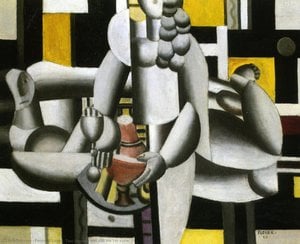
შესავალი ფერნან ლეგეს „სამი ქალი“ (1921) თანამედროვე ხელოვნების შედევრია, რომელიც სრულყოფილად აერთიანებს კუბიზმისა და არტ დეკოს გავლენებს. ეს ცოცხალი და დინამიკური კომპოზიცია ასხივებს მე-20 საუკუნის დასაწყისის მოდერნიზმის არსს, რაც მას მომხიდავ და ღირებულ ნამუშევრად აქცევს ნებისმიერი თანამედროვე ხელოვნების კოლექციისა თუ დახვეწილი ინტერიერისათვის. სუბიექტი და კომპოზიცია ნამუშევარში წარმოდგენილია სამი ქალი ფიგურა, რომლებიც დასვენების მომენტებში არიან ჩაფლული; ისინი სამკუთხედარად არის განლაგებული, რაც ბალანსისა და ჰარმონიის შეგრძნებას ქმნის. ერთი ფიგურა სავარძელშია გადაწოლილი, მეორე…

მოდელი არ დატვირთულია. დეველოპერის გვერდზე მოდელს და tải করুন ან কমান্ড გამოიყენეთ 'lms load'. (1910) ავტორის: ფერნან ლეგერი
4

მოდელი არ დატვირთულია. დეველოპერის გვერდზე მოდელს და tải করুন ან কমান্ড გამოიყენეთ 'lms load'.

1910 · ზეთი ტილოზე · კროლერ-მულერის მუზეუმი, ოტერლო

ფერნან ლეგერის არშიგნი ტყეში (1909-1910) საკვანძო ნამუშევარია, რომელიც კუბიზმის განვითარების გადამწყვეტ ეტაპს წარმოადგენს. ეს არ არის მხოლოდ ხეებს შორის მოთავსებული ფიგურების გამოსახულება; ეს არის ფორმისა და პერსპექტივის გაბედული დეკონსტრუქცია, რომელიც საუკუნის შემდეგაც კი ატყვევებს დამკვირვებელს. ეს ტილო ეხება არა იმას, თუ *რა* არის გამოსახული, არამედ იმას, თუ *როგორ* – რადიკალური მიდგომა, რომელმაც თანამედროვე ხელოვნება ხელახლა განსაზღვრა.

დიდი პარადი (1954) ავტორის: ფერნან ლეგერი
5

დიდი პარადი

1954 · ზეთი ტილოზე

ფერნანდ ლეგის „დიდი პარადი“ არის დინამიკური და ქაოტური მხიარული, რომელიც ასახავს თანამედროვე ცხოვრების ენერგიასა და აღთქმას. ეს ნაწარმოები სავსეა ადამიანურ ფიგურებით, რომლებიც სხვადასხვა საქმიანობაში არიან ჩართულნი, ხოლო მათ შორის მიმოფანტულია მექანიკური ელემენტები, როგორიცაა კორდონები და ბორბალები. ორგანული ფორმებისა და ინდუსტრიული მოტივების ეს შერწყმა ქმნის ჰარმონიისა და აშლილობის გრძნობას, რაც ასახავს მეოცე საუკუნის შუა პერიოდის სწრაფ ტექნოლოგიურ განვითარებასა და სოციალურ ცვლილებებს. ლეგის ეს ტილო არის თანამედროვე ხელოვნების ნამდვილი აღტაცება, რომელიც გვეძინება…

ქორწილი ავტორის: ფერნან ლეგერი
6

ქორწილი

ზეთი ტილოზე

სუბიექტი და კომპოზიცია ეს მომხიბვლელი ნამუშევარი წარმოგვიდგენს ადამიანური ფიგურის, სავარაუდოდ ქალის, ფრაგმენტირებულ და აბსტრაქტულ გამოსახულებას, რომელიც გეომეტრიული ფორმებისა და აბსტრაქტული სტრუქტურების რთულ ურთიერთქმედებაშია ჩაფლული. კომპოზიცია მაყურებელს ერთდროულად მრავალი პერსპექტივის შესწავლისკენ მოუწოდებს, რაც კუბისტური გავლენის დამახასიათებელი ნიშანია. ფიგურა თითქოს ჩაკეტილია ინტიმურ ან გამაზრახველ მომენტში, რასაც გარს ring შე surrounding კუთხოვანი ფორმების ქაოტური, თუმცა ჰარმონიული ერთობლიობა ახლავს, რაც შინაგანი რეფლექსიისა და ემოციური სიღრმის განცდას იწვევს. ფორმების ფენოვან განლაგებას ახასიათებს ფსიქოლოგიური ნიუანსებით მდიდარი…

The Breakfast (1921) ავტორის: ფერნან ლეგერი
7

The Breakfast

1921 · ზეთი ტილოზე · MOMA - მოდერნ არტის მუზეუმი, ნიუ-იორკი

In the vibrant landscape of early 20th-century modernism, few works capture the rhythmic pulse of a changing era as strikingly as Fernand Léger’s The Breakfast. Painted in 1921, this masterpiece serves as a window into a world where the domestic and the industrial began to merge into a singular, dynamic vision. The scene presents a group of three women gathered around a dining table, yet they are far from traditional…

Woman with a Bouquet of Flowers (1920) ავტორის: ფერნან ლეგერი
8

Woman with a Bouquet of Flowers

1920 · ზეთი ტილოზე · შტატგალერი შტუტგარტი, შტუტგარტი

A woman emerges from a grid of heavy black lines, her form constructed from cylinders and spheres. She holds a bouquet, yet the flowers are not soft petals but fragments of red, yellow, and blue. Every shape feels weighted, as if carved from steel or cast in iron. The thick outlines define a body that moves with the rhythmic precision of a machine. There is no shadow to soften the…

Composition in Blue ავტორის: ფერნან ლეგერი
9

Composition in Blue

ზეთი ტილოზე · ჩიკაგოს ხელოვნების ინსტიტუტი, ჩიკაგო

Fernand Léger’s "Composition in Blue" is a quintessential example of modernist art, showcasing his unique blend of Cubism and Futurism. The painting features a striking composition dominated by shades of blue, with a central figure – seemingly a woman or humanoid form – rendered in various hues of the color. This figure is partially obscured by a large blue headpiece, creating an enigmatic and somewhat mechanical appearance. The artwork incorporates…

ხიდი (1923) ავტორის: ფერნან ლეგერი
10

ხიდი

1923 · ზეთი ტილოზე · თისენ-ბორნემიმზას მუზეუმი, მადრიდი

Step closer to observe how the space is partitioned. In The Bridge, created in 1923, there is no singular perspective to rest upon. Instead, we find a composition divided into distinct horizontal and vertical zones that suggest a fractured architectural reality. Two thick, emerald green columns anchor the upper mid-ground, acting as structural pillars within the arrangement. Behind them, the background unfolds through flat planes of red, black, and white,…

კიდევ ფერნან ლეგერი შედევრები, 11-დან 100-მდე

ქალაქი (ფრაგმენტი, მესამე მდგომარეობა) (1919) ავტორის: ფერნან ლეგერი
#14

ქალაქი (ფრაგმენტი, მესამე მდგომარეობა)

1919 · ფილადელფიის ხელოვნების მუზეუმი

ფოლადისა და პირველადი ფერების პულსაცია დაბგერებული ტილო ვიბრირებს მოძრავი ურბანული ლანდშაფტის რიტმული, მეტალური გუგუნით. გეომეტრიული ფორმები — ცილინდრები, მართკუთხედები და მკვეთრი რკალები — ერთმანეთს გადაფარავს სიმჭიდროვესა და ფრაგმენტულობაში,…

დაუკვეთეთ ხელით შესრულებული ასლი →
მიმავალი ყვავილი (La fleur qui marche) (1952) ავტორის: ფერნან ლეგერი
#25

მიმავალი ყვავილი (La fleur qui marche)

1952 · კიმბელის ხელოვნების მუზეუმი

ფერნან ლეგეს „მიმავალი ყვავილი“: ფერებისა და ფორმების სიმფონია ინდუსტრიულ ფონზე ფერნან ლეგეს კერამიკული სკულპტურა „მიმავალი ყვავილი (La fleur qui marche)“, რომელიც 1952 წელს დასრულდა, წარმო stands as გამორჩეულ…

დასკანცვლებები (პირველი მდგომარეობა) (1919) ავტორის: ფერნან ლეგერი
#49

დასკანცვლებები (პირველი მდგომარეობა)

1919 · ფილადელფიის ხელოვნების მუზეუმი

მეტალის ცილინდრი ფერების ბრტყელ სიბრტყეს ჭრის. 1919 წელს პარიზი რეკონსტრუქციის ქალაქი იყო, ხოლო პლას დე კლიში ინდუსტრიული სამშენებლო კონსტრუქციებით იყო მოცული. ეს ნახატი სწორედ ურბანული ტრანსფორმაციის იმ ზუსტ…

დაუკვეთეთ ხელით შესრულებული ასლი →
Composition (Definitive State) (1925) ავტორის: ფერნან ლეგერი
#52

Composition (Definitive State)

1925

A large, dark reddish-brown oval anchors the center of the canvas, acting as a heavy weight amidst a sea of shifting planes. Around this central anchor, thick black…

Still Life (1927) ავტორის: ფერნან ლეგერი
#59

Still Life

1927 · ხელოვნების, არქიტექტურისა და დიზაინის ეროვნული მუზეუმი

Step closer to observe how the familiar objects on this table have been transformed. In this 1927 composition, we find a quiet arrangement that rejects the soft edges…

შეუკვეთეთ რეპროდუქცია →
Sacred Heart of Audincourt (1951) ავტორის: ფერნან ლეგერი
#78

Sacred Heart of Audincourt

1951

In the quiet, hallowed atmosphere of the Saint-Joseph Chapel in Audincourt, France, lies a masterpiece that defies the traditional boundaries between the sacred and the industrial. Fernand Léger’s…

The Sacred Heart of audincourt (1950) ავტორის: ფერნან ლეგერი
#86

The Sacred Heart of audincourt

1950

In the quiet, hallowed spaces of Audincourt, France, there exists a window that does not merely permit light to pass through, but rather transforms it into a rhythmic…

The Sacred Heart of audincourt (1950) ავტორის: ფერნან ლეგერი
#87

The Sacred Heart of audincourt

1950

In the quiet, hallowed atmosphere of Audincourt, France, light does not merely illuminate; it transforms. Fernand Léger’s The Sacred Heart of Audincourt, completed around 1950-1951, stands as a…

Sacred Heart of Audincourt (1951) ავტორის: ფერნან ლეგერი
#88

Sacred Heart of Audincourt

1951

In the quiet, hallowed atmosphere of post-war Europe, Fernand Léger’s "Sacred Heart of Audincourt" emerged not merely as a religious ornament, but as a profound philosophical manifesto. Completed…

The Sacred Heart of audincourt (1950) ავტორის: ფერნან ლეგერი
#95

The Sacred Heart of audincourt

1950

In the quiet aftermath of a world reshaped by conflict, Fernand Léger’s "The Sacred Heart of Audincourt" emerges as a luminous testament to resilience and renewal. Completed around…

ფერნან ლეგერი-ის შემოქმედება პერიოდების მიხედვით

თემატიკა, რომელსაც ფერნან ლეგერი ყველაზე ხშირად ხატავდა

ამ შედევრებს შორის ყველაზე ხშირადმომხატნავი ოთხი თემა და თითოეული მათგანის საუკეთესო მაგალითი.

სად ნახოთ ფერნან ლეგერი-ის ნახატები

ამ გვერდზე წარმოდგენილი მხატვრობის შედეგების უმეტესობას 8 მუზეუმი ინახავს.

მუზეუმი ქალაქი ფერნან ლეგერი შემოქმედებაలు ამ სიიდან მოპოვებული ნახატები
MOMA - მოდერნ არტის მუზეუმი, ნიუ-იორკიMOMA - მოდერნ არტის მუზეუმი ნიუ-იორკი 14 మూడు സ്ത്രീകള്‍, The Breakfast, The City
ფილადელფიის ხელოვნების მუზეუმი, ფილადელფიაფილადელფიის ხელოვნების მუზეუმი ფილადელფია 8 ქალაქი (ფრაგმენტი, მესამე მდგომარეობა), Contrast of Forms, დასკანცვლებები (პირველი მდგომარეობა)
ჩიკაგოს ხელოვნების ინსტიტუტი, ჩიკაგოჩიკაგოს ხელოვნების ინსტიტუტი ჩიკაგო 6 Composition in Blue, Reclining Woman, Still Life
მეტროპოლიტენის ხელოვნების მუზეუმი, ნიუ-იორკიმეტროპოლიტენის ხელოვნების მუზეუმი ნიუ-იორკი 6 The Builders, Mechanical Elements
პარიზის თანამედროვე ხელოვნების მუზეუმი, Parisპარიზის თანამედროვე ხელოვნების მუზეუმი Paris 5 The Man with the Pipe, Woman with Mirror
კროლერ-მულერის მუზეუმი, ოტერლოკროლერ-მულერის მუზეუმი ოტერლო 4 მოდელი არ დატვირთულია. დეველოპერის გვერდზე მოდელს და tải করুন ან কমান্ড გამოიყენეთ 'lms load'., Mechanical Element
Solomon R. Guggenheim Museum, New YorkSolomon R. Guggenheim Museum New York 4 Characters in the City, Mural Painting
თისენ-ბორნემიმზას მუზეუმი, მადრიდითისენ-ბორნემიმზას მუზეუმი მადრიდი 3 ხიდი

ფერნან ლეგერი, ათწლეულების მიხედვით: თითოეული მათგანის გამორჩეული ნამიwork

  1. 1910s
    Fernand Léger

A Life Forged in Form: The World of Fernand Léger

Fernand Léger, born Joseph Fernand Henri Léger in 1881 amidst the rural landscapes of Argentan, Normandy, stands as a pivotal figure in the evolution of modern art. His journey from the far (1919) ავტორის: ფერნან ლეგერი
    ნომერი 1 100-დან

    Fernand Léger A Life Forged in Form: The World of Fernand Léger Fernand Léger, born Joseph Fernand Henri Léger in 1881 amidst the rural landscapes of Argentan, Normandy, stands as a pivotal figure in the evolution of modern art. His journey from the far

    나س, 29 – 38 წელი

    ქალაქი – მოდერნიზმის მონუმენტი ფერნანდ λεჟეს 1919 წელს შექმნილი “ქალაქი” არა მხოლოდ ურბანული пейзаჟის გამოსახულებაა, არამედ მოდერნის ეპოქის ძლევამოქმედი გამოხატულება. ეს არის ფორმის, ფერისა და თანამედროვე ცხოვრების არსის…

  2. 1920s
    მაღაზიელი (1920) ავტორის: ფერნან ლეგერი
    ნომერი 2 100-დან

    მაღაზიელი

    나س, 39 – 48 წელი · კანადის ეროვნული გალერეა

    ფერნანდ ლეგის "მექანიკოსი" (1920) არის ადრეული ოცეულის საუკუნის ავანგარდის ხელოვნების სულისკვეთების გამაოგნებელი გამოხატვა. ეს შთამბეჭდავი კომპოზიცია ჰქმნის დინამიკურ ინტერპრეტაციას, რომელიც ადამიანურ ფიგურებს აერთიანებს ამოფენილ გეომეტრიულ ფორმებთან და წარმოადგენს…

  3. 1930s
    The Bather (1932) ავტორის: ფერნან ლეგერი
    # 18 / 100 ადგილটি

    The Bather

    나س, 49 – 58 წელი

    In the quiet intersection of Surrealist dreamscapes and the rigid precision of Cubism lies Fernand Léger’s 1932 masterpiece, The Bather. This is not merely a painting of a…

  4. 1940s
    რბოლა (1942) ავტორის: ფერნან ლეგერი
    ნომერი 16 100-დან

    რბოლა

    나س, 59 – 68 წელი

    A Rhythmic Celebration of Form and Color Fernand Léger’s Dance is far more than a mere depiction of movement; it is a vibrant, pulsating symphony of color and…

  5. 1950s
    დიდი პარადი (1954) ავტორის: ფერნან ლეგერი
    ნომერი 5 100-დან

    დიდი პარადი

    나س, 69 – 74 წელი

    ფერნანდ ლეგის „დიდი პარადი“ არის დინამიკური და ქაოტური მხიარული, რომელიც ასახავს თანამედროვე ცხოვრების ენერგიასა და აღთქმას. ეს ნაწარმოები სავსეა ადამიანურ ფიგურებით, რომლებიც სხვადასხვა საქმიანობაში არიან ჩართულნი, ხოლო მათ…

ფერნან ლეგერი-ის შედევრები: კითხვები და პასუხები

რა ტილოთი არის ყველაზე ცნობილი ფერნან ლეგერი?აჩვენეთ პასუხი

Fernand Léger A Life Forged in Form: The World of Fernand Léger Fernand Léger, born Joseph Fernand Henri Léger in 1881 amidst the rural landscapes of Argentan, Normandy, stands as a pivotal figure in the evolution of modern art. His journey from the far (1919). შემდეგ მოდიან მაღაზიელი (1920) და మూడు സ്ത്രീകള്‍ (1921).

რამდენად ასაკიანი იყო ფერნან ლეგერი, როდესაც შექმნა Fernand Léger A Life Forged in Form: The World of Fernand Léger Fernand Léger, born Joseph Fernand Henri Léger in 1881 amidst the rural landscapes of Argentan, Normandy, stands as a pivotal figure in the evolution of modern art. His journey from the far?აჩვენეთ პასუხი

38 წლის: Fernand Léger A Life Forged in Form: The World of Fernand Léger Fernand Léger, born Joseph Fernand Henri Léger in 1881 amidst the rural landscapes of Argentan, Normandy, stands as a pivotal figure in the evolution of modern art. His journey from the far შექმნილია 1919 წელს, ხოლო ფერნან ლეგერი დაიბადა 1881 წელს.

რა არის ფერნან ლეგერი-ის 열ი საუკეთესო ნამუშწარო?აჩვენეთ პასუხი

Fernand Léger A Life Forged in Form: The World of Fernand Léger Fernand Léger, born Joseph Fernand Henri Léger in 1881 amidst the rural landscapes of Argentan, Normandy, stands as a pivotal figure in the evolution of modern art. His journey from the far, მაღაზიელი, మూడు സ്ത്രീകള്‍, მოდელი არ დატვირთულია. დეველოპერის გვერდზე მოდელს და tải করুন ან কমান্ড გამოიყენეთ 'lms load'., დიდი პარადი, ქორწილი, The Breakfast, Woman with a Bouquet of Flowers, Composition in Blue და ხიდი. ზემოთ მოცემული რეიტინგი მიუთითებს თითოეულის შექმნის წელსა და მუზეუმს.

რამდენიმე ნამუშწარები შექმნა ფერნან ლეგერი-მა?აჩვენეთ პასუხი

ჩვენს კატალოგში წარმოდგენილია 834 ნამشევრი ფერნან ლეგერი-ის შემოქმედები, დათარიღებული 1910-დან 1954-მდე.

რა მუზეუმებში შემიძლია ვნახო ფერნან ლეგერი-ის შედევრები?აჩვენეთ პასუხი

მათგან უმეტესობა MOMA - მოდერნ არტის მუზეუმი (ნიუ-იორკი), ფილადელფიის ხელოვნების მუზეუმი (ფილადელფია) და ჩიკაგოს ხელოვნების ინსტიტუტი (ჩიკაგო)-ში მდებარეობს. ზემოთ მოცემულ ცხრილში მუზეუმები დალაგებულია სათითაოდ.

როდის შექმნა ფერნან ლეგერი-მა ეს შედევრები?აჩვენეთ პასუხი

1920s-ში: ამ გვერდზე წარმოდგენილი 100 ნამსთქედან 36 შექმნილია ამ პერიოდში, მათ შორის მაღაზიელი.

რა არის ფერნან ლეგერი-ის პირველი და ბოლო ცნობილი ნამუშწარები?აჩვენეთ პასუხი

ამ გვერდზე ყველაზე ადრეული არის მოდელი არ დატვირთულია. დეველოპერის გვერდზე მოდელს და tải করুন ან কমান্ড გამოიყენეთ 'lms load'. (1910), ხოლო ყველაზე გვიანდელი — დიდი პარადი (1954).

რა იყო ფერნან ლეგერი-ის საყვარელი თემები?აჩვენეთ პასუხი

Geometric shapes (29), Geometric forms (17) და Modernity (11), ამ გვერდზე წარმოდგენილი 100 ნამუშწაროდან.

ფერნან ლეგერი-ს რომელი ტექნიკა ერჩიათ?აჩვენეთ პასუხი

Oil On Canvas: 45 100 ნამუშწაროსგან ამ გვერდზე.

რა ხელოვნების მიმართულებას მიეკუთვნება ფერნან ლეგერი?აჩვენეთ პასუხი

Კუბიზმი, როგორც ამ გვერდზე წარმოდგენილი სურათები აჩვენებს.

ფერნან ლეგერი-ის რომელი შედევრული ნამუშევრებია წარმოდგენილი MOMA - მოდერნ არტის მუზეუმი-ში?აჩვენეთ პასუხი

మూడు സ്ത്രീകള്‍, The Breakfast და The City არის 5 ნამუშწარwerksიდან ერთ-ერთი, რომელიც ამ გვერდზე MOMA - მოდერნ არტის მუზეუმი, ნიუ-იორკი-ის მფლობელობაშია.

შეიძლება თუ არა ფერნან ლეგერი-ის შედევრიდან რეპროდუქციის შეძენა?აჩვენეთ პასუხი

დიახ. ამ გვერდზე წარმოდგენილი ყველა სურათის შეკვეთა შესაძლებელია მუზეუმის ხარისხის, ხელით შესრულებული ზეთისებრი რეპროდუქცია ან მხატვრული ბეჭდვა თქვენთვის სასურველი ზომით, სურათის საკუთარი გვერდიდან.

ფერნან ლეგერი-ის ცხოვრება

The Life of Fernand Léger

The story of Fernand Léger begins in the village of Argentan, located in the Orne region of Lower Normandy. He arrived into this world on February 4, 1881, as an only son. His early years were shaped by the quietude of the French countryside and the presence of his mother, Marie-Adèle Daunou. His father, a man who made his living as a cattle dealer, passed away when Fernand was still a young boy, leaving the child to be raised by his mother in a household marked by her piety and a certain self-effacing nature.

This upbringing in the rural landscapes of Normandy provided a grounding contrast to the life he would eventually lead in the bustling centers of French culture. While his roots were tied to the earth and the physicality of agricultural life, his spirit was drawn toward the complexities of the modern age. He would eventually expand his reach far beyond the borders of Argentan, becoming a man of many disciplines. He did not limit himself to the canvas, but instead sought to express his vision through sculpture and the moving images of film.

His life was a constant movement between the organic textures of his youth and the structured, mechanical rhythms of the cities. This duality defined his very existence, as he navigated the shifts of a changing century. His path was never a simple one, marked by the tension between the traditional world of his childhood and the rapid, industrial pulse of the future he would eventually help to define through his art.

Early Life, Family and Training

The roots of his vision were planted in the rural landscapes of Argentan, in the Orne region of Lower Normandy, France. Born into a world of cattle farming, his early years were shaped by the physicality of the land and the steady rhythms of agricultural life. This grounding in the tangible, working world would remain a quiet presence beneath the surface of his later, more complex explorations. He was an only son, raised by a mother who was both pious and self-effacing, and his path was initially steered toward the structured discipline of architecture. From 1897 to 1899, he dedicated himself to this technical craft, learning the logic of space and the necessity of precise drafting.

By 1900, the pull of the city became too strong to ignore, and he moved to Paris. He supported himself by working as an architectural draftsman, a role that required a keen eye for line and proportion. While his formal training in architecture provided a foundation of structural understanding, his heart began to drift toward the canvas. He sought entry into the prestigious École des Beaux-Arts, but the institution did not grant him the official status of an enrolled student. Undeterred, he attended the school as a non-enrolled student, absorbing the lessons of the masters while navigating the fringes of the academic establishment. This period of study, though sometimes described as a time of searching, was essential in refining the technical skill he would eventually use to dismantle and rebuild the world in his own image.

The Influence of Cézanne and Cubism

A profound shift occurred in 1907 when the artist encountered the retrospective of Cézanne at the Salon d'Automne. This encounter acted as a catalyst, pulling him away from the soft impressions of his youth and toward a more structural way of seeing. He began to look past the surface of things, seeking instead the underlying geometry that defines the world. By 1909, his presence in the creative circles of Paris grew as he met figures such as Alexander Archipenko, Jacques Lipchitz, Marc Chagall, and Robert Delaunay. These encounters were not merely social; they were collisions of new ideas that helped shape the direction of his developing vision.

As the years progressed, he found himself moving within the orbit of the Puteaux Group, a circle of artists also known as the Section d'Or. Alongside Jean Metzinger and Henri Le Fauconnier, he explored the mathematical and structural possibilities of this new language. He was not content to simply follow the paths laid by others, but instead sought to find his own way through the fractured planes and overlapping forms that defined the era. This period of intense experimentation led to his first major exhibition at the Salon des indépendants in 1911, where he presented Nudes in the Forest.

War and the Mechanical Period

The chaos of the Great War pulled the artist away from the studios of Paris and into the harsh realities of the front. From 1914 to 1917, he served in the French Army, spending two grueling years in the Argonne. The conflict was not merely a backdrop to his life but a transformative force that altered his very perception of form. In 1916, a mustard gas attack nearly claimed his life, leaving him to recover while the world around him was being reshaped by the sheer power of industrial destruction. Even during a brief furlough in that same year, he found himself compelled to paint, producing Soldier with a Pipe. This work captured a sense of the new reality, where the human figure began to take on the qualities of the machines that dominated the battlefield.

By 1917, a distinct shift had taken hold in his creative spirit, marking the beginning of what would be called his mechanical period. He found a strange, rhythmic beauty in the tools and technology of modern warfare and industry. The sleek, tubular shapes and the precision of mechanical parts became his new visual language. He did not see these objects as cold or impersonal; instead, he embraced their strength and their ability to organize the chaos of modern existence. The war had stripped away the soft edges of his earlier work, replacing them with a hard-edged, structural clarity that mirrored the steel and pistons of a changing age.

Technique and Style

His brush moved with a rhythmic, almost industrial precision, seeking to capture the pulse of a changing era. He moved away from the soft, blended shadows of the past, choosing instead to build his compositions through a language of robust, geometric strength. This led to the development of a personal form of Cubism that critics identified as "Tubism." In this style, the world was reimagined through tubular, conical, and cubed forms, creating a sense of volume that felt both solid and dynamic. He did not merely paint objects; he sought to find their essential, structural logic.

The colors he chose were as assertive as the shapes they filled. He favored a palette dominated by primary colors, often punctuated by stark black and white, which helped to define the sharp boundaries of his subjects. Rather than relying on traditional illusionism, he applied paint in bold, flattened planes of color. He often used a thick impasto, a technique that emphasized the physical presence of the medium on the canvas. This textural approach ensured that his work felt grounded and material, mirroring the very machines and urban structures he so admired. His figures often took on sleek, mechanical-looking shapes, blurring the line between the organic human form and the engineered precision of the modern age.

Later Years and Death

The shifting tides of global conflict eventually pulled the artist away from his Parisian circles and across the Atlantic. Between 1940 and 1945, he lived in the United States, a period that offered a different perspective on the modern world he had so long sought to translate onto canvas. This time abroad provided a pause in his long evolution, a moment of transition before his eventual return to the soil of France.

Upon returning to his homeland, his personal life saw a significant change. In February 1952, he married Nadia Khodasevich. This union marked a final chapter in his life, one lived amidst the continued production of his diverse works, from large-scale murals to delicate stained-glass windows. Even as he aged, his recognition remained steady on the international stage. In 1955, he won the Grand Prize at the São Paulo Bienal, a high honor that arrived in the same year as his passing. He died on August 17, 1955, in Gif-sur-Yvette, France.

Legacy and Influence

Léger left a mark that reached far beyond the avant-garde circles of his own time. By bridging the gap between abstract art and figurative representation, he offered a way for artists to engage with the modern world without abandoning the human subject entirely. His approach allowed for a dialogue between the structural logic of geometry and the recognizable presence of people and objects. This ability to find a middle ground between the purely conceptual and the tangible helped shape the direction of much of the art that followed.

His bold simplification of form and his fascination with the aesthetics of mass production acted as a forerunner to the pop art movement. He saw a certain beauty in the repetitive, functional nature of the machine age, a perspective that would later resonate with a new generation of creators. Artists such as Roy Lichtenstein and Andy Warhol drew a clear line from his experiments with bold outlines and mechanical imagery to their own explorations of popular culture. He helped prepare the visual language for an era that would eventually celebrate the very industrial and commercial elements he had once sought to translate onto canvas.

Where to See the Works Today

To encounter the physical presence of his vision, one might travel to the south of France, specifically to Biot in the Alpes-Maritimes. Here, the Musée national Fernand Léger resides, a place dedicated entirely to the study and preservation of his creative output. The museum occupies the Mas Saint-André, a villa that once belonged to the artist himself. Within these walls and the surrounding gardens, his polychrome ceramic sculptures find their intended setting, allowing the viewer to see how his forms interact with the light and space of the Mediterranean landscape.

Beyond this specialized sanctuary, his canvases and sculptures are held within various significant institutions. The Musée d'Art et d'Histoire in France maintains a collection of his works, ensuring his presence in the broader narrative of French art. These holdings allow for a continued study of how he translated the energy of the machine age into static, yet pulsing, visual forms. Travelers seeking his specific aesthetic can find his traces in several major collections, including:

His influence also lingers in the works of others, but the primary way to witness his direct hand is through these established repositories. Whether observing the bold, cylindrical shapes in a museum setting or seeing his sculptures in the quiet of a garden, the viewer is met with the same structural clarity that defined his life's work. His legacy remains anchored in these specific locations, where the heavy, mechanical rhythms of his paintings are preserved for those who seek the truth of his geometry.

ყველა 834 ნამუშევარი, რომელიც შემოქმედებითად ეკუთვნის ფერნან ლეგერი →