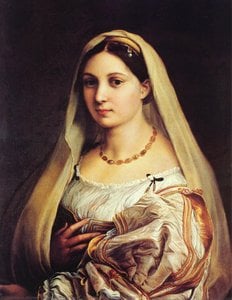
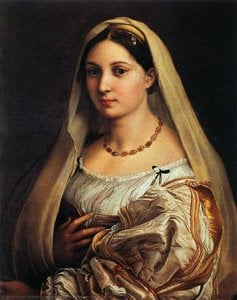
რაფაელ სანტი, 1483 – 1520

რაფაელ სანტი-ის 100 ყველაზე ცნობილი ნამთვარი

რაფაელ სანტი-ის სახელდებად გამოსაცნობი ნამუშწაროა ათენის სკოლა (1511); იგი აპოსტოლური სასახლე-ში, ვატიკანი-ში არის ექსპონირებული. სისტინის მადონა (1513) და ღირსება (რაფაელის "ტრანსფიგურაცია") (1520) მათგან შემდეგ მოდიან შემCollections-თა და მუზეუმის სტუმრების გულებში. ჩვენს კატალოგში არსებული რაფაელ სანტი-ის 607 ნამუშწაროსგან ეს 100 ყველაზე აღიარებულია; თითოეული მათგანი წარმოდგენილია თარიღით, მუზეუმის დასახელებითა და იმ თავისებურებებით, რაც მას განსაკუთრებულს ხდის.

რეიტინგი დადგენილია ჩვენი პოპულარობის ქულებით, რომელიც აერთიანებს თითოეული ნამუშწარების ძიების, ნახვებისა და შეკვეთების რაოდენობას. განახლებულია ოქტომბერი 2026. ამ გვერდზე წარმოდგენილი ყველა შედევრი შეგიძლიათ შეუკვეთოთ, როგორც მუზეუმის ხარისხის, ხელით შესრულებული ზეთწ후იანი რეპროდუქცია, ისე მხატვრული ბეჭდვა თქვენთვის სასურველი ზომის.

რაფაელ სანტი პორტრეტი
რაფაელ სანტი · 1483 – 1520
და lahir · died
1483 – 1520, ურბინო
მიმდინარეობა
Მაღალი რენესანსი
ნამუშევრები ჩვენს კატალოგში
607
ყველაზე ცნობილი
ათენის სკოლა (1511)
ყველაზე მეტი ნამشევრი [at]
National Gallery of Art

რაფაელ სანტი: 열টি 걸작

ათენის სკოლა (1511) ავტორის: რაფაელ სანტი
1

ათენის სკოლა

1511 · ფრესკა · აპოსტოლური სასახლე, ვატიკანი

Raphael’s “School of Athens” is more than just a painting; it's an architectural embodiment of human thought, a vibrant testament to the enduring power of philosophy and reason. Completed between 1509 and 1511 as part of Pope Julius II’s ambitious decoration of the Stanza della Segnatura within the Vatican Palace, this fresco immediately establishes itself as a cornerstone of High Renaissance art. It depicts a gathering of the greatest Greek…

სისტინის მადონა (1513) ავტორის: რაფაელ სანტი
2

სისტინის მადონა

Introduction Raphael, also known as Raffaello Sanzio da Urbino, was a renowned Italian painter and architect of the High Renaissance. He is considered one of the greatest painters in history, alongside Michelangelo and Leonardo da Vinci. Raphael's works are admired for their clarity of form, ease of composition, and visual achievement of the Neoplatonic ideal of human grandeur. The Painting The Sistine Madonna is an oil painting by Raphael, created…

ხელით ნაკletი ზეთისფერი რეპროდუქცია: $181 27 × 37 cm
ღირსება (რაფაელის "ტრანსფიგურაცია") (1520) ავტორის: რაფაელ სანტი
3

ღირსება (რაფაელის "ტრანსფიგურაცია")

1520 · ზეთი ტილოზე · ვატიკანის მუზეუმები, ვატიკანი

რაფაელო სანციო, იგი რაფაელი, იტალიის რენესანსის ეპოქის ერთ-ერთი უდიდესი მხატვარი იყო. მისი "გადამ转化" (La Trasfigurazione) – 1520 წლის ნაწარმოები, არა მხოლოდ ხელოვნების შედევრია, არამედ ღრმა სულიერი აღმოცნობის გამოსახულებაცაა. ეს ტილო რაფაელის ბოლო მნიშვნელოვანი έργია და წარმოადგენს მისი შემოქმედებითი მგზავრობის კულმინაციას. კარდინალი ჯულიო დე' მედიჩიმ, რომელიც მოგვიანებით პაპ კlemens VII-ად გახდა, აღნიშნა ტიტულის შექმნისთვის და განკუთვნილი იყო ნარბონის საკათედრალო ტაძმისთვის საფრანგეთში. თუმცა, რაფაელის გარდაცვალების შემდეგ, იგი რომში დარჩა და დღემდე ვატიკანის…

ხელით ნაკletი ზეთისფერი რეპროდუქცია: $481 26 × 38 cm
წლისთავი (1504) ავტორის: რაფაელ სანტი
4

წლისთავი

1504 · ზეთი ტილოზე · Pinacoteca di Brera, მილანი

რაფაელო სანცო და უрбиონოს „წმინდა მარიამის ქორწინება“ არის მაღალი რენესანსის განუყოფელი ნაწილი, რომელიც ატარებს იმ პერიოდის კლასიკური სილამაზისა და ჰარმონიის არსს. 1504 წელს შექმნილი ეს შესანიშნავი ტილო გამოხატავს რაფაელის კომპოზიციურ, პერსპექტივასა და ფერებში ნამდვილ მესტრობას, რაც მას ხელოვნების მოყვარულთათვისა და კოლექციონერებისთვის განსაკუთრებით სასურველ ნივთად აქცევს. ამ შედევრში რაფაელმა თავისი წინაპიორის, პიეტრო პერუჯინოს გავლენა შერწყმით საკუთარ უნიკალურ სტილს და მხატვრულ ხედვას.

ხელით ნაკletი ზეთისფერი რეპროდუქცია: $531 26 × 39 cm ორიგინალის ზომის $1101 117 × 170 cm შეუკვეთეთ ორიგინალი ზომით →
ლა ფორნარინა ავტორის: რაფაელ სანტი
5

ლა ფორნარინა

Introduction La Fornarina is a painting that has captivated art lovers for centuries. Created by the Italian master Raphael, this oil on wood painting is a true masterpiece of the Renaissance period. The subject of the painting is believed to be Margherita Luti, Raphael's Roman lover who refused to marry him. However, some art historians argue that the painting is not a portrait of a specific woman but rather an…

ხელით ნაკletი ზეთისფერი რეპროდუქცია: $181 27 × 37 cm
კვერთხევის მადონა (1505) ავტორის: რაფაელ სანტი
6

კვერთხევის მადონა

1505 · ზეთი

The air feels still within this lush, verdant landscape, as if the world has paused to witness a quiet miracle. At the heart of the composition, the Virgin Mary sits with a grace that anchors the entire scene. She is draped in a deep blue mantle that flows around her like a calm sea, layered over a tunic of striking red. Her gaze, heavy with maternal affection, drifts downward toward…

ხელით ნაკletი ზეთისფერი რეპროდუქცია: $231 27 × 37 cm ორიგინალის ზომის $451 77 × 107 cm შეუკვეთეთ ორიგინალი ზომით →
La Belle Jardinière (1507) ავტორის: რაფაელ სანტი
7

La Belle Jardinière

1507 · ზეთი პანელზე · ლუვრი, პარიზი

რაფაელის "La Belle Jardinière" – ეს არა მხოლოდ ტილო, არამედ მთელი ხანძალი რენესანსის სულისკებაა. 1507 წელს შექმნილი ეს ნაწარმავე, რომელიც თავისთავად არის მსახიობი, წარმოგდებს ქალწიკეთს მარიამს და ბუნებრივი მშობელით, ჯერ კიდევ ახალშვილად, რასაც უხუცეს ზრდასთან ერთად, სულ უფრო მეტად აფასებენ როგორც სულისკებულ ნიმუშს. ტილო მოწმობს არა მხოლოდ მხატვლის უნەرჩივნებას, არამედ იმ ხანდისა და ადამიანის გონების სიღრმის, რამაც შექმნა ისტორიული მნიშვნელობა.

ხელით ნაკletი ზეთისფერი რეპროდუქცია: $231 25 × 39 cm
სამ გნებად რაფელო (1504) ავტორის: რაფაელ სანტი
8

სამ გნებად რაფელო

1504 · ზეთი პანელზე · კონდეს მუზეუმი, შანტილი

რაფაელის “మూడు graced” (The Three Graces) არა მხოლოდ არის ნამუშევარი, არამედ სულისხმობა, რომელიც გულწრფელად გამოხატავს რენესანსის ეპოქის ჰarmonia და სილამაზეს. ეს ნამუშევარი, რომელიც შემოგührtა 1504 წელს, არის მცირე ზომების, მაგრამ cực kỳ მნიშვნელოვანი, oil on panel ნიმუში, რომელიც ინახებოდა Chantilly-ს Musée Condé-ში. რაფაელის უნარები დახელőttფასმეტებული იყო ამขนาดში, რაც ნამუშევარს უფრო ინტიმულ და მოხიბლულს ხდის.

ხელით ნაკletი ზეთისფერი რეპროდუქცია: $181 31 × 32 cm
რაფაელის ‘ლედი ერთმსწிறცულთან’ – რენესანსის საიდუმლო: გამოავლინეთ!” ავტორის: რაფაელ სანტი
9

რაფაელის ‘ლედი ერთმსწிறცულთან’ – რენესანსის საიდუმლო: გამოავლინეთ!”

ზეთი ტილოზე · ბორგეზეს გალერეა, რომი

A Renaissance Enigma: Unveiling Raphael’s *Lady with a Unicorn* This captivating portrait by Raphael (Raffaello Sanzio da Urbino), painted around 1506, offers a glimpse into the artistic and intellectual currents of the High Renaissance. Housed in the prestigious Galleria Borghese in Rome, *Lady with a Unicorn* is more than just a beautiful image; it’s a testament to Raphael's skill, a puzzle of evolving symbolism, and a reflection of the era’s…

ხელით ნაკletი ზეთისფერი რეპროდუქცია: $181 28 × 36 cm
პაპ ლეო X ორი კარდინალით ავტორის: რაფაელ სანტი
10

პაპ ლეო X ორი კარდინალით

ზეთი პანელზე · Galleria Palatina, ფლორენცია

Pope Leo X with two cardinals is a portrait executed by the Italian High Renaissance master Raphael. Also known as Portrait of Pope Leo X with the cardinals Giulio de' Medici e Luigi de' Rossi, the work was created around 1518-1519. It captures a specific moment of papal assembly, centering on the figure of Pope Leo X.

ხელით ნაკletი ზეთისფერი რეპროდუქცია: $181 28 × 36 cm

კიდევ რაფაელ სანტი შედევრები, 11-დან 100-მდე

ბალდასარე კასტილიონის პორტრეტი ავტორის: რაფაელ სანტი

რაფაელის „ბალდასარეს კასტილიონის პორტრეტი“ უბრალოდ იტალიელი კორტიელიის გამოსახულება არ არის; ეს არის მაღალი რენესანსის იდეალის დახვეწილად შექმნილი განსახიერება – ჰუმანიზმის, დახვეწილობისა და სიკეთეში მიღწევის ძეგლი. 1514-1515 წლებში დასრულებული…

დაუკვეთეთ ხელით შესრულებული ასლი ចាប់부터 $181 →
Discover Raphael’s "Portrait of Bindo Altoviti," a High Renaissance masterpiece! Admire its chiaroscuro technique & elegant detail. A timeless work by a legendary artist.

Portrait of Bindo Altoviti

artworks_database

/en/art/raphael-portrait-of-bindo-al (1515) ავტორის: რაფაელ სანტი

რაფაელო სანციო, ცნობილი როგორც რაფაელი, არის იტალიური რენესანსის ერთ-ერთი უმშვენიერესი წარმომადგენელი. მისი "ბინდო ალტოვიტის გამოსახულება" (დაახლოებით 1515 წლიდან) განსაკუთრებული ნაწილია მის შემოქმედებაში, რომელიც სრულყოფილად ასახავს ეპოქის იდეალებს და…

შეუკვეთეთ რეპროდუქცია ចាប់부터 $181 →
ღირსება (1519) ავტორის: რაფაელ სანტი
#28

ღირსება

1519 · ვტიკანის პინაკოთეკა

რაფაელეს შედევრი, "ციცაბოება", არის რენესანსის ეპოქის ერთ-ერთი ყველაზე აღმატებული ნაწარმოები. ეს ტილო, რომელიც 1519 წელს შეიქმნა, წარმოადგენს იესო ქრისტეს ზეციურ აღმავლობას და ადამიანთა შთამბეჭდავ რეაქციას ამ სასწაულზე. "ციცაბოება"…

შეუკვეთეთ რეპროდუქცია ចាប់부터 $531 →
მწვანე მարգალში მარიამი (1506) ავტორის: რაფაელ სანტი
#29

მწვანე მարգალში მარიამი

1506 · კუნსტისტორიშეს მუზეუმი

რაფაელის "მწვანე მարգალის მარიამი": რენესანსული მშვიდობის სიმბოლოდ რაფაელის "მწვანე მարգალის მარიამი" – 1506 წელს შექმნილი ნაწარმოება, რომელიც განსახjdbcType ბრწყინვალე და ტრადიციულ რენესანსული სტილის გამოსახავს. ეს არის არა მხოლოდ…

დაუკვეთეთ ხელით შესრულებული ასლი ចាប់부터 $206 →
მადამონა წიგნით (კონესტაბილე მადამონა) (1503) ავტორის: რაფაელ სანტი
#30

მადამონა წიგნით (კონესტაბილე მადამონა)

1503 · ნორტონ სიმონის ხელოვნების მუზეუმი

ღვთიური დედობრივი სიყვარულის დაუვიწყარი აღწერა ეს შედარსებით ოსტატური რეპროდუქცია ასხლეტს უმანკო სიახლოვეს ღია მარიასა და მცირე იესოს შორის — ეს არის მარადიული თემა, რომელიც ღრმად ეხმიანება ხელოვნების მოყვარულებსა…

შეიძინეთ თქვენი სახლისთვის ចាប់부터 $206 →
რაფაელის "მადაონა ლებოგიოლა" (სედა) (1514) ავტორის: რაფაელ სანტი
#32

რაფაელის "მადაონა ლებოგიოლა" (სედა)

1514 · პალაცო პიტის მუზეუმი

რაფაელის "საღუმწკვილ ქალწიკეთილი" – რენესანსის ნიმუში სიყვარული და წმინდების სულის რაფაელის "საღუმწკვილ ქალწიკეთილი" (Madonna della Seggiola), ასევე ცნობილი როგორც "საღუმწკვილი სავ 椅ას", არის განმტკიცებელი ზეთის ტილო, რომელიც შექმნა…

დაუკვეთეთ ხელით შესრულებული ასლი ចាប់부터 $231 →
კანიგიანის მადაონა (1507) ავტორის: რაფაელ სანტი
#33

კანიგიანის მადაონა

1507 · ალტერ პინაკოთეკა

ეს გამორჩეული ნამუშევარი, რომელიც რაფაელის ფორმირების წლებში, 1507 წელს დაიხატა, გვთავაზობს ღრმად ამაღელვებელ გამოსახულებას მადონას, শিশু იესოსა და წმინდა იოსებეს. ეს არ არის მხოლოდ რელიგიური სცენა; ეს არის…

დაუკვეთეთ ხელით შესრულებული ასლი ចាប់부터 $181 →
ახალგაზრდა ქალის პორტრეტი (ლა ფორნარინა) (1520) ავტორის: რაფაელ სანტი

რენესანსის ენიგმა: ლა ფორნარინას მომხიბვლელობა მაღალი რენესანსის ეპოქის გულში, რომის დინამიკური კულტურული აღმავლობის პერიოდში, რაფაელმა შექმნა შედევრი, რომელიც დღემდე ბინাচავს საიდუმლოებებს ყველა მათთვის, ვინც მას თვალს აჯადოებს. ახალგაზრდა…

შეუკვეთეთ რეპროდუქცია ចាប់부터 $181 →
ვატ კანის სტანცები - ბორგოს ხანძარი (დეტალი) [01] ავტორის: რაფაელ სანტი

შესავალი ბორგოს ხანძარი არის ფრესკა, რომელიც იტალიელი რენესანსის ოსტატის, რაფაელის (Raffaello Sanzio Da Urbino) სახელოსნოში 1514-დან 1517 წლამდე შეიქმნა. ეს ნამუშევარი განთავსებულია ვატიკანში, აპოსტოლურ სასახლეში, კერძოდ იმ ოთახში,…

ათენის სკოლა (დეტალი 1) (სეგნატურას სტანცა) (1509) ავტორის: რაფაელ სანტი

ათენის სკოლა, რომელიც რაფაელის მიერ შექმნილია და ვატიკანში მდებარე სტანცა დელა სეგნატურას კედლებს ამშვენებს, არის რენესანსის ხელოვნების ერთ-ერთი ყველაზე გამორჩეული შედევრი. ეს ფრესკო არა მხოლოდ უიშვიათესი მხატვრული ნაწარმოებია,…

წმინდა გიორგი დრაკონთან ბრძოლაში (1505) ავტორის: რაფაელ სანტი

რაფაელის (Raffaello Sanzio Da Urbino) მიერ 1505 წელს შექმნილი ნამუშევარი, „წმინდა გიორგი და დრაკონი“, მაღალი რენესანსის ხელოვნების მომხიბვლელი დაუვიწყარი მაგალითია. ეს ზეთოვანი ფერწერილობა პანელზე, რომლის ზომები 32 x…

შეუკვეთეთ რეპროდუქცია ចាប់부터 $206 →
ჯვარცმა (1502) ავტორის: რაფაელ სანტი
#46

ჯვარცმა

1502 · ნაციონალური გალერეა

რენესანსის შედევრი რწმენისა და ტანჯვის შესახებ რაფაელის „ჯვარცმა“, რომელიც 1502 წელს შეიქმნა, ქრისტეს მსხვერპლშეწირვის ღრმად ამაღელვებელი აღწერაა, რომელიც მაღალი რენესანსის იდეალებს განასახიერებს. ამ ზეთს ფირფიტაზე, რომელიც ამჟამად ლონდონის…

შეიძინეთ თქვენი სახლისთვის ចាប់부터 $256 →
The Cardinal Virtues (Stanza della Segnatura) (1511) ავტორის: რაფაელ სანტი

Within the quiet, sunlit halls of the Vatican, a lunette fresco breathes with the weight of ancient wisdom. The scene unfolds in a bucolic landscape where figures move…

სისტინის მადონა (დეტெய்ლი) ავტორის: რაფაელ სანტი

რაფაელის სისტინის მადონას დეტალი და რენესანსული სულის სხიში რაფაელო სანცო დარბინო, რომელიც სამყაროსთვის ცნობილია როგორც რაფაელი, წარმოიქცა განსაკუთრებული კულტურული ნაყოფიერების მფლობე ქალაქიდან. 1483 წელს დაბადებული იტალიის პატარა ქალაქურ…

შეიძინეთ თქვენი სახლისთვის ចាប់부터 $181 →
The Granduca Madonna (1504) ავტორის: რაფაელ სანტი
#50

The Granduca Madonna

1504 · პალაცო პიტის მუზეუმი

1504 წელს შექმნილი, რაფაელ სანცოს ეს ნამუშევარი, "The Granduca Madonna", არის Высокого Возрождения đỉnhสุดის მაგალითი. ის არ არის მხოლოდ რელიგიური ხატვა; ეს არის მშვიდობის, სიყვარულის და ღმერთის სულისხმის…

შეიძინეთ თქვენი სახლისთვის ចាប់부터 $181 →
ბალდასარე კასტილიონეს პორტრეტი (1514) ავტორის: რაფაელ სანტი

რაფაელის ბალდასარე კასტილიონეს პორტრეტი, რომელიც 1514 წელს შეიქმნა, მაღალი რენესანსის პორტრეტული ჟანრის ქვაკუთხედად აღიარებულია — ეს არის მხატვრული ოსტატობისა და ჰუმანისტური იდეალების უდაჟნო დასტური. ეს ნამუშევარი მხოლოდ ადამიანის…

შეუკვეთეთ რეპროდუქცია ចាប់부터 $181 →
Vatican Rooms - The Parnassus ავტორის: რაფაელ სანტი

Raphael’s “Parnassus,” housed within the breathtaking Stanze di Raffaello in the Vatican, isn't merely a fresco; it’s an immersive experience, a vibrant testament to the High Renaissance’s fascination…

რაფაელის ‘მარიამი და ძე’, 1504 წწ. (1504) ავტორის: რაფაელ სანტი

რაფაელის "მარიამი და იესუ ბავშო ტახტზე წმინდათთან" – მშვიდობის ნიმღალი რაფაელის ამ ნაზარჩნოს შექმნა არის არა მხოლოდ ხელოვნება, არამედ გულისხმიანი მოძებნა, რომელიც გვაიხსნება რენესანსის ეპოქის სულისკვეთებას. 1504 წელს…

შეიძინეთ თქვენი სახლისთვის ចាប់부터 $181 →
მადალენი და ბავშვი (კოვპერის მცირე მადალენი) (1504) ავტორის: რაფაელ სანტი

შესავალი რაფაელი (რაფაელო სანციო და ურბინო), იტალიური რენესანსის ერთ-ერთი ყველაზე სახელგანკლებული ოსტატი, შექმნა შედევრული ნამუშევარი სახელწოდებით მადამ და ბავშვი (პატარა ქოუპერის მადამობა). ეს ტილო არის რაფაელის ნიჭის დასტური,…

შეიძინეთ თქვენი სახლისთვის ចាប់부터 $181 →
იულიუს II-ის პორტრეტი (1512) ავტორის: რაფაელ სანტი
#60

იულიუს II-ის პორტრეტი

1512 · უფიციების გალერეა

რაფაელის „პაპ იულიუს II-ის პორტრეტი“, რომელიც 1512 წელს შეიქმნა, არ არის მხოლოდ მსგავსება; ეს არის ძალაუფლების, ჭვრეტისა და რენესანსული რომის მზარდი სირთულეების საგულდაგულოდ აგებული ტაბლო. ეს ტიმბროთი ტილოზე…

შეუკვეთეთ რეპროდუქცია ចាប់부터 $181 →
Jacob's Dream (1518) ავტორის: რაფაელ სანტი
#62

Jacob's Dream

1518

In the heart of the High Renaissance, amidst the intellectual fervor of Rome, Raphael Sanzio captured a moment of profound spiritual transcendence in his 1518 masterpiece, Jacob’s Dream.…

Ceiling (Stanza della Segnatura) (1509) ავტორის: რაფაელ სანტი

The Ceiling (Stanza della Segnatura), located within the Vatican Museums and Galleries in Vatican City, Italy, stands as one of the most celebrated artworks of the High Renaissance.…

ვატიკანის დარბაზები - წამების debated (La Disputa) ავტორის: რაფაელ სანტი

რაფაელო სანცო დარბინოს შემოქმედება, ცნობილი როგორც "La Disputa", წარმოადგენს Высокого Возрождения đỉnhสุดის, სადაც თეოლოგიური დებატები და ღმერთის არსებობა harmoniously ერთად არის წარმოდგენილი. 1509-1510 წლებში შექმნილი ფრესკომ ამდიდობენ Stanza…

კუპიდი და სამ გრაციეები (ვილია ფარნესინას) (1517) ავტორის: რაფაელ სანტი

რაფაელის "კუპიდი და სამ გნასები" – რენესანსის ჰ armონიული სიმღერა რაფაელის “კუპიდი და სამ გნასები” არის განმტკიცებელი ფრესკო, რომელიც იმდროულად შემოიტანა რენესანსის ჰ armონიულ სიმღერას. ეს ნ tácება,…

მადამონა და ბავშვი (ანზიდეს ალტარი) (1505) ავტორის: რაფაელ სანტი
#72

მადამონა და ბავშვი (ანზიდეს ალტარი)

1505 · ნაციონალური გალერეა

რაფაელის შედევრი რაფაელი (Raffaello Sanzio Da Urbino), იტალიური მაღალი რენესანსის ერთ-ერთი ყველაზე სახელგანკლებული ოსტატი, „მადალენა და ბავშვი (ანსიდეის ალტარელი)“ 1505 წელს შექმნა. ეს ნამუშევარი რაფაელის ნიჭისა და ხელოვნების…

დაუკვეთეთ ხელით შესრულებული ასლი ចាប់부터 $181 →
ახალგაზრდა მამაკაცის პორტრეტი (1512) ავტორის: რაფაელ სანტი
#75

ახალგაზრდა მამაკაცის პორტრეტი

1512 · ნაციონალური გალერეა

თუ გსურთ, ახლოს მიდით. ამ პორტრეტის მოდელში რაღაც საოცრად მშვიდი იგრძნობა. იგი ჩვენ წინ სამკვეთრედ (three-quarter view) ზის, მისი თავი და მხრები ბნელი, ნეიტრალური ფონიდან ამოტივტივებს, რომელიც ყოველგვარ…

შეუკვეთეთ რეპროდუქცია ចាប់부터 $181 →
St Paul Preaching in Athens (1515) ავტორის: რაფაელ სანტი

To encounter Raphael’s St Paul Preaching in Athens is to step into a moment where the temporal and the eternal collide with breathtaking grace. Painted around 1515, this…

ქალწული და ბავშვი წმინდა იოანესთან ერთად ავტორის: რაფაელ სანტი

კომპოზიციის ცენტრში, ბუნებრივ ლანდშაფტში, მოთავსებულია ქალწული მარიამი, ქრისტეს ბავშვი და პატარა წმინდა იოანე ნათლისმცემელი. ფიგურები მოქცეულია წრიულ ტონდოში, რაც გარემოს ჩაკეტილობისა და დედობრივი სითბოს შეგრძნებას ქმნის. რბილი სინათლე…

დაუკვეთეთ ხელით შესრულებული ასლი ចាប់부터 $231 →
Disputa ავტორის: რაფაელ სანტი
#88

Disputa

A Divine Dialogue: Unveiling Raphael’s *Disputa* Raphael's *Disputa*, painted between 1509 and 1510, is a cornerstone of High Renaissance art, residing within the breathtaking Stanze di Raffaello in…

სტანცა დელა სეგნატურა დ01 ავტორის: რაფაელ სანტი

რაფაელი (რაფაელო სანცო და ურბინო), მაღალი რენესანსის ყველაზე გამორჩეულ მხატვარamong, უდავირგე კვალს ტოვებს ხელოვნების სამყაროში თავისი ფრესკებით ვატიკანში. ამ შედევრებისśród გვხვდება Stanza Della Segnatura d01, ნამუშევარი, რომელიც განასახიერებს…

ახალგაზრდა კაცი ვაშლით (1505) ავტორის: რაფაელ სანტი
#92

ახალგაზრდა კაცი ვაშლით

1505 · უფიციების გალერეა

იტალიის ფლორენციაში მდებარე უფიციზის გალერეა რენესანსის ხელოვნების მარადიული მემკვიდრეობის დასმოწმებელია და სწორედ მისი კედლების შიგნით იმალება რაფაელის ერთ-ერთი ყველაზე აღიარებული შემოქმედება: „ახალგაზრდა კაცი ვაშით“. დაახლოებით 1505 წელს შექმნილი…

შეიძინეთ თქვენი სახლისთვის ចាប់부터 $181 →
რაფაელის 'კარდინლის პორტრეტი' (Raphaeleli 'Kardinlis Portreti') (1510) ავტორის: რაფაელ სანტი

რაფაელის "კარდინლისПортрет" – რენესანსის სულისძახილი 1510 წელს შექმნილი ეს ნამუშევარი არის არა მხოლოდ მხატვრულმა სიჩხერეზე მყრმული პორტრეტი, არამედ რენესანსის გონების და ტონის გამჭვირვალე გამოსახლება. რაფაელის ხელოვნება, რომელიც ფლორენტინურ…

შეუკვეთეთ რეპროდუქცია ចាប់부터 $181 →
ასისის წმინდა ფრანცისკე (1502) ავტორის: რაფაელ სანტი

წმინდა ფრანცისკეს ფიგურა ცენტრალურ ადგილზე დგას ღრმა, ტექსტურირებული ულტრამარინ biru-ფერის ფონზე, რაც მყისიერად ქმნის იზოლაციის და კონცენტრაციის შეგრძნებას. light grey ან off-white ფერის სამოსში შემწყოებული წმინდა, რელიეფული ხაზებითა…

დაუკვეთეთ ხელით შესრულებული ასლი ចាប់부터 $181 →

რაფაელ სანტი-ის შემოქმედება პერიოდების მიხედვით

თემატიკა, რომელსაც რაფაელ სანტი ყველაზე ხშირად ხატავდა

ამ შედევრებს შორის ყველაზე ხშირადმომხატნავი ოთხი თემა და თითოეული მათგანის საუკეთესო მაგალითი.

სად ნახოთ რაფაელ სანტი-ის ნახატები

ამ გვერდზე წარმოდგენილი მხატვრობის შედეგების უმეტესობას 8 მუზეუმი ინახავს.

მუზეუმი ქალაქი რაფაელ სანტი შემოქმედებაలు ამ სიიდან მოპოვებული ნახატები
National Gallery of Art, ვაშინგტონიNational Gallery of Art ვაშინგტონი 7 წმინდა გიორგი და დრაკონი, Discover Raphael’s "Portrait of Bindo Altoviti," a High Renaissance masterpiece! Admire its chiaroscuro technique & elegant detail. A timeless work by a legendary artist. Portrait of Bindo Altoviti artworks_database /en/art/raphael-portrait-of-bindo-al, სტეფან დიოგორეს და დრაკონი
ნაციონალური გალერეა, ლონდონინაციონალური გალერეა ლონდონი 10 ვარდისფერი ყვავილების მადონა (La Madonna dei Garofani), ს. კატერინე, ჯვარცმა
ლუვრი, პარიზილუვრი პარიზი 5 La Belle Jardinière, წმინდა მიქაელი და დრაკონი, წმინდა გიორგი დრაკონთან ბრძოლაში
პალაცო პიტის მუზეუმი, ფლორენციაპალაცო პიტის მუზეუმი ფლორენცია 9 რაფაელის "მადაონა ლებოგიოლა" (სედა), The Granduca Madonna, მარიამი, რომელიც დაფარეს
ბავარიის სახელმწიფო ფერწერის კოლექციები, მუნხენიბავარიის სახელმწიფო ფერწერის კოლექციები მუნხენი 7 Canigiani Holy Family, Madonna with the Veil, Archangel Michael
პრადოს მუზეუმი, მადრიდიპრადოს მუზეუმი მადრიდი 6 The Virgin of the Rose, რაფაელის 'კარდინლის პორტრეტი' (Raphaeleli 'Kardinlis Portreti')
Galleria Palatina, ფლორენციაGalleria Palatina ფლორენცია 5 პაპ ლეო X ორი კარდინალით, მადალენას დონი პორტრეტი
უფიციების გალერეა, ფლორენციაუფიციების გალერეა ფლორენცია 5 იულიუს II-ის პორტრეტი, ახალგაზრდა კაცი ვაშლით

რაფაელ სანტი, ათწლეულების მიხედვით: თითოეული მათგანის გამორჩეული ნამიwork

  1. 1490s
    ... სავანის პორტრეტი (1499) ავტორის: რაფაელ სანტი
    # 42 / 100 ადგილটি

    ... სავანის პორტრეტი

    나س, 7 – 16 წელი

    Raphael’s "Self-Portrait," created around 1499 and residing in the Uffizi Gallery, Florence, is more than just a likeness; it's an intimate window into the mind of one of…

  2. 1500s
    წლისთავი (1504) ავტორის: რაფაელ სანტი
    # 4 / 100 ადგილটি

    წლისთავი

    나س, 17 – 26 წელი · Pinacoteca di Brera

    რაფაელო სანცო და უрбиონოს „წმინდა მარიამის ქორწინება“ არის მაღალი რენესანსის განუყოფელი ნაწილი, რომელიც ატარებს იმ პერიოდის კლასიკური სილამაზისა და ჰარმონიის არსს. 1504 წელს შექმნილი ეს შესანიშნავი ტილო გამოხატავს…

  3. 1510s
    ათენის სკოლა (1511) ავტორის: რაფაელ სანტი
    1 100-დან

    ათენის სკოლა

    나س, 27 – 36 წელი · აპოსტოლური სასახლე

    Raphael’s “School of Athens” is more than just a painting; it's an architectural embodiment of human thought, a vibrant testament to the enduring power of philosophy and reason.…

  4. 1520s
    ღირსება (რაფაელის "ტრანსფიგურაცია") (1520) ავტორის: რაფაელ სანტი
    ნომერი 3 100-დან

    ღირსება (რაფაელის "ტრანსფიგურაცია")

    나س 37 წელი · ვატიკანის მუზეუმები

    რაფაელო სანციო, იგი რაფაელი, იტალიის რენესანსის ეპოქის ერთ-ერთი უდიდესი მხატვარი იყო. მისი "გადამ转化" (La Trasfigurazione) – 1520 წლის ნაწარმოები, არა მხოლოდ ხელოვნების შედევრია, არამედ ღრმა სულიერი აღმოცნობის გამოსახულებაცაა.…

რაფაელ სანტი-ის შედევრები: კითხვები და პასუხები

რა ტილოთი არის ყველაზე ცნობილი რაფაელ სანტი?აჩვენეთ პასუხი

ათენის სკოლა (1511), აპოსტოლური სასახლე, ვატიკანი. შემდეგ მოჰყვება სისტინის მადონა (1513) და ღირსება (რაფაელის "ტრანსფიგურაცია") (1520).

რამდენად ასაკიანი იყო რაფაელ სანტი, როდესაც შექმნა ათენის სკოლა?აჩვენეთ პასუხი

28 წლის: ათენის სკოლა შექმნილია 1511 წელს, ხოლო რაფაელ სანტი დაიბადა 1483 წელს.

რა არის რაფაელ სანტი-ის 열ი საუკეთესო ნამუშწარო?აჩვენეთ პასუხი

ათენის სკოლა, სისტინის მადონა, ღირსება (რაფაელის "ტრანსფიგურაცია"), წლისთავი, ლა ფორნარინა, კვერთხევის მადონა, La Belle Jardinière, სამ გნებად რაფელო, რაფაელის ‘ლედი ერთმსწிறცულთან’ – რენესანსის საიდუმლო: გამოავლინეთ!” და პაპ ლეო X ორი კარდინალით. ზემოთ მოცემული რეიტინგი მიუთითებს თითოეულის შექმნის წელსა და მუზეუმს.

რამდენიმე ნამუშწარები შექმნა რაფაელ სანტი-მა?აჩვენეთ პასუხი

ჩვენს კატალოგში წარმოდგენილია 607 ნამشევრი რაფაელ სანტი-ის შემოქმედები, დათარიღებული 1499-დან 1520-მდე.

რა მუზეუმებში შემიძლია ვნახო რაფაელ სანტი-ის შედევრები?აჩვენეთ პასუხი

მათგან უმეტესობა National Gallery of Art (ვაშინგტონი), ნაციონალური გალერეა (ლონდონი) და ლუვრი (პარიზი)-ში მდებარეობს. ზემოთ მოცემულ ცხრილში მუზეუმები დალაგებულია სათითაოდ.

როდის შექმნა რაფაელ სანტი-მა ეს შედევრები?აჩვენეთ პასუხი

1500s-ში: ამ გვერდზე წარმოდგენილი 100 ნამსთქედან 38 შექმნილია ამ პერიოდში, მათ შორის წლისთავი.

რა არის რაფაელ სანტი-ის პირველი და ბოლო ცნობილი ნამუშწარები?აჩვენეთ პასუხი

ამ გვერდზე ყველაზე ადრეული არის ... სავანის პორტრეტი (1499), ხოლო ყველაზე გვიანდელი — ღირსება (რაფაელის "ტრანსფიგურაცია") (1520).

რა იყო რაფაელ სანტი-ის საყვარელი თემები?აჩვენეთ პასუხი

Renaissance (16), Რაფაელი (13) და Რენესანსის ხელოვნება (11), ამ გვერდზე წარმოდგენილი 100 ნამუშწაროდან.

რაფაელ სანტი-ს რომელი ტექნიკა ერჩიათ?აჩვენეთ პასუხი

Ზეთი ტილოზე: 32 100 ნამუშწაროსგან ამ გვერდზე.

რა ხელოვნების მიმართულებას მიეკუთვნება რაფაელ სანტი?აჩვენეთ პასუხი

Მაღალი რენესანსი, როგორც ამ გვერდზე წარმოდგენილი სურათები აჩვენებს.

რაფაელ სანტი-ის რომელი შედევრული ნამუშევრებია წარმოდგენილი National Gallery of Art-ში?აჩვენეთ პასუხი

წმინდა გიორგი და დრაკონი, Discover Raphael’s "Portrait of Bindo Altoviti," a High Renaissance masterpiece! Admire its chiaroscuro technique & elegant detail. A timeless work by a legendary artist. Portrait of Bindo Altoviti artworks_database /en/art/raphael-portrait-of-bindo-al და სტეფან დიოგორეს და დრაკონი არის 6 ნამუშწარwerksიდან ერთ-ერთი, რომელიც ამ გვერდზე National Gallery of Art, ვაშინგტონი-ის მფლობელობაშია.

შეიძლება თუ არა რაფაელ სანტი-ის შედევრიდან რეპროდუქციის შეძენა?აჩვენეთ პასუხი

დიახ. ამ გვერდზე წარმოდგენილი ყველა სურათის შეკვეთა შესაძლებელია მუზეუმის ხარისხის, ხელით შესრულებული ზეთისებრი რეპროდუქცია ან მხატვრული ბეჭდვა თქვენთვის სასურველი ზომით, სურათის საკუთარი გვერდიდან.

რაფაელ სანტი-ის ცხოვრება

The Life and Identity of Raphael

Raphael, known to history by several names including Raffaello Sanzio, Raffaello Santi, and Raffaello Sanzio da Urbino, was a central figure of the Italian High Renaissance. His life was defined by a dual mastery of painting and architecture, a versatility that allowed him to move seamlessly between the intimate scale of a portrait and the monumental demands of papal construction. He was born in Urbino, Italy, on April 6, 1483, into a world of intellectual and artistic activity.

His career was marked by an immense productivity that required the management of a large workshop to meet the needs of his patrons. This professional capacity was matched by a social grace that allowed him to navigate the highest circles of the papal court. He moved through the major artistic centers of Italy, eventually settling in Rome, where his influence on the physical and visual landscape of the city was profound. He was a man of significant social standing, often engaging with the political and religious leaders of his age.

The arc of his life was cut short in Rome, Papal States, Italy. He died on April 6, 1520, at the age of 37. His passing was felt deeply within the papal court, marking the end of a career that had already reshaped the standards of classical composition and architectural design. He left behind a vast body of work that remains a primary reference for the study of Renaissance ideals.

Early Life, Family and Training

The quiet, intellectual atmosphere of Urbino provided the foundation for the young Raffaello Sanzio. He was born into a world of courtly refinement, the son of Giovanni Santi and Magia di Battista Ciarla. His father, a painter for the Duke, ensured that the boy’s early years were steeped in the humanist traditions of the Italian courts. This environment offered more than just a home; it provided a window into the advanced artistic ideas flowing through central Italy. When tragedy struck and his father passed away in 1494, the boy was only eleven. This loss forced a premature maturity upon him, as he found himself tasked with managing the family workshop.

His formal artistic education took him to the workshop of Pietro Perugino in Perugia. Under this master, he absorbed the Umbrian style, a method defined by soft modeling and serene religious scenes. The training was rigorous and effective. By the time he was recognized as an independent master around 1500, his hand already showed a certain clarity and ease. He moved through the cities of northern Italy, gathering knowledge like a traveler collecting coins, before the pull of larger artistic centers began to reshape his vision.

The Florentine Period and Artistic Growth

Upon his arrival in Florence in 1504, the young painter entered a city defined by the presence of giants. He did not merely exist alongside the works of Leonardo da Vinci and Michelangelo; he absorbed them. His development was shaped by a careful study of their distinct approaches, alongside the influences of Fra Bartolommeo and Masaccio. This period was less a departure from his Umbrian roots and more a sophisticated synthesis of the Florentine style. He took the anatomical precision and dramatic weight of his contemporaries and integrated them into a more balanced, clear visual language.

This era saw him refine his ability to capture the human presence through both religious and secular lenses. Between 1504 and 1507, he produced a series of Madonnas that demonstrated a growing mastery of composition and emotional clarity. During these years, he also established himself as a noted portraitist, moving beyond simple likeness to capture a sense of dignity in his subjects. His work from this time reflects a transition from the gentler traditions of his apprenticeship toward the monumental clarity that would later define his career in Rome.

The Roman Years and Papal Patronage

The summons from Pope Julius II in 1508 altered the course of Raphael's life, drawing him from the competitive atmosphere of Florence to the monumental scale of Rome. He arrived in the Eternal City not merely as a painter, but as a central figure in the visual language of the Papacy. His presence in the Vatican was marked by an immense productivity that saw him become the most favored artist in Rome. He was tasked with the decoration of the papal apartments, a responsibility that required him to balance intimate devotional subjects with grand, historical narratives. This period saw him move beyond the easel to take on significant architectural responsibilities. Following the death of Donato Bramante in 1514, he was appointed architect in charge of St. Peter's, a position that reflected the immense trust placed in his ability to organize and execute complex, large-scale projects.

His influence extended through the reigns of successive Popes, including Leo X, as he navigated the intricate social and political hierarchies of the papal court. The scale of his commissions grew alongside his reputation, requiring him to manage an unusually large workshop to meet the demands of his patrons. While his early years were defined by the pursuit of grace, his Roman years were defined by the pursuit of order and monumental grandeur. He became a fixture of the Vatican, his hand visible in the very fabric of the city's most sacred spaces.

Technique, Style and Artistic Vision

Raphael possessed a rare capacity to synthesize the disparate innovations of his contemporaries into a singular, coherent language. He did not merely mimic the masters he encountered in Florence; instead, he distilled their strengths. From Leonardo da Vinci, he adopted the subtle gradations of sfumato, while the anatomical precision and muscularity of Michelangelo informed his understanding of the human form. This synthesis allowed him to move beyond simple imitation, creating a style defined by clarity of form and an effortless ease of composition. His figures inhabit their spaces with a natural grace, avoiding the heavy tension that sometimes characterized the works of his peers.

His aesthetic was rooted in the Neoplatonic ideal of human grandeur, seeking to represent the dignity of the individual through balanced proportions and luminous color. He utilized chiaroscuro to provide depth and volume, yet he maintained a sense of order that prevented his scenes from becoming chaotic. This equilibrium between light and shadow, between the physical and the ideal, gave his work a sense of celestial calm. Even in his most complex historical or religious arrangements, there is a perceptible sense of harmony that guides the eye through the narrative.

This pursuit of perfection was evident in his various depictions of the Madonna, where he balanced maternal warmth with a structured, geometric grace. His ability to marry the scientific observation of light with an idealized sense of beauty ensured that his compositions felt both grounded in reality and elevated by spirit. He achieved a visual stability that became a standard for the High Renaissance, focusing on the quiet strength of a well-placed glance or the precise fold of a garment to convey profound human emotion.

Major Commissions and Workshop Management

The scale of Raphael’s Roman career required a level of organization that moved beyond the traditional studio model. To meet the immense demands of the papal court, he managed an unusually large workshop, a bustling center of production that functioned with the precision of a small enterprise. While his own hand guided the most significant compositions, much of the physical execution of his vision fell to his assistants. These skilled pupils often produced works directly from his preparatory drawings, ensuring a consistency of style across a vast array of projects. This system allowed him to maintain a high output even as his responsibilities expanded into the realm of architecture and urban design.

His influence within the Vatican was both broad and profound. He was entrusted with a series of important commissions to decorate the papal apartments, but his authority extended far beyond the canvas. Raphael was placed in charge of all papal projects involving architecture, paintings, decoration, and the preservation of antiquities. This multifaceted role made him a central figure in the physical and aesthetic shaping of the papal residence. His design work was not limited to walls and ceilings; he also provided designs for tapestries intended for the papal court, integrating his aesthetic into the very fabric of courtly life.

Notable Masterpieces and Famous Works

The breadth of his output is perhaps best understood through his many Madonnas, works that defined the visual language of maternal grace. These paintings often displayed a human warmth and a sense of serene equilibrium that became a hallmark of his style. In Florence, his experimentation with this theme reached a significant point with La belle jardinière, completed in 1507. This work reflects the transition from his earlier Umbrian training toward the more sophisticated compositions that would later define his Roman period.

In Rome, his commissions reached a monumental scale within the Vatican. He was tasked with decorating the Stanza della Segnatura, where he created expansive fresco cycles that integrated classical philosophy with religious themes. Among these, the School of Athens remains his most famous work, a vast composition that brought together the great thinkers of antiquity into a single, harmonious space. This achievement demonstrated his ability to manage complex, large-scale narratives through precise perspective and order.

His final years were marked by an immense productivity that included his largest work on canvas, The Transfiguration, which was commissioned in 1517. This painting, which he was working on at the time of his death, represents the culmination of his technical skill and his ability to handle dramatic, large-scale subjects. His ability to balance such intense human emotion with classical structure remained a constant throughout his career.

Pupils, Rivals and Artistic Lineage

Raphael occupied a singular position in the High Renaissance, forming a triumvirate of creative giants alongside Leonardo da Vinci and Michelangelo. While his contemporaries often pursued divergent paths of scientific observation or muscular tension, Raphael cultivated a style of clarity and balance that became a standard for the academic tradition. This equilibrium was not merely a personal achievement but a pedagogical one, as his prolific output required a highly organized studio to sustain the demands of his papal commissions.

The management of this workshop was a central part of his professional life. His pupils were not merely assistants but were trained to uphold the specific aesthetic of his school. Among them, Giulio Romano emerged as a significant figure, often tasked with executing works from Raphael's original drawings. Romano’s own style would eventually carry the artist's influence into new directions, frequently echoing the compositions and forms established in the Vatican. This lineage ensured that the Raphael name remained synonymous with a particular brand of grace and order long after his death.

Despite his immense success, his career was shadowed by the presence of his great rival, Michelangelo. The tension between their differing approaches—one favoring harmonious proportion and the other dramatic anatomical power—defined much of the era's artistic discourse. While Raphael’s influence was profound, the weight of Michelangelo’s stylistic impact often exceeded his own in the eyes of subsequent generations, particularly through the 18th and 19th centuries. This competition between two distinct visions of human grandeur helped shape the trajectory of Western painting for centuries.

The End of a Prolific Career

The momentum of a career that had reached the very heights of papal favor was halted with startling suddenness. On April 6, 1520, the day of his thirty-seventh birthday, Raphael died unexpectedly in Rome. His passing was felt as a profound loss within the papal court, where his influence was so deeply integrated into the fabric of religious and civic life that the Pope had intended to elevate him to the rank of Cardinal. Instead, the man who had become the visual voice of the papacy was gone before such honors could be bestowed.

At the time of his death, he was still actively engaged in his most monumental undertaking, the large-scale canvas of The Transfiguration. This work remained unfinished at the moment of his passing, a final, lingering fragment of a life defined by immense productivity. His sudden departure left the Vatican and the artistic community of Rome in a state of mourning, marking a quiet end to a period of intense creative output.

His remains were interred in the Pantheon in Rome, Italy, a site of immense historical and architectural significance. This final resting place reflected the dignity of his station and the high esteem in which he was held by the authorities of the Papal States. He left behind a vast body of work that had been executed through a highly organized workshop, ensuring that his presence in the history of the High Renaissance remained firmly established.

Where to See His Works Today

The physical remnants of his prolific career are scattered across the major centers of European art. In Rome, much of his most significant output remains within the Vatican Palace, where his frescoes continue to define the visual language of the papal apartments. These works, including the celebrated School of Athens, occupy the very spaces he helped decorate during his most productive years in the Eternal City.

Beyond the Vatican, his presence is felt in the great galleries of the continent. The Louvre in Paris holds several of his paintings, while the National Gallery of Art in Washington preserves his works for modern audiences. In Florence, the Galleria degli Uffizi houses many of his portraits, offering a glimpse into the faces of the Renaissance nobility he so carefully rendered. The Uffizi Gallery also contains several other significant pieces, ensuring that his influence remains anchored in the Italian tradition.