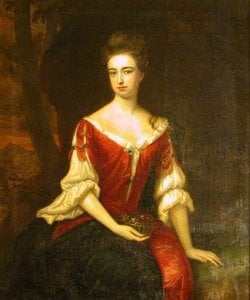
სერ გოდფრი კნელერი: მანერის ოსტატი
გოდფრი კნელერი (1646-1723) ინგლისური ბაროკოს ხელოვნების მონუმენტურ ფიგურად აღფხვნილია, რომელიც პირველ რიგში ცნობილი გახდა გამოჩენილი პერსონაჟების მსგავსების გადაცემის შეუდარებელი უნარით – განსაკუთრებით იმ ნამუშევრებით, რომლებიც მოგვიანებით „კიტ-კატის პორტრეტებად“ იქნა ცნობილი. კატების ეს დახვეწილად დეტალიზებული გამოსახულებები, რომლებიც არისტოკრატულ ინტრიერებს ამშვენებდა, მის ზედმიწევნითი სიზუსტის ტექნიკასა და ვიზუალური კულტურის ღრმა წვდომას წარმოაჩენს. გერმანიის ლუბეკში დაბადებული გოტფრიდ კნილერი დაახლოებით 1675 წელს ინგლისში გადავიდა, სადაც თავი დაიმკვიდრა, როგორც პროლიზური პორტრეტისტი, რომელმაც ჩარლზ II-ისა და ჯორჯ I-ის მმართველობის პერიოდში სამფლობელო და სამეფო ოჯახებისგან პრესტიჟული შეკვეთები მოიპოვა. მისი მემკვიდრეობა მხოლოდ მხატვრული მიღწევებით არ შემოიფარგლება; მან გადამწყვეტი როლი ითამაშა ჯორჯიანული ბრიტანეთის ვიზუალური ლანდშაფტის ჩამოყალიბებასა და სამეფო პატრონაჟისადმი მარადიული მოხიბვლის გაღვივებაში.- ადრეული ცხოვრება და სწავლება: კნელერის ფორმირების წლები მისი ძმის, იოჰან ზაქარიას კნელერის მეთვალდუნებაში ჩაიარა, რომელმაც მას ხატვისა და ფერწერის მკაცრი მიდგომა ჩაუგდო საფუძველი — ეს იყო მისი მხატვრული ფილოსოფიის ქვაკუთხედი. ამ დისციპლინირებულმა სწავლებამ დახვეწა მისი დაკვირვების უნარი და მოამზადა ის ისეთი პორტრეტების შესაქმნელად, რომლებიც გადმოსცემდა არა მხოლოდ ფიზიკურ გარეგნობას, არამედ ფსიქოლოგიურ ხასიათსაც.
- კიტ-კატის პორტრეტების ფენომენი: კნელერის სახელი მისი ინოვაციური „კიტ-კატის პორტრეტებით“ გაფართოვდა. ამ ტილოებზე კატები ზედმიწევნითი სიზუსტით იყო გამოსახული თავიანთი არისტოკრატიული მფლობელებთან ერთად, რაც დეკორატიულ ხელოვნებაში მზარდ ტენდენციას ასახავდა და სუბიექტების პორტრეტირების ახალ ეტაპს — მათთვის ნაცნობ გარემოში წარმოდგენას — menand signaled. ამ პორტრეტებში ჩაკლული სიმბოლიზმი, რომელიც სიმდიდრეს, სტატუსსა და ინტელექტუალურ მისწრაფებებს წარმოადგენდა, კნელერის გამჭრიახად აღქმულ თანამედროვე სოციალურ კონვენციებზე მიუთითებს.
- სამეფო პატრონაჟი და მხატვრული განვითარება: კნელერის კარიერა ჩარლზ II-ისა და ჯორჯ I-ის მფარველობის ქვეშ აყვავდა, რამაც მას სტილის დახვეწისა და ამბიციური პროექტების განსახორციელებლად საშუალება მისცა. იგი ორივე მონარქის Court Painter გახდა, შექმნა მეფეების, დედოფლების, პრინცებისა და დიპლომატების პორტრეტები — ნამუშევრებმა კი მისი რეპუტაცია ინგლისის ერთ-ერთ უდიდეს ხელოვანად განამტკიცა. დეტალებზე მისი ყურადღება და ქიაროსკუროს (სინათლისა და ჩრდილის დრამატული თამაში) ოსტატური გამოყენება იმ ეპოქაში გავრცელებული Grand Manner სტილის დიდებულებას წარმოადგენს.
- გამორჩეული ნამუშევრები და მემკვიდრეობა: კნელერის ყველაზე აღიარებულ მიღწევებს შორისაა ჩარლზ II-ის, ჰენრი 퍼სელის, კრისტოფერ რენის, ისააკ ნიუტონისა და ბენჯამინ ფრანკლინის პორთრეტები — თითოეული მათგანი საოცარი სიზუსტით ასახავს სუბიექტებს და სენსიტიურობით გადმოსცემს მათ პიროვნებას. მისი გავლენა მხოლოდ პორტრეტულ მხატვრობაზე არ გავრცელებულა; იგი ათწლეულების განმავლობაში ტვიკენჰემში მდებარე სამხედრო მუსიკის სამეფო სკოლის დირექტორი იყო, რაც ხელოვნების ნიჭის აღმოჩენასა და ჯორჯიანული ლონდონის კულტურულ სისკეს უწყობდა ხელს.
- მარადიული შთაბეჭდილება: კნელერის ზედმიწევნითი ტექნიკა და სტილისტური ინოვაციები დღემდე შთაგონების წყაროდ რჩება ხელოვანებისთვის. იგი დარჩენილა მხატვრული სრულყოფილების სიმბოლოდ და პორტრეტის, როგორც ისტორიის დოკუმენტირებისა და ადამიანური ხასიდაის არსის ასახვის საშუალების მარადიული ძალის მაგალითად. მისი ნამუშევრები მსოფლიოს წამყვან მუზეუმებში ინახება, რაც უზრუნველყოფს ინგლისური ბაროკოს ხელოვნებაში მისი წვლილის დამახსოვრებას მომავალი თაობებისთვის.
გავლენები და მხატვრული სტილი
კნელერის მხატვრული ხედვა ღრმად იყო ფორმირებული ფლამენგური და იტალიური ბაროკოს ფერწერის ტრადიციებით — განსაკუთრებით რემბრანდტ ვან რაინისა და კარავაჯოს მიერ, რომელთა სინათლისა და ჩრდილის დრამატულმა გამოყენებამ საფუძველი ჩაუყარა ემოციისა და ფსიქოლოგიური სირთულის გამოსახვისთვის. მან მიიღო Grand Manner სტილი, რომელიც ხასიათდება მონუმენტური მასშტაბით, იდეალიზებული ფიგურებითა და საგულდაგულოდ ორკესტრირებული კომპოზიციებით, რაც ღირსებისა და ავტორიტეტის გადმოსაცემად იყო შექმნილი. ეს სტილისტური მიდგომა ასახავდა მისი დროის ინგლისური მონარქიის მისწრაფებებს და განამტკიცა კნელერი, როგორც მხატვრული ინოვაციების გამომწრევი.კნელ ჰოლი და მისი მნიშვნელობა
სახლი, რომელიც კნელერმა ტვიკენჰემთან, უიტონში ააშენა, მე-19 საუკუნის შუა წლებში კნელ ჰოლად იქცა — რაც მისი ბრიტანულ საზოგადოებასა და კულტურაზე მწარმოებელი გავლენის დასტურია. ეს დიდებული სასახლე სამხედრო მუსიკის სამეფო სკოლის სახლი გახდა, რაც სიმბოლურად გამოხატავს კნელერის ერთგულებას მხატვრული განათლებისადმი და მუსიკალური სრულყოფილების ტრადიციის შენარჩუნებას. თავად დარბაზი არქიტექტურულ ღირსშესანიშნაობად გვევლინება, რომელიც ასახავს ჯორჯიანული ბრიტანეთის დიდებულებას და განასხეავნებს იმ ღირებულებებს, რომლებსაც თავად კნელერი ქადაგებდა — დისციპლინას, დახვეწილობასა და ინტელექტუალურ ცნობისმოყვარეობას.შემდგომი კვლევა
გოდფრი კნელერის ცხოვრებისა და შემოქმედების უფრო ღრმა შესაცნობად, შეგიძლიათ მიმართოთ ისეთ რესურსებს, როგორიცაა:- Wikipedia: https://en.wikipedia.org/wiki/Godfrey_Kneller
- Art UK: https://artuk.org/discover/artists/kneller-godfrey-16461723
- Tate: https://www.tate.org.uk/art/artists/sir-godfrey-kneller-310
კითხვები და პასუხები
სად შემიძლია Sir Godfrey Kneller-ის ნამუშევრების ქრონოლოგიური თანმიმდევრობით ნახვა?
მხატვრის ნამუშევრების ქრონოლოგია გვერდზე წარმოდგენილია Sir Godfrey Kneller-ის ნამუშევრები თარიღების მიხედვით, წლითწლიურად დალაგებული.
რა ქალაქსა და ქვეყანაში დაიბადა Sir Godfrey Kneller?
Sir Godfrey Kneller დაიბადა ლიუბეკი-ში, გერმანია-ში.
სად და რა წელს დაიბადა Sir Godfrey Kneller?
Sir Godfrey Kneller დაიბადა ლიუბეკი-ში, 1646 წელს.