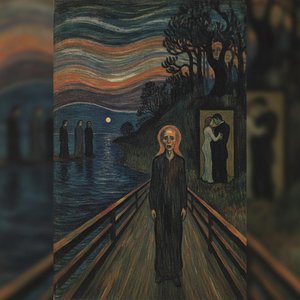
Gerhard Peter Frantz Munthe: A Visionary of Norwegian Folklore and Art Nouveau
Gerhard Peter Frantz Munthe (1849-1929), a name synonymous with the evocative beauty of Norway, was more than just a painter; he was a chronicler of his nation’s soul. Born in Elverum, Hedmark, to a physician father and a cultured mother steeped in literary tradition, Munthe's life unfolded as a harmonious blend of artistic passion, familial legacy, and a deep connection to the landscapes and legends of his homeland. His work, characterized by its rich symbolism, earthy tones, and masterful depiction of Norwegian folklore, firmly established him as one of Norway’s most significant artists of the late 19th and early 20th centuries, and continues to resonate with collectors today through WahooArt's hand-painted reproductions.Early Life and Artistic Training
Munthe’s artistic journey began under the tutelage of Johan Fredrik Eckersberg in Christiania (now Oslo) in 1870. This initial training laid a foundation in classical realism, but Munthe's true calling lay in capturing the spirit of Norway. He continued his studies with Morten Müller and Knud Bergslien until 1874, before embarking on a period of intensive study in Düsseldorf under Andreas Achenbach and his cousin Ludvig Munthe from 1874 to 1876. This exposure to German artistic traditions broadened his technical skills while simultaneously reinforcing his desire to portray the unique character of Norway. Crucially, this early training instilled in him a deep appreciation for naturalism – a commitment to accurately representing the world as he saw it, particularly the rugged beauty and profound spirituality of the Norwegian landscape.Munthe’s Distinctive Style: Folklore, Symbolism, and Art Nouveau
Munthe's artistic style evolved significantly over his career, reflecting both his personal experiences and the prevailing trends of the era. Initially influenced by naturalism, he gradually embraced elements of Art Nouveau, characterized by its flowing lines, organic forms, and decorative intensity. However, at the heart of his work remained a profound engagement with Norwegian folklore and mythology. He wasn’t simply depicting scenes; he was translating legends into visual narratives, imbuing them with emotional depth and symbolic resonance. Works like “Åsmund and the Princess riding Home” (1904) exemplify this perfectly – a dramatic illuminated manuscript-inspired piece that blends heroic battle with poignant storytelling, rich in detail and earthy tones. The tapestry "The fifth Hall" further showcases his ability to weave complex narratives into visually stunning compositions.Illustrations for Snorri Sturluson and Beyond
A pivotal moment in Munthe’s career was his collaboration with Erik Werenskiold on the illustrations for Snorri Sturluson's *Prose Edda*. This ambitious project, undertaken from 1896 to 1899, cemented his reputation as a master of visual storytelling and demonstrated his ability to capture the epic scope and profound symbolism of Norse mythology. These illustrations weren’t mere reproductions; they were reinterpretations, imbued with Munthe's own artistic vision and deeply rooted in his understanding of Norwegian culture. His meticulous attention to detail, combined with a masterful use of color and composition, transformed these ancient tales into vibrant and accessible works of art.Legacy and Recognition
Munthe’s contributions extended beyond the canvas. He was a respected member of the Høstutstillingen (Autumn Exhibition), a prestigious platform for contemporary Norwegian artists, serving on its selection committee from 1882 to 1905. He also held positions within the National Gallery of Norway and Den norske Husflidsforening, demonstrating his commitment to fostering artistic development in his country. His work is now recognized as an integral part of the national collection, with pieces residing permanently in the National Gallery of Norway. Furthermore, Munthe’s influence can be seen in the decorative arts, particularly through his involvement in creating large tapestries that adorned public spaces and private residences. His legacy endures not only through his paintings but also through the enduring power of his ability to capture the spirit and soul of Norway – a feat beautifully realized and faithfully reproduced by WahooArt.com.კითხვები და პასუხები
რომელ ფერებს იყენებდა ყველაზე ხშირად გერჰარდ მუნთე?
გერჰარდ მუნთე-ის პალიტრის გენომი წარმოადგენს გვერდს, სადაც ასახულია ხელოვანის შემოქმედების ფეროვანი პროფილი.
სად შემიძლია გერჰარდ მუნთე-ის ყველა ნამუშევრის ნახვა?
ეს ვებსაიტი-ზე წარმოდგენილი გერჰარდ მუნთე-ის ყველა ნამუშევრის ნახვა შესაძლებელია ხელოვანის ყველა ნამუშევარი გვერდიდან.
შემიძლება გერჰარდ მუნთე-ის ნამუშევრების ნახვა მიმდინარეობის მიხედვით?
ყველა მიმდინარეობა გვერდზე გერჰარდ მუნთე-ის ნამუშევრები ხელოვნების მიმდევრობების მიხედვით არის დაჯგუფებული.